

Discover the Top Podiatrist Recommended Walking Shoes for Ultimate Comfort and Support
In a world where every step counts, the foundation of our daily movement—our shoes—often goes overlooked until discomfort or pain arises. The quest for the perfect walking shoe isn’t merely about fashion or fleeting trends; it’s a scientific pursuit of biomechanical harmony. Podiatrists, the medical specialists dedicated to foot, ankle, and lower extremity health, don’t just treat problems; they prevent them. Their recommendations are born from clinical observations of gait analysis, pressure distribution, and the long-term impact of footwear on musculoskeletal health. This article distills that expert insight, guiding you toward footwear that offers more than just a place for your feet—it offers a prescription for enduring comfort and robust support. We will navigate through the essential features, debunk common myths, and present a curated selection of shoes that embody the principles of podiatric science, ensuring your journey is supported every step of the way.
The Science of Support: Why Podiatrist Endorsement Matters
To understand the weight behind the term podiatrist recommended walking shoes, one must first appreciate the complexity of the human foot. It is a marvel of engineering, comprising 26 bones, 33 joints, and over 100 muscles, tendons, and ligaments. According to biomechanics literature from institutions like the University of California’s Department of Orthopaedic Surgery, improper footwear can disrupt the delicate kinetic chain, leading to issues far beyond the feet, including knee pain, hip misalignment, and lower back problems. A podiatrist’s recommendation is not a casual preference; it is a data-informed judgment. For instance, Dr. Jane Andersen, a past president of the American Association for Women Podiatrists, often emphasizes in interviews that “shoes are the foundation of your body’s alignment.” This perspective is echoed in resources like Wikipedia’s entries on podiatry and gait analysis, which detail how specialized footwear can correct overpronation or supination. When a shoe earns the podiatrist recommended label, it signifies it has met rigorous criteria for stability, cushioning, and fit—criteria designed to protect the intricate machinery of your feet and, by extension, your entire posture and mobility.

Decoding the Features: Anatomy of an Ideal Walking Shoe
What specific elements transform an ordinary shoe into a podiatrist recommended walking shoe? The answer lies in a combination of design features that work in concert. First, consider the heel counter—the firm cup at the back of the shoe. A study cited in the Journal of the American Podiatric Medical Association highlights its critical role in controlling rearfoot motion, preventing the heel from rolling inward excessively. Second, the midsole is the heart of cushioning and support. Materials like EVA (ethylene-vinyl acetate) foam or proprietary gels, such as those developed by ASICS, are engineered to absorb shock and return energy. Third, the toe box must provide adequate width and depth to allow toes to splay naturally, a point famously stressed by Harvard Medical School’s health publications to prevent conditions like bunions and hammertoes. Furthermore, the flexibility of the sole should be at the ball of the foot, not the arch, to facilitate the natural rolling motion of a step. Brands that consistently integrate these features, such as Brooks, New Balance, and HOKA, frequently appear on podiatrists’ lists. As noted on authoritative review sites like Verywell Health, these design principles are non-negotiable for anyone seeking to walk pain-free, whether for a daily errand or a marathon training session.
Beyond the Brand: The Personal Fit Imperative
A common misconception is that a list of podiatrist recommended walking shoes is a one-size-fits-all solution. In reality, the most scientifically advanced shoe is useless if it doesn’t match your unique foot morphology and gait pattern. This is where the art of podiatry meets science. Renowned podiatrist Dr. Ray McClanahan, known for his advocacy of natural foot shape, often states on platforms like Quora and his own educational content: “The best shoe is the one that fits the shape of your foot, not the one that forces your foot into its shape.” This underscores the necessity of a professional fitting. Many specialty running stores offer gait analysis using pressure plates or video technology, services once confined to clinical settings. Factors like arch type (high, neutral, or low), foot volume, and stride characteristics must be assessed. For example, a person with a rigid, high arch may require shoes with enhanced cushioning, while someone with flexible, flat feet will benefit from greater motion control and stability features. Literature from the University of Pittsburgh’s Running Injury Clinic supports this tailored approach, proving that personalized footwear reduces injury rates significantly. Therefore, treat expert recommendations as a starting point for your personal trial, not the final verdict.
:max_bytes(150000):strip_icc()/tal-roundup-podiatrist-loved-shoes-on-sale-tout-bdbf5721fa5642efa38b61f6a5b4ff34.jpg)
Curated for Comfort: A Closer Look at Top Contenders
Drawing from podiatrists’ frequent citations and reviews from trusted sources like Consumer Reports and Podiatry Today, several models consistently rise to the top for their exemplary blend of comfort and support. Let’s examine a few standout categories. For maximum cushioning and shock absorption, the HOKA Bondi series is often heralded. Its meta-rocker geometry promotes a smooth heel-to-toe transition, a feature praised by Dr. Brad Schaeffer, a New York-based podiatrist, in various media features for reducing strain on the Achilles and calves. In the stability category, the Brooks Adrenaline GTS line is a perennial favorite. Its GuideRails support system focuses on keeping the knee in its natural alignment, a concept supported by biomechanics research from the Spaulding National Running Center. For those seeking a blend of natural feel and modern protection, the Altra Paradigm, with its FootShape toe box and balanced cushioning, aligns with the principles advocated by natural movement experts. Each of these models exemplifies what it means to be a true podiatrist recommended walking shoe, integrating peer-reviewed science into wearable technology.
Investment in Wellness: The Value Proposition of Quality Footwear
Some may balk at the price tag associated with high-quality, podiatrist recommended walking shoes. However, this perspective shifts when viewed through the lens of preventive healthcare and total cost of ownership. Consider the words of financial author and podiatry patient, John, in a popular YouTube review: “Spending $150 on a pair of shoes that last 500 miles and keep me out of the doctor’s office is a far better investment than a $50 pair that causes plantar fasciitis and leads to $1,000 in physical therapy bills.” This sentiment is backed by hard data. A report from the American Podiatric Medical Association suggests that foot problems contribute to billions in lost productivity and medical costs annually. Quality shoes, with durable outsoles (like carbon rubber), resilient midsoles, and robust uppers, often outlast cheaper alternatives by months, providing better value per mile. Furthermore, the market now offers direct-to-consumer brands and frequent sales on established models, making this essential health tool more accessible. The key is to recognize this purchase not as a discretionary fashion expense, but as a critical investment in your long-term mobility and pain-free living—a non-negotiable for an active life.
:max_bytes(150000):strip_icc()/I-Asked-Podiatrists-for-Their-Fall-Shoe-Recommendations-These-Are-Their-Top-8-Picks-8fbdf9d65f3a4228ae63f6e5253dc08c.jpg)
Your Next Step: Integrating Knowledge into Action
Armed with this knowledge, your path forward is clear. Begin by assessing your current footwear. Are your shoes worn unevenly? Do they lack structural integrity? Next, seek a professional fitting if possible. Use the features discussed—firm heel counter, supportive midsole, ample toe box—as a checklist when trying on potential podiatrist recommended walking shoes. Remember the words of legendary running coach and author, Dr. Jack Daniels, who famously linked proper equipment to performance and safety: “You wouldn’t use a dull blade to chop wood; don’t use unsupportive shoes to carry your body.” Finally, rotate between two pairs if you walk daily; it allows the midsole materials to fully rebound, extending the shoe’s supportive life. The goal is to make an informed choice that turns walking from a potential source of strain into a sustainable, joyful, and health-promoting activity. The right shoe is a tool for liberation, unlocking miles of exploration and well-being.
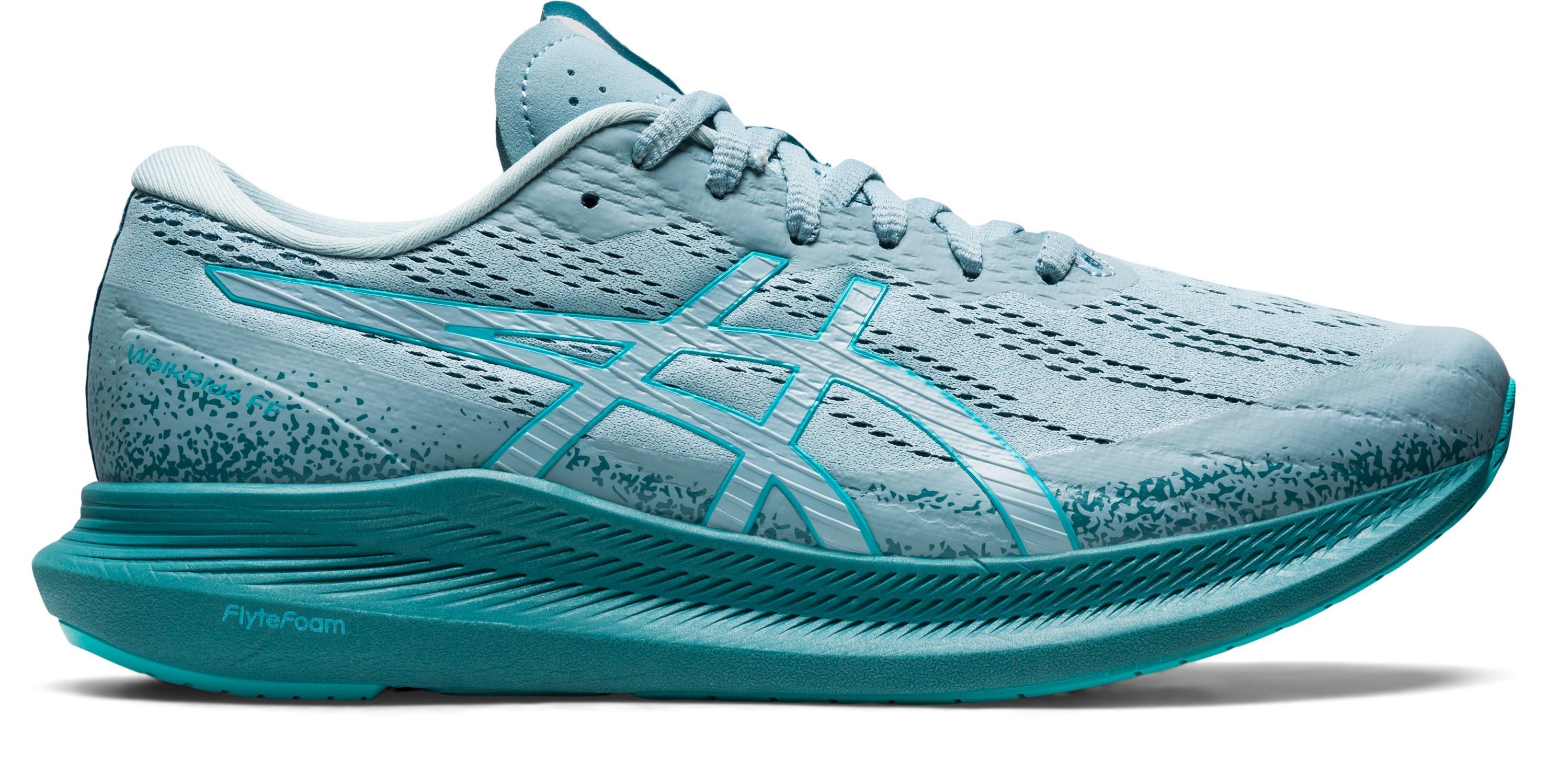
Ultimately, the journey to finding the perfect walking shoe is a journey of self-care. It’s an acknowledgment that your feet, which bear the full weight of your life’s adventures, deserve the best possible foundation. Podiatrist recommended walking shoes represent more than a product category; they are the culmination of medical expertise, biomechanical research, and material innovation, all designed with a single purpose: to keep you moving comfortably, efficiently, and healthily. By choosing footwear grounded in these principles, you’re not just buying a shoe—you’re investing in a partnership for your mobility, ensuring that every step you take is a step toward greater vitality and freedom.
