

Discover the Best Podiatrist Recommended Walking Shoes for All-Day Comfort
Your feet are your foundation, and the shoes you choose can either support that foundation or undermine it with every step. For anyone who spends significant time on their feet—whether navigating a bustling city, managing a retail shift, or simply embracing a daily walking routine—the quest for true, all-day comfort is paramount. This isn’t merely about avoiding blisters; it’s about preventing a cascade of musculoskeletal issues that can originate from poor foot alignment. The most reliable guide in this quest is not a trendy advertisement, but the professional endorsement of a podiatrist. Podiatrist recommended walking shoes are engineered based on biomechanical principles, not just fashion trends. They are the result of clinical insight into how feet move, bear weight, and interact with the ground. This article will delve into the science of what makes these shoes exceptional, explore key features you should demand, and highlight specific models that consistently earn professional praise, all while connecting you with the knowledge and value needed to make an informed investment in your foot health.
The Science of Support: Why Podiatrist Endorsement Matters
To understand the value of a podiatrist recommended walking shoe, one must first appreciate the complex biomechanics of walking. The human foot is a marvel of engineering, comprising 26 bones, 33 joints, and over 100 muscles, tendons, and ligaments. During a single gait cycle—from heel strike to toe-off—forces equivalent to 1.5 times your body weight travel through your feet. Improper footwear can disrupt this delicate system, leading to issues far beyond foot pain. As noted by the American Podiatric Medical Association (APMA), shoes that lack adequate support can contribute to problems in the knees, hips, and lower back. A podiatrist’s recommendation, therefore, is rooted in a preventive and corrective approach. These professionals assess factors like arch type (pes planus/flat feet, pes cavus/high arches, or neutral), gait patterns (overpronation, supination), and specific conditions like plantar fasciitis or metatarsalgia. Their seal of approval, such as the APMA’s Seal of Acceptance, signifies that a shoe has been evaluated and found to promote good foot health. It is a credential based on objective criteria like stability, cushioning, and sole flexibility, offering a layer of assurance that transcends marketing claims. When you choose a shoe bearing this professional endorsement, you are not just buying a product; you are adopting a scientifically-vetted tool for holistic well-being.

Architectural Pillars: The Non-Negotiable Features of a Superior Walking Shoe
What specific elements transform an ordinary sneaker into a podiatrist recommended walking shoe? The distinction lies in a combination of features that work in concert to create a stable, cushioned, and accommodating environment. First and foremost is arch support. Contrary to popular belief, support is not a one-size-fits-all proposition. For the flat-footed individual who overpronates (where the ankle rolls inward excessively), a shoe with firm medial (inner) support and motion control is crucial to realign the foot and ankle. Brands like Brooks and New Balance often integrate technologies like GuideRails or Rollbar stability posts for this purpose. For those with high arches who supinate (roll outward), the priority shifts to ample cushioning and flexibility to absorb shock, a strength seen in models from HOKA and ASICS featuring their Meta-Rocker geometry and GEL cushioning systems, respectively. The second pillar is the heel counter. This is the firm cup at the back of the shoe that cradles the heel bone (calcaneus). A rigid, well-padded heel counter prevents excessive heel movement, providing stability and reducing the risk of conditions like Achilles tendonitis. You can test this by pinching the back of the shoe; it should resist collapse. Third is toe box geometry. A spacious, foot-shaped toe box allows the toes to splay naturally upon weight-bearing, which enhances balance and reduces pressure on the joints. Constrictive toe boxes, common in many fashion shoes, can lead to bunions, hammertoes, and neuromas. Finally, the midsole and outsole work as a team. The midsole, often made from EVA foam, polyurethane, or proprietary compounds like Brooks’ DNA LOFT, is responsible for cushioning. The outsole needs to provide durable traction and a degree of flexibility at the forefoot to facilitate the natural toe-off phase of walking. A shoe that excels in these four areas is a prime candidate for professional recommendation.
From Clinic to Pavement: Models That Consistently Earn Professional Praise
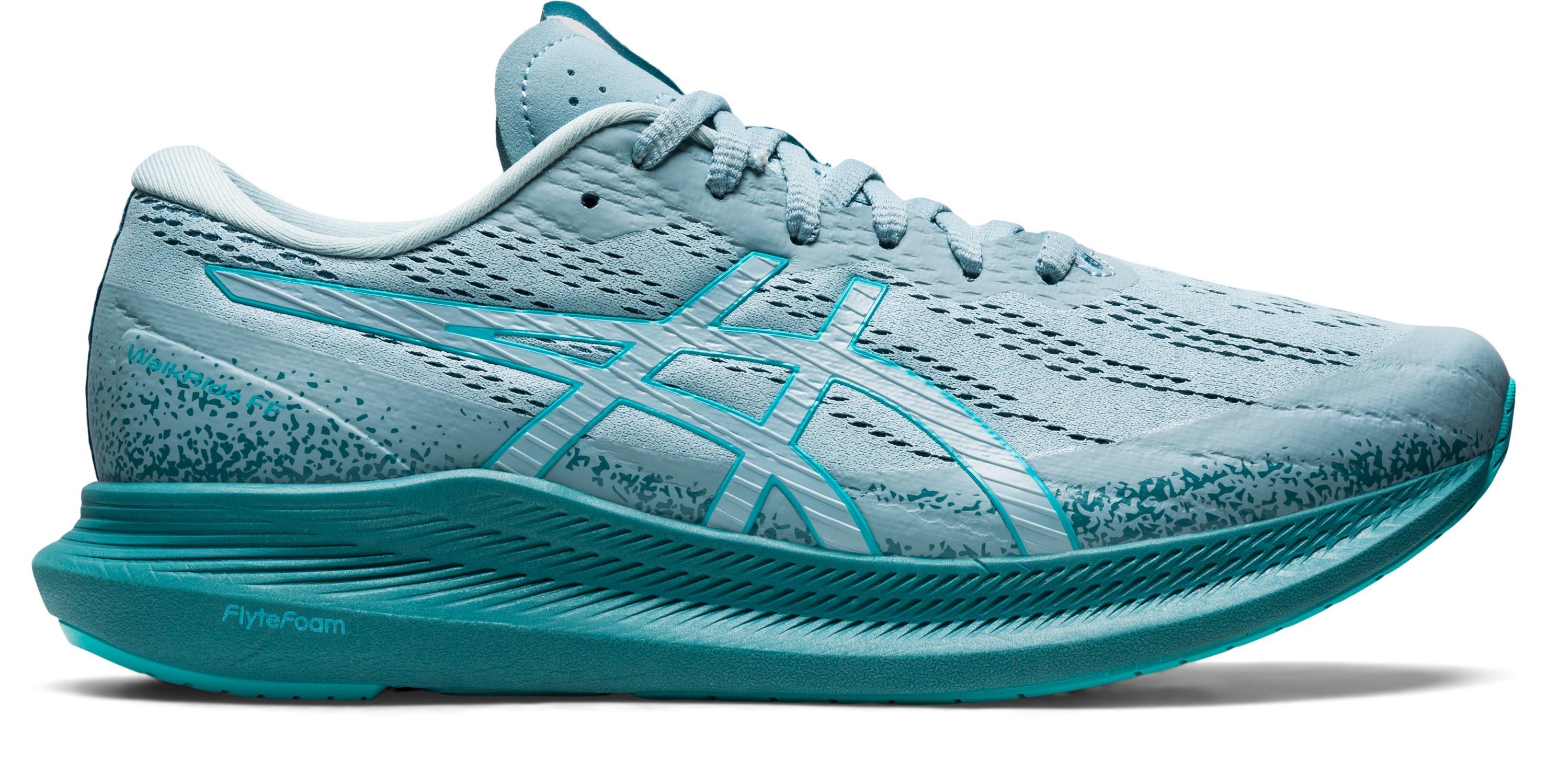
While individual needs vary, certain shoe models have become staples in podiatry clinics due to their consistent performance across a wide range of foot types. One perennial favorite is the Brooks Addiction Walker. It is often cited as a benchmark for motion control, featuring an extended Progressive Diagonal Rollbar that effectively limits overpronation. Its full-grain leather upper offers structure and durability, making it a top choice for those requiring maximum stability. Another standout is the New Balance 928. This walking shoe is built on the same last as New Balance’s prescription orthopedic footwear, offering exceptional depth and a rocker sole design that promotes a smooth gait cycle, which is particularly beneficial for individuals with arthritis or limited ankle mobility. For those seeking cloud-like cushioning without sacrificing stability, the HOKA Bondi series is frequently endorsed. Its maximalist cushioning, achieved through a thick, resilient EVA midsole, provides exceptional shock absorption, a boon for walkers dealing with heel pain or those who are on hard surfaces all day. The ASICS Gel-Kayano or Gel-Nimbus series, while often categorized as running shoes, are also frequently recommended for walkers due to their sophisticated GEL cushioning systems and Trusstic stability units that offer a superb blend of soft landings and support. These models exemplify the engineering that goes into a true podiatrist recommended walking shoe, blending advanced materials with biomechanical insight.
:max_bytes(150000):strip_icc()/tal-roundup-podiatrist-loved-shoes-on-sale-tout-bdbf5721fa5642efa38b61f6a5b4ff34.jpg)
Investing in Your Foundation: The Long-Term Value of Quality Footwear
It is tempting to view expensive, professionally-vetted shoes as a luxury. However, from a long-term health and financial perspective, they are a critical investment. Consider the alternative: a cheap, poorly constructed shoe may save money upfront but can lead to costly problems down the line. The cost of ongoing physical therapy, custom orthotics, pain management, or even corrective surgery for issues exacerbated by bad footwear far outweighs the price of a premium pair of podiatrist recommended walking shoes. As the renowned author and journalist Malcolm Gladwell might frame it, this is a classic case of “the tipping point” where a small, deliberate investment (in proper shoes) prevents a large, chaotic outcome (chronic pain). Furthermore, the value proposition is enhanced by the durability of these shoes. They are constructed with higher-quality materials designed to maintain their structural integrity and support over hundreds of miles. To maximize this value, savvy consumers should look for sales on previous model years, which often offer the same core technology at a significant discount. Many reputable online retailers and brand outlets provide these opportunities, making top-tier foot health accessible. Remember, your feet carry you through every experience of your life. Protecting them with the best tools available is not an indulgence; it is a fundamental act of self-care that pays dividends in mobility, comfort, and overall vitality for years to come.

The journey to all-day comfort begins with a single, well-supported step. By prioritizing the biomechanical principles endorsed by foot health specialists, you move beyond guesswork and into the realm of evidence-based comfort. The features that define a superior walking shoe—targeted arch support, a secure heel counter, a generous toe box, and a purpose-built sole—are not mere specifications; they are the building blocks of pain-free mobility. The models highlighted here represent a starting point, a curated list born from clinical observation and user testimony. Ultimately, the best podiatrist recommended walking shoe is the one that fits your unique foot structure and meets your specific needs, empowering you to walk further, stand longer, and move through your day with unwavering confidence and ease.
