

The Ultimate Guide to Womens Sneakers in 2023
The landscape of footwear is perpetually shifting, but in 2023, women’s sneakers have solidified their position not merely as athletic gear but as the cornerstone of versatile, expressive, and conscious style. This year, the conversation transcends simple aesthetics, weaving together threads of technological innovation, environmental responsibility, and a powerful redefinition of comfort as a non-negotiable luxury. The modern woman’s sneaker is a statement—a fusion of biomechanical engineering and personal ethos. We are moving beyond the era where sneakers were just for the gym; today, they are engineered to transition seamlessly from a morning run to a boardroom meeting, all while reflecting a deeper understanding of material science and sustainable values. The choices available are a direct response to a more informed consumer who demands performance, ethics, and style in equal measure. This guide delves into the core movements defining this dynamic category, offering not just trends but a comprehensive framework for understanding the very architecture of the contemporary women’s sneakers 2023 market.
The Biomechanics of Modern Comfort: Beyond Cushioning
Gone are the days when a thick sole equated to comfort. The 2023 approach is rooted in biomechanics—the study of the structure and function of biological systems through mechanics. Leading brands are leveraging research from institutions like the University of Calgary’s Human Performance Laboratory to design sneakers that work in harmony with the female foot’s unique morphology. This involves more than just scaling down a men’s design. It encompasses a nuanced understanding of heel-to-toe drop, arch support tailored to different plantar pressure maps, and midsole materials that offer adaptive rebound. For instance, the proliferation of nitrogen-infused foams (like PEBAX-based compounds) isn’t just a marketing gimmick; it represents a material science breakthrough that provides lighter weight and greater energy return with less degradation over time. When you slip on a pair of advanced 2023 sneakers, you’re not just feeling softness. You’re experiencing a system engineered to reduce fatigue at the metatarsals, stabilize the calcaneus (heel bone) during lateral movement, and promote a more natural gait cycle. This scientific foundation means that the right pair can actively contribute to foot health rather than merely passively protecting it. It’s a shift from reactive cushioning to proactive biomechanical alignment, making all-day wear not just possible but beneficial.
Material Revolution: Sustainability as a Performance Feature
The dialogue around materials in women’s sneakers 2023 has irrevocably shifted. Sustainability is no longer a niche afterthought but a central performance and design parameter. This movement is powered by a confluence of consumer demand, visible corporate responsibility, and genuine innovation. Brands are exploring a fascinating array of alternatives: mycelium-based leathers (like Mylo), pineapple leaf fibers (Piñatex), recycled ocean plastics, and even regenerated nylon from discarded fishing nets. As environmental activist and designer Stella McCartney, a pioneer in this space, stated in a 2023 interview, “The future of fashion is circular. The materials we use today must become the resources for tomorrow. A sneaker shouldn’t cost the earth.” This philosophy is now mainstream. The scientific advantage of these new materials is their evolving performance. Early iterations of recycled polyester might have compromised on breathability, but current weaves offer superior moisture-wicking. Plant-based foams are now achieving compression resistance on par with their petroleum-based ancestors. Choosing a sustainable sneaker in 2023 does not mean sacrificing durability or comfort; in many cases, it means investing in a product that represents the cutting edge of material science. This evolution is documented in resources like the “Materials of the Future” reports from the Massachusetts Institute of Technology (MIT), which highlight how bio-fabrication is moving from the lab to the consumer market at an unprecedented pace.

The Aesthetic Paradigm: Where “Dad Shoe” Meets Minimalist Sculpture
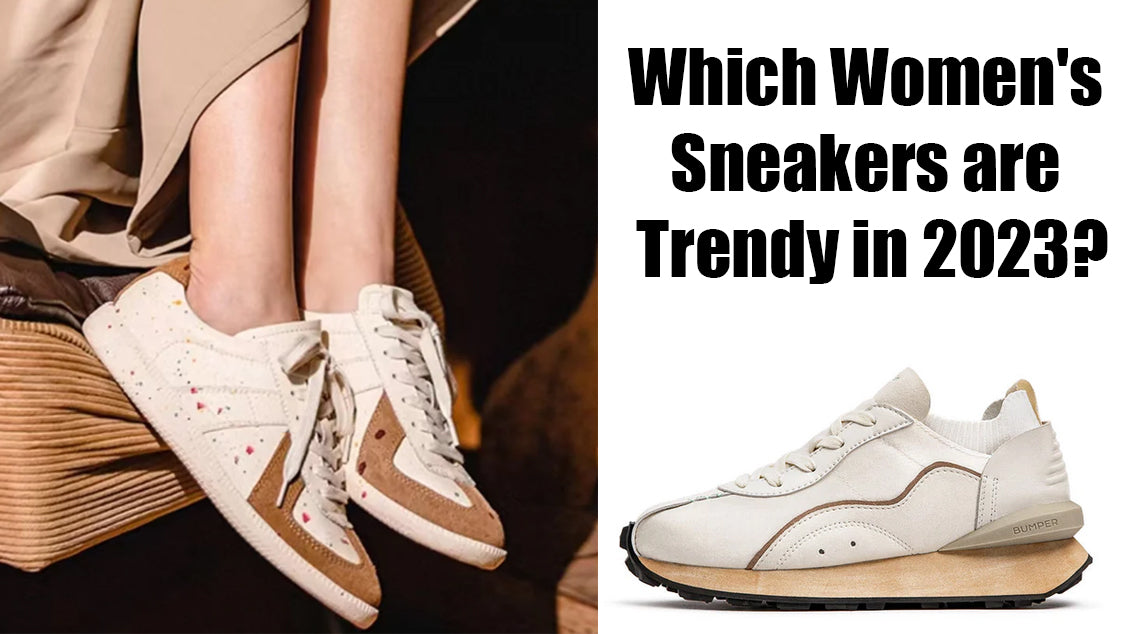
Visually, the 2023 sneaker scene is a study in intelligent contrasts. Two seemingly opposite trends have converged to define the year’s look: the enduring, exaggerated “Dad Shoe” silhouette and the rise of the minimalist, sculptural sneaker. The chunky, maximalist shoe, popularized by brands like Balenciaga and now democratized across the market, represents a embrace of unabashed volume and retro-futurism. It’s a style that borrows from 90s archives but updates them with contemporary material textures and proportions. On the other end of the spectrum, we see a surge in sleek, almost architectural designs from brands like Common Projects and Axel Arigato. These sneakers prioritize clean lines, premium leathers or innovative knits, and a mono-color palette, treating the shoe as a piece of wearable modern art. This dichotomy isn’t contradictory; it reflects the multifaceted nature of modern style. The choice between a chunky platform sneaker and a minimalist low-top is no longer about following a single trend, but about curating a personal uniform. As fashion critic Vanessa Friedman noted in The New York Times, “Footwear in 2023 is about intentionality. The volume of a sneaker or its stark absence are both powerful tools for defining an outfit’s silhouette and attitude.” This means your sneaker wardrobe can—and perhaps should—contain both statements, each serving a different sartorial purpose.
The Versatility Imperative: One Shoe, Multiple Realms
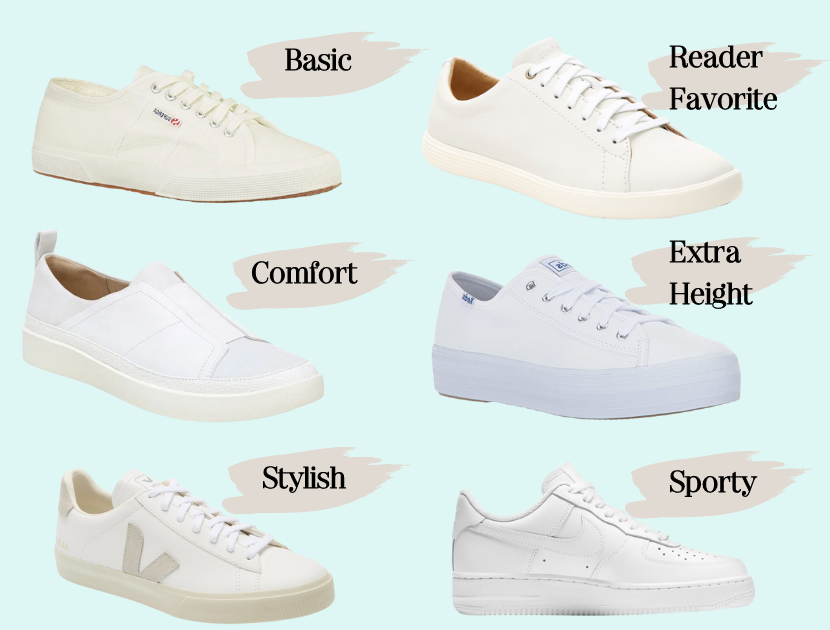
The true test of a modern sneaker is its domain-transcending capability. The most coveted women’s sneakers 2023 are those engineered for what lifestyle experts term “context fluidity.” This is the ability to perform adequately in a light training session, provide all-day comfort for urban exploration, and still look polished enough for casual Friday at the office. This demand has driven technical hybrids. We see running shoe-derived cushioning systems married to suede or leather uppers, trail-ready outsoles with refined, city-friendly colorways, and knit uppers that offer the breathability of a performance shoe with the elegance of a sock. The archetype here is the classic white sneaker, but even that staple has been upgraded. The 2023 version often features scuff-resistant coatings, antimicrobial insoles, and construction methods that prevent the sole from yellowing prematurely. This isn’t just a shoe; it’s a reliable tool for a dynamic life. The value proposition is immense: instead of owning separate shoes for gym, commute, and leisure, one intelligent pair can cover all bases, offering both economic and practical efficiency. Brands are acutely aware of this, marketing not just a product but a solution to the problem of compartmentalized living.
Investing in Your Stride: A Guide to Informed Acquisition
With this wealth of innovation, making a choice can be daunting. The key is to align your selection with your primary activity profile and value system. First, assess your biomechanical needs. Are you a runner, a walker, or primarily a stander? Resources like the American Podiatric Medical Association’s guidelines can help identify features like arch type. Second, interrogate the sustainability claims. Look for specific, verifiable information on material composition (e.g., “upper made from 70% recycled polyester”) and certifications like Bluesign or the Forest Stewardship Council (FSC) for natural materials. Third, embrace versatility. A neutral colorway like optic white, grey, or black will offer maximum outfit integration. Finally, consider the cost-per-wear. A well-constructed, technologically advanced pair of sneakers at a higher initial price point (often in the $120-$200 range for premium mainstream brands, with designer collaborations exceeding $500) may offer far greater longevity and comfort than several cheaper, less durable pairs. The market also offers excellent value through direct-to-consumer brands that bypass traditional retail markups, providing high-quality materials and construction at more accessible price points, frequently between $80 and $150. Keep an eye on seasonal sales from major retailers, where previous season’s colorways of core technology models can often be found with discounts of 30-50%.
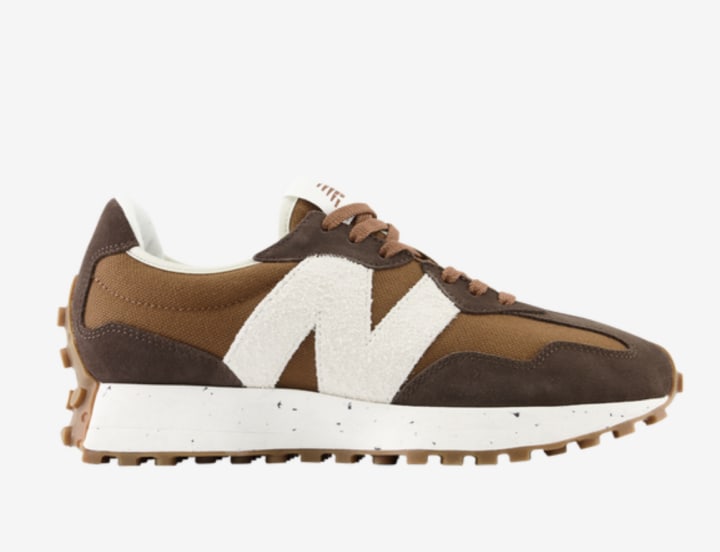
The narrative of women’s sneakers 2023 is one of empowered synthesis. It is where science meets conscience, where bold aesthetics coexist with thoughtful minimalism, and where every component—from the foam underfoot to the stitching on the upper—is a point of considered choice. This year’s offerings are more than footwear; they are a testament to how far the category has evolved, providing tools that support, express, and move with the women who wear them. The ultimate sneaker is no longer defined by a single logo or trend, but by its intelligent response to the complex demands of contemporary life. Your perfect pair is out there, engineered not just for your feet, but for the world you walk in.
