

Discover the Top Podiatrist Recommended Walking Shoes for Ultimate Comfort and Support
Walking is one of the most fundamental and beneficial forms of exercise, accessible to nearly everyone. Yet, the simplicity of this activity belies the complexity of the biomechanics involved. Each step you take sends a force equivalent to about 1.5 times your body weight through your feet, ankles, knees, and hips. When this force is managed poorly by inadequate footwear, the consequences can range from acute discomfort to chronic injuries like plantar fasciitis, shin splints, or knee pain. This is where the expertise of a podiatrist becomes invaluable. Podiatrists, or doctors of podiatric medicine, specialize in the diagnosis, treatment, and prevention of foot and ankle disorders. Their recommendations for footwear are not based on fleeting trends or marketing hype, but on a deep understanding of foot anatomy, gait analysis, and the principles of orthopedics. Choosing a pair of podiatrist recommended walking shoes is, therefore, an investment in your long-term mobility and health. This article will guide you through the essential features of such shoes, highlight specific models that consistently earn professional praise, and explain the science behind why these features matter, empowering you to make an informed choice for your feet.
The Foundation of Foot Health: Why Podiatrist Expertise Matters
To understand the value of a podiatrist’s recommendation, one must first appreciate the foot’s intricate design. The human foot is a marvel of engineering, comprising 26 bones, 33 joints, and over 100 muscles, tendons, and ligaments. It functions as both a rigid lever for propulsion and a flexible shock absorber upon impact. A podiatrist’s training focuses on this complex system. As stated by the American Podiatric Medical Association (APMA), their role encompasses the medical and surgical treatment of foot conditions, which inherently includes advising on proper footwear. Dr. Jacqueline Sutera, a renowned New York City podiatrist, often emphasizes in media interviews that “shoes are the foundation of your body.” She argues that just as a house needs a solid foundation to stand, your body needs properly supportive shoes to maintain alignment from the ground up. This perspective is echoed in academic literature from institutions like the University of Pittsburgh School of Medicine, where studies on gait biomechanics consistently link improper footwear to overuse injuries. Therefore, when a podiatrist recommends a shoe, they are evaluating it against a rigorous checklist: does it provide adequate arch support to prevent overpronation or supination? Does it have a sufficiently rigid heel counter to stabilize the rearfoot? Is the toe box roomy enough to prevent digital deformities like bunions? This scientific, evidence-based approach is what separates a casual shoe suggestion from a genuine podiatrist recommended walking shoe.
:max_bytes(150000):strip_icc()/favorite-walking-shoes-round-up-november-2024-458c3fc0c6844adca7c0a34ebc5cfb9b.jpg)
Decoding the Anatomy of a Superior Walking Shoe
Not all athletic shoes are created equal. Running shoes, for instance, are designed for forward momentum and heel-to-toe transitions at higher speeds, often featuring maximal cushioning. Walking shoes, however, are engineered for the distinct mechanics of walking, which involve a more rolling heel-to-toe motion and longer ground contact time. A top-tier walking shoe, especially one that would earn a podiatrist’s seal of approval, will excel in several key areas. First and foremost is arch support. The arch acts as the foot’s natural shock absorber. For individuals with flat feet (pes planus) or high arches (pes cavus), off-the-shelf support is rarely adequate. Podiatrists frequently recommend shoes with built-in arch support or those compatible with custom orthotics. Brands like ASICS and New Balance are often cited for their focus on this feature. Second is heel stability. A firm heel counter—the back part of the shoe that cups your heel—is crucial. It prevents excessive side-to-side motion (calcaneal eversion/inversion) that can lead to ankle sprains and Achilles tendonitis. Third is flexibility at the right point. The shoe should bend easily at the ball of the foot (the metatarsophalangeal joints) but remain relatively stiff through the midfoot to maintain torsional stability. Finally, cushioning and shock absorption are vital, but with a caveat: the cushioning must be responsive and not overly soft. Overly plush soles, as noted by Harvard Medical School publications on orthopedic health, can destabilize the foot by masking proprioceptive feedback, potentially leading to missteps. A truly supportive shoe strikes a balance, absorbing impact without compromising stability, a hallmark of any genuine podiatrist recommended walking shoe.
Top Contenders: Shoes That Consistently Earn Professional Praise
While individual needs vary, certain shoe models have developed a reputation among foot care professionals for their consistent design excellence. It’s important to remember that a podiatrist’s top pick for a patient with severe overpronation will differ from their recommendation for someone with a neutral gait. However, several brands and models are frequently mentioned in podiatric circles, on professional review sites, and by reputable health publications. For instance, the ASICS Gel-Kayano series is often lauded for its Dynamic DuoMax support system and Guidance Line technology, which promotes a more efficient gait cycle. Podiatrist Dr. Brad Schaeffer, in a feature for Travel + Leisure, highlighted its exceptional stability for long-distance walkers. Another perennial favorite is the New Balance 990v5 (and its successors). Made in the USA with a pigskin and mesh upper, it’s celebrated for its unparalleled durability, ENCAP midsole technology for cushioning and support, and a wide range of width options—a critical feature podiatrists emphasize for proper fit. For those seeking maximal cushioning without sacrificing support, HOKA ONE ONE Bondi is a standout. Its meta-rocker geometry and thick, resilient foam midsole are specifically designed to reduce fatigue and impact stress, making it a frequent recommendation for walkers dealing with arthritis or heel pain. Lastly, the Brooks Addiction Walker is a classic stability shoe. Its Extended Progressive Diagonal Rollbar (PDRB) is a biomechanical device that helps control overpronation, a feature so effective it has earned the APMA Seal of Acceptance. Exploring these models provides a concrete starting point in your search for the ideal podiatrist recommended walking shoes.
:max_bytes(150000):strip_icc()/tal-roundup-podiatrist-loved-shoes-on-sale-tout-bdbf5721fa5642efa38b61f6a5b4ff34.jpg)
Beyond the Shoe: The Critical Importance of Fit and Gait Analysis
Purchasing a highly recommended shoe model is only half the battle; the other half is ensuring it fits your foot perfectly. A podiatrist will always stress that a shoe’s technological features are irrelevant if the fit is wrong. The fitting process should be meticulous. Your feet are largest at the end of the day due to swelling, so that’s the ideal time to try on shoes. There should be about a thumb’s width (roughly half an inch) of space between your longest toe (which isn’t always the big toe) and the end of the shoe. The width should be snug but not constricting, allowing your toes to splay naturally with each step. This is where gait analysis becomes transformative. Many specialty running and walking stores offer this service, using pressure plates or treadmills with video technology. Gait analysis can reveal if you overpronate (your foot rolls inward excessively), supinate (your foot rolls outward), or have a neutral stride. This information is gold. For example, a severe overpronator will benefit immensely from a motion-control shoe like the Brooks Addiction, while a supinator might need a more neutral, cushioned shoe like certain HOKA models to distribute impact. As noted on platforms like Quora and in discussions from certified pedorthists on YouTube, self-diagnosing your gait can be misleading. A professional analysis, often available for free at good retailers, provides objective data to pair with the subjective comfort of a podiatrist recommended walking shoe, creating a truly personalized footwear solution.
Investing in Your Stride: Where Value Meets Vitality
High-quality, biomechanically sound walking shoes often come with a higher price tag than discount department store sneakers. It’s essential to reframe this not as an expense, but as a preventative healthcare investment. Consider the cost of treating chronic foot pain: consultations, physical therapy, custom orthotics, and potential lost productivity. A pair of properly supportive shoes is a front-line defense. The good news is that value can be found. First, prioritize fit and function over fashion; a shoe that prevents injury is infinitely more valuable than a trendy one that causes it. Second, take advantage of sales cycles. New models are typically released annually, meaning last year’s top-rated shoes can often be found at significant discounts. The technology difference between model years is often minimal, so this is a savvy way to acquire premium footwear. Websites of the brands mentioned often have “previous season” sections. Third, consider the cost-per-wear. A $150 shoe that lasts for 500 miles of comfortable, pain-free walking is a far better value than a $60 shoe that causes discomfort after 100 miles and needs early replacement. Remember, your feet are your primary mode of transportation for life. Providing them with the best possible environment—a scientifically designed, professionally endorsed podiatrist recommended walking shoe—is one of the most direct and effective acts of self-care you can perform for your overall musculoskeletal health.
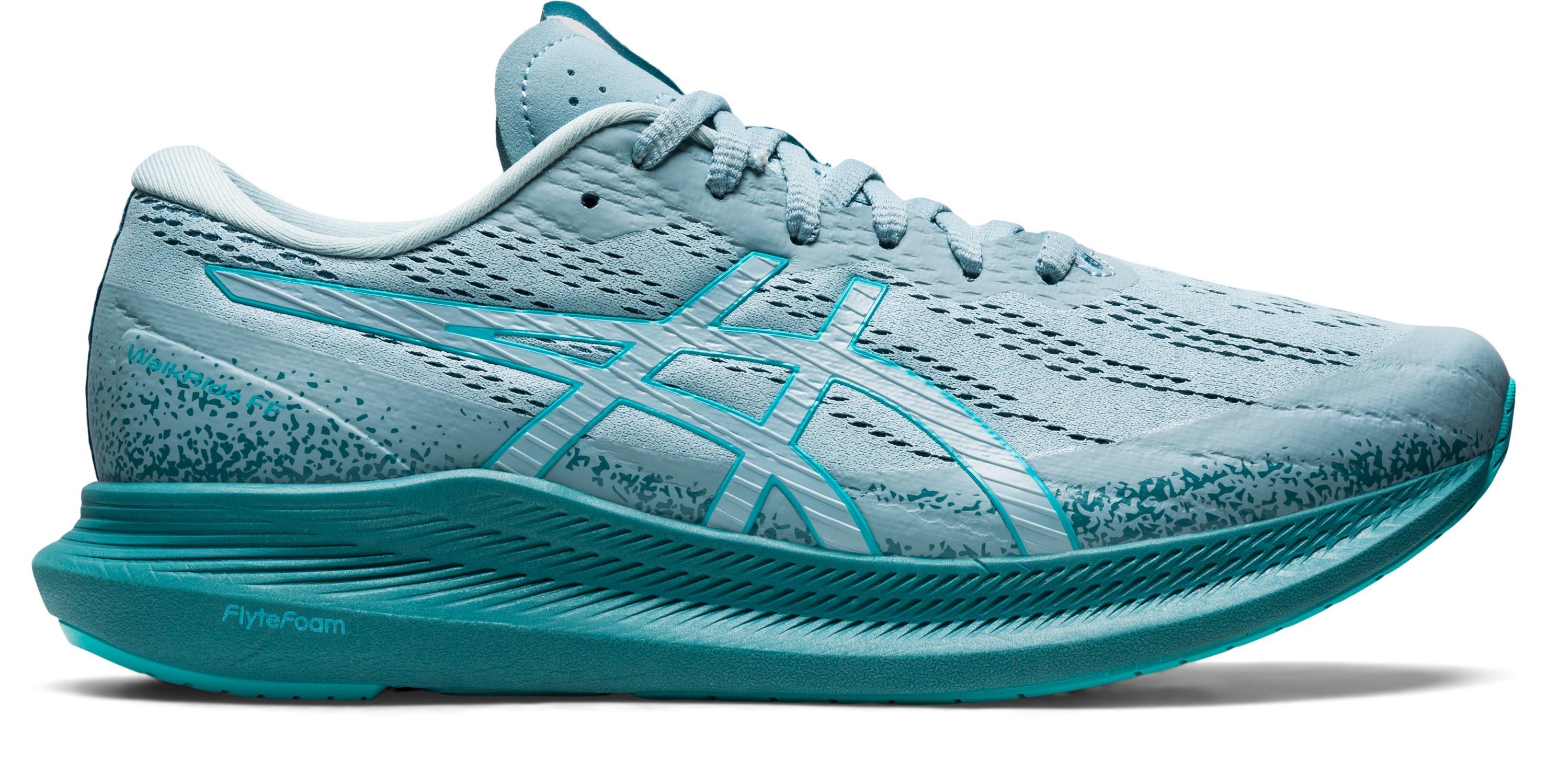
Your journey toward pain-free, energized walking begins with a single, informed step. The world of footwear is vast and often confusing, filled with marketing claims that prioritize style over substance. By anchoring your search in the principles of podiatric medicine—prioritizing arch support, heel stability, proper fit, and gait-specific design—you cut through the noise. The models highlighted here, from the stability-focused Brooks Addiction to the cloud-like HOKA Bondi, represent the pinnacle of what footwear engineering, guided by medical insight, can achieve. They are more than just shoes; they are tools for wellness, engineered to protect the complex machinery of your feet and, by extension, your entire body. Don’t wait for pain to be your guide. Be proactive. Visit a specialty store, seek a gait analysis, and try on a pair of podiatrist recommended walking shoes. Feel the difference that proper support makes from the ground up. Your feet, your joints, and your future self will thank you for making a choice rooted not in trend, but in the timeless science of movement and health.
