

Discover the Best Podiatrist Recommended Walking Shoes for All-Day Comfort
Your feet are your foundation, carrying you through thousands of steps each day. Yet, so often, they are an afterthought, crammed into shoes chosen for style over substance, leading to a cascade of discomfort that can ripple up through your entire body. The quest for all-day comfort isn’t merely about avoiding sore feet at the end of a shift or a long day of travel; it’s a fundamental investment in your mobility and overall well-being. This is where the specialized insight of podiatry becomes invaluable. Moving beyond marketing buzzwords, podiatrist recommended walking shoes are engineered based on a deep understanding of biomechanics, pathology, and preventative care. These shoes aren’t just comfortable; they are designed to support, stabilize, and protect the intricate structure of your foot, promoting a natural, healthy gait. This guide will navigate the science behind the recommendation, break down the non-negotiable features, and introduce you to specific models that embody these principles, empowering you to make an informed choice that your feet will thank you for, step after step.
The Science of Support: Why Podiatrist Recommendations Matter
To understand the value of a podiatrist recommended walking shoe, one must first appreciate the complexity of the human foot. It is a marvel of engineering, comprising 26 bones, 33 joints, and over 100 muscles, tendons, and ligaments. This structure must simultaneously provide stability, absorb shock, and propel us forward—a demanding task that many conventional shoes hinder rather than help. Podiatrists, as medical specialists in foot and ankle health, diagnose and treat conditions ranging from plantar fasciitis and bunions to diabetic neuropathy and arthritis. Their recommendations are rooted in clinical evidence and biomechanical principles. For instance, the American Podiatric Medical Association (APMA) grants its Seal of Acceptance to products that promote good foot health, a significant credential for any walking shoe. The core philosophy is alignment and offloading. Proper alignment from the ground up ensures that forces are distributed evenly, preventing excessive stress on any single structure like the plantar fascia or the metatarsal heads. Offloading refers to cushioning and redistributing pressure away from sensitive or painful areas. A study published in the Journal of Foot and Ankle Research often highlights how targeted footwear interventions can significantly reduce pain and improve function in patients with common ailments. Therefore, a shoe bearing the podiatrist’s stamp of approval is not merely a product of comfort testing; it is a therapeutic tool vetted for its ability to maintain foot health and prevent injury.
:max_bytes(150000):strip_icc()/podiatrist-recommended-walking-shoes-e1b90077185d4e6cadbf6327c4d17db7.jpg)
Architectural Pillars: The Non-Negotiable Features of a Superior Walking Shoe
When evaluating podiatrist recommended walking shoes, several key features consistently emerge as critical. First is arch support. The arch acts as a natural shock absorber. Shoes with inadequate or misaligned support can lead to overpronation (rolling inward) or supination (rolling outward), disrupting the kinetic chain and causing issues in the knees, hips, and back. A proper shoe will offer support that matches your arch type—neutral, low, or high. Second is heel counter stability. The firm cup at the back of the shoe should be robust and well-padded to lock the heel in place, preventing slippage and controlling rearfoot motion, which is crucial for stability with every step. Third is ample toe box room. As noted by Dr. Jacqueline Sutera, a New York City-based podiatrist, “Your toes should never feel cramped.” A spacious, foot-shaped toe box allows toes to splay naturally upon weight-bearing, which improves balance, reduces the risk of developing bunions or hammertoes, and enhances overall comfort. Fourth is responsive yet stable cushioning. Materials like EVA foam, polyurethane, or proprietary gels (like Brooks’ DNA LOFT or ASICS’ GEL) must cushion impact without being so soft that they destabilize the foot. Finally, a flexible but supportive sole that bends at the ball of the foot—matching your foot’s natural pivot point—is essential for a efficient, rolling gait. These features work in concert to create an environment where the foot can function as nature intended, which is the ultimate goal of any podiatrist-endorsed footwear.
From Clinic to Pavement: Top Contenders for All-Day Wear
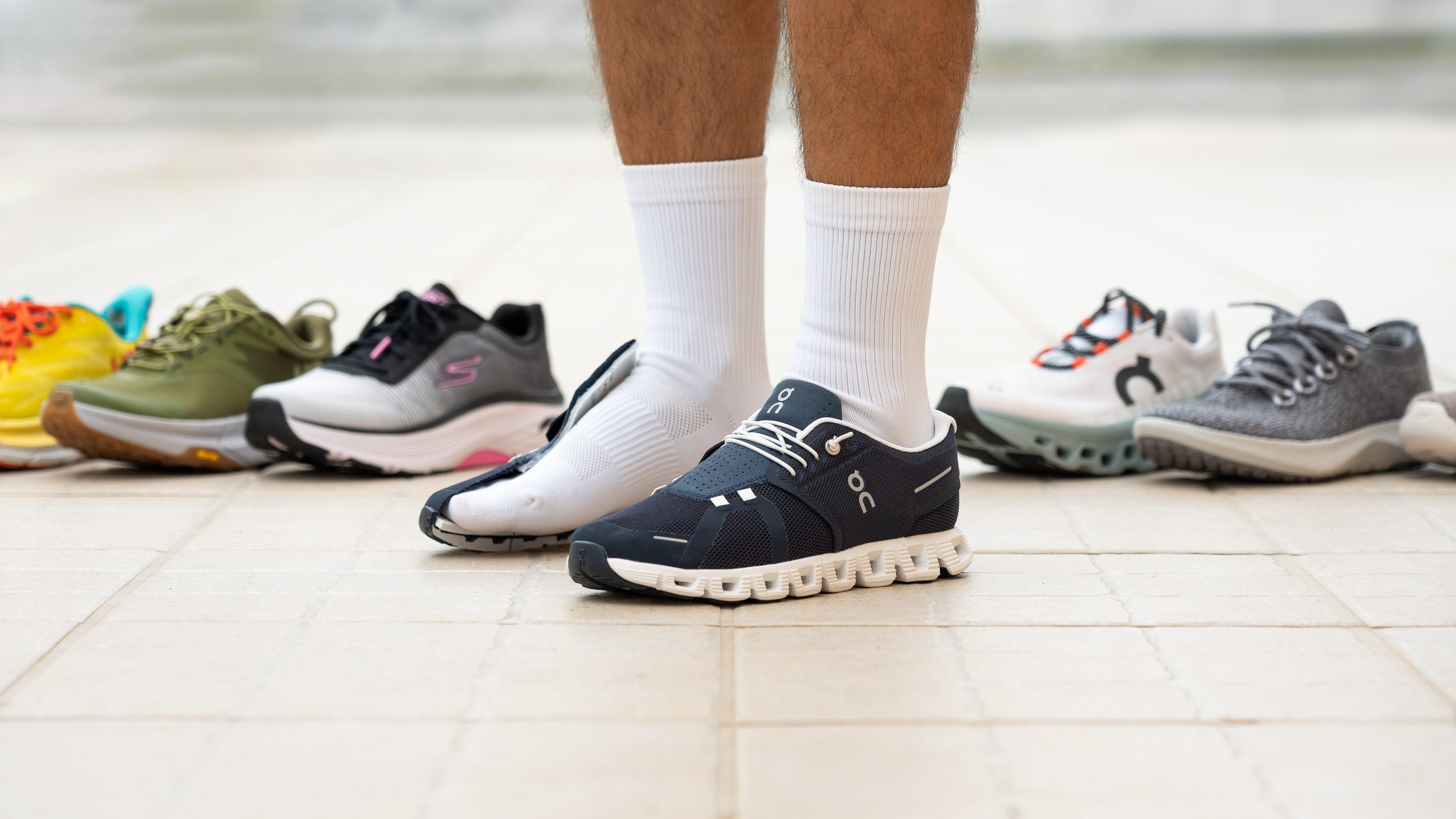
Translating these principles into real-world options, several brands and models are frequently highlighted by foot care professionals. For those requiring maximum stability and motion control, the Brooks Addiction Walker is a perennial favorite. Its extended progressive diagonal rollbar is a biomechanical device that helps guide the foot from heel strike to toe-off, making it a classic podiatrist recommended walking shoe for overpronators. Another standout is the New Balance 928, which features a ROLLBAR stability post and is often recommended for individuals with arthritis or those who are on their feet for extended periods due to its exceptional support and durable leather construction. For a more neutral gait with a focus on plush comfort, the HOKA ONE ONE Bondi series offers an unparalleled level of soft cushioning with a meta-rocker geometry that encourages a smooth stride, a feature podiatrists often suggest for patients with heel pain or rigid feet. The ASICS Gel-Kayano series, while popular in running, is also lauded for walking due to its dynamic DuoMax support system and GUIDANCE LINE technology, which improves gait efficiency. It’s worth noting the words of Dr. Brad Schaeffer, a board-certified podiatrist, who often emphasizes on platforms like Quora that “The best shoe is the one that fits your specific foot structure and gait pattern.” Therefore, while these models are excellent starting points, a professional fitting is irreplaceable.
:max_bytes(150000):strip_icc()/shp-best-brooks-walking-shoes-tout-f67df3ab5afa4c08a24a63ae6dca3444.jpg)
Beyond the Shoe: The Holistic Approach to Foot Health
Investing in podiatrist recommended walking shoes is a monumental first step, but true all-day comfort is a holistic endeavor. Consider your socks—moisture-wicking, seamless socks prevent blisters and keep feet dry. Orthotics, whether custom-made from a podiatrist or high-quality over-the-counter inserts, can fine-tune the fit and support of even the best shoes, addressing individual anatomical needs. Furthermore, the context of wear matters immensely. The shoes you wear for a long, flat urban walk may differ from those you’d choose for a day of standing in one place, where cushioning and pressure distribution are paramount. Regular replacement is also critical; the cushioning and support materials break down long before the outer sole shows significant wear. Most experts, including sources from authoritative institutions like the University of Pittsburgh Medical Center, recommend replacing walking shoes every 300 to 500 miles. Finally, listen to your body. Persistent pain is not normal and is a signal to consult a professional. A podiatrist can provide a diagnosis and a tailored plan that may include specific footwear, exercises, or orthotics, turning generalized comfort into targeted, therapeutic relief.
Investing in Your Foundation: Where Value Meets Expertise
Some may hesitate at the price point of high-quality, podiatrist recommended walking shoes, often ranging from $120 to $180. However, this investment must be reframed as preventative healthcare. Consider the cost of treating a single case of plantar fasciitis, which may involve physical therapy, custom orthotics, night splints, and lost productivity. A single pair of properly supportive shoes is a fraction of that cost. The good news is that value is accessible. Many reputable retailers offer previous-season models at significant discounts, and brands frequently have sales directly on their websites. The key is to prioritize the essential features—arch support, heel counter, toe box—over superficial aesthetics. When you find a model that works for you, purchasing multiple pairs during a sale can be a savvy long-term strategy. Remember, the goal is not to find the cheapest option, but the one that offers the highest return in comfort, health, and longevity. Your feet are the foundation upon which you build every day; fortifying that foundation with the right footwear is an act of self-care that pays dividends with every pain-free step you take.

The journey to all-day comfort begins with a single, well-supported step. By prioritizing the biomechanical wisdom embedded in podiatrist recommended walking shoes, you move beyond fleeting fashion and into the realm of sustained well-being. These shoes are more than accessories; they are partners in mobility, engineered to respect the intricate architecture of your feet and to safeguard your journey, whether it spans city blocks or the corridors of your daily life. Embrace the features that matter, seek out the models trusted by professionals, and understand that this choice is a profound investment in your physical health. Let your next step be your most supported one yet.
