

Discover the Best Podiatrist Recommended Walking Shoes for All-Day Comfort and Support
For anyone who spends a significant portion of their day on their feet, whether navigating city streets, exploring nature trails, or managing the demands of a busy workplace, the quest for the perfect walking shoe is more than a matter of style—it’s a fundamental investment in physical well-being. The wrong footwear can silently contribute to a cascade of issues, from immediate discomfort to chronic musculoskeletal problems. This is where the guidance of a podiatrist, a medical specialist in foot, ankle, and lower extremity health, becomes invaluable. Podiatrist recommended walking shoes are not merely a marketing term; they represent a category of footwear engineered with scientific principles of biomechanics, support, and injury prevention in mind. This article delves into the core features that define these shoes, drawing on authoritative sources and expert opinions to guide you toward making an informed choice that brings lasting comfort and robust support to every step you take.
The Science of Support: Why Your Feet Deserve Expert-Approved Footwear
To understand the critical importance of specialized walking shoes, one must first appreciate the biomechanical marvel that is the human foot. Each foot contains 26 bones, 33 joints, and over 100 muscles, tendons, and ligaments, all working in concert to provide balance, propulsion, and shock absorption. According to literature from authoritative institutions like the American Podiatric Medical Association (APMA), improper footwear can disrupt this delicate system, leading to conditions such as plantar fasciitis, metatarsalgia, bunions, and even affecting alignment up through the knees, hips, and lower back. A podiatrist recommended walking shoe is designed to counteract these risks. It typically features a firm heel counter to stabilize the rearfoot, adequate arch support tailored to different foot types (neutral, pronated, supinated), a roomy toe box to allow natural splay and prevent compression, and strategic cushioning that absorbs impact without being overly soft and unstable. As noted on platforms like Quora and in articles citing podiatrists, a common misconception is that “more cushioning equals better.” However, many experts argue that excessive, overly soft cushioning can actually reduce proprioception (the body’s sense of its position in space) and fail to provide the necessary structural support, leading to instability and increased fatigue. Therefore, the hallmark of a truly supportive shoe is a balance of cushioning and control, a principle consistently emphasized in footwear that earns the APMA Seal of Acceptance or similar endorsements from foot health professionals.
:max_bytes(150000):strip_icc()/podiatrist-recommended-walking-shoes-e1b90077185d4e6cadbf6327c4d17db7.jpg)
Decoding the Features: A Breakdown of Non-Negotiable Elements
When evaluating podiatrist recommended walking shoes, several key features stand out as non-negotiable. First is the midsole, often composed of advanced materials like EVA (ethylene-vinyl acetate) foam, polyurethane, or proprietary compounds like Brooks’ DNA LOFT or ASICS’ GEL technology. The midsole’s role is dual: to cushion and to guide. It must dissipate the force of each heel strike—which can be multiples of your body weight—while also providing a degree of rigidity to support the arch and facilitate an efficient gait cycle. The outsole, or the bottom of the shoe, requires a flexible yet durable design with a tread pattern that offers reliable traction. A rocker sole, a feature where the sole is slightly curved, is frequently recommended by podiatrists for individuals with conditions like plantar fasciitis, as it promotes a smoother roll-through from heel to toe, reducing strain on the plantar fascia ligament. The upper material should be breathable, like mesh, to manage moisture and temperature, and it should offer a secure, adaptable fit. Finally, the insole or sock liner is crucial. While many shoes come with decent removable insoles, those with specific needs (like high arches or a tendency to overpronate) may benefit from custom orthotics prescribed by a podiatrist. The best walking shoes are designed to accommodate these medical-grade inserts without compromising fit. This multi-layered approach to design transforms a simple shoe into a therapeutic device, a point underscored by countless testimonials from users on platforms like YouTube and Twitter who have found relief from chronic foot pain after switching to professionally vetted footwear.
:max_bytes(150000):strip_icc()/shp-best-brooks-walking-shoes-tout-f67df3ab5afa4c08a24a63ae6dca3444.jpg)
From the Experts’ Mouth: What Podiatrists and Biomechanists Say
The advocacy for proper footwear is loud and clear in the medical community. Dr. Jacqueline Sutera, a renowned New York City podiatrist and spokesperson for the APMA, often states in interviews and articles that “shoes are the foundation of your body.” She emphasizes that wearing unsupportive shoes is akin to building a house on a cracked foundation—eventually, problems will manifest. This sentiment is echoed in the academic realm. Research from universities like the University of Calgary’s Human Performance Laboratory delves into gait analysis, demonstrating how specific shoe characteristics can alter loading rates and joint kinematics. Furthermore, perspectives from well-known websites dedicated to runners and walkers, such as Runner’s World or Verywell Fit, consistently reference podiatrist opinions in their gear reviews, creating a bridge between clinical expertise and consumer advice. The consensus is that investing in quality, podiatrist recommended walking shoes is a proactive measure for long-term mobility. It’s not an expense but a form of preventative healthcare. As highlighted in resources from Baidu Baike and other knowledge repositories on foot anatomy and pathologies, the cumulative effect of millions of steps in poor shoes can have degenerative consequences. Therefore, the expert viewpoint shifts the narrative from shoes as a fashion accessory to shoes as essential equipment for the lifelong marathon of daily activity.
“Shoes are the foundation of your body. You can have the best personal trainer, the best diet, but if you’re wearing bad shoes, you’re sabotaging yourself from the ground up.” – Dr. Jacqueline Sutera, DPM, APMA Spokesperson
Navigating the Market: Top Contenders and How to Choose Yours
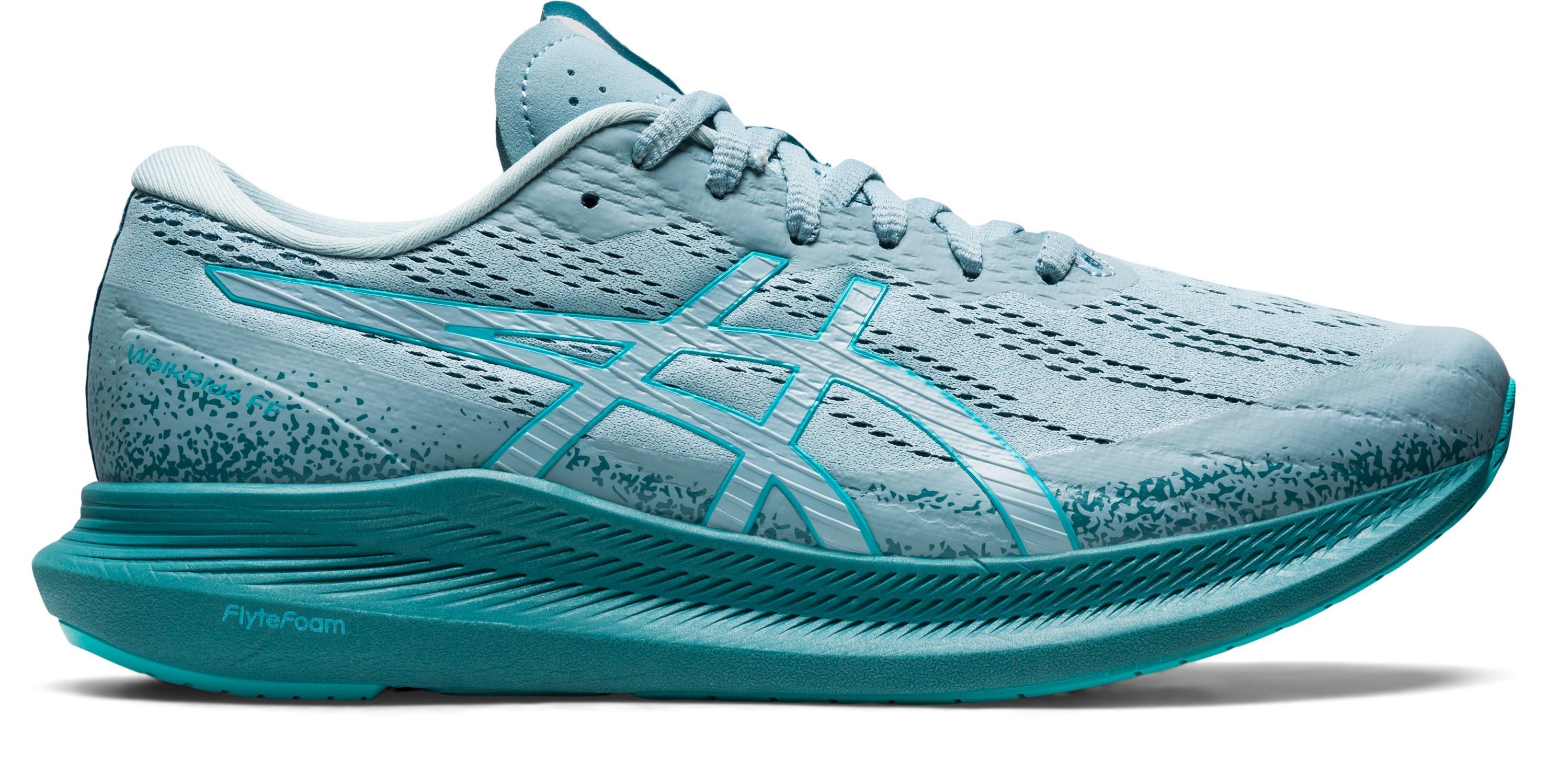
The market for walking shoes is vast, but several brands consistently receive accolades from foot care professionals. Brands like Brooks, ASICS, New Balance, HOKA, and Saucony are frequently at the top of lists for podiatrist recommended walking shoes. Brooks’ Adrenaline GTS series, for instance, is celebrated for its GuideRails support system, which focuses on keeping excess knee movement in check without over-correcting the foot. ASICS, with its deep roots in biomechanics, incorporates GEL cushioning units in the rearfoot and forefoot to attenuate shock during impact and toe-off phases. HOKA ONE ONE, known for its maximalist cushioning, offers models like the Bondi that provide exceptional softness while maintaining a stable, wide base—a combination particularly beneficial for those with joint sensitivities or who stand for long periods. New Balance excels in offering a wide range of widths, ensuring a truly precise fit, which podiatrists agree is paramount. The process of choosing your ideal pair should begin with an understanding of your foot type and gait. Many specialty running stores offer free gait analysis. Alternatively, you can perform a simple “wet test” at home to see your arch imprint. Combine this knowledge with your primary activity (e.g., pavement walking, treadmill use, or light trail walking) and any specific foot concerns. Remember, the most technologically advanced shoe is ineffective if it doesn’t fit correctly. There should be about a thumb’s width of space between your longest toe and the end of the shoe, and the widest part of your foot should align comfortably with the widest part of the shoe’s sole.
Beyond the Shoes: Complementary Practices for Foot Health
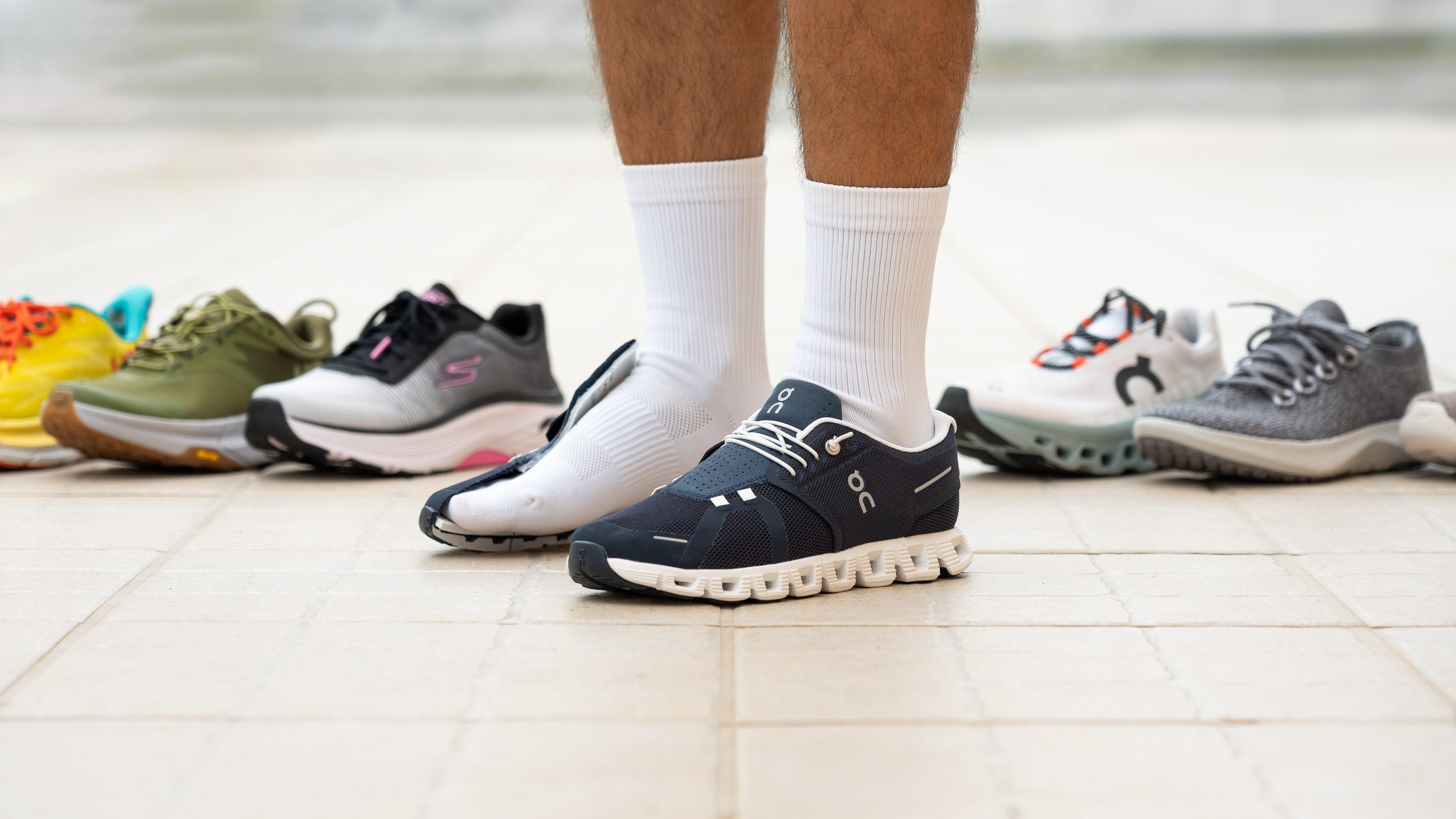
While selecting the right podiatrist recommended walking shoes is a cornerstone of foot care, it is part of a holistic approach. Incorporating foot-strengthening exercises, such as toe curls, marble pickups, and calf stretches, can build resilience and stability. Regularly replacing your shoes is also critical; the cushioning and support materials break down over time, typically every 300-500 miles or every 6-12 months for daily use, even if the upper still looks new. Furthermore, the use of moisture-wicking socks, preferably with seamless toes, can prevent blisters and fungal infections. For those with significant biomechanical issues, a consultation with a podiatrist may lead to custom orthotics, which are medical devices crafted from a 3D mold or scan of your feet to provide precise correction and support that off-the-shelf insoles cannot match. This comprehensive strategy—proper shoes, mindful replacement, supportive socks, and targeted exercises—creates a synergistic effect, maximizing comfort and minimizing injury risk. It transforms walking from a potentially taxing activity into a sustainable, joyful, and health-promoting habit.
Investing in Your Foundation: The Path to Effortless Mobility
The journey to finding the perfect walking shoe is an investment in your most fundamental mode of transportation. It is a decision that reverberates through your entire kinetic chain, influencing your comfort, energy levels, and long-term joint health. By prioritizing the principles embodied in podiatrist recommended walking shoes—superior arch support, a secure heel counter, a roomy toe box, and balanced cushioning—you are not just buying footwear; you are choosing a partner for your daily movement. This choice is backed by the collective wisdom of podiatric science, biomechanical research, and the lived experiences of countless individuals who have reclaimed pain-free mobility. As you step forward, let your shoes be a testament to the care you have for your body’s foundation, ensuring every journey, whether a quick errand or a lengthy exploration, is undertaken with unwavering comfort and steadfast support.
