

Discover the Top Podiatrist Recommended Walking Shoes for Ultimate Comfort and Support
Every step you take is a conversation between your body and the ground. For those who walk for fitness, commute, or simply enjoy the rhythm of a daily stroll, that conversation should be one of harmony, not hardship. The wrong footwear can turn this simple, fundamental activity into a source of pain, leading to issues from blisters to plantar fasciitis. This is where the expertise of a podiatrist becomes invaluable. A podiatrist recommended walking shoe is not merely a marketing term; it is a product vetted against clinical understanding of biomechanics, gait analysis, and foot pathology. This article distills that professional insight, guiding you toward footwear engineered for true comfort and structural support, blending objective science with practical advice to help you invest in your foundation.
The Science of the Stride: Why Podiatrist Endorsement Matters
To understand the value of a podiatrist recommended walking shoe, one must first appreciate the complexity of walking. Gait cycle analysis, a cornerstone of podiatric medicine, breaks down walking into phases: heel strike, mid-stance, and toe-off. Each phase places unique stresses on the bones, ligaments, and tendons of the foot and ankle. According to literature from the Gait Analysis Laboratory at Stanford University, improper foot mechanics during these phases can lead to a cascade of issues, including knee pain, hip misalignment, and lower back stress. Podiatrists, as doctors of podiatric medicine (DPM), are trained to diagnose and treat these conditions. Their recommendations, therefore, are rooted in preventing or alleviating such problems. A statement from the American Podiatric Medical Association (APMA) underscores this, noting that shoes bearing their Seal of Acceptance have been evaluated by a committee of podiatrists and found to promote good foot health. This scientific and clinical foundation transforms a shoe from a fashion accessory into a vital piece of functional equipment, designed to work in concert with the body’s natural, yet often imperfect, mechanics.
:max_bytes(150000):strip_icc()/tal-10-podiatrist-approved-open-toed-shoes-tout-00bd6ff1c36a49cdbbff486b0b54fb27.jpg)
Architectural Support: The Non-Negotiable Pillars of a Great Walking Shoe
When podiatrists evaluate footwear, they scrutinize specific architectural features that directly impact foot health. The first is arch support. The foot’s arch acts as a natural shock absorber. For individuals with flat feet (pes planus) or high arches (pes cavus), this mechanism is compromised. A well-designed walking shoe provides contoured, firm arch support to maintain the foot’s proper alignment, preventing overpronation or supination. The second pillar is heel counter rigidity. The heel counter is the firm cup at the back of the shoe that cradles the calcaneus (heel bone). A study cited in the Journal of Foot and Ankle Research found that a rigid heel counter significantly improves stability, reducing lateral motion and controlling rearfoot movement. Third is toe box geometry. As noted by renowned sports medicine podiatrist Dr. Ray McClanahan in a widely-shared YouTube lecture, conventional pointed toe boxes crowd the forefoot, leading to bunions and hammertoes. A podiatrist recommended walking shoe will typically feature a wide, foot-shaped toe box to allow natural toe splay and engagement during push-off. Finally, the midsole material and rocker design are critical. Materials like EVA foam or proprietary compounds like Brooks’ DNA LOFT provide cushioning that attenuates impact forces, while a slight rocker sole facilitates a smoother transition from heel to toe, reducing strain on the Achilles tendon and plantar fascia.

Material Matters: Breathability, Durability, and Sustainable Comfort
Beyond structure, the materials composing a walking shoe dictate its long-term performance and comfort. Breathability is paramount. A foot can release over a half-pint of moisture per day. Shoes constructed with engineered mesh uppers, like those found in many HOKA or New Balance models, promote airflow, keeping feet dry and reducing the risk of fungal infections. Durability, often measured in outsole rubber composition, is another key consideration. Carbon rubber, commonly used in high-wear areas, offers superior abrasion resistance compared to blown rubber, which is lighter but less durable. This insight is frequently highlighted in wear-test analyses from authoritative sites like Runner’s World. Furthermore, the internal lining should be seamless or have flat seams to prevent friction points that cause blisters. The perspective from sustainable footwear advocates, such as those cited in The Guardian’s environmental section, also brings attention to material sourcing. An increasing number of brands are incorporating recycled polyester and responsibly sourced rubber, aligning foot health with planetary health. When you choose a podiatrist recommended walking shoe, you are often selecting a product where these material choices have been considered not just for immediate comfort, but for the shoe’s entire lifecycle and its interaction with your skin and environment.
From Clinic to Pavement: Top Categories of Podiatrist-Approved Footwear
Podiatric recommendations are not one-size-fits-all; they are tailored to different foot types and activities. The market for supportive walking shoes can be broadly segmented. First, Maximum Cushion Shoes (e.g., HOKA Bondi, Brooks Glycerin) are often suggested for those with arthritic conditions, heel pain, or who walk primarily on hard surfaces. Their thick, soft midsoles excel at shock absorption. Second, Stability Walking Shoes (e.g., ASICS GT-1000, Saucony Guide) feature medial posts or dual-density foam to correct for overpronation, a common gait irregularity where the ankle rolls inward excessively. Third, Motion Control Shoes are a more rigid subset of stability shoes, designed for severe overpronators or individuals with very flat feet. Brands like Brooks with their Adrenaline GTS line are frequently mentioned in this category. Finally, Zero-Drop or Minimalist Shoes (e.g., Altra, certain models from Topo Athletic) have gained a niche following. Promoted by advocates like author Christopher McDougall in Born to Run, these shoes encourage a more natural foot strike. However, podiatrists often caution that a transition to minimalist footwear must be gradual to avoid injury, and they are not suitable for everyone. The common thread across all categories is the endorsement based on biomechanical principles.
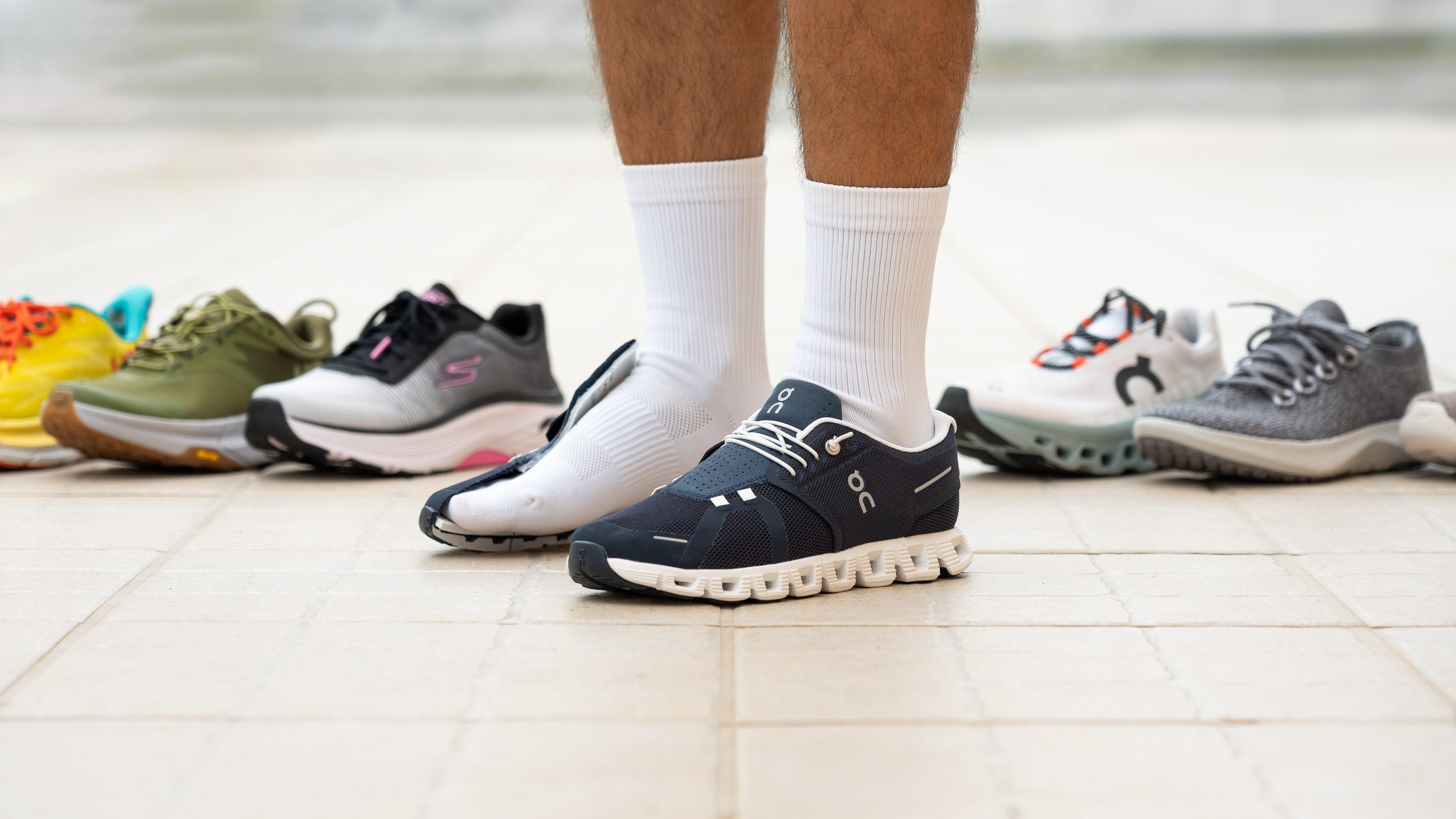
Investing in Your Foundation: The Long-Term Value of Proper Footwear
It is a profound economic and health calculus: the cost of a premium pair of podiatrist recommended walking shoes versus the potential cost of chronic foot care. Consider plantar fasciitis, one of the most common causes of heel pain. Treatment can span months, involving physical therapy, orthotics, night splints, and possibly injections or surgery. The financial and personal toll is significant. A quality walking shoe, acting as preventive medicine, can help avoid this path. The value proposition extends beyond injury prevention. Superior comfort enables longer, more frequent walks, amplifying the cardiovascular, mental, and metabolic benefits of the exercise. As fitness expert Joe Holder often states on his social platforms, “You can’t train effectively if your foundation is in pain.” Furthermore, the durability of well-constructed shoes means they provide consistent support over more miles before breaking down, offering a better cost-per-wear ratio. While the initial outlay for a pair like the New Balance 990v5 or a HOKA Arahi may be higher, their design integrity and material quality justify the investment, making them not an expense, but a strategic investment in your mobility and well-being.
Making the Informed Choice: A Practical Fitting and Purchasing Guide
Knowledge of features is useless without proper application. Here is a practical guide to selecting your ideal pair. First, get professionally fitted in the afternoon. Feet swell throughout the day, and a shoe fitted in the morning may become tight. Many specialty running stores offer free gait analysis, a service rooted in podiatric science. Second, prioritize fit over size number. Sizes vary wildly between brands. There should be about a thumb’s width of space between your longest toe and the end of the shoe. The width should secure your foot without pinching. Third, bring your own socks and any orthotics you use. This ensures an accurate fit. Fourth, walk extensively on different surfaces in the store if possible. Feel for any pressure points or slippage. Remember the words of legendary shoe designer Bill Bowerman: “The human foot is a work of art and a masterpiece of engineering.” Your shoe should honor that. Finally, be a savvy shopper. While we bring you professional knowledge, we also recognize the importance of value. End-of-season sales, manufacturer refurbishment programs (like Brooks’ Run Happy Promise), and reputable online retailers often offer significant discounts on last season’s high-quality models, making top-tier podiatrist recommended walking shoes more accessible.
:max_bytes(150000):strip_icc()/shp-best-brooks-walking-shoes-tout-f67df3ab5afa4c08a24a63ae6dca3444.jpg)
Your journey on foot is one of your most fundamental journeys. It should be defined by freedom, exploration, and vitality, not compromised by discomfort or injury. The selection of your walking shoes is a critical decision that resonates through every joint in your kinetic chain. By seeking out and understanding the principles behind podiatrist recommended walking shoes, you move from being a passive consumer to an active participant in your own foot health. You are choosing footwear backed by clinical insight, engineered for physiological harmony, and designed to support every step of your path forward. Let your shoes be the silent, steadfast partners that enable your movement, protect your foundation, and elevate your daily walk from a mundane task to a sustained pleasure.
