

The Ultimate Guide to Podiatrist-Approved Walking Shoes for Everyday Support
Your feet are your foundation. Every step you take sends a shockwave through your body, a force that must be managed, absorbed, and distributed. When this foundation is poorly supported, the consequences ripple upwards—aching knees, tight hips, a sore lower back. The single most effective tool you have to prevent this cascade of discomfort is not a prescription or a therapy session; it’s the shoes you choose to wear every day. This guide cuts through marketing hype to deliver a scientifically-backed, podiatrist-endorsed blueprint for selecting walking shoes that offer genuine, everyday support. We’re moving beyond fleeting trends to the core principles of biomechanics, material science, and professional foot health, bringing you the knowledge to make an investment in your long-term mobility and comfort.
The Non-Negotiable Science of Foot Biomechanics and Support
To understand why a podiatrist recommended walking shoe is paramount, we must first delve into the marvel of engineering that is the human foot. Comprising 26 bones, 33 joints, and over 100 muscles, tendons, and ligaments, the foot is designed to perform two primary, conflicting functions: to be a rigid lever for propulsion and a flexible shock absorber for impact. During the gait cycle—the sequence of heel strike, midfoot stance, and toe-off—your foot pronates (rolls inward) to absorb shock and then supinates (rolls outward) to become a rigid lever for push-off. Problems arise when this motion is excessive or insufficient. As noted in biomechanics literature from institutions like the University of Calgary’s Human Performance Lab, overpronation can lead to plantar fasciitis and shin splints, while underpronation (supination) transmits excessive force to the outer leg and knee. A proper walking shoe acts as an external modulator of this cycle. It doesn’t just cushion; it guides. The arch support counteracts overpronation, the heel counter stabilizes the rearfoot, and the flex grooves facilitate the natural rocker motion. Ignoring these mechanics for the sake of style or a low price is, as many podiatrists state, a short-term saving for a long-term cost in medical bills and pain.
Decoding the Anatomy of a Podiatrist-Recommended Shoe
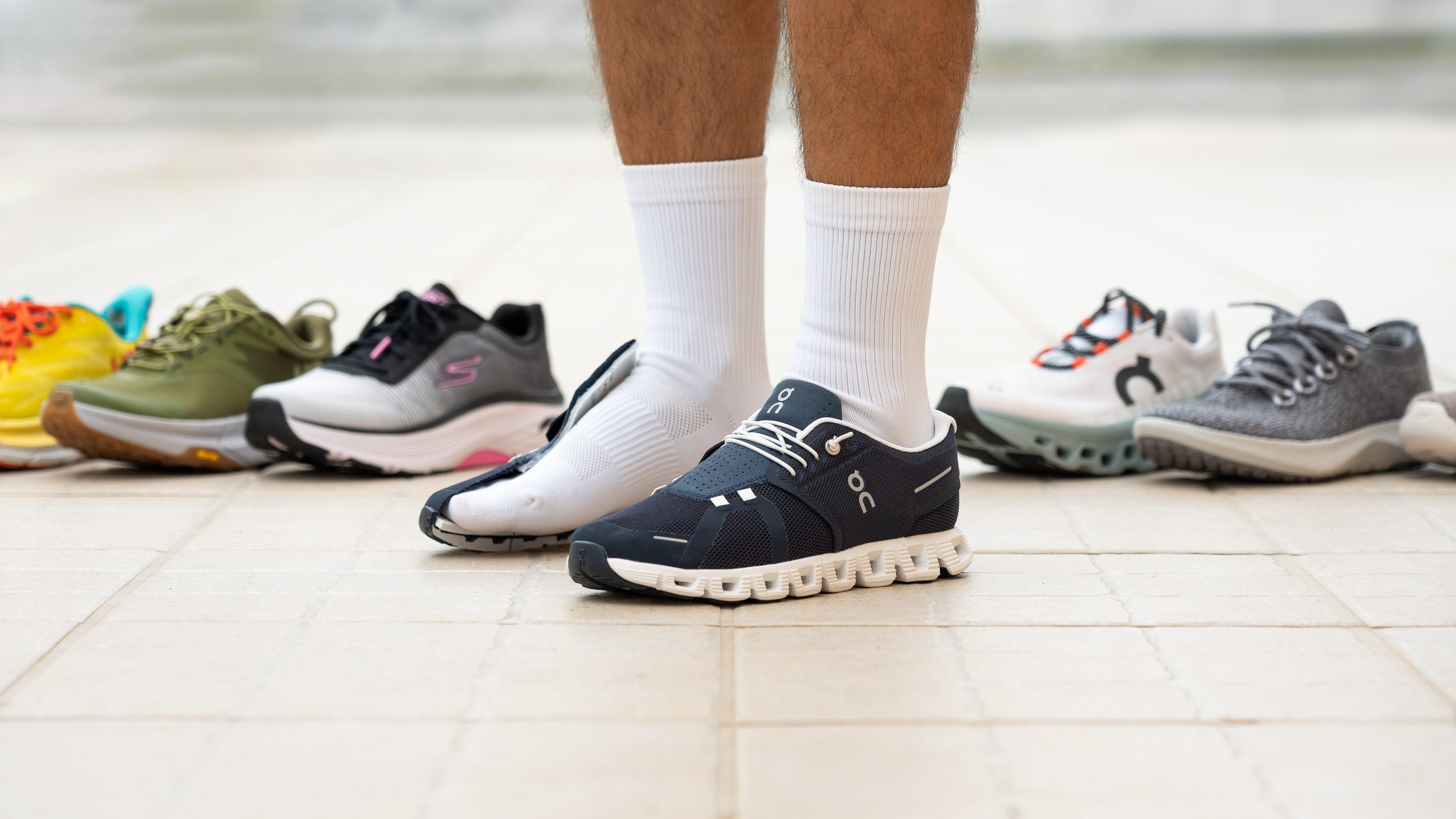
Let’s dissect the components that transform an ordinary sneaker into a podiatrist recommended walking shoe. First, the upper: it should be constructed from breathable, flexible materials like engineered mesh or premium leather that conforms without constricting, preventing blisters and hot spots. The toe box is critical—it must be deep and wide enough to allow your toes to splay naturally upon impact, a principle championed by both podiatrists and the growing barefoot/minimalist shoe movement (though they diverge on other points). The midsole is the heart of support. This is where advanced materials like dual-density EVA, polyurethane, or proprietary gels (like ASICS’ GEL or Brooks’ DNA LOFT) come into play. These aren’t just marketing terms; they represent specific polymer compounds with defined compression and rebound rates. A firmer medial (inner) post is often embedded to control pronation. The outsole’s rubber compound and tread pattern determine durability and traction, while the heel-to-toe drop (or offset) influences Achilles tendon load and stride mechanics. A common recommendation from foot health professionals on platforms like Quora and YouTube is a drop between 6mm to 10mm for most walkers, as it offers a balance of cushioning and natural foot positioning.
Material Matters: From EVA to Carbon Fiber Plates
The evolution of midsole materials is a direct response to biomechanical research. Traditional Ethylene-Vinyl Acetate (EVA) foam provides good cushioning but can compress and lose resilience over time. This is why many top-tier podiatrist recommended walking shoes now utilize compressed or super-critical EVA foams (like Adidas’ Boost or Saucony’s PWRRUN+), which offer greater energy return and longevity. For those seeking maximum stability, polyurethane is denser and more supportive, though often slightly heavier. The recent introduction of thermoplastic urethane (TPU) foams and even carbon fiber plates in some performance walking models marks a shift towards propulsion efficiency. While carbon plates are famous in racing shoes, their application in stability-focused shoes is nuanced; they can help create a smoother transition but must be carefully integrated to not overpower the foot’s natural mechanics. The choice of material is not about what’s “best” in absolute terms, but what’s best for your individual gait, weight, and mileage—a point emphasized by podiatrists in interviews with health publications like Shape and Prevention.
:max_bytes(150000):strip_icc()/shp-best-brooks-walking-shoes-tout-f67df3ab5afa4c08a24a63ae6dca3444.jpg)
Myth-Busting: Comfort Does Not Equal Support
A pervasive and dangerous myth is that a shoe that feels comfortable in the store is automatically supportive. This is a catastrophic conflation. A plush, memory foam insole might feel like a cloud for the two minutes you stand on a flat, store carpet. However, true support is dynamic—it’s about how the shoe performs over 10,000 steps on varied terrain, under the full load of your body weight in motion. A shoe can be incredibly soft yet lack any meaningful arch support or heel counter, allowing your foot to collapse inward with every step. This is why podiatrists consistently warn against choosing shoes based on “squishiness” alone. The American Podiatric Medical Association (APMA) grants its Seal of Acceptance to products that have been scientifically evaluated and found to promote good foot health—a seal worth looking for. Support is structural, often involving firmer materials in key areas. It’s the difference between resting on a soft pillow (which offers no spinal alignment) and a properly adjusted ergonomic chair. When you seek out podiatrist recommended walking shoes, you are seeking that ergonomic design for your feet.
Navigating the Market: How to Select Your Perfect Pair
The process of selecting the right shoe is a personal diagnostic journey. Start by understanding your foot type. The classic “wet test”—where you wet your foot and step on a paper bag or dark tile—can reveal your arch type (low, neutral, or high). However, for a more accurate assessment, many running specialty stores and podiatry clinics offer gait analysis using pressure plates or video. This analysis reveals your dynamic pronation pattern, which is more telling than a static footprint. Next, consider your walking environment. Are you primarily on pavement, treadmill, or trails? A road walking shoe prioritizes cushioning and flexibility, while a trail shoe will have a more aggressive lug pattern and often a rock plate for protection. Finally, timing is everything. Shop for shoes in the late afternoon or evening, as feet naturally swell throughout the day. Always bring the socks you intend to wear and ensure there’s a thumb’s width of space between your longest toe and the end of the shoe. The goal is a secure, stable fit in the heel and midfoot with room for toe movement.
:max_bytes(150000):strip_icc()/tal-roundup-podiatrist-loved-shoes-on-sale-tout-bdbf5721fa5642efa38b61f6a5b4ff34.jpg)
Investing in Longevity: When to Replace Your Walking Shoes
A critical, often overlooked aspect of foot support is shoe lifespan. The supportive structures and cushioning materials degrade with use, not just with visible wear. The general rule of thumb from sports medicine professionals is to replace walking shoes every 300 to 500 miles. For the average person walking 5 miles a day, that’s every 2 to 3 months. Signs of breakdown include compressed midsoles that no longer bounce back, creasing in the foam, worn-out tread patterns (especially on the heel or ball of the foot), and a feeling that the shoe has become less stable or comfortable. Wearing shoes past their functional prime is akin to driving a car with worn-out shock absorbers; the ride becomes harsh and damaging to the chassis—in this case, your joints. Rotating between two pairs can extend the life of each by allowing the midsole foam to fully decompress between uses, making the investment in quality podiatrist recommended walking shoes more economical over time.
Beyond the Shoe: Integrative Practices for Foot Health
While the right shoe is the cornerstone, a holistic approach to foot health incorporates complementary practices. Targeted foot and ankle strengthening exercises, such as toe curls, calf raises, and resistance band work, can build the intrinsic muscles that act as your body’s natural arch support. Flexibility work, like rolling your foot on a frozen water bottle or a firm ball, can alleviate plantar fascia tension. Furthermore, consider your insoles. While many high-quality walking shoes come with excellent built-in orthotic beds, some individuals with specific conditions (like severe overpronation or a leg length discrepancy) may benefit from custom orthotics prescribed by a podiatrist. These are medical devices that precisely correct biomechanical abnormalities. The synergy between a well-chosen shoe and these supportive practices creates a robust system for lifelong mobility. As the renowned podiatrist Dr. William Rossi once noted in his writings on footwear, “Shoes are the environment in which we place our feet. We must ensure that environment is a therapeutic one.”

The journey to pain-free walking and lasting foot health is not found in a magic bullet or a single brand name. It is built on the informed application of biomechanical principles. By prioritizing structural support over superficial comfort, understanding the language of shoe construction, and committing to a holistic care routine, you empower yourself to move through the world with confidence and ease. The right pair of podiatrist recommended walking shoes is not merely an accessory; it is the most practical, daily form of preventative healthcare you can provide for your body’s foundation. Your next step should be a supported one.
