

Discover the Best Podiatrist Recommended Walking Shoes for All-Day Comfort
Your feet are your foundation, and the shoes you choose can either support that foundation or undermine it with every step. For anyone who spends a significant portion of their day on their feet—whether you’re a healthcare professional, a teacher, a retail worker, or simply someone who enjoys long, exploratory walks—the quest for the perfect walking shoe is not merely about style; it’s a critical investment in your long-term musculoskeletal health. The market is flooded with options, each claiming to be the most comfortable or supportive, but how do you cut through the noise? The answer lies in seeking out podiatrist recommended walking shoes. These are footwear options that have been vetted by foot and ankle specialists—podiatrists—who understand the intricate biomechanics of the human foot. This article will guide you through the science of foot health, the non-negotiable features of a superior walking shoe, and provide concrete, expert-backed recommendations to ensure your all-day comfort is built on a solid, scientifically-sound foundation.
The Science of the Stride: Why Your Feet Deserve Expert Attention
Walking is a complex, repetitive motion that involves a precise sequence of heel strike, foot flat, mid-stance, heel-off, and toe-off. This gait cycle, when functioning optimally, distributes impact forces efficiently. However, improper footwear can disrupt this cycle, leading to a cascade of issues not just in the feet, but in the ankles, knees, hips, and lower back. According to biomechanics literature from institutions like the University of Delaware’s Running Science Laboratory, the foot’s arch acts as a natural shock absorber. When this arch is unsupported or forced into an unnatural position, its ability to dissipate force is compromised. Podiatrists, as medical doctors specializing in this very area, diagnose and treat these disorders daily. Their recommendations, therefore, are not based on fleeting trends but on clinical evidence of what structures—adequate arch support, a firm heel counter, appropriate toe box space—prevent common ailments like plantar fasciitis, metatarsalgia, and Achilles tendinitis. When you choose a pair of podiatrist recommended walking shoes, you are effectively outsourcing your footwear due diligence to a medical professional whose primary goal is to preserve your mobility and comfort.
:max_bytes(150000):strip_icc()/favorite-walking-shoes-round-up-november-2024-458c3fc0c6844adca7c0a34ebc5cfb9b.jpg)
Arch Support: The Non-Negotiable Pillar of Foot Health
Perhaps the most frequently cited feature by foot specialists is substantial, well-contoured arch support. The arch of your foot is not a static bridge; it’s a dynamic, spring-like structure. Its health is paramount. A viewpoint widely shared on platforms like Quora by orthopedic specialists and echoed in resources from the American Podiatric Medical Association (APMA) is that overpronation (excessive inward rolling of the foot) or supination (outward rolling) often stems from inadequate arch support. This misalignment doesn’t stop at the ankle. Think of it like a tower of blocks: if the base block is tilted, every block above it must compensate. Similarly, knee pain, IT band syndrome, and even hip bursitis can originate from the feet. A true podiatrist recommended walking shoe will have a built-in medial post or a sculpted footbed that cradles the arch, maintaining neutral alignment from the ground up. This isn’t about a soft cushion; it’s about intelligent, structural reinforcement. Brands that often receive the APMA Seal of Acceptance, for instance, rigorously test their shoes for this exact quality, ensuring they promote normal foot function and lessen the risk of strain.
Heel Counter and Toe Box: The Guardians of Stability and Freedom
While arch support manages motion from side-to-side, stability in the forward-and-back plane is governed by the heel counter—the firm cup at the back of the shoe that cradles your heel. A study cited in the Journal of Foot and Ankle Research emphasizes that a rigid heel counter reduces calcaneal (heel bone) eversion, a key factor in overpronation. It locks the heel in place, providing a stable platform for the rest of the foot to move from. Conversely, the front of the shoe must offer the opposite: space and flexibility. The toe box must be wide and deep enough to allow your toes to splay naturally upon weight-bearing. As noted by renowned biomechanist Katy Bowman in her book “Whole Body Barefoot,” cramped toes can lead to neuromas, bunions, and hammertoes. A proper walking shoe respects the natural anatomy of the forefoot. Therefore, when evaluating options, press on the back of the shoe—it should resist collapse—and ensure there’s about a thumb’s width of space between your longest toe and the shoe’s end. This combination of a firm heel and a roomy toe box is a hallmark of thoughtfully designed, podiatrist recommended walking shoes.

Materials and Construction: Where Durability Meets Breathability
The structural philosophy of a shoe is only as good as the materials that bring it to life. A podiatrist looks beyond marketing claims to the tangible components. The upper material, for example, should be a breathable mesh to manage moisture and temperature, reducing the risk of fungal infections. However, breathability must not come at the cost of structure. Synthetic overlays are often strategically woven into the mesh to provide targeted reinforcement without adding bulk. The midsole, the heart of cushioning and support, is typically made from advanced polymers like EVA (ethylene-vinyl acetate) or polyurethane. EVA is lighter and provides excellent shock absorption, though it may compress over time. Polyurethane is denser and offers greater durability and stability for heavier individuals or longer mileage. The outsole requires a rubber compound with a strategic tread pattern for grip without excessive weight. As highlighted in reviews from authoritative sources like Runner’s World and Verywell Fit, the best podiatrist recommended walking shoes strike a meticulous balance, using each material where its properties are most beneficial, ensuring the shoe remains protective, comfortable, and functional for its entire lifespan.
Cushioning vs. Support: Understanding the Critical Difference
A common point of confusion for consumers is the conflation of cushioning with support. They are related but distinct concepts. Cushioning refers to the shoe’s ability to attenuate ground reaction forces—the “squishiness” that makes each step feel soft. Support refers to the shoe’s ability to guide the foot and control its motion—the “structure” that prevents excessive or harmful movement. You can have a shoe with plush cushioning but poor support, which can be dangerously unstable. Conversely, a shoe with firm support but inadequate cushioning can feel harsh. The ideal walking shoe harmonizes both. Dr. Jacqueline Sutera, a prominent New York City podiatrist, often explains in media interviews that for all-day wear, you need “stable cushioning.” This means a midsole that is soft enough to be comfortable over hours but firm and contoured enough to prevent the foot from collapsing inward. This nuanced understanding is what separates generic comfortable sneakers from true podiatrist recommended walking shoes. The latter are engineered with specific densities of foam in different zones—softer in the heel for impact, firmer under the arch for control—to achieve this dual purpose.
Bringing Professional Knowledge and Value to Your Doorstep
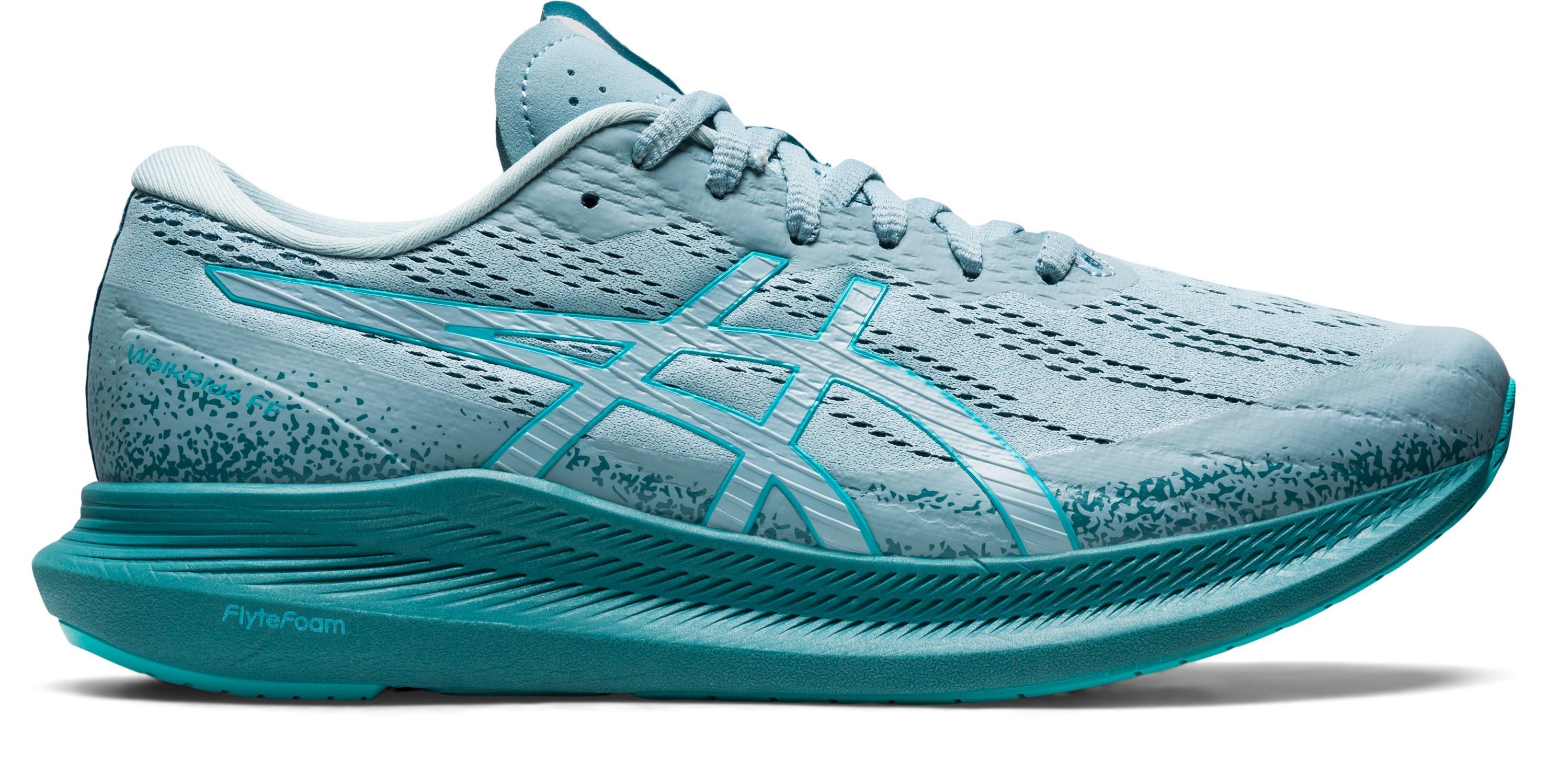
Armed with this knowledge, you are now equipped to make an informed decision. But knowledge is most powerful when paired with access. The good news is that professional-grade foot health does not always command a premium price, especially if you know where and when to shop. Many of the top brands endorsed by podiatrists—such as Brooks, ASICS, New Balance, HOKA, and Saucony—frequently offer discounts on previous models, holiday sales, and special promotions through their official websites and authorized retailers. For instance, the Brooks Addiction Walker, a perennial favorite in clinical settings for its exceptional support, can often be found at a significant discount when a new version is released. The same applies to the ASICS Gel-Tech Neo and the New Balance 928. The key is to prioritize the fit and features discussed above over the latest colorway. Investing in a previous-season model of a verified podiatrist recommended walking shoe is a savvy way to acquire cutting-edge biomechanical technology at a fraction of the original cost, bringing unparalleled comfort and health benefits within reach.
A Step in the Right Direction: Your Path to All-Day Comfort Begins Now
The journey to pain-free, energized walking is not a mystery. It is a path paved with evidence-based design and clinical insight. By prioritizing the hallmarks of podiatrist-approved footwear—rigorous arch support, a secure heel counter, a spacious toe box, and a balanced blend of cushioning and stability—you are doing more than buying shoes; you are investing in the long-term wellness of your entire kinetic chain. Remember, your feet carry you through every journey of your life. They deserve the best possible partnership. Start by visiting a specialty store for a professional fitting, reference the APMA’s list of accepted products, and look for the sales on the proven performers. When you lace up a pair of genuine podiatrist recommended walking shoes, you will feel the difference immediately: not as a dramatic sensation, but as a profound, all-day absence of fatigue and strain. That feeling is the foundation of an active, vibrant life, one comfortable step at a time.
:max_bytes(150000):strip_icc()/shp-best-brooks-walking-shoes-tout-f67df3ab5afa4c08a24a63ae6dca3444.jpg)
