

Discover the Best Podiatrist Recommended Walking Shoes for All-Day Comfort
Your feet are your foundation, and the shoes you choose can either support that foundation or undermine it entirely. For anyone who spends significant time on their feet—whether navigating city streets, exploring nature trails, or managing the demands of a busy workday—the quest for true comfort is paramount. This isn’t merely about avoiding blisters; it’s about preventing chronic pain, promoting proper alignment, and enhancing overall well-being. The most reliable guide in this quest is not a flashy advertisement or fleeting trend, but the professional, clinical advice of podiatrists. These foot health experts see the direct consequences of poor footwear daily, from plantar fasciitis to neuromas and beyond. Their recommendations, therefore, are born from a deep understanding of biomechanics and pathology. This article delves into the science and specifics behind podiatrist recommended walking shoes, moving beyond marketing claims to uncover the features that genuinely deliver all-day comfort and long-term foot health. We will explore the anatomical principles at play, decode essential shoe technologies, and examine models that consistently earn professional endorsements, empowering you to make an informed investment in your mobility.
The Foundation of Foot Health: Why Podiatrist Endorsement Matters
To understand the value of a podiatrist recommended walking shoe, one must first appreciate the complex engineering of the human foot. It is a marvel of biomechanics, comprising 26 bones, 33 joints, and over 100 muscles, tendons, and ligaments. This structure must simultaneously provide stability, absorb shock, and propel us forward with each step. Podiatrists, as doctors of podiatric medicine (DPM), are trained to diagnose and treat conditions affecting this intricate system. Their recommendations are not based on style but on a shoe’s ability to maintain the foot’s natural function and mitigate stress. For instance, the American Podiatric Medical Association (APMA) grants its Seal of Acceptance to products that promote good foot health, a significant credential for any footwear. Dr. Jacqueline Sutera, a renowned New York City podiatrist, often emphasizes in media interviews that “a good shoe should do the work so your feet don’t have to.” This principle is central to their advice. When a podiatrist suggests a shoe, they are evaluating its heel counter stiffness for rearfoot stability, its midsole composition for cushioning and energy return, its toe box dimensions to allow natural splay, and its overall flexibility at the appropriate joints. They consider gait cycles, pressure distribution, and material breathability. This holistic, scientific approach stands in stark contrast to choosing shoes based on aesthetics alone, a practice that, according to literature from institutions like the University of Pittsburgh School of Medicine, can lead to a host of issues including bunions, hammertoes, and chronic knee or back pain. Therefore, seeking out podiatrist recommended walking shoes is a proactive step in preventive care, aligning your daily wear with the principles of orthopedic science.
:max_bytes(150000):strip_icc()/tal-roundup-podiatrist-loved-shoes-on-sale-tout-bdbf5721fa5642efa38b61f6a5b4ff34.jpg)
Decoding the Anatomy of an Ideal Walking Shoe
What specific elements transform an ordinary sneaker into a podiatrist-approved powerhouse for all-day comfort? The answer lies in a combination of non-negotiable features that work in concert. First, consider the heel counter. This is the firm cup at the back of the shoe that cradles the heel bone (calcaneus). A robust, rigid heel counter is crucial for controlling excessive pronation or supination—the inward or outward rolling of the foot during gait. As noted on educational platforms like Wikipedia, uncontrolled motion can strain the plantar fascia and Achilles tendon. Second, the midsole is the heart of cushioning and support. Materials like ethylene-vinyl acetate (EVA) or polyurethane provide shock absorption, while technologies like contoured footbeds or medial posts offer arch support. Dr. Miguel Cunha, founder of Gotham Footcare, often highlights in online Q&A sessions that proper arch support distributes weight evenly, reducing fatigue. Third, the toe box must be wide and deep enough to allow toes to lie flat and spread naturally upon weight-bearing, preventing compression and friction. Fourth, rocker soles are a feature frequently endorsed by podiatrists for those with conditions like arthritis or plantar fasciitis. This curved geometry, as explained in literature from the Harvard Medical School, reduces the effort required to roll from heel to toe, decreasing stress on the forefoot and Achilles. Finally, breathable uppers made from mesh or knit materials manage moisture and temperature, reducing the risk of fungal infections. A true podiatrist recommended walking shoe integrates all these elements without compromise, creating a symbiotic environment where the shoe supports the foot’s natural mechanics rather than forcing it to conform to a flawed design.

Top Contenders: Brands and Models That Earn Professional Praise
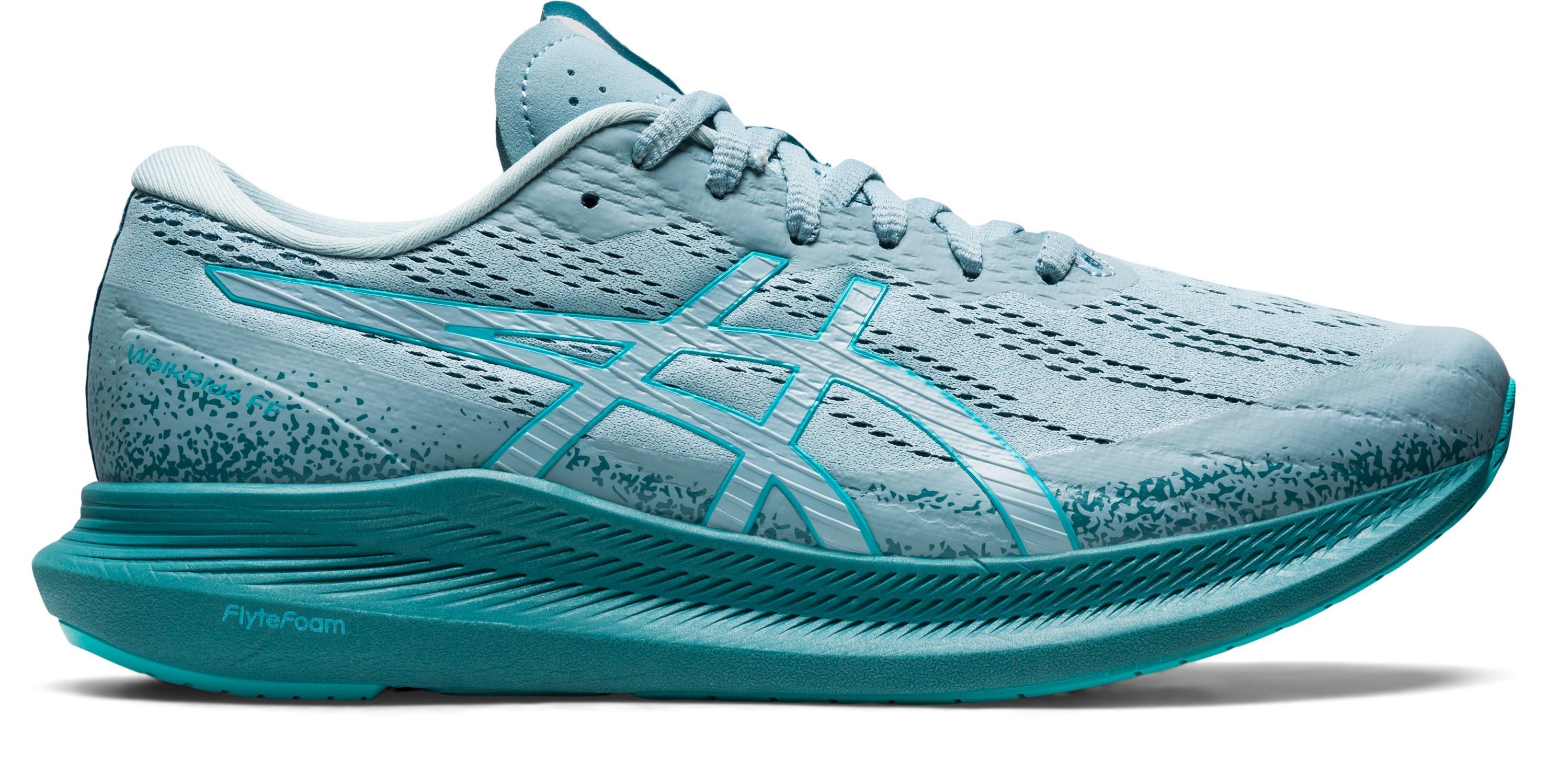
While individual foot needs vary, certain brands and models consistently appear on podiatrists’ shortlists due to their commitment to biomechanical principles. Brands like ASICS, Brooks, New Balance, HOKA ONE ONE, and Saucony are frequently cited for their research-driven designs. For instance, the ASICS Gel-Nimbus or Gel-Kayano series are often praised for their FluidRide midsole and Guidance Line technology, which promotes a more efficient gait cycle. The HOKA ONE ONE Bondi series, with its maximalist cushioning and meta-rocker geometry, is a frequent recommendation for those requiring exceptional shock absorption, a point echoed by many sports medicine specialists on platforms like YouTube. New Balance, particularly models with their Fresh Foam or ROLLBAR stability technology, is lauded for offering a wide range of widths, a critical factor for proper fit that many podiatrists, including Dr. Suzanne Levine, emphasize as being as important as the shoe’s features themselves. It’s worth noting that some models from Skechers with specific memory foam and stability features have also received the APMA Seal. The common thread among all these podiatrist recommended walking shoes is a focus on evidence-based design. They invest in laboratories that study pressure mapping and motion capture, translating data into features that address real-world biomechanical challenges. When selecting from these top contenders, the key is to match the shoe’s primary function—be it neutral cushioning, stability, or motion control—with your specific gait and foot type, a determination best made with the help of a gait analysis, often available at specialty running stores or a podiatrist’s office.
Beyond the Shoe: The Synergy of Socks, Inserts, and Gait
Even the best podiatrist recommended walking shoe cannot work in isolation. Its performance is synergistically enhanced by complementary elements. High-quality socks are the first layer of defense. Podiatrists often recommend seamless, moisture-wicking socks made from merino wool or synthetic blends to minimize friction and keep feet dry, thereby preventing blisters and maceration. The choice between using the shoe’s stock insole or a custom orthotic is another critical consideration. While many high-quality walking shoes come with excellent removable insoles, individuals with specific conditions like flat feet (pes planus), high arches (pes cavus), or diabetic neuropathy may require custom orthotics prescribed by a podiatrist. These medical-grade devices are crafted from precise impressions of your feet to correct alignment and redistribute pressure. Furthermore, your walking gait itself plays a monumental role. As the famous running author and coach Dr. Nicholas Romanov posited in his Pose Method theory, efficient movement begins with posture and technique. While walking is less intense than running, being mindful of striking with the heel and rolling smoothly through the foot can reduce impact. A podiatrist can analyze your gait and recommend exercises to strengthen intrinsic foot muscles and improve balance. Thus, achieving all-day comfort is a holistic system: it starts with a professionally endorsed shoe as the cornerstone, but is fully realized only when combined with appropriate socks, necessary orthotic support, and mindful movement patterns.

Investing in Comfort: Where Value Meets Foot Health
A common hesitation when considering high-quality, podiatrist recommended walking shoes is the initial cost. It is true that these technically advanced models often carry a higher price tag than generic big-box store alternatives. However, this perspective shifts when viewed as a long-term investment in health rather than a short-term apparel purchase. Consider the economic and personal cost of treating a foot condition: consultations, physical therapy, orthotics, medications, and potential lost productivity due to pain. A study cited in the Journal of Foot and Ankle Research underscores the significant burden of foot disorders. A well-constructed shoe acts as preventive medicine, potentially averting these expenses. Furthermore, the value proposition is enhanced by the durability of these shoes. Brands like Brooks and ASICS use higher-grade rubber compounds in their outsoles and more resilient foams in their midsoles, meaning the shoe retains its supportive properties over more miles before breaking down. To make this investment more accessible, savvy shoppers should look for previous-season models, which often see substantial discounts as new versions are released, yet retain the core biomechanical technologies. Official brand outlets, reputable online retailers during holiday sales, and even specialty store clearance racks are excellent places to find these deals. Remember, the goal is not to buy the cheapest option, but to secure the best value—where advanced foot health technology meets a reasonable price point, ensuring you can walk comfortably today without paying a higher price in pain tomorrow.
The journey to finding footwear that supports you from morning until night ends with a simple yet profound realization: your shoes should be tools for wellness, not sources of compromise. By prioritizing the criteria set forth by foot health experts—rigorous heel counters, supportive midsoles, spacious toe boxes, and stable platforms—you align your daily life with the principles of human biomechanics. The consistent professional endorsement of brands like ASICS, HOKA, and New Balance is not a coincidence but a validation of their scientific approach to design. Embracing this category of podiatrist recommended walking shoes, and complementing them with proper socks and gait awareness, transforms walking from a potential strain into a sustained pleasure. It is an active choice to invest in the foundation of your movement, ensuring every step you take is one of comfort, stability, and enduring health.
