

The Ultimate Guide to Women’s Sneakers for 2023
This year, the landscape of women’s sneakers 2023 is defined by a powerful convergence of technology, sustainability, and expressive style. It’s no longer just about finding a pair for the gym; it’s about choosing a companion that reflects your values, supports your lifestyle, and makes a statement with every step. We’re moving beyond fleeting trends into an era where the sneaker is a holistic tool for modern living.
The Foundation: Biomechanics and Foot Health
Before we delve into aesthetics, let’s ground ourselves in science. The modern sneaker is an engineering marvel built upon decades of podiatric research. According to biomechanics literature from institutions like the University of Virginia’s School of Medicine, the primary function of footwear is to protect the foot from the environment and to attenuate ground reaction forces during gait. A 2023 sneaker does this with unprecedented sophistication. Key technologies like adaptive cushioning—often using proprietary foams such as Adidas’s Boost or Nike’s ZoomX—are designed not just for softness, but for energy return. This means they absorb impact and give a portion of that energy back to the wearer, reducing muscular fatigue. Furthermore, the focus on arch support and heel counters has evolved from a medical afterthought to a design prerequisite. As noted by Dr. Miguel Cunha, a podiatrist cited in numerous health publications, proper arch support is critical in distributing pressure evenly across the foot, preventing conditions like plantar fasciitis. When you evaluate a pair of women’s sneakers 2023, you’re not just judging its color; you’re assessing a complex system designed for physiological harmony. The best brands now publish white papers on their midsole compression rates and stability indices, turning what was once opaque marketing into transparent, user-centric data.
The Aesthetic Shift: From Minimalist to “Quiet Luxury” and Maximalist Expression
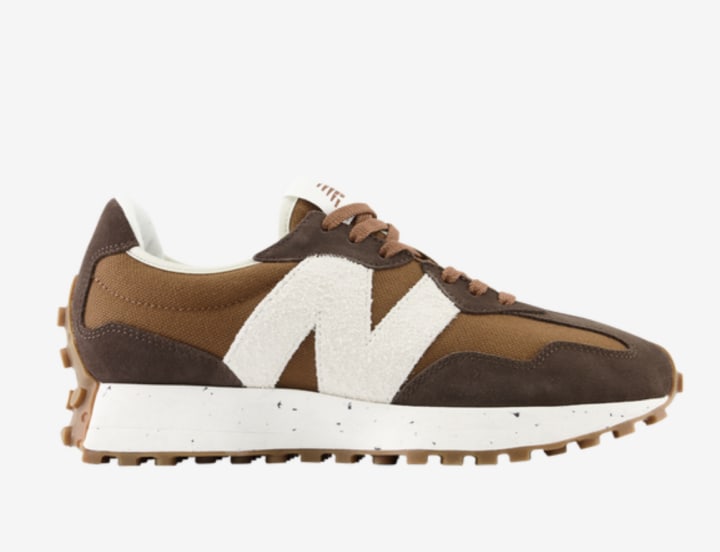
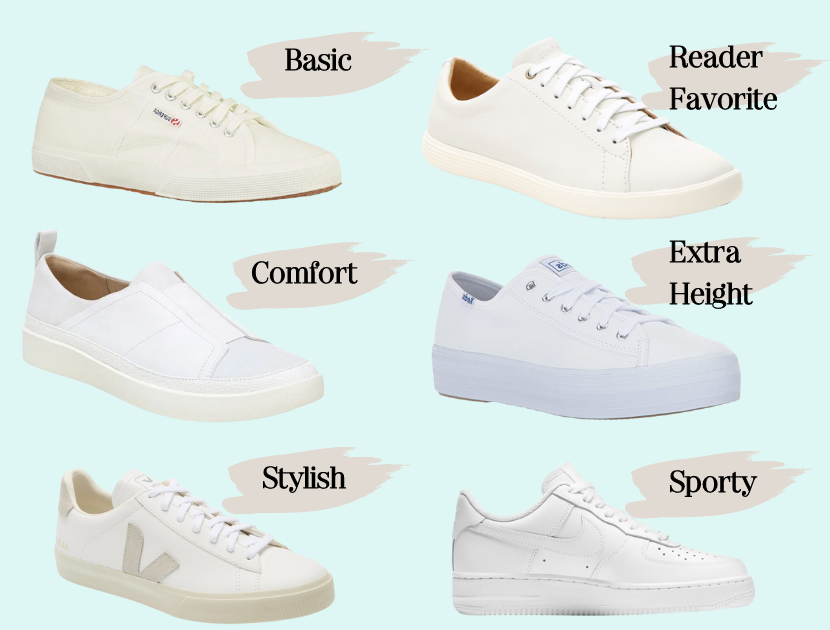
The visual language of sneakers has undergone a dramatic schism. On one end, we have the enduring legacy of minimalism, now refined into what fashion commentators on sites like The Business of Fashion term “quiet luxury.” This is epitomized by pristine, all-white leather sneakers from brands like Common Projects or Axel Arigato. Their power lies in their blank-canvas versatility, seamlessly bridging a tailored suit and weekend denim. As designer Phoebe Philo once implicitly championed, luxury is often found in absence—the absence of logos, of clutter, of obvious trend-chasing. Conversely, 2023 boldly embraces its maximalist counterpart. This is driven by a post-pandemic desire for joy and individuality, manifesting in chunky soles, bold color-blocking, and nostalgic references to early 2000s designs. Brands like Balenciaga and New Balance have led this charge, creating shoes that are architectural in scale. This trend finds validation in popular culture; for instance, the hyper-stylized, character-defining costumes in films like Everything Everywhere All at Once mirror this ethos of expressive, identity-foregrounding footwear. The choice between a minimalist and a maximalist sneaker is, therefore, a choice about how you wish to interface with the world: through understated confidence or unapologetic declaration.
The Non-Negotiable Core: Sustainable and Ethical Construction
Perhaps the most significant and non-negotiable evolution in women’s sneakers 2023 is the material revolution. The conversation has moved from a niche concern to the central pillar of innovation. Consumers are now armed with information from documentaries like The True Cost and reports from the Sustainable Apparel Coalition, demanding transparency. The industry’s response has been remarkable. We now have sneakers made from recycled plastic ocean waste (like Adidas’s partnership with Parley for the Oceans), pineapple leaf fibers (Piñatex), mushroom-based leather (Mylo), and even regenerated coffee grounds. The goal is a circular economy, a concept extensively detailed on the Ellen MacArthur Foundation’s website, where products are designed for disassembly and reuse. This isn’t just about being “green”; it’s about a fundamental re-engineering of supply chains. When a celebrity like Emma Watson uses her platform to discuss sustainable fashion on YouTube, or when Allbirds labels the carbon footprint of each shoe, it signals a shift in values. The modern sneaker is a testament to the fact that style and environmental stewardship are no longer mutually exclusive but are intrinsically linked.

Performance Reimagined: The All-Terrain Lifestyle Sneaker
The boundary between dedicated performance wear and casual style has completely dissolved. The archetype of the 2023 sneaker is the “all-terrain” model. Inspired by trail-running technology, these shoes feature aggressive, multi-directional lugs on the outsole for grip, water-resistant uppers, and enhanced stability features. However, they are rendered in palettes and silhouettes that are perfectly at home in an urban environment. This reflects a broader cultural shift documented by sociologists—the “athleisure” trend has matured into a holistic “ready-for-anything” mentality. It’s the footwear equivalent of the Swiss Army knife. Brands like Hoka One One and Salomon have crossed over from specialist running stores to high-fashion retailers, a journey chronicled in analyses by Highsnobiety. This trend answers a practical need: our lives are not compartmentalized into “gym,” “office,” and “trail.” We transition between contexts fluidly, and our footwear must keep pace. The rugged construction provides a psychological assurance, a sense of preparedness that aligns with a generation that values experiences and adventure, whether that’s a hike or navigating a bustling city.
Making the Investment: A Curated Selection and Value Perspective
With this knowledge in hand, how do you make a choice that offers both professional-grade quality and financial sense? Let’s apply the criteria. First, prioritize fit and technology over the brand name. Visit a specialty running store for a gait analysis—this free service provides invaluable data. Second, assess material composition. Look for certifications like Global Recycled Standard (GRS) or brand transparency indexes. Third, consider cost-per-wear. A well-constructed, versatile pair of women’s sneakers 2023 at $150, worn three times a week for two years, is a far wiser investment than a trendy, poorly-made pair at $80 that falls apart in six months. To bring this to life, here’s a snapshot of the market: A leading sustainable brand’s runner, using carbon-negative foam, retails for around $135. A luxury fashion house’s iconic minimalist leather sneaker sits at approximately $450, representing an investment in timeless design. Meanwhile, a top-tier all-terrain model from a performance brand, featuring its latest cushioning technology, can be found for $160. Watch for seasonal sales on brand websites or authorized retailers, where previous colorways can often be found at 25-30% discounts, offering the same core technology at a significantly reduced price.
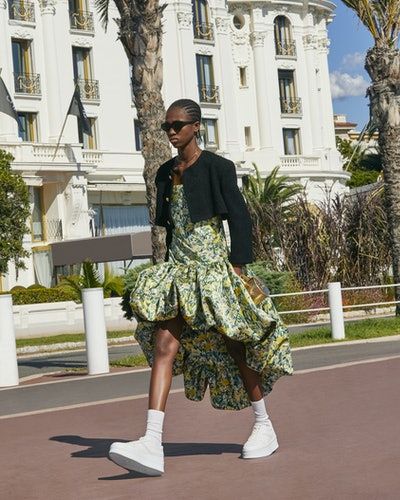
The journey through the world of women’s sneakers 2023 reveals a product category that has matured into a symbol of our times. It is where hard science meets soft ethics, where personal expression coexists with collective responsibility. The perfect pair is out there, waiting to be found—not as a mere accessory, but as a foundational piece for a dynamic, conscious, and stylish life.
