

Discover the Top Podiatrist Recommended Walking Shoes for Ultimate Comfort and Support
Every step you take is a conversation between your body and the ground. When that dialogue is fraught with discomfort, misalignment, or impact shock, the entire narrative of your movement—from a daily stroll to a dedicated fitness walk—can become a story of pain. This is where the specialized insight of podiatry transforms the mundane act of choosing footwear into a critical investment in long-term musculoskeletal health. Podiatrist recommended walking shoes are not merely a marketing term; they are the culmination of biomechanical research, material science, and clinical observation, designed to preemptively address the common culprits of foot and joint distress. This exploration delves beyond surface-level features, anchoring its recommendations in the principles of foot anatomy, gait analysis, and the authoritative voices from medical and performance fields. We will navigate the essential criteria that define a truly supportive walking shoe, highlight specific models that consistently earn professional endorsements, and translate complex podiatric wisdom into actionable knowledge for your next purchase, all while guiding you toward avenues for acquiring these vital tools at accessible prices.
The Foundation: Why Podiatric Endorsement Matters Beyond Marketing
The human foot is a masterpiece of engineering, comprising 26 bones, 33 joints, and over 100 muscles, tendons, and ligaments. Its primary functions—support, propulsion, and shock absorption—are delicately balanced during the gait cycle. A podiatrist, as a physician specializing in the medical and surgical care of the foot, ankle, and lower extremity, views shoes as either therapeutic devices or potential sources of pathology. Dr. Andrew Shapiro, a spokesperson for the American Podiatric Medical Association (APMA), often emphasizes that “shoes are the foundation of our mobility.” An endorsement from such a body or its certified members signifies that a shoe has been evaluated for criteria critical to foot health: stability along the medial (inner) arch to control overpronation, adequate heel counter rigidity to prevent excessive rearfoot motion, sufficient toe box volume to allow natural splay and prevent neuromas, and appropriate cushioning that manages impact without destabilizing the foot. This perspective is echoed in resources like the University of Washington’s Department of Orthopaedics and Sports Medicine literature, which links improper footwear to a cascade of issues, including plantar fasciitis, metatarsalgia, and Achilles tendinopathy. Therefore, seeking out podiatrist recommended walking shoes is a proactive step in aligning your daily wear with the biomechanical realities of your body, rather than fleeting fashion trends.

Deconstructing the Gait Cycle: The Science Behind the Support
To understand what makes a walking shoe exceptional, one must first understand the walking gait. It is a repeated sequence of heel strike, foot flat, mid-stance, heel-off, and toe-off. Each phase places distinct demands on footwear. During heel strike, the shoe must provide shock absorption to dissipate forces that can travel up the kinetic chain to the knees, hips, and lower back. As the foot progresses to mid-stance and bears full body weight, the shoe’s arch support and midsole stability are paramount to prevent the arch from collapsing excessively—a motion known as overpronation, which is a common contributor to injury. As noted on platforms like Quora and in discussions by biomechanists such as Dr. Casey Kerrigan, former professor at Harvard Medical School, the rigidity or “rocking” profile of a shoe’s sole also influences calf muscle efficiency and energy return. A well-designed walking shoe facilitates a smooth roll-through from heel to toe, reducing muscular fatigue. This scientific breakdown informs key design elements: a beveled or rounded heel to encourage a gentle strike, a firm yet compliant midsole material like EVA or polyurethane, and a flexible forefoot that allows for natural propulsion. Brands that engineer their products around these phases, rather than just aesthetic appeal, are the ones that consistently find themselves on podiatrists’ lists.
Architectural Pillars: Non-Negotiable Features in a Supportive Walking Shoe
Navigating the sea of athletic footwear can be daunting. By focusing on a few architectural pillars, you can filter noise from necessity. First is Arch Support and Medial Posting. This is not about a generic, high arch cushion. True support involves a structured element, often a denser material on the inner side of the midsole, that prevents the arch from flattening too much. For individuals with flat feet or overpronation, this feature is critical. Second is the Heel Counter. Pinch the back of the shoe. It should be firm and resistant to collapse, cradling the heel bone (calcaneus) to control its position and prevent slippage that can lead to blisters and instability. Third is the Toe Box. As advocated by resources like Wikipedia’s entry on footwear and the works of natural movement proponents, the toes should have room to wiggle and spread slightly upon weight-bearing. A cramped toe box can lead to deformities like bunions and hammertoes. Fourth is Cushioning vs. Stability Balance. Maximal cushioning, while comfortable initially, can sometimes create an unstable platform. Podiatrist-recommended models typically strike a deliberate balance, using dual-density foams or guided rails (like Brooks’ GuideRails technology) to provide cushioning without sacrificing control. Finally, consider Weight and Flexibility. A shoe excessively heavy can alter your gait, while one too flexible may lack necessary support. The ideal podiatrist recommended walking shoes find the sweet spot—light enough for all-day wear but structured enough to be a true mobility aid.
:max_bytes(150000):strip_icc()/favorite-walking-shoes-round-up-november-2024-458c3fc0c6844adca7c0a34ebc5cfb9b.jpg)
Voices of Authority: What the Experts Are Saying
The credibility of a recommendation is amplified by the stature of its source. Beyond institutional endorsements like the APMA Seal of Acceptance, individual podiatrists and biomechanics experts publicly share their insights. On YouTube, channels like “The Foot & Ankle Center” and “Dr. Glass’ Foot Care” provide detailed shoe reviews from a clinical perspective. On social media platforms like Twitter, sports podiatrists such as Dr. Ray McClanahan, known for his advocacy of foot-shaped footwear, offer contrasting but science-backed viewpoints. Furthermore, publications like The Journal of Foot and Ankle Research publish peer-reviewed studies on footwear effects. For instance, a systematic review might examine the efficacy of rocker soles in reducing plantar pressure. These expert voices converge on common themes: the importance of individualized fit (what works for a high-arched, supinating foot will not work for a flat, pronating one), the caution against wearing shoes past their functional lifespan (typically 300-500 miles), and the recommendation to transition gradually to new models. As one prominent podiatrist was quoted in a health magazine feature:
“Patients often ask me for the single best walking shoe. My answer is always the same: the best shoe is the one that best matches your unique foot structure, gait pattern, and lifestyle. It’s a prescription, not a popularity contest.”
This underscores that while we can identify top-tier, generally podiatrist recommended walking shoes, the final choice must be personalized.
A Curated Selection: Models That Consistently Earn Professional Praise
Drawing from consistent mentions across podiatrist blogs, professional review sites like Verywell Fit, and consumer reports, several models stand out for their adherence to podiatric principles. For those requiring maximum stability and motion control, the Brooks Addiction Walker is a perennial favorite. Its extended progressive diagonal rollbar is a classic biomechanical device to limit pronation, and it boasts the APMA Seal. For a blend of cushioning and support, the New Balance 928 or the HOKA ONE ONE Arahi series are frequently cited. The Arahi utilizes HOKA’s J-Frame technology, a dynamic support system that cradles the heel without using stiff medial posts. For individuals with neutral gaits seeking premium comfort and durability, the ASICS Gel-Kayano (in its walking-specific version) or the Saucony Integrity Walker are top contenders. It is crucial to note that many of these brands offer versions in varying widths—a feature podiatrists insist upon for a proper fit. Trying on shoes in the afternoon when feet are naturally slightly swollen, wearing the socks you intend to walk in, and prioritizing feel over size number are all tactics derived from podiatric advice to ensure the shoe you select from this list truly works for you.
:max_bytes(150000):strip_icc()/shp-best-brooks-walking-shoes-tout-f67df3ab5afa4c08a24a63ae6dca3444.jpg)
From Knowledge to Ownership: Finding Value in Your Investment
Understanding the “why” and the “what” leads naturally to the “how”—how to acquire these essential tools without undue financial strain. Premium podiatrist recommended walking shoes often carry a premium price tag, reflecting their advanced materials and research. However, strategic purchasing can yield significant savings. First, consider previous model years. Shoe technology evolves incrementally; last year’s top model often provides 95% of the benefit at a 30-40% discount once the new version is released. Major online retailers and the brands’ own outlet sites frequently stock these. Second, subscribe to newsletters from specialty running and walking stores. These stores, staffed by knowledgeable fitters, often run seasonal sales and clearance events. Third, explore membership-based wholesale clubs or cashback websites, which sometimes offer reputable brands at reduced prices. Remember, investing in proper footwear is a form of preventative healthcare. The cost of a high-quality pair of walking shoes pales in comparison to the potential expenses—both financial and in terms of pain and lost mobility—associated with treating foot conditions caused by inadequate support. By applying this knowledge, you are not just buying a product; you are procuring a key component of your long-term well-being.
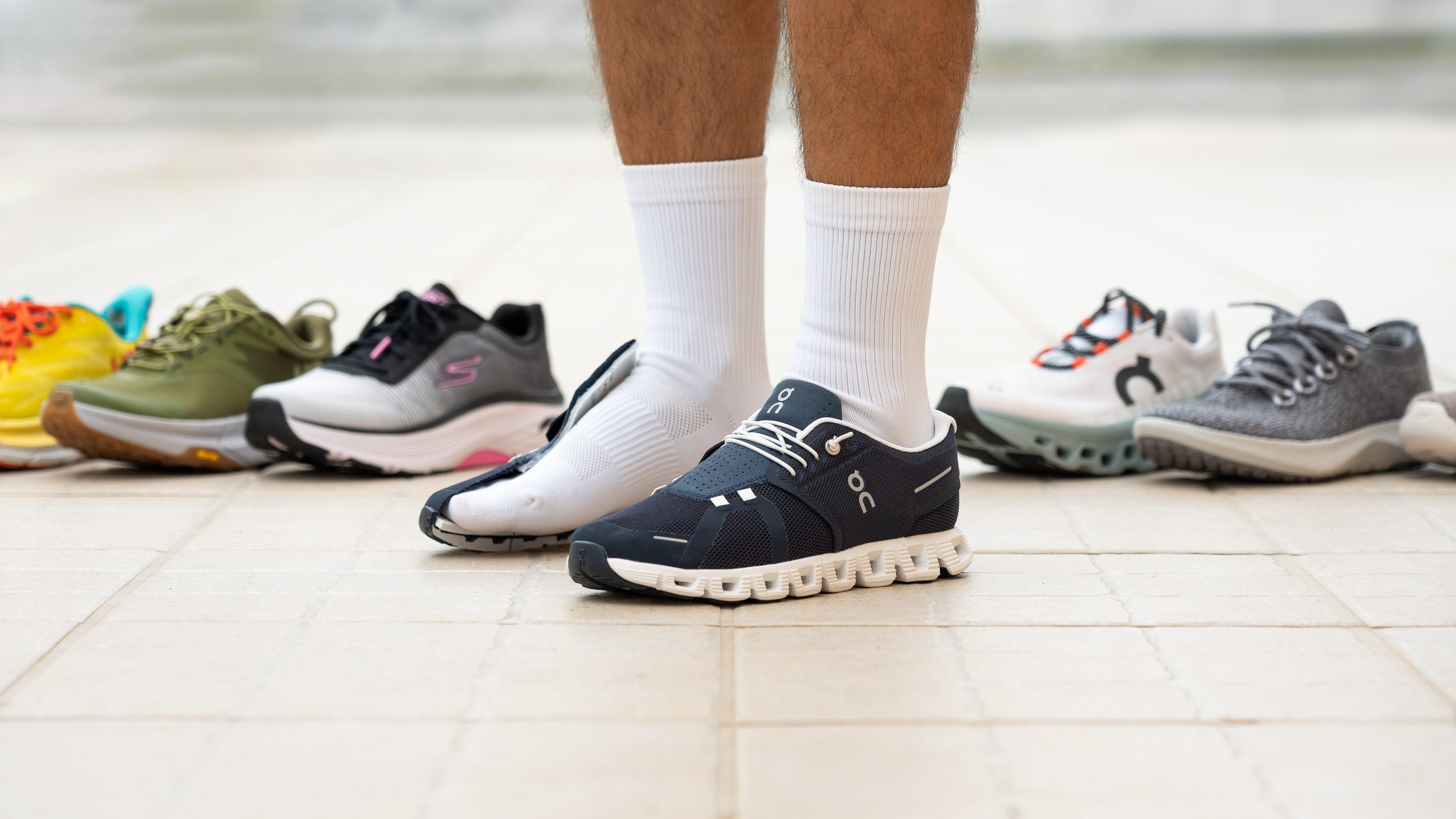
Your journey toward pain-free, energized walking begins with a conscious choice to prioritize the foundation of every step. The pursuit of podiatrist recommended walking shoes is an exercise in applied wisdom, merging the clinical expertise of foot health professionals with the practical realities of daily life. By internalizing the science of gait, demanding shoes with non-negotiable supportive features, heeding the curated recommendations of experts, and strategically acquiring your ideal pair, you transform walking from a simple activity into a sustained practice of self-care. Let your next step be the most informed one you’ve ever taken.
