

The Ultimate Guide to Podiatrist-Approved Walking Shoes
Your feet are the foundation of your movement, and the shoes you choose can either support that foundation or undermine it. This isn’t about fleeting fashion trends; it’s about the long-term health of your feet, ankles, knees, and back. The right pair of podiatrist recommended walking shoes is not a luxury—it’s a necessity for anyone who walks as a part of their daily life, whether for commuting, fitness, or leisure. This guide cuts through the marketing noise to deliver objective, science-backed criteria for selecting footwear that truly cares for your feet, blending professional podiatric insights with practical advice to help you make an informed investment in your well-being.
The Science of Stride: Why Your Feet Demand Expert-Approved Footwear
Walking is a complex series of biomechanical events. With each step, your foot undergoes a cycle of heel strike, foot flat, mid-stance, heel-off, and toe-off. This gait cycle distributes forces equivalent to 1.5 times your body weight across your feet. Improper footwear can disrupt this cycle, leading to a cascade of issues. According to literature from the American Podiatric Medical Association (APMA), shoes lacking adequate support can contribute to plantar fasciitis, metatarsalgia, tendonitis, and exacerbate conditions like bunions and flat feet. The goal of podiatrist recommended walking shoes is to facilitate natural foot motion while providing stability and cushioning where needed. Think of it as engineering: the shoe must manage impact forces, control excessive pronation (inward rolling) or supination (outward rolling), and allow the foot’s intrinsic muscles to function. This isn’t mere opinion; it’s applied biomechanics. A study cited in the Journal of Foot and Ankle Research emphasizes that footwear interventions, including appropriate shoe selection, are a first-line conservative treatment for many common foot ailments. Therefore, choosing a shoe isn’t just about comfort for today’s errands; it’s a preventative measure for your musculoskeletal health years down the line.
Decoding the Anatomy of a Perfect Walking Shoe
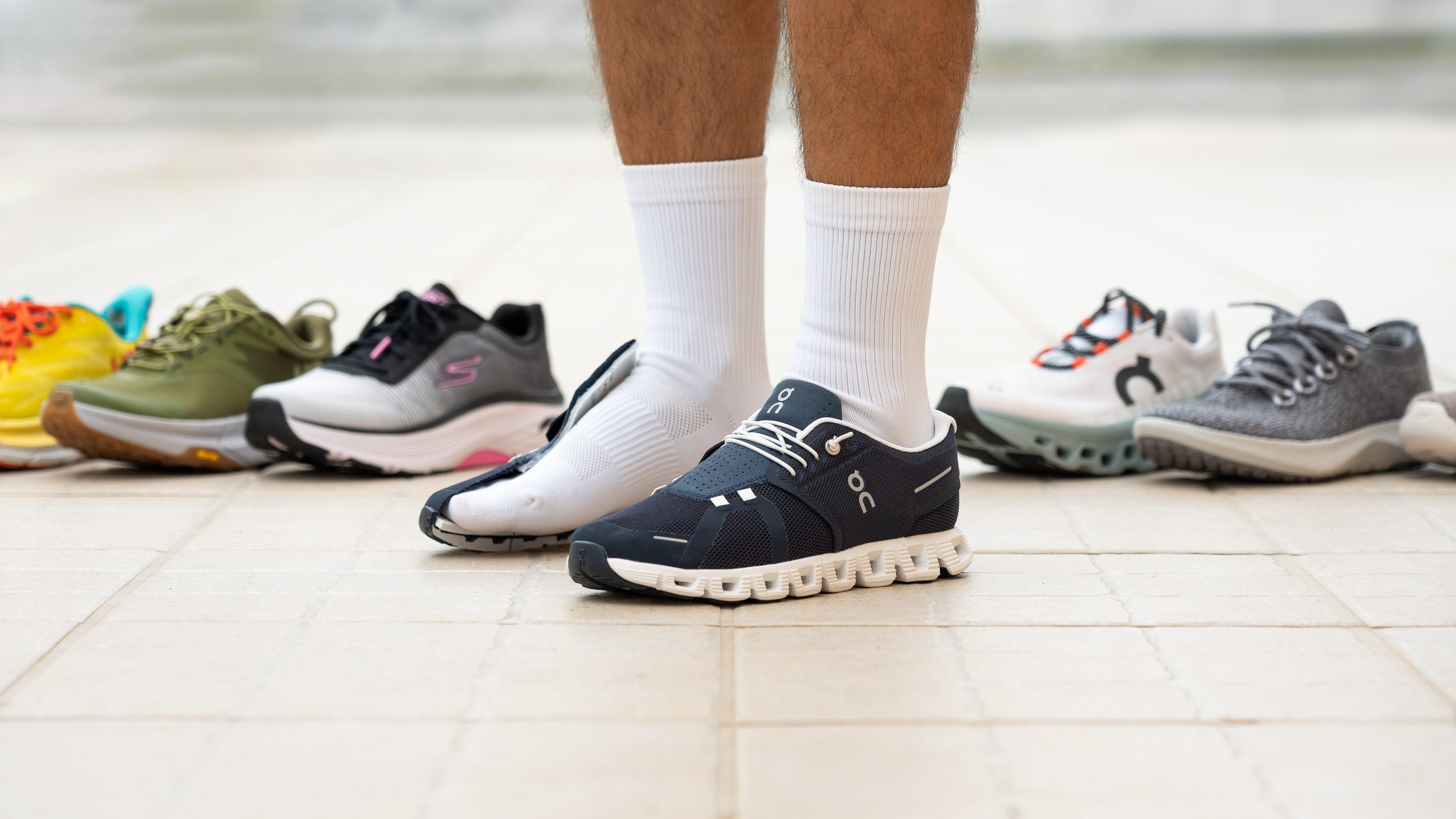
To identify a truly supportive shoe, you must become fluent in its components. Let’s dissect the key features that podiatrists consistently highlight. First, the heel counter. This is the firm cup at the back of the shoe that cradles your heel. A rigid, well-structured heel counter is non-negotiable; it prevents lateral heel movement, providing stability and controlling the foot’s initial contact with the ground. Press on it—it should not collapse easily. Second, consider arch support. This isn’t a one-size-fits-all proposition. Your arch type (neutral, low, or high) dictates the level and type of support you need. As noted on Quora by a practicing podiatrist, “Over-the-counter inserts can help, but the shoe’s inherent arch design must align with your foot’s architecture.” Third, examine the midsole. This is the heart of cushioning and is typically made from EVA (ethylene-vinyl acetate) or polyurethane. The density and thickness of the midsole determine how well it absorbs shock. However, more cushion isn’t always better; it must be balanced with stability. Fourth, the toe box must be wide and deep enough to allow your toes to splay naturally without rubbing. Constriction here can lead to neuromas and deformities. Finally, the flex point of the shoe should align with the natural flex point of your foot (the ball). Bend the shoe; it should crease at the forefoot, not the middle. A shoe that masters these elements forms the bedrock of what we call podiatrist recommended walking shoes.
:max_bytes(150000):strip_icc()/shp-best-brooks-walking-shoes-tout-f67df3ab5afa4c08a24a63ae6dca3444.jpg)
Beyond the Brand: Evidence-Based Criteria from Trusted Voices
It’s easy to be swayed by celebrity endorsements or sleek aesthetics, but the evidence for what makes a great walking shoe comes from clinical observation and research. The APMA’s Seal of Acceptance is a credible starting point, as products earning it are reviewed by a committee of podiatrists. But let’s incorporate broader perspectives. On YouTube, certified pedorthists like “The Foot Doctor” often deconstruct shoes, highlighting features like rocker soles for patients with arthritis or stiff-soled shoes for those needing motion control. Literature from authoritative institutions like the University of Pittsburgh School of Medicine’s Department of Orthopedic Surgery stresses the importance of shoe fit in diabetic foot care, where a poorly fitted shoe can have catastrophic consequences. Even in popular culture, the importance of proper footwear is underscored. In the book Born to Run by Christopher McDougall, while focusing on minimalist running, the narrative sparks a profound discussion on natural foot function and how modern, overly supportive shoes might weaken feet—a debate that informs the “support vs. natural movement” spectrum in podiatry today. The consensus from these diverse sources isn’t monolithic, but it converges on principles: fit, function, and individual need trump brand name every time. This multi-faceted evidence base is what we use to curate our list of podiatrist recommended walking shoes.
Your Personal Footwear Prescription: Matching Shoe to Physiology
You are unique, and so are your feet. A shoe perfect for a friend with high arches could be a disaster for your flat feet. Therefore, the second-person approach is crucial here: you must assess your needs. Start with a simple “wet test” at home to determine your arch type. Then, consider your gait. Many specialty running stores offer gait analysis, which can reveal if you overpronate, underpronate (supinate), or have a neutral gait. This information is golden. For the overpronator, look for shoes labeled “stability” or “motion control” with a firmer medial (inner) post. For the supinator or high-arched foot, “neutral-cushioned” shoes with ample shock absorption are key. Don’t forget activity context. Are you walking on pavement for hours? Prioritize cushioning. Trails? Look for outsoles with aggressive lugs for grip. Weight also matters; a heavier individual may require shoes with more durable, higher-density cushioning. As a statement from a well-known figure in sports medicine, Dr. Jordan Metzl, emphasizes in his book The Exercise Cure, “The right shoe is the cheapest form of injury insurance you can buy.” This personalized prescription ensures the shoe works with your body, not against it.

Investing in Wellness: Where Professional Knowledge Meets Value
High-quality, therapeutic footwear often comes with a higher price tag, reflecting advanced materials, research, and construction. However, viewing this as an investment in preventative health changes the calculus. A $150 pair of shoes that prevents a single visit to the podiatrist for plantar fasciitis treatment (which can cost hundreds) has already paid for itself. To bridge the gap between professional knowledge and your wallet, we advocate for strategic shopping. Look for previous models: when a brand releases a new version of a shoe (like the Brooks Ghost 15 to Ghost 16), the outgoing model is often discounted by 30-50% while offering nearly identical core technology. Shop during major holiday sales or at reputable online retailers that specialize in discounted athletic gear. The key is to know the specific model that fits your prescription, then hunt for its best price. Remember, the most expensive shoe is not necessarily the best for you, and a discounted, well-chosen model is infinitely better than a full-price, poorly chosen one. This approach brings the benefits of podiatrist recommended walking shoes within practical reach, ensuring you don’t have to compromise on health for financial reasons.
:max_bytes(150000):strip_icc()/tal-roundup-podiatrist-loved-shoes-on-sale-tout-bdbf5721fa5642efa38b61f6a5b4ff34.jpg)
Stepping Forward with Confidence
The journey to finding the ideal walking shoe is an exercise in self-awareness and informed decision-making. It requires moving beyond color and logo to understand the language of heel counters, midsoles, and gait cycles. By prioritizing the biomechanical principles endorsed by podiatric science and seeking out the trusted podiatrist recommended walking shoes that embody them, you are doing more than buying footwear. You are actively participating in preserving your mobility, comfort, and long-term physical health. Let this knowledge empower your next step, and every step thereafter, on a foundation built for endurance, not just for style.
