

Style Meets Comfort
For years, fashion whispered a seductive lie: that to look remarkable, one must feel uncomfortable. This notion is now, decisively, in the past. The modern wardrobe’s revolution is built on a foundation of uncompromising comfort paired with intentional design, and nowhere is this synergy more perfectly realized than in the evolution of footwear. We are no longer choosing between looking polished and feeling at ease. Today, the most powerful style statement is one that supports you, literally and figuratively, from the ground up. This is not a trend but a fundamental shift in how we define dressing well. It’s an embrace of intelligence in design, where ergonomics, material science, and aesthetic vision converge to create pieces that are as kind to the body as they are captivating to the eye. The archetype of this movement? The contemporary sneaker, particularly the innovations we see in women’s sneakers 2023.
The Ergonomic Foundation: Where Science Meets the Street
The conversation about comfort has moved far beyond “soft lining.” It is now rooted in biomechanics and podiatry. Leading brands are collaborating with orthopedic experts and sports scientists to engineer soles that mimic the natural gait cycle. This involves advanced shock absorption systems, often using proprietary compounds like Adidas’s Boost or Nike’s ZoomX foam, which aren’t just for runners anymore. These technologies dissipate impact forces that would otherwise travel up the kinetic chain to knees, hips, and the lower back. Furthermore, the architecture of the insole has evolved. Consider the concept of the “footbed,” a term popularized by brands like Birkenstock and now integral to sneaker design. A contoured footbed provides arch support and a deep heel cup, stabilizing the foot and promoting a neutral alignment. This isn’t mere padding; it’s structural support. As Dr. Miguel Cunha, founder of Gotham Footcare, noted in an interview with Forbes, “Proper arch support is crucial… it prevents the foot from overpronating or supinating, which can lead to a cascade of issues from plantar fasciitis to back pain.” The women’s sneakers 2023 collections showcase this beautifully, with many models featuring visible, sculpted midsoles that are as much a design element as they are a functional necessity. The objective is clear: to create a shoe that feels like an extension of the body, a platform for movement rather than a constraint.
Material Innovation: Beyond Leather and Canvas
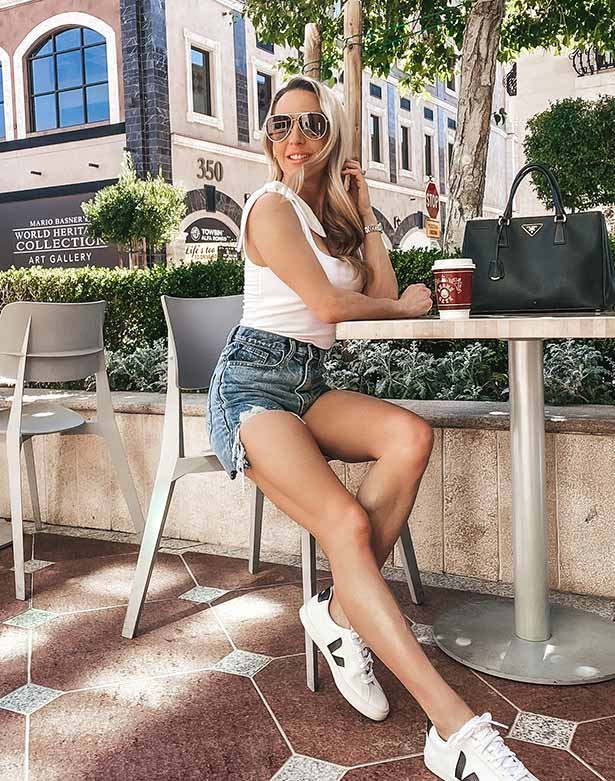
The tactile experience of a shoe is dictated by its materials, and here, innovation is relentless. The traditional paradigm of stiff, unforgiving leather has been shattered. In its place, we see a proliferation of engineered knits, recycled plastics, and memory foams that adapt to the individual foot. Knitted uppers, pioneered by brands like Nike with Flyknit, provide a dynamic, sock-like fit that offers strategic support and breathability. These are not woven fabrics in the traditional sense but are digitally engineered, thread-by-thread, to be denser in areas needing structure (like the midfoot) and more flexible around the toes. Sustainability drives another major material shift. Brands like Veja use organic cotton, wild rubber from the Amazon, and recycled polyester from plastic bottles. This isn’t just an ethical choice; these materials often offer superior performance characteristics—lighter weight, better moisture-wicking, and reduced break-in time. Furthermore, the development of waterproof yet breathable membranes, such as GORE-TEX infused into sneaker designs, has demolished the seasonal limitation of the sneaker. You can now traverse a rainy city street in a pair of sleek, technical sneakers without sacrificing style or dry socks. This material revolution means the women’s sneakers 2023 you buy are likely lighter, more adaptive, and more environmentally conscious than any previous generation.
The Aesthetic Calculus: Design That Doesn’t Shout
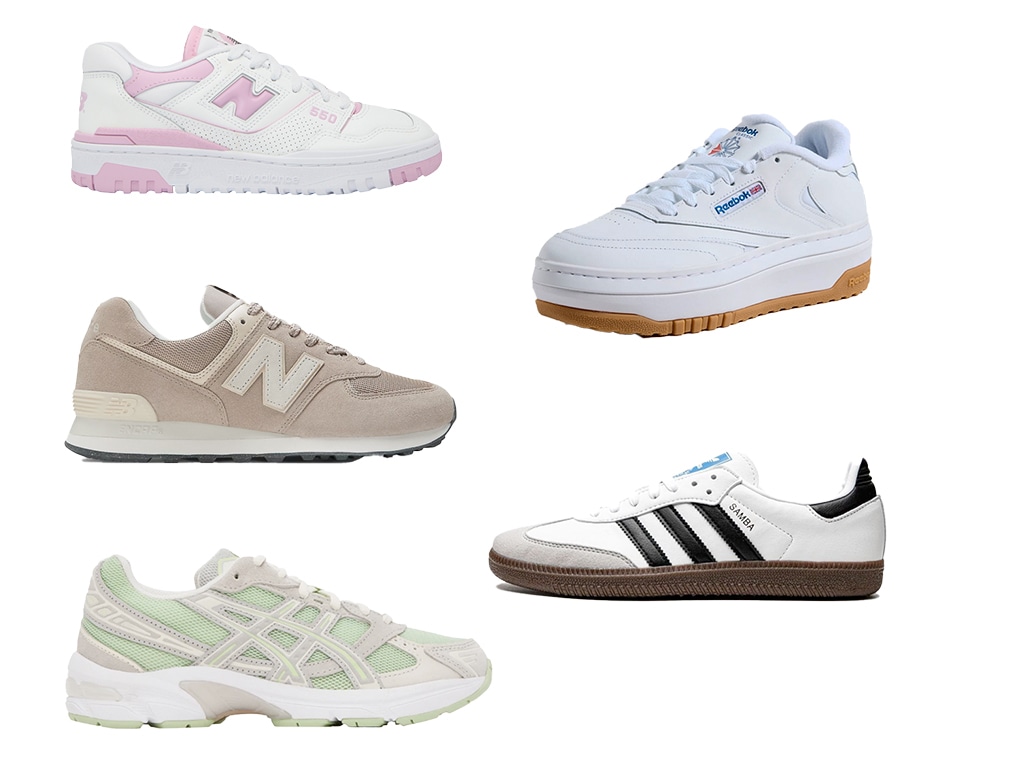
Comfort means nothing if it sits unworn in the closet. The triumph of the modern comfortable shoe is its aesthetic versatility. The “ugly sneaker” trend of the late 2010s was a rebellious intermediate step, challenging norms but often sacrificing universal appeal. The current landscape is one of refined, minimalist, and considered design. Think of the clean lines of a Common Projects Achilles Low, the architectural chunkiness of a New Balance 990v6, or the fluid simplicity of a Koio Capri. These designs operate on a principle of quiet confidence. They are often monochromatic or use subtle tonal contrasts, allowing them to integrate seamlessly into a wide range of outfits—from tailored suits and silk dresses to jeans and a T-shirt. This is “elevated casual.” The aesthetic appeal is backed by intentional design choices: a lower profile for a sleeker silhouette, muted color palettes that emphasize form, and quality details like contrasting stitching or metallic eyelets that signal craftsmanship. As fashion critic Vanessa Friedman of The New York Times has observed, “The most powerful item in fashion right now is the one that does the most while seeming to do the least.” The best women’s sneakers 2023 embody this perfectly. They are the sartorial equivalent of a well-designed piece of furniture: beautiful, functional, and fundamentally improving your daily experience.
From Gym to Gallery: The Context Collapse
The ultimate testament to this style-comfort fusion is the complete collapse of traditional context boundaries for footwear. The sneaker is no longer confined to the gym, the errand, or the casual weekend. It is now a legitimate and sophisticated choice for the office, art openings, fine dining, and even formal events when styled with intention. This shift is cultural. It reflects a broader move towards authenticity and practicality in personal presentation. We are dressing for our actual lives, which are multifaceted and dynamic. A lawyer might cycle to work in her tailored trousers and a pair of supportive, sleek sneakers, changing into heels at her desk if she chooses—but increasingly, she may not. This normalization is powered by visibility. Influential figures across industries have embraced the look. Actress and activist Emma Watson, a vocal advocate for sustainable fashion, is frequently photographed in elegant outfits paired with minimalist sneakers. Technology CEOs like Sheryl Sandberg have been noted for pairing professional attire with comfortable flats and sneakers, signaling a focus on substance and endurance over performative discomfort. This cultural endorsement validates the choice for everyone else. As one Quora user in a style forum eloquently put it:
“My white leather sneakers have seen more boardrooms than ballet flats. They signal not a lack of effort, but an abundance of sense—the confidence that my ideas are strong enough without the armor of painful shoes.”
This sentiment captures the essence of the movement: comfort as a form of confidence and intelligent style.
:max_bytes(150000):strip_icc()/ins-primary-whitesneakers-jthompson-0981.jpg-6b683aa5e6e540a3b14409eac07d8a2b.jpg)
Curating Your Foundation: A Practical Guide
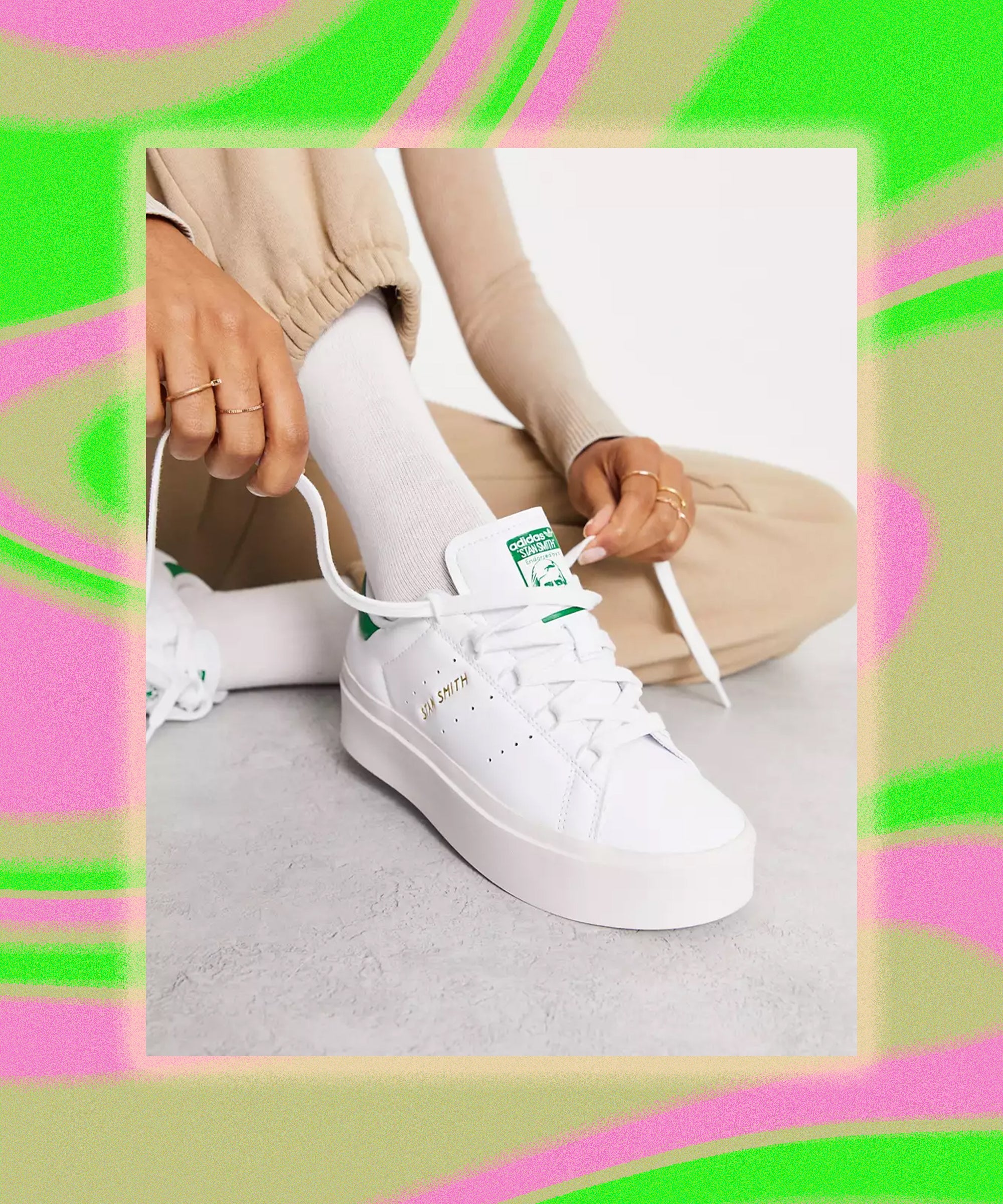
Understanding the philosophy is one thing; applying it is another. Building a wardrobe where style truly meets comfort requires a strategic approach to footwear. First, prioritize fit over size. Sizes vary wildly between brands. Always try on shoes in the afternoon, when feet are naturally slightly swollen. There should be a thumb’s width of space between your longest toe and the end of the shoe. Second, invest in versatility. A pristine white leather sneaker is the modern wardrobe workhorse. It reflects light, pairs with everything, and its clean aesthetic aligns with the minimalist principle. The women’s sneakers 2023 market offers exceptional options in this category. Third, do not ignore sock technology. The right sock—moisture-wicking, seamless, or with light compression—can elevate the comfort of any shoe. Finally, understand your own lifestyle. Do you stand all day? Prioritize models with renowned arch support and maximum cushioning, like those from Hoka or Asics. Do you need a seamless transition from work to evening? A low-profile, luxury leather sneaker from a brand like Axel Arigato or Greats might be your cornerstone. This is where professional knowledge translates to personal value. By understanding the technology and design intent behind different models, you make informed investments, not just purchases. And while premium technology often commands a premium price, the market is more accessible than ever. Direct-to-consumer brands cut out middlemen, offering high-quality materials and construction at a significant discount compared to traditional luxury markups. End-of-season sales, archive sites, and even certified resale platforms for barely-worn sneakers make this elevated comfort attainable.
The pursuit of style no longer demands a sacrifice of well-being. The evidence is underfoot, in the sophisticated engineering and deliberate design of today’s footwear. The era of suffering for beauty is an antiquated concept, replaced by an intelligent ethos that champions the individual’s right to feel empowered and at ease. The revolution was not announced with a shout, but with a collective, comfortable step forward. It is embodied in every pair of thoughtfully designed women’s sneakers 2023 that bridge the gap between the boardroom and the city street, proving definitively that when you feel good, you inherently look good. This is the new standard, and it is here to stay.
