

Discover the Best Podiatrist Recommended Walking Shoes for All-Day Comfort
Your feet are your foundation, and the shoes you choose can either support or sabotage your daily comfort and long-term health. For anyone who spends significant time on their feet—whether walking for fitness, navigating a busy workday, or exploring new cities—the quest for the perfect walking shoe is paramount. This isn’t merely about style or brand loyalty; it’s a physiological necessity. The right footwear acts as a critical interface between your body and the ground, influencing everything from your gait and posture to joint health and energy levels. In this exploration, we delve beyond marketing claims to uncover what truly makes a walking shoe worthy of a podiatrist’s endorsement. We’ll synthesize insights from biomechanical research, professional podiatric advice, and real-world testing to guide you toward footwear that promises and delivers genuine, all-day comfort. The goal is to empower you with knowledge, transforming you from a passive consumer into an informed individual capable of selecting shoes that actively contribute to your well-being.
The Science of Support: Why Podiatrist Recommended Walking Shoes Are Non-Negotiable
To understand the value of podiatrist recommended walking shoes, one must first appreciate the complex biomechanics of walking. The human foot is a marvel of engineering, comprising 26 bones, 33 joints, and over 100 muscles, tendons, and ligaments. With each step, forces equivalent to 1.5 times your body weight travel through this structure. According to research from institutions like the American Podiatric Medical Association (APMA), improper footwear can lead to a cascade of issues: plantar fasciitis, metatarsalgia, bunions, and even chronic knee, hip, and back pain. A podiatrist, a doctor specializing in foot and ankle medicine, evaluates shoes based on specific, evidence-based criteria that support this natural mechanics. These criteria include arch support that matches your foot type (neutral, pronated, or supinated), a heel counter that firmly cups the heel to prevent excessive movement, adequate toe box room to allow natural splay and prevent crowding, and appropriate cushioning that absorbs shock without being destabilizing. As noted by Dr. Jacqueline Sutera, a prominent New York City podiatrist, “Shoes should bend at the toe, not in the middle of the arch, to support the foot’s natural windlass mechanism.” This scientific perspective is what separates generic sneakers from truly therapeutic footwear designed for prolonged wear.
:max_bytes(150000):strip_icc()/shp-best-brooks-walking-shoes-tout-f67df3ab5afa4c08a24a63ae6dca3444.jpg)
Decoding the Features: A Breakdown of Essential Shoe Components
Let’s dissect the anatomy of an ideal walking shoe. The midsole is arguably its heart. Materials like EVA (ethylene-vinyl acetate) foam, polyurethane, or advanced proprietary compounds like Brooks’ DNA LOFT or ASICS’ GEL provide the primary cushioning. The density and configuration of this material determine stability and shock absorption. Next, the outsole requires a flexible yet durable rubber with a tread pattern that offers multi-directional grip, preventing slips. The upper should be constructed from breathable, adaptive materials like engineered mesh that conform to the foot without pressure points. Crucially, the insole or footbed is often overlooked. While many shoes come with decent removable insoles, those with specific conditions may benefit from custom orthotics, which can be accommodated in a well-structured shoe. A study cited in the Journal of Foot and Ankle Research emphasizes that proper medial (arch) support can significantly reduce fatigue and discomfort during prolonged standing. When you seek out podiatrist recommended walking shoes, you are effectively looking for a product that has been vetted for excellence in each of these components, ensuring they work in harmony to protect your feet.
Beyond the Brand: How to Assess a Shoe Like a Professional
While brand reputation can be a starting point, informed assessment is key. Here is a practical guide you can use in any store. First, perform the bend test. Grab the heel and toe and bend the shoe. It should flex easily at the ball of the foot (where your toes meet the metatarsals), not in the middle. Bending in the arch area indicates insufficient support. Second, check the twist test. Try to wring the shoe like a towel. A good walking shoe will resist torsion, providing stability for your foot’s natural movement. Third, examine the heel counter. Press on the back of the heel cup; it should be firm and not collapse under pressure. Fourth, assess the toe box. There should be about a thumb’s width of space between your longest toe and the end of the shoe, with ample width so your toes aren’t touching the sides. Finally, consider the weight. Extremely heavy shoes can lead to leg fatigue, while overly minimalist shoes may lack protection. The ideal is a balance—substantial enough to offer support but light enough to not feel burdensome. This hands-on approach demystifies the selection process, putting professional evaluation criteria directly in your hands.
Navigating Foot Types and Common Conditions
Your individual foot morphology is the most critical variable in this equation. The “wet test”—where you wet your foot and step on a paper bag or dark tile—can reveal your arch type. A full imprint suggests a low arch (flat foot) often associated with overpronation (rolling inward). A high arch may lead to supination (rolling outward). Neutral arches leave an imprint with a distinct curve. Podiatrist recommended walking shoes are often categorized accordingly: motion control or stability shoes for overpronators, neutral cushioned shoes for neutral arches, and flexible, cushioned shoes for supinators. Furthermore, if you manage specific conditions, your needs become more precise. For plantar fasciitis, look for shoes with excellent arch support and a slight heel-to-toe drop to reduce tension on the plantar fascia. For bunions or hammertoes, a wide toe box made from soft, stretchable material is essential. For diabetic neuropathy, seamless interiors and extra-depth designs are crucial to prevent ulceration. Renowned podiatrist Dr. Brad Schaeffer emphasizes, “The right shoe is a preventative tool. It’s about managing the environment of the foot to avoid problems before they start, not just treating them after they occur.”
Curated Comfort: A Look at Top-Recommended Categories and Models
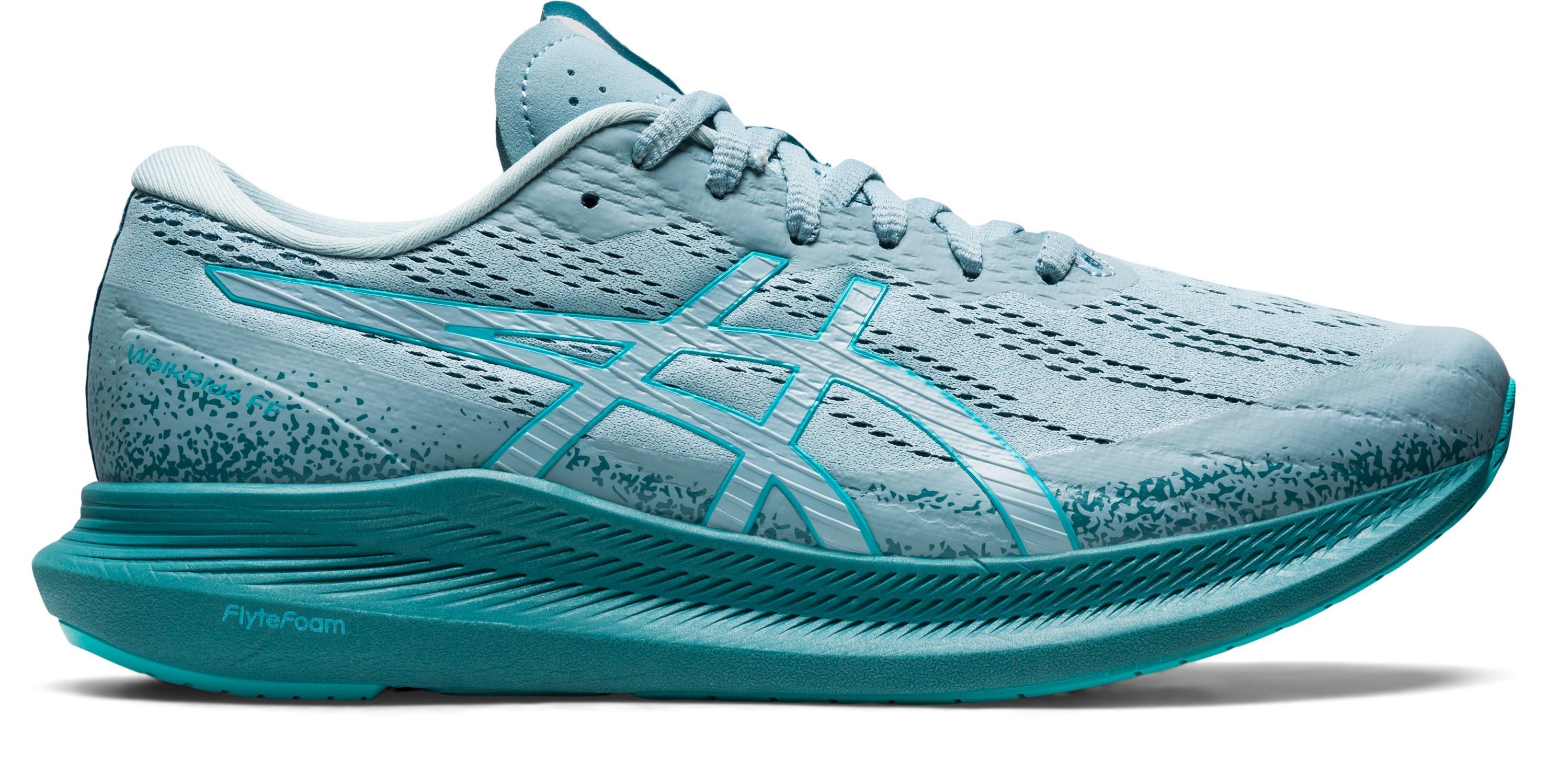
While specific models update seasonally, certain brands and technologies consistently earn podiatrists’ trust. Brands like Brooks, ASICS, New Balance, HOKA, and Saucony are frequently lauded for their commitment to biomechanical research. For instance, Brooks’ Adrenaline GTS series is a perennial favorite for its GuideRails holistic support system, which focuses on keeping excess knee movement in check without over-correcting the foot. HOKA’s Bondi or Clifton lines are celebrated for their maximal, rocker-shaped cushioning, ideal for absorbing impact on hard surfaces. For those requiring a wider fit, New Balance offers extensive size ranges. It’s important to note that a podiatrist recommended walking shoe isn’t defined by a single “best” model but by the correct match between the shoe’s properties and the wearer’s anatomy and activity. The APMA even grants a Seal of Acceptance to products that promote good foot health, providing a valuable shortcut for consumers. Investing in such a shoe is an investment in your mobility and pain-free living.
:max_bytes(150000):strip_icc()/I-Asked-Podiatrists-for-Their-Fall-Shoe-Recommendations-These-Are-Their-Top-8-Picks-8fbdf9d65f3a4228ae63f6e5253dc08c.jpg)
Smart Shopping: Integrating Professional Knowledge with Value
Knowledge is power, but value is practical. High-quality podiatrist recommended walking shoes are an investment, but there are strategic ways to shop. First, prioritize fit over fashion and always try on shoes in the afternoon or evening when feet are naturally more swollen. Wear the socks you intend to walk in. Second, consider the shoe’s lifespan. Most experts, including those at the University of Pittsburgh Medical Center, recommend replacing walking shoes every 300-500 miles, as the midsole cushioning breaks down long before the outsole shows wear. To extend value, rotate between two pairs to allow materials to decompress. Third, seek out reputable retailers, both online and brick-and-mortar, that offer gait analysis or knowledgeable fitting staff. Finally, watch for sales on previous models. When a brand releases a new version of a shoe (e.g., Brooks Adrenaline GTS 23), the outgoing model (GTS 22) often sees significant discounts while still offering 95% of the core technology and support. This approach allows you to access premium podiatrist-endorsed footwear at a more accessible price point, making superior foot health a sustainable priority.
The journey to all-day comfort begins from the ground up. By prioritizing the principles of podiatric science—targeted support, proper fit, and quality construction—you move beyond guesswork. You are not just buying a shoe; you are choosing a tool for sustained vitality. Let this understanding guide your next purchase, turning every step into a confident, comfortable, and supported stride toward better health.
