

Discover the Best Podiatrist Recommended Walking Shoes for All-Day Comfort
Your feet are your foundation, and the shoes you choose can either be a source of relentless support or a catalyst for chronic pain. For anyone who spends significant time on their feet—whether navigating city streets, exploring nature trails, or managing the demands of a busy workday—the quest for the perfect walking shoe is paramount. This isn’t about fleeting fashion trends; it’s about biomechanical harmony. The right footwear acts as a critical interface between your body and the ground, influencing your gait, posture, and overall musculoskeletal health. This guide cuts through the marketing noise to focus on the gold standard: podiatrist recommended walking shoes. We will delve into the scientific principles behind their design, explore the key features that distinguish them, and provide actionable insights to help you make an informed investment in your mobility and comfort.
The Science of Stride: Why Podiatrist Endorsement Matters
Podiatry, the branch of medicine devoted to the study, diagnosis, and treatment of disorders of the foot, ankle, and lower extremity, provides the authoritative lens through which we must evaluate footwear. A podiatrist’s recommendation is rooted in a deep understanding of anatomy, biomechanics, and pathology. Consider the simple act of walking, or gait cycle. According to literature from institutions like the University of Washington’s Department of Orthopaedics and Sports Medicine, the gait cycle is a complex series of events involving heel strike, foot flat, mid-stance, heel-off, and toe-off. Each phase places unique stresses on the bones, muscles, ligaments, and tendons. Ill-fitting or unsupportive shoes can disrupt this delicate cycle, leading to compensatory movements that cause issues far beyond the feet, including knee pain, hip misalignment, and lower back problems. A podiatrist recommended walking shoe is engineered to support the natural gait. It provides structured cushioning to absorb the shock of heel strike (which can be 1.5 times your body weight), a supportive arch to maintain proper foot alignment during mid-stance, and a flexible yet stable forefoot to facilitate a smooth toe-off. This scientific approach to design is what separates medically-informed footwear from ordinary sneakers.
:max_bytes(150000):strip_icc()/I-Asked-Podiatrists-for-Their-Fall-Shoe-Recommendations-These-Are-Their-Top-8-Picks-8fbdf9d65f3a4228ae63f6e5253dc08c.jpg)
Deconstructing the Ideal Walking Shoe: Five Non-Negotiable Features
When evaluating podiatrist recommended walking shoes, certain features consistently rise to the top. These are not mere add-ons but fundamental components of functional design. First, let’s discuss arch support. The arch of your foot is a marvel of natural engineering, acting as a shock absorber. However, flat feet (pes planus) or high arches (pes cavus) can compromise this function. Authoritative sources like the American Podiatric Medical Association (APMA) stress that proper arch support helps distribute pressure evenly across the foot, preventing conditions like plantar fasciitis. Second is heel counter rigidity. The heel counter is the firm cup at the back of the shoe. A study cited in the Journal of Foot and Ankle Research highlights that a firm, well-molded heel counter stabilizes the rearfoot, controlling excessive pronation (inward rolling) or supination (outward rolling), which are major contributors to injury. Third is adequate toe box space. As noted by renowned podiatrist Dr. Suzanne Levine on platforms like YouTube, a cramped toe box can lead to bunions, hammertoes, and neuromas. Your toes should be able to splay naturally with about a thumb’s width of space between your longest toe and the end of the shoe.
Fourth, we must consider midsole technology and cushioning. This isn’t just about softness; it’s about responsive resilience. Materials like EVA (ethylene-vinyl acetate), polyurethane, and proprietary gels (like ASICS GEL or Brooks DNA LOFT) are engineered to provide cushioning that doesn’t bottom out. They return energy with each step, reducing fatigue. Finally, the outsole traction and flexibility are crucial. The outsole needs to provide grip on various surfaces to prevent slips, but it must also bend at the correct point—at the ball of the foot, not the middle—to facilitate the natural rolling motion of the gait. A shoe that bends too easily in the arch offers no support, while one that is too rigid forces your muscles to work overtime. Finding the balance is key, and this is precisely what top-tier podiatrist recommended walking shoes achieve.
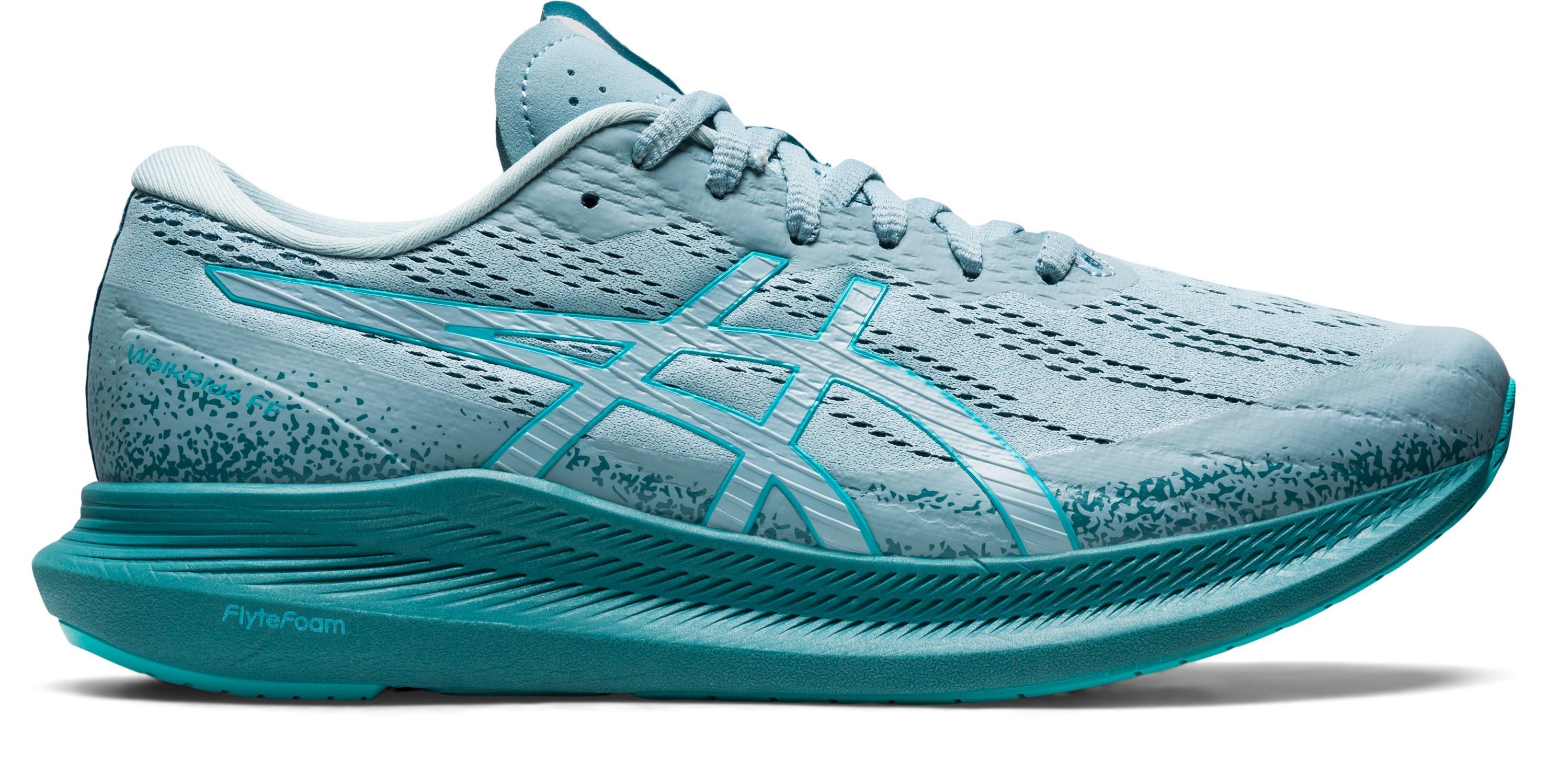
Beyond the Brand: How to Assess a Shoe for Your Unique Biomechanics
While brand recommendations are helpful, your personal biomechanics are the ultimate deciding factor. The first step is understanding your foot type and gait pattern. You can perform a simple “wet test” at home: wet your foot and step onto a piece of cardboard. A full imprint suggests a low arch or flat foot, a print with a narrow band connecting heel and forefoot indicates a neutral arch, and a print with almost no middle section points to a high arch. This knowledge guides your need for motion control (for overpronation), stability (for neutral to mild pronation), or neutral-cushioned shoes (for high arches and supination). Furthermore, consider the “twist test” advocated by many podiatrists on Quora and health forums. Hold the shoe at the heel and toe and try to twist it. A good walking shoe will resist twisting, providing the torsional stability your foot needs. Conversely, bend the shoe at the toe. It should flex easily at the ball, not in the middle. Also, always shop for shoes in the afternoon or evening, as feet naturally swell throughout the day. A shoe that fits perfectly in the morning might be painfully tight by afternoon. Remember, the goal is to find a podiatrist recommended walking shoe that feels like a natural extension of your foot from the first step, not one that requires a lengthy “break-in” period, which is often a myth that leads to blisters and discomfort.
Spotlight on Excellence: Categories of Podiatrist-Approved Footwear
The market offers exceptional options across different categories, each serving specific needs while upholding the core principles of supportive design. For the everyday urban walker, brands like Brooks and New Balance frequently receive APMA Seal of Acceptance. The Brooks Ghost series, for instance, is renowned for its balanced cushioning and smooth ride, making it a staple recommendation. For those requiring maximum stability and motion control, shoes like the ASICS GT-2000 series or the Saucony Guide are often highlighted. These incorporate medial posts—denser foam on the inner side of the midsole—to gently correct overpronation. In the realm of premium all-day comfort, HOKA ONE ONE has garnered a cult following among healthcare professionals for its maximalist cushioning. As one podiatrist noted in a Travel + Leisure feature, “The meta-rocker geometry of HOKA shoes promotes a more efficient gait cycle, reducing strain on the calves and Achilles.”
:max_bytes(150000):strip_icc()/shp-best-brooks-walking-shoes-tout-f67df3ab5afa4c08a24a63ae6dca3444.jpg)
It’s also vital to consider specialized needs. For individuals with wide feet or bunions, brands like Altra are celebrated for their FootShape™ toe boxes that allow natural toe splay. For those dealing with plantar fasciitis, shoes with exceptional arch support and a slight heel-to-toe drop, such as certain models from Vionic or the Oofos recovery sandals (often recommended for post-activity wear), can provide therapeutic relief. The common thread is that these are not arbitrary choices; they are solutions backed by podiatric understanding. As the famous quote attributed to Leonardo da Vinci goes, “The human foot is a masterpiece of engineering and a work of art.” Treating it as such requires footwear that respects its design.
Investing in Your Foundation: The Long-Term Value of Quality Shoes
Viewing a pair of podiatrist recommended walking shoes as an expense is a short-sighted perspective; it is, in fact, a critical investment in your long-term health and vitality. The cost of neglecting proper footwear can be high, manifesting as chronic pain, expensive orthotic devices, physical therapy bills, or even surgery for conditions exacerbated by poor support. Conversely, a well-chosen pair of shoes is a proactive measure for preventative care. They can enhance your performance in other physical activities, improve your posture, and significantly boost your energy levels by reducing the metabolic cost of walking with an inefficient, painful gait. Think of it as the ergonomic chair for your feet—essential equipment for the daily marathon of life. Furthermore, the durability of high-quality materials means these shoes often outlast several pairs of cheaper alternatives, providing better value over time. When you factor in the potential healthcare savings and the invaluable asset of pain-free mobility, the initial price tag of premium podiatrist recommended walking shoes becomes not just justifiable, but wise.
:max_bytes(150000):strip_icc()/tal-roundup-podiatrist-loved-shoes-on-sale-tout-bdbf5721fa5642efa38b61f6a5b4ff34.jpg)
Your Path Forward: Making an Informed Choice
The journey to finding your ideal walking companion begins with prioritizing function over fashion, science over style. Use the knowledge of arch support, heel counters, and gait analysis as your compass. Seek out brands and models that carry professional endorsements, such as the APMA Seal, and don’t hesitate to consult with a podiatrist for a personalized assessment if you have existing foot concerns. Remember, the best shoe is the one that disappears on your foot—not because you can’t feel it, but because it moves in perfect, comfortable unison with you. It provides a stable platform, absorbs the relentless impact of the pavement, and propels you forward with ease. By choosing podiatrist recommended walking shoes, you are not merely selecting footwear; you are affirming a commitment to walking through life with greater comfort, resilience, and joy. Your feet carry you everywhere; it’s time to carry them with the support they truly deserve.
