

Discover the Best Podiatrist Recommended Walking Shoes for All-Day Comfort
Your feet are the foundation of your movement, and the shoes you choose can either be a source of relentless support or a catalyst for chronic discomfort. For anyone who spends significant time on their feet—whether navigating city streets, exploring nature trails, or managing the demands of a busy workday—the quest for the perfect walking shoe is paramount. This isn’t merely about fashion or fleeting trends; it’s a physiological necessity. The right footwear acts as a critical interface between your body and the ground, influencing everything from your gait and posture to the long-term health of your joints. This guide delves into the science and expert recommendations behind podiatrist recommended walking shoes, moving beyond marketing claims to uncover the features that genuinely contribute to all-day comfort and foot health. We will explore the anatomical principles that inform these recommendations, examine key features through the lens of biomechanics, and provide actionable insights to help you make an informed investment in your mobility.
:max_bytes(150000):strip_icc()/tal-10-podiatrist-approved-open-toed-shoes-tout-00bd6ff1c36a49cdbbff486b0b54fb27.jpg)
The Foundation: Why Podiatrist Expertise Matters
Podiatry, the branch of medicine devoted to the study, diagnosis, and treatment of disorders of the foot, ankle, and lower extremity, provides the authoritative framework for evaluating footwear. A podiatrist’s recommendation is grounded in a deep understanding of biomechanics—the science of movement. According to resources from institutions like the American Podiatric Medical Association (APMA), improper footwear is a leading contributor to common ailments such as plantar fasciitis, metatarsalgia, bunions, and Achilles tendonitis. The goal of a podiatrist recommended walking shoe is not to correct a severe pathology (which may require orthotics or surgery) but to prevent these issues by promoting natural, healthy foot function. This involves a delicate balance: providing sufficient cushioning to absorb the repetitive impact forces of walking, which can exceed 1.5 times your body weight with each step, while also offering the structural stability to control excessive or unnatural motion, such as overpronation or supination. It’s a principle echoed in sports medicine literature from universities worldwide, which emphasizes that footwear should complement, not constrain, the foot’s intrinsic mechanics. When you choose a shoe bearing the APMA Seal of Acceptance or one frequently cited by podiatrists, you are leveraging clinical insight designed to distribute pressure evenly and support the foot’s three arches—medial longitudinal, lateral longitudinal, and transverse—throughout the gait cycle.
Decoding the Essential Features of a Superior Walking Shoe
Navigating the sea of athletic footwear can be overwhelming. Terms like “energy return,” “motion control,” and “adaptive cushioning” are ubiquitous. To cut through the noise, we must focus on the non-negotiable structural elements that podiatrists consistently highlight. First is the heel counter. This is the firm cup at the back of the shoe that cradles the heel bone (calcaneus). A rigid, well-padded heel counter is crucial for stabilizing the rearfoot, preventing lateral slippage that can lead to blisters and more serious instability. Second is the midsole. This is the heart of the shoe’s cushioning and stability system. Materials like EVA (ethylene-vinyl acetate), polyurethane, and newer proprietary foams like Brooks’ DNA LOFT or ASICS’ FlyteFoam provide the shock absorption. The design of the midsole, including its density and geometry, determines the level of support. For instance, a dual-density midsole, where the medial (inner) side is firmer, is a hallmark of stability shoes designed for overpronators. Third is the toe box. As noted by countless footwear experts on platforms like Quora and in wellness publications, a spacious, foot-shaped toe box allows the toes to splay naturally upon weight-bearing. This is vital for balance, propulsion, and preventing deformities like hammertoes. Constriction in the forefoot can compress the metatarsal bones and the network of nerves between them, potentially leading to neuromas.
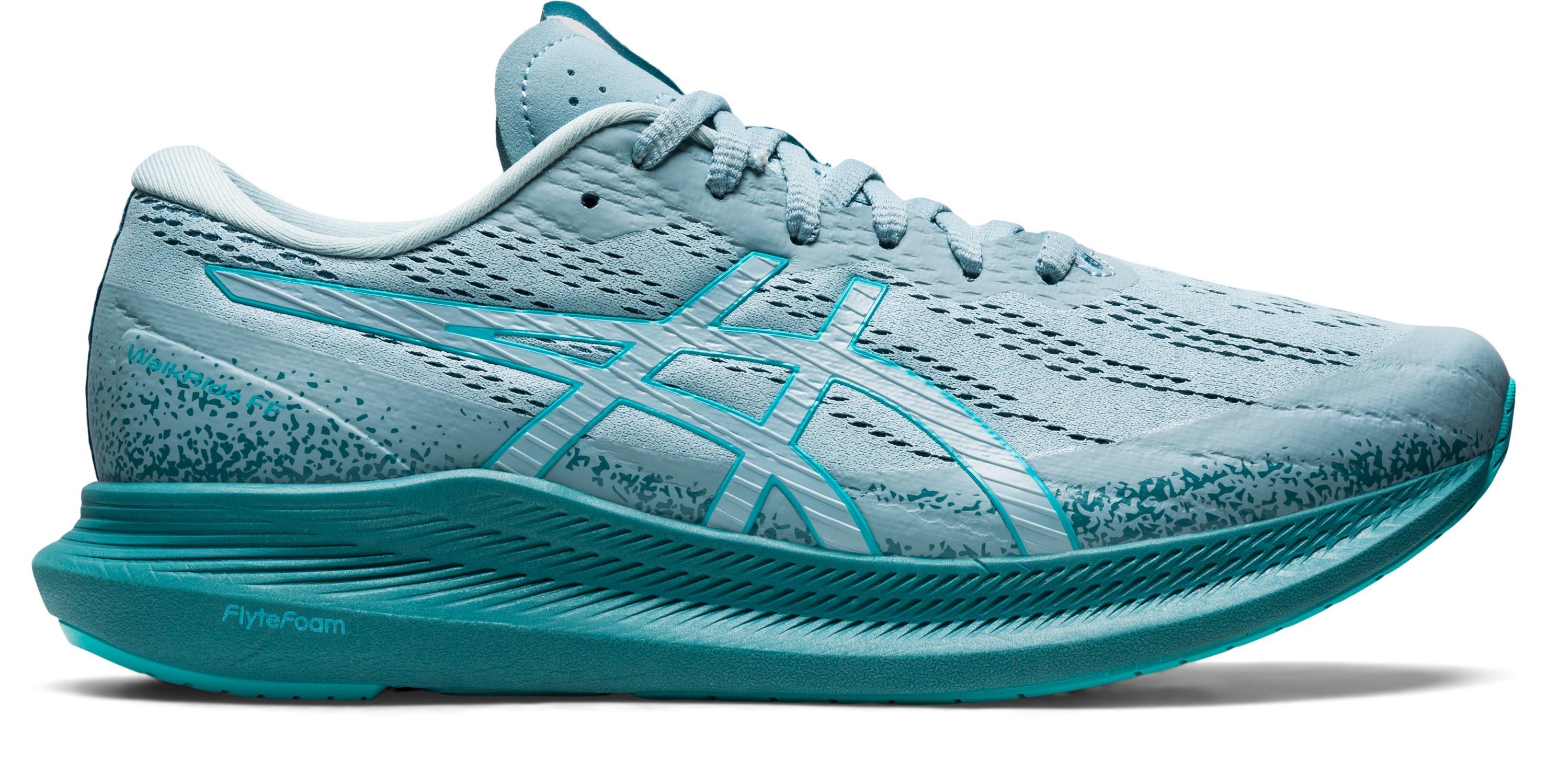
Material Science and Breathability: Beyond Basic Comfort
The composition of the shoe’s upper is often overlooked but is fundamental to all-day comfort. Modern podiatrist recommended walking shoes utilize engineered meshes, knit fabrics, and synthetic leathers that offer a strategic blend of durability, flexibility, and, most importantly, breathability. The foot has approximately 250,000 sweat glands and can excrete over a half-pint of moisture per day. A non-breathable upper creates a hot, humid environment conducive to fungal infections like athlete’s foot and bacterial growth. Materials that facilitate air circulation help regulate temperature and moisture, keeping the foot dry and reducing friction. Furthermore, the flexibility of the upper material in the forefoot must complement the shoe’s overall design. It should bend easily at the points where your foot naturally flexes (the metatarsophalangeal joints) without compromising the structure holding the midfoot. This concept is supported by ergonomic research cited in resources from authoritative university kinesiology departments, which stress that restrictive uppers can inhibit the windlass mechanism—a vital biomechanical function where the plantar fascia tightens to raise the arch and create a rigid lever for push-off during walking. Therefore, the ideal upper provides a secure, glove-like fit without pressure points, crafted from materials that manage the microclimate of the foot.
The Personal Fit: How Your Gait and Foot Type Dictate Choice
There is no single “best” walking shoe for everyone because our feet and walking patterns are as unique as our fingerprints. The most critical step before purchasing is understanding your foot type and gait. This generally falls into three categories: neutral, overpronation, and underpronation (supination). You can perform a simple wet test at home: wet your foot and step onto a piece of cardboard or paper. If you see about half of your arch, you likely have a neutral gait. If you see almost your entire foot, you may overpronate (feet roll inward excessively). If you see only a narrow band connecting the heel and ball, you may supinate (feet roll outward). This self-assessment, often detailed on health websites like WebMD and in podiatric advice columns, is a starting point. For persistent pain or uncertainty, a professional gait analysis at a specialty running store or a podiatrist’s office is invaluable. This analysis will directly inform the type of podiatrist recommended walking shoes you need. A neutral foot with a efficient gait can enjoy a wide range of cushioned or neutral shoes. An overpronator will benefit significantly from stability or motion control shoes with the aforementioned firmer medial posts. A supinator, who absorbs shock poorly, needs highly cushioned and flexible shoes to encourage natural motion. Ignoring this alignment is akin to putting the wrong grade of fuel in a high-performance engine; it may run, but not efficiently, and damage will accumulate over time.
:max_bytes(150000):strip_icc()/podiatrist-recommended-walking-shoes-e1b90077185d4e6cadbf6327c4d17db7.jpg)
Investing in Longevity: The True Cost of Quality Footwear
It is a common hesitation: high-quality, podiatrist recommended walking shoes often carry a higher upfront cost than generic big-box store alternatives. However, this perspective misses the holistic cost-benefit analysis. Consider the shoe as durable medical equipment for the active individual. The advanced materials, precision engineering, and rigorous testing that go into brands consistently endorsed by foot care professionals justify the price. These shoes are designed with longevity in mind, using outsoles made of carbon rubber or high-abrasion compounds in key wear areas to extend the shoe’s life. More importantly, the investment is in prevention. The cost of treating a single case of plantar fasciitis—involving physical therapy, orthotics, pain management, and potential lost productivity—can far exceed the price of several premium shoe pairs. As the famous quote attributed to Benjamin Franklin goes, “An ounce of prevention is worth a pound of cure.” This wisdom is profoundly applicable to foot health. Furthermore, the market offers avenues for value. End-of-season sales, manufacturer refurbishment programs, and discounts from authorized retailers can make these essential tools more accessible. The key is to prioritize fit and function over brand name alone; a properly fitted shoe from a reputable brand focused on biomechanics is the core objective.
“The human foot is a masterpiece of engineering and a work of art.” – This sentiment, often paraphrased from the notebooks of Leonardo da Vinci, underscores the complexity we are dealing with. We should no more encase this masterpiece in ill-fitting, unsupportive footwear than we would ship a priceless painting without proper protection.
Integrating Your New Shoes into Daily Life
Acquiring the perfect pair is only the first step; integrating them correctly is the next. A common mistake is to transition abruptly from old, worn-out shoes to new ones for a full day of activity. The new support structures and pressure points, even in an excellent fit, require an adaptation period. Podiatrists and seasoned walkers recommend a break-in process: wear the new shoes for just a few hours indoors initially, gradually increasing the duration over a week. Pay close attention to any areas of hot spots or rubbing. It’s also essential to monitor the lifespan of your shoes. The cushioning and support materials in the midsole break down from compression long before the outsole is visibly worn. The general consensus among experts, from Runner’s World guidelines to podiatrist blogs, is to replace walking shoes every 300 to 500 miles. For a person walking 5 miles a day, 5 days a week, this translates to replacement every 3 to 4 months. Using an old pair of podiatrist recommended walking shoes past their functional prime negates all their benefits, as the degraded midsole no longer provides adequate shock absorption or stability, leaving your feet and joints vulnerable to stress.

Your journey toward all-day comfort begins with recognizing that footwear is a vital component of your health infrastructure. The search for the best podiatrist recommended walking shoes is an investment in your body’s foundational mobility. By prioritizing the biomechanical principles of a secure heel counter, a supportive and cushioned midsole tailored to your gait, and a breathable, spacious upper, you actively participate in preserving the intricate mechanics of your feet. This informed approach, supported by podiatric science and material innovation, transforms walking from a potential source of ache into a sustainable, joyful, and health-promoting activity. Let your shoes be the reliable, silent partners that carry you confidently through every step of your day.
