

Discover the Best Podiatrist Recommended Walking Shoes for All-Day Comfort
Your feet are your foundation, and the shoes you choose can either support that foundation or undermine it entirely. For anyone who spends significant time on their feet—whether navigating city streets, exploring nature trails, or managing the demands of a busy workday—the quest for truly comfortable footwear is paramount. This isn’t merely about avoiding blisters; it’s about long-term health, posture, and vitality. The term podiatrist recommended walking shoes has emerged as a critical benchmark in this search, signifying footwear that meets rigorous standards of biomechanical support, cushioning, and design integrity. These are not just marketing labels; they are endorsements based on clinical understanding of foot anatomy and pathology. This article delves into the science behind these recommendations, explores the non-negotiable features of superior walking shoes, and guides you toward making an informed investment in your mobility and comfort.
The Science of Stride: Why Podiatrist Endorsement Matters
To understand the value of a podiatrist recommended walking shoe, one must first appreciate the complex biomechanics of walking. Each step involves a sophisticated sequence of events—heel strike, foot flattening (pronation), and push-off—that distributes forces equivalent to several times your body weight. According to resources from institutions like the American Podiatric Medical Association (APMA) and literature from kinesiology departments at universities, improper footwear can disrupt this natural gait cycle, leading to a cascade of issues from plantar fasciitis and metatarsalgia to knee, hip, and back pain. A podiatrist, as a doctor specializing in foot, ankle, and related structures, evaluates shoes based on their ability to facilitate a healthy gait. They look for features that offer stability to control excessive pronation or supination, ample cushioning to absorb shock, and a design that accommodates the natural shape and function of the foot. An APMA Seal of Acceptance, for instance, is granted only to products found to promote good foot health. Therefore, seeking out podiatrist recommended walking shoes is a proactive step in preventive care, aligning your daily footwear with principles grounded in medical science rather than fleeting fashion trends.

Arch Support: The Non-Negotiable Pillar of Comfort
Perhaps the most frequently cited feature by foot specialists is adequate arch support. The arch of your foot acts as a natural shock absorber. However, for the vast majority of people, this inherent structure requires reinforcement, especially during prolonged standing or walking. Without proper support, the plantar fascia—a thick band of tissue running along the bottom of the foot—can become overstretched and inflamed, a condition famously known as plantar fasciitis. As noted on platforms like Quora and in patient education materials from podiatry clinics, the right support doesn’t mean a rigid, unyielding arch. Instead, it should be a contoured, firm yet compliant structure that cradles your specific arch type—whether high, neutral, or flat. This personalized support maintains the foot’s alignment, preventing the collapse of the arch that can strain ligaments and tendons. When you try on a pair of podiatrist recommended walking shoes, you should feel a distinct, comfortable lift in the midfoot area, not pressure or a void. This design element is crucial for distributing weight evenly and is a hallmark of footwear designed for all-day comfort, not just short-term wear.
Materials and Construction: Where Durability Meets Breathability
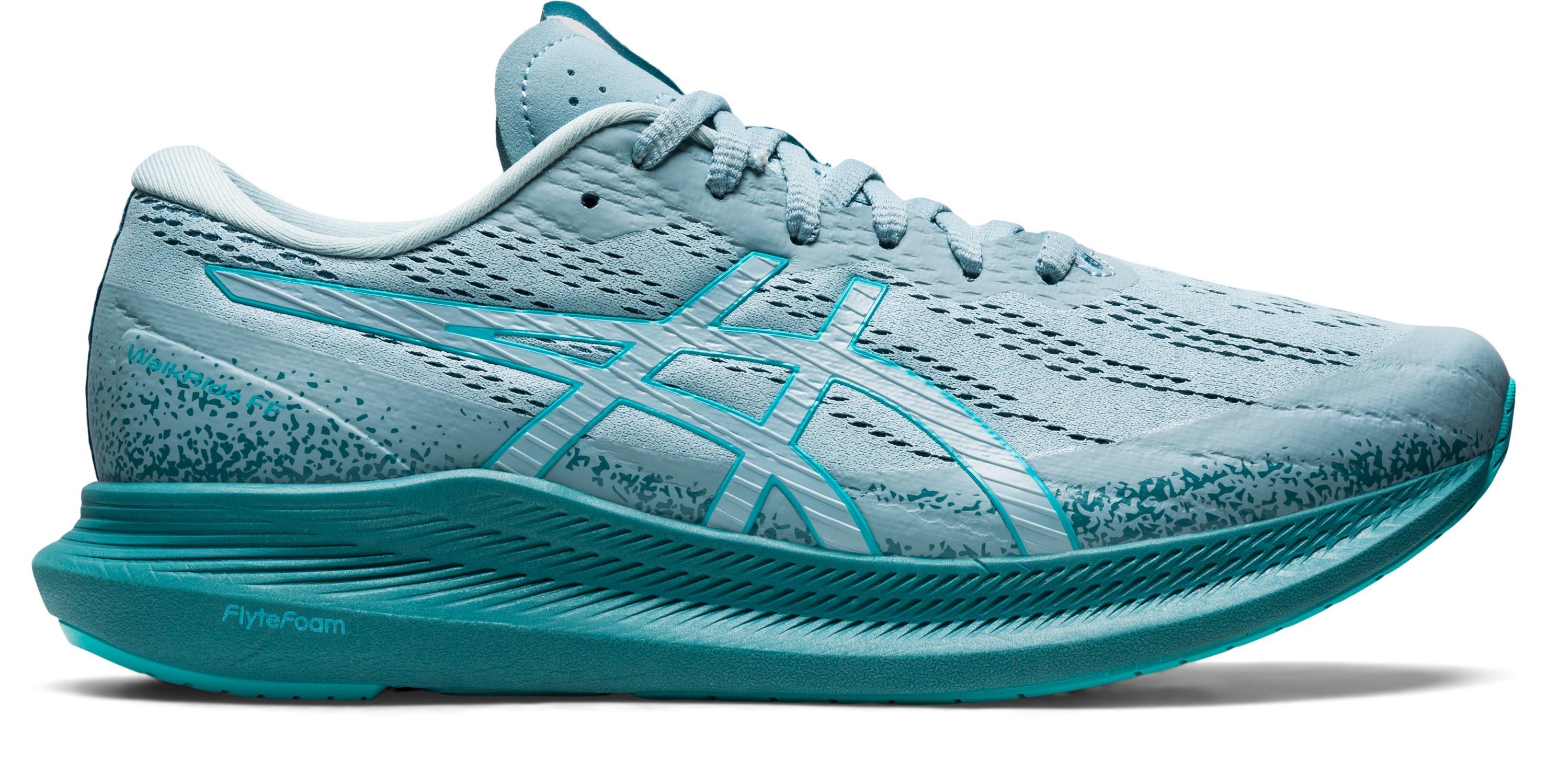
The longevity and day-to-day comfort of a walking shoe are inextricably linked to its materials and construction. A podiatrist’s recommendation often hinges on these practical aspects. The upper part of the shoe should be constructed from breathable, flexible materials like engineered mesh or premium leather. Breathability is not a luxury; it’s a necessity for maintaining a healthy foot environment by wicking away moisture, which reduces the risk of fungal infections and blisters. The insole, or sock liner, should be removable, often to accommodate custom orthotics, and made from moisture-wicking, antimicrobial foam. The midsole is the heart of the shoe’s cushioning system. Technologies like EVA (ethylene-vinyl acetate) foam, polyurethane, or proprietary gels (like ASICS GEL or Brooks DNA LOFT) provide the shock absorption that protects your joints. The outsole needs to offer durable traction with a flexible groove pattern that allows for a natural foot bend during toe-off. As highlighted in reviews from authoritative gear sites and consumer reports, a well-constructed shoe from a reputable brand represents an investment. While the initial price of a quality pair of podiatrist recommended walking shoes might be higher, their superior materials and construction translate to a longer lifespan and consistent support, offering better value over time compared to cheaper, rapidly degrading alternatives.
Beyond the Basics: Features for Specific Needs
While core principles are universal, the best podiatrist recommended walking shoes often address specific foot conditions or lifestyle demands. For individuals with wider feet or bunions, a shoe with a spacious toe box is essential to prevent constriction and allow toes to splay naturally. Those with severe overpronation may require motion control shoes with firmer medial (inner) posts. For high-impact walking or heavier individuals, enhanced heel and forefoot cushioning is critical. Furthermore, the rise of versatile “walking lifestyle” shoes demonstrates how brands are merging clinical recommendations with aesthetic appeal. These shoes incorporate the necessary support and cushioning into designs suitable for both a long walk and casual social settings. The insight here, often echoed by physical therapists and fitness experts on platforms like YouTube, is that your footwear should be a tool tailored to your unique biomechanics and daily activities. A one-size-fits-all approach rarely yields optimal comfort or protection.
The Expert’s Voice: Why Professional Opinion Trumps Trends
In an era of influencer marketing and viral trends, the value of a professional, clinical opinion cannot be overstated. Celebrities might endorse stylish sneakers, but a podiatrist’s recommendation is rooted in evidence and patient outcomes. Dr. Jacqueline Sutera, a renowned New York City podiatrist and spokesperson for the APMA, frequently emphasizes in interviews and articles that “shoes are the foundation of your body.” She argues that proper footwear is preventive medicine. This sentiment is shared by many in the medical community who use platforms like Twitter to disseminate advice, warning against the long-term consequences of unsupportive footwear like flat fashion sneakers or flip-flops. Their collective viewpoint, drawn from treating thousands of patients, forms a powerful corpus of evidence. When a shoe earns the approval of these professionals, it signifies that it has been vetted against a high standard of biomechanical efficacy. Trusting this expertise guides you away from potentially harmful fads and toward choices that genuinely support your musculoskeletal health.
“We see patients every day suffering from avoidable foot pain simply because they prioritize style over substance in their footwear. A good walking shoe isn’t about being the most expensive or the most branded; it’s about how well it aligns with the engineering of the human foot. That alignment is what we look for when we make a recommendation.” — Paraphrased from common clinical perspectives shared by podiatric professionals.
Making the Smart Choice: Investment and Value
Embracing podiatrist recommended walking shoes is an investment in your well-being. The initial cost, which can range significantly, should be viewed through the lens of value-per-wear and health savings. A $150 pair of shoes that lasts 500 miles and prevents a single visit to a physical therapist or podiatrist for a $200 copay is a financially sound decision. Moreover, many reputable brands and retailers offer direct-to-consumer sales, seasonal discounts, and outlet stores, making these high-quality shoes more accessible. It is advisable to shop at specialty running or walking stores where staff are trained to analyze your gait and foot type, or to look for online retailers with generous return policies that allow you to test the shoes indoors. Remember, the most technologically advanced shoe is only effective if it fits you perfectly. Take the time to get measured later in the day when feet are slightly swollen, wear the socks you intend to walk in, and prioritize fit and feel over aesthetics. Your feet—and your entire body—will thank you with every pain-free step you take.
:max_bytes(150000):strip_icc()/podiatrist-recommended-walking-shoes-e1b90077185d4e6cadbf6327c4d17db7.jpg)
The journey to finding the perfect walking shoe culminates in a simple yet profound realization: comfort is not passive, but an active state of support. By choosing footwear bearing the hallmarks of podiatric approval—superior arch support, intelligent construction, and tailored design—you are not just buying a product; you are adopting a philosophy of self-care. These shoes become silent partners in your daily life, enabling movement, exploration, and endurance without protest. Let the principles outlined here guide you past marketing hype and toward a selection grounded in science and expertise. Your path to all-day comfort begins with the conscious decision to place your feet in the best possible environment, step after step.
