

Discover the Best Podiatrist Recommended Walking Shoes for All-Day Comfort
Your feet are your foundation, and the shoes you choose can either be a source of relentless support or a catalyst for chronic discomfort. For anyone who spends significant time on their feet—whether navigating city streets, exploring nature trails, or managing the demands of a busy workday—the quest for the perfect walking shoe is paramount. This isn’t merely about fashion or fleeting trends; it’s a physiological necessity. The right footwear acts as a critical interface between your body and the ground, influencing everything from your gait and posture to joint health and energy levels. When we specifically seek out podiatrist recommended walking shoes, we are tapping into a realm of footwear designed with medical insight into biomechanics, pathology, and preventative care. These are not just shoes; they are engineered solutions endorsed by foot health specialists—podiatrists—who understand the intricate architecture of the human foot and the common ailments that plague it, from plantar fasciitis and bunions to metatarsalgia and overpronation. This guide delves deep into the science, selection criteria, and standout models that define this category, empowering you to make an informed choice that prioritizes long-term well-being over short-term style.
:max_bytes(150000):strip_icc()/podiatrist-recommended-walking-shoes-e1b90077185d4e6cadbf6327c4d17db7.jpg)
The Podiatric Perspective: Why Expert Recommendation Matters
Podiatry, as defined by authoritative sources like the American Podiatric Medical Association (APMA), is the branch of medicine devoted to the study, diagnosis, and medical and surgical treatment of disorders of the foot, ankle, and lower extremity. A podiatrist’s recommendation carries weight because it is rooted in clinical observation and biomechanical research. They witness firsthand the consequences of poor footwear: the stress fractures from inadequate cushioning, the exacerbated arthritis from poor alignment, and the debilitating heel pain from lack of arch support. When a podiatrist recommends a shoe, they are evaluating it against a stringent set of criteria that transcend mere aesthetics. They assess the shoe’s last (its shape), its motion control capabilities, its heel counter stability, its forefoot flexibility, and the quality of its midsole foam. For instance, the concept of “overpronation”—the excessive inward roll of the foot after landing—is a common concern they address. As noted on platforms like Quora and in literature from institutions like the University of Pittsburgh School of Medicine, unchecked overpronation can lead to a cascade of issues, including shin splints, knee pain, and even hip problems. Therefore, a podiatrist recommended walking shoe often incorporates features like medial posts or dual-density midsoles to correct this motion, providing stability where the wearer’s own anatomy may not. This scientific grounding transforms the shoe from a passive covering into an active therapeutic device.
Decoding the Anatomy of the Ideal Walking Shoe
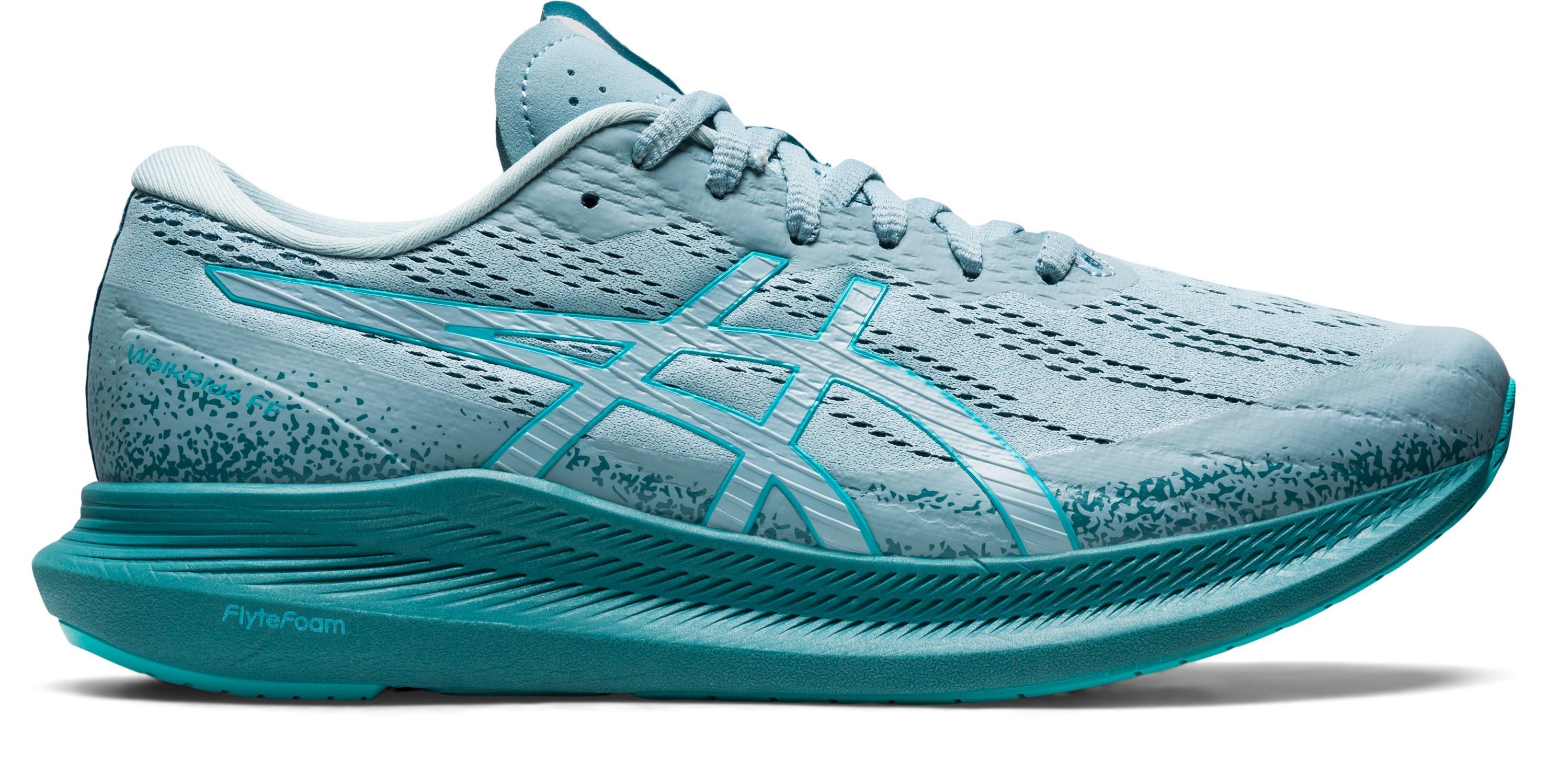
To understand what makes a shoe worthy of podiatric endorsement, one must become familiar with its functional anatomy. The upper of the shoe must be constructed from breathable, yet supportive materials that accommodate the foot’s natural swelling throughout the day without causing constriction or hot spots. Seamless interiors are often preferred to minimize friction and blister risk. The heel counter—the rigid material that cups the heel—must be firm and well-padded to lock the heel in place, preventing slippage that can lead to Achilles tendonitis. The midsole is the heart of the shoe’s performance. Today’s top podiatrist recommended walking shoes utilize advanced polymer foams like Brooks’ DNA LOFT, ASICS’ FlyteFoam, or proprietary EVA compounds that offer a balance of soft cushioning for shock absorption and resilient bounce-back for energy return. The outsole requires a durable rubber with a flexible groove pattern to facilitate a natural heel-to-toe transition and provide reliable traction. Perhaps most critically, the arch support must be tailored. A one-size-fits-all arch is a myth; proper support matches the individual’s arch type (neutral, low, or high). This is why many podiatrists recommend brands that offer multiple width options and models tailored to different gait patterns. The goal is a harmonious system where each component works in concert to maintain the foot in a neutral, efficient position throughout the walking stride.
:max_bytes(150000):strip_icc()/shp-best-brooks-walking-shoes-tout-f67df3ab5afa4c08a24a63ae6dca3444.jpg)
Top Contenders: A Closer Look at Podiatrist-Approved Models
The market offers several standout lines consistently praised by foot care professionals and satisfied wearers alike. Brooks, a brand frequently cited in runner’s forums and by sports medicine clinics, has successfully translated its running technology into the walking arena. The Brooks Addiction Walker, for example, is a staple. It features an extended progressive diagonal rollbar—a biomechanical device designed to guide the foot gently into a more neutral position, making it a classic choice for those requiring maximum stability. Another frequent mention in discussions about podiatrist recommended walking shoes is the New Balance 928. This model is built on a last specifically designed for orthotic compatibility and features a walking-specific strike pad for smoother transitions. Its reputation is bolstered by endorsements from figures in wellness communities and its frequent appearance on lists from orthopedic websites. For those seeking premium cushioning, HOKA ONE ONE’s Bondi series is revolutionary. Initially embraced by ultra-runners for its maximalist cushioning, its thick, meta-rocker midsole has been adopted by walkers and podiatrists for its ability to reduce impact stress on joints, a benefit highlighted in reviews from sources like Runner’s World and testimonials from individuals with conditions like plantar fasciitis. The common thread among these models is a commitment to addressing specific biomechanical needs with engineered solutions, rather than relying on generic comfort claims.
“The wrong shoe can create a problem, and the right shoe can often be the simplest solution. We look for shoes that provide a stable base, appropriate cushioning for the individual’s weight and activity, and a design that doesn’t fight the foot’s natural, healthy motion.” — A sentiment commonly echoed by practicing podiatrists in interviews and on professional platforms.
Beyond the Brand: The Critical Importance of Fit and Feel
Even the most highly acclaimed shoe is ineffective if it does not fit your unique foot. Podiatric wisdom emphasizes that the fitting process is non-negotiable. This means shopping later in the day when feet are at their largest, wearing the socks you intend to walk in, and ensuring there’s about a thumb’s width of space between your longest toe and the end of the shoe. The shoe should feel secure in the heel and midfoot without any pinching or pressure points across the top or sides. It’s not just about length; volume is equally crucial. A shoe that is too voluminous will allow the foot to slide, causing blisters, while one that is too shallow can compress the metatarsals. Many specialty running stores offer gait analysis, which can be invaluable for walkers as well. Observing your foot strike on a treadmill can reveal subtleties in your gait that inform the best shoe category for you. Remember, the “break-in” period for modern, high-quality podiatrist recommended walking shoes should be minimal. While some molding to your foot is expected, significant discomfort is a red flag. Your walk should feel easier, not harder, in the right pair. This personalized approach to fit is what transforms a good shoe recommendation into a great footwear experience.

Investing in Your Foundation: The Long-Term Value Proposition
It’s a practical reality that quality footwear often comes with a higher price tag. However, viewing podiatrist recommended walking shoes as an investment rather than an expense reframes the decision. Consider the potential costs of neglecting foot health: co-pays for doctor visits, physical therapy sessions, custom orthotics, and the intangible cost of pain and reduced mobility. A well-constructed shoe from a reputable brand is an investment in preventative care. The advanced materials and engineering that provide all-day comfort also contribute to the shoe’s durability, meaning they often outlast cheaper alternatives by hundreds of miles. To make this investment more accessible, savvy shoppers can look for previous model-year versions of top shoes, which are frequently discounted when new iterations are released without significant changes to core technology. Signing up for brand newsletters or following authorized retailers can alert you to seasonal sales. The key is to prioritize the technical specifications and fit that your feet need, and then seek out the best value for that specific model. The return on investment is measured in pain-free steps, sustained energy, and the preservation of your musculoskeletal health for years to come.
The journey to finding the perfect walking shoe culminates in a simple, profound shift: your footwear ceases to be an afterthought and becomes a cornerstone of your daily well-being. By prioritizing the science-backed principles of podiatric medicine—targeted support, biomechanical alignment, and meticulous fit—you select a tool that actively works with your body. The comfort provided by these engineered shoes is not a passive luxury; it is the active result of mitigating stress and promoting efficient movement. Let your choice be guided by the knowledge of what your feet truly require to thrive under the sustained pressure of daily life. When you lace up a pair of genuinely supportive podiatrist recommended walking shoes, you are not just preparing for a walk; you are honoring the complex, weight-bearing marvel that is the human foot, and ensuring it can carry you forward in comfort, mile after mile, day after day.
