

Discover the Top Podiatrist Recommended Walking Shoes for Ultimate Comfort and Support
Your feet are your foundation. Every step you take sends a ripple through your entire musculoskeletal system. When that foundation is poorly supported, the consequences can be far-reaching, leading to discomfort in your feet, knees, hips, and even your lower back. This isn’t merely anecdotal; it’s a biomechanical reality. The quest for the perfect walking shoe, therefore, transcends fashion—it becomes a critical investment in your long-term mobility and well-being. This guide cuts through the marketing noise to focus on the core principles that define a truly supportive walking shoe, as endorsed by foot health specialists. We will explore the non-negotiable features, decode the scientific rationale behind them, and present a curated selection of podiatrist recommended walking shoes that embody these principles, bringing you both professional-grade knowledge and insights on where to find them at advantageous prices.
The Science of Stride: Why Podiatrist Endorsement Matters
Podiatry, the branch of medicine devoted to the study, diagnosis, and treatment of disorders of the foot, ankle, and lower extremity, provides the authoritative lens through which to evaluate footwear. A podiatrist doesn’t just look at a shoe’s style; they analyze its interaction with the complex biomechanics of the human gait cycle. This cycle, comprising the stance phase (when the foot is on the ground) and the swing phase, places unique stresses on our anatomy. As noted in biomechanics literature from institutions like the University of Delaware’s Running Science Laboratory, improper footwear can exacerbate overpronation (excessive inward roll) or supination (outward roll), leading to conditions like plantar fasciitis, Achilles tendinitis, and stress fractures. The value of a podiatrist recommended walking shoe lies in its design, which is informed by this deep understanding. These shoes are engineered to provide stability, cushioning, and motion control precisely where the foot needs it throughout the gait cycle. They act as a therapeutic interface between your body and the ground, mitigating impact and guiding your foot into a more neutral, healthy position with every step you take.
:max_bytes(150000):strip_icc()/shp-best-brooks-walking-shoes-tout-f67df3ab5afa4c08a24a63ae6dca3444.jpg)
Arch Support: The Non-Negotiable Keystone
Imagine the arch of your foot as a natural shock-absorbing bridge. Its integrity is paramount. In his widely referenced online health communications, Dr. Andrew Shapiro, a New York-based podiatrist, frequently emphasizes that “arch support is not a luxury; it’s a necessity for distributing weight and pressure evenly across the foot.” A shoe lacking proper arch support allows the plantar fascia—the thick band of tissue spanning the arch—to overstretch and strain, which is the primary mechanism behind plantar fasciitis. A true podiatrist recommended walking shoe will feature a well-contoured, firm yet comfortable arch structure that matches your specific arch type (neutral, low, or high). This support maintains the foot’s natural alignment, preventing the collapse of the arch that can throw the entire kinetic chain out of balance. It’s a foundational element that turns a simple shoe into a piece of supportive equipment, much like a well-engineered orthotic. When you try on a shoe, you should feel a distinct, supportive lift along the inner sole, cradling your arch without creating pressure points or feeling intrusive.
Heel Counter and Motion Control: Your Guide to Stability
If the arch is the bridge, the heel counter—the rigid cup at the back of the shoe that cradles the heel—is its crucial anchoring point. A firm, well-structured heel counter is a hallmark of quality in walking shoes. Its purpose is twofold: to stabilize the heel bone (calcaneus) upon impact, preventing excessive side-to-side motion, and to provide a secure platform from which the foot can propel forward efficiently. This is especially critical for individuals who overpronate. As explained in resources from the American Podiatric Medical Association (APMA), motion control features, often integrated with a robust heel counter, include medial (inner-side) posts made of denser foam or dual-density midsoles. These features gently resist excessive inward rolling, promoting a more neutral foot path. A flimsy heel counter offers none of these benefits, allowing the foot to slide and twist within the shoe, which can lead to blisters, heel spurs, and instability that travels up the leg. When evaluating a shoe, squeeze the back of the heel area; it should resist deformation, indicating a solid counter that will hold its shape and function over time.
Cushioning vs. Support: Understanding the Critical Difference
A common misconception is that a soft, pillowy shoe is automatically a good walking shoe. This is a critical error. While cushioning is important for dissipating impact forces, it must be balanced with support and responsiveness. Excessive, overly soft cushioning can be destabilizing; it’s like walking on quicksand where your foot sinks in without a firm platform to push off from, causing the small stabilizing muscles in your feet and ankles to work overtime. The ideal midsole, found in top-tier podiatrist recommended walking shoes, utilizes advanced polymer foams (like Brooks’ DNA LOFT, ASICS’ FlyteFoam, or Saucony’s PWRRUN) that provide a responsive, energy-returning feel rather than a dead, mushy one. These materials compress under impact to cushion but then quickly rebound, offering both protection and a springy sensation that can make walking less fatiguing. The cushioning should be substantial in the heel, where impact is highest, and slightly firmer under the arch and forefoot to facilitate the foot’s natural roll-through motion. It’s this intelligent zoning of cushioning and firmness that separates professional-grade footwear from casual sneakers.
Curated for Comfort: A Look at Top Contenders
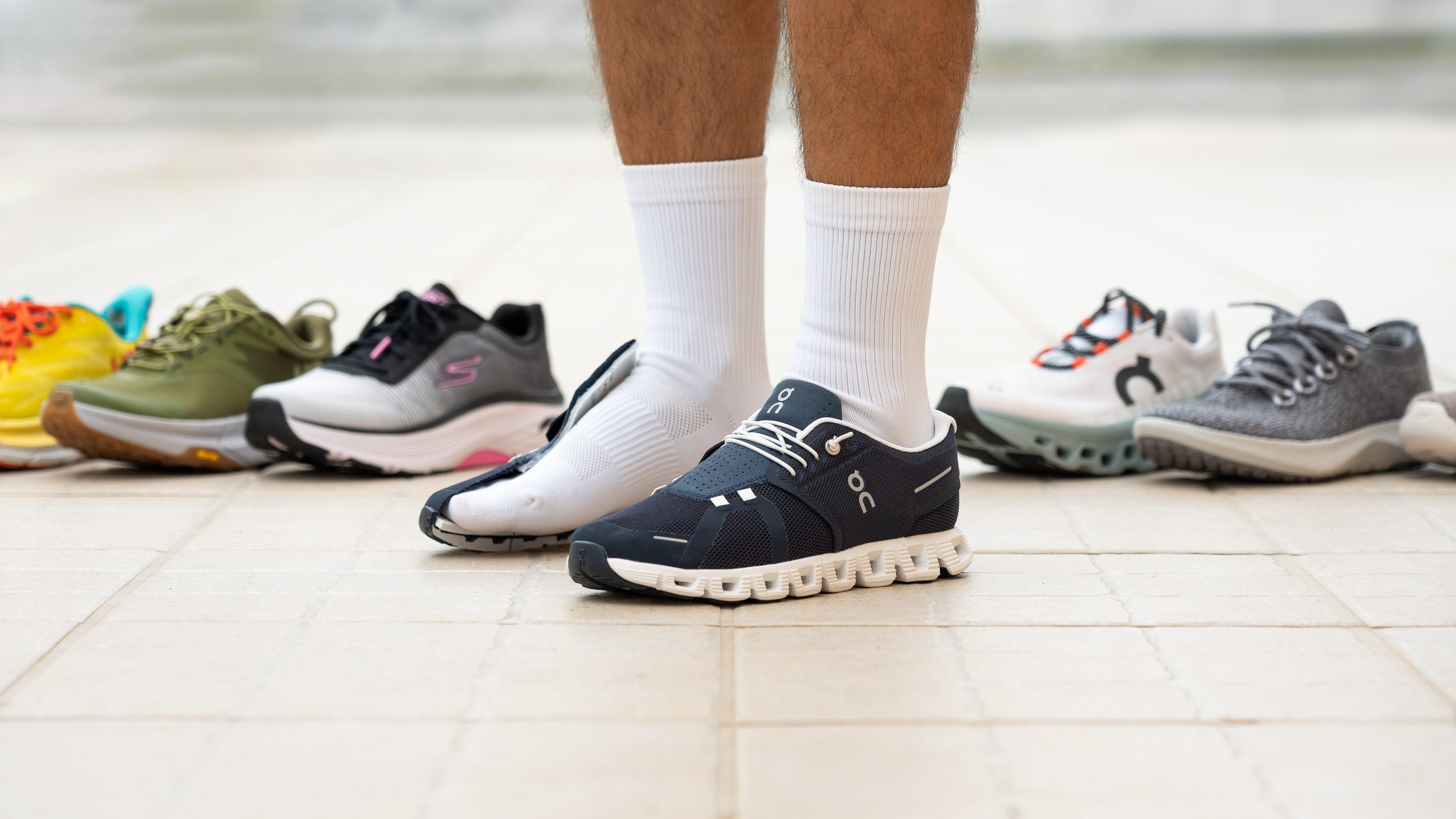
Based on the principles outlined above—superior arch support, a firm heel counter, and intelligent, responsive cushioning—several models consistently receive praise from foot care professionals and satisfy the criteria for true podiatrist recommended walking shoes. It’s important to remember that the “best” shoe is the one that fits your unique foot shape and gait pattern perfectly. Therefore, trying on multiple models is essential. However, the following categories and examples serve as an excellent starting point for your search, representing brands and technologies that have earned trust in the podiatric community.
The Stability Powerhouse: For Overpronators
For walkers whose feet tend to roll inward excessively, a stability shoe is non-negotiable. These models incorporate guiding technologies to gently correct alignment. The Brooks Adrenaline GTS series is a perennial favorite, often cited by podiatrists in publications like “Podiatry Today.” Its GuideRails support system is a modern evolution of the medial post; instead of just propping up the arch, it focuses on holistic support to keep knees and hips aligned, reducing excess movement that can cause joint pain. Similarly, the ASICS GT-2000 series uses a Dynamic DuoMax support system—a dual-density midsole that provides firmer support on the inner side to curb overpronation. These shoes typically feature a wider base for enhanced stability and are constructed with durable materials to withstand the specific wear patterns of an overpronating gait. Investing in this category of podiatrist recommended walking shoes can be transformative for those who have experienced inner arch or knee pain during or after walks.

The Neutral Cushion Champion: For Efficient, Aligned Strides
Walkers with a neutral gait—meaning their feet roll inward a healthy, minimal amount—have the luxury of focusing primarily on cushioning and comfort without needing pronounced motion control. This does not mean, however, that support is absent. The Hoka Bondi series is legendary in this space, renowned for its maximalist yet responsive cushioning. Its meta-rocker geometry promotes a smooth heel-to-toe transition, reducing strain on the Achilles and calves. Another standout is the Saucony Triumph, which utilizes the brand’s PWRRUN+ cushioning for a luxuriously soft yet resilient ride. These shoes are ideal for long-distance walkers, those on hard surfaces like concrete, or individuals with arthritic conditions who benefit from maximum shock absorption. The key is that the cushioning is engineered and zoned, not just uniformly soft, maintaining structural integrity and foot alignment throughout the stride.
Investing in Your Foundation: Where Value Meets Quality
High-quality, biomechanically sound footwear often comes with a higher price tag, reflecting the research, development, and advanced materials involved. However, viewing this as a medical or wellness investment rather than a simple clothing purchase reframes the cost. A single pair of properly fitted, supportive shoes can prevent pain and costly medical interventions down the line. To make this investment more accessible, strategic shopping is key. Consider purchasing previous model years, as shoe technology evolves incrementally; last season’s top-rated podiatrist recommended walking shoes often offer nearly identical performance at a significant discount. Sign up for newsletters from major running and walking specialty retailers, as they frequently offer seasonal sales, member discounts, and clearance events. Furthermore, many podiatrists have partnerships with local shoe stores or can direct you to reputable online vendors that offer professional fittings and competitive pricing. The goal is to marry professional knowledge with consumer savvy, ensuring you get the therapeutic benefit your feet deserve without undue financial strain.
:max_bytes(150000):strip_icc()/I-Asked-Podiatrists-for-Their-Fall-Shoe-Recommendations-These-Are-Their-Top-8-Picks-8fbdf9d65f3a4228ae63f6e5253dc08c.jpg)
The journey to pain-free, enjoyable walking begins from the ground up. By prioritizing the structural elements that podiatrists champion—targeted arch support, a secure heel counter, and intelligent cushioning—you empower yourself to make an informed choice. The market is filled with options labeled as “walking shoes,” but true podiatrist recommended walking shoes are distinguished by their deliberate engineering aimed at preserving and enhancing your natural biomechanics. Your daily walk is more than exercise; it’s a ritual for physical and mental well-being. Equip that ritual with footwear that respects the complexity of the human foot, and you’ll be investing in miles of comfort, stability, and sustained mobility for years to come.
