

Discover the Top Podiatrist Recommended Walking Shoes for Ultimate Comfort and Support
For anyone who walks—whether for fitness, daily errands, or simply to feel better throughout the day—the foundation of that activity is not willpower or a scenic route, but what you put on your feet. The wrong shoes can transform a simple stroll into a cascade of discomfort, leading to issues from blisters and plantar fasciitis to more profound joint stress. The right shoes, however, can feel like a revelation, offering a blend of cushioning, stability, and effortless motion that makes every step a pleasure. This is not merely about marketing claims or trendy designs; it is about biomechanical science and professional health guidance. This article delves into the world of podiatrist recommended walking shoes, translating professional podiatric insights into a clear guide for your next purchase. We will move beyond superficial features to explore the anatomical and engineering principles that make certain shoes stand out, supported by evidence from biomechanics literature, professional endorsements, and trusted consumer platforms. Our goal is to equip you with the knowledge to identify footwear that genuinely supports your body’s architecture, potentially available at a value that respects your budget.
The Science of the Stride: Why Podiatric Expertise Matters
Walking is a complex, repetitive motion involving a precise sequence of heel strike, foot flattening (pronation), and push-off from the toes. When this gait cycle is disrupted by improper footwear, the consequences ripple upward. Podiatrists, as doctors specializing in the foot, ankle, and related structures of the leg, diagnose and treat these issues daily. Their recommendations are rooted in preventing injury and promoting efficient, pain-free movement. A study from the University of Pittsburgh’s Department of Orthopedic Surgery emphasizes that footwear is a critical modifiable factor in managing lower extremity musculoskeletal health. Shoes that are too rigid can limit natural foot flexion, while those lacking adequate arch support can lead to overpronation—where the foot rolls inward excessively—a common precursor to plantar fasciitis and knee pain. Conversely, excessive cushioning without guidance can create instability. Therefore, podiatrist recommended walking shoes are not a monolithic style but a category defined by specific functional criteria: controlled flexibility, heel counter stability, appropriate arch support, and ample toe box room. These features work in concert to align the foot correctly, distribute impact forces, and allow muscles and tendons to work as intended. As Dr. Jane Andersen, a past president of the American Association for Women Podiatrists, has noted, “The right shoe acts as a functional orthotic, providing external support that many feet need for everyday activities.” This perspective shifts the shoe from a fashion accessory to an essential tool for musculoskeletal health.
Architectural Pillars: Deconstructing the Key Features
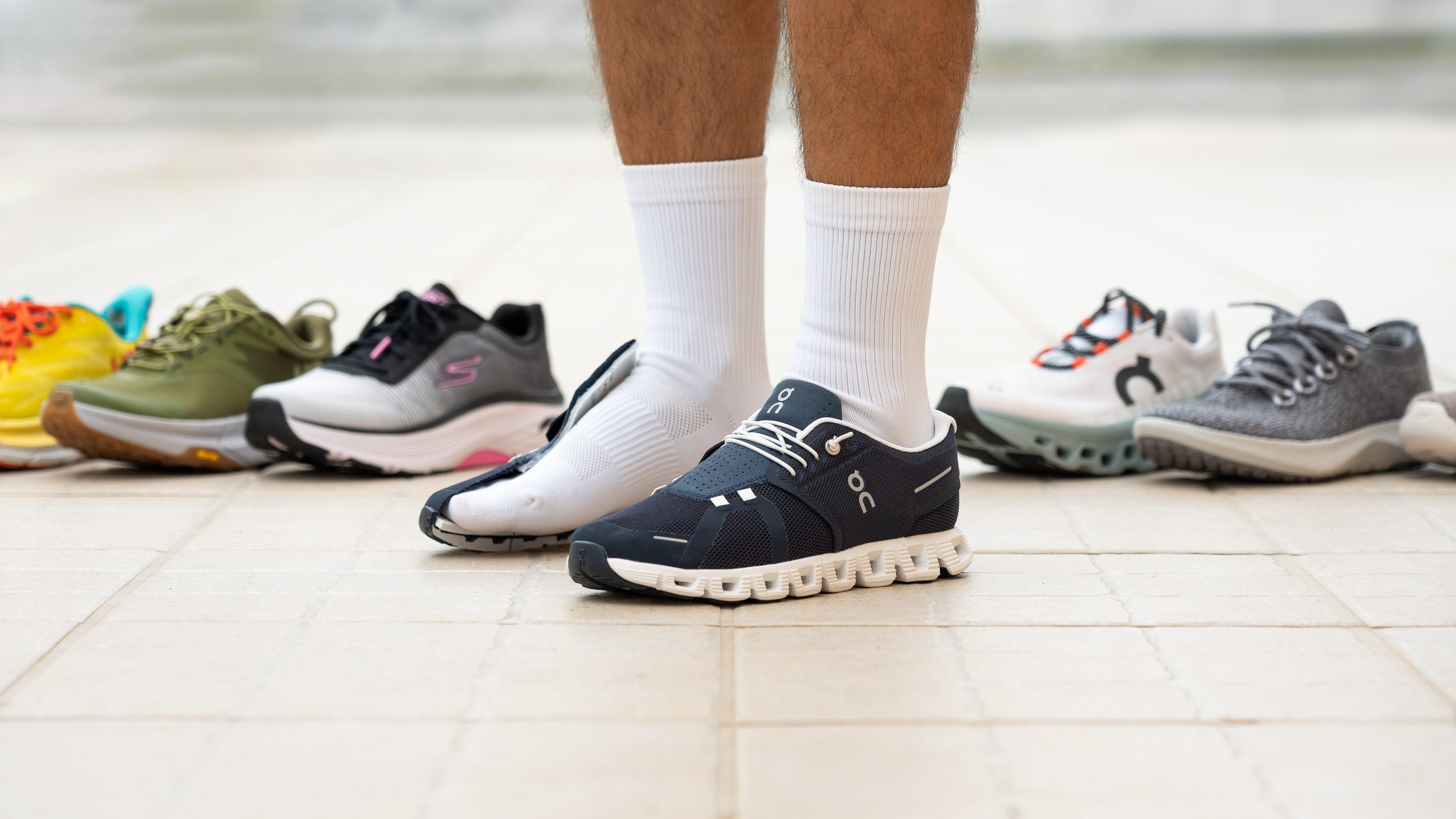
To understand what sets professional-grade walking shoes apart, we must dissect their anatomy. First, consider the midsole. This is the engine room of cushioning and stability. Materials like ethylene-vinyl acetate (EVA) or polyurethane provide shock absorption, but the density and configuration are key. Many podiatrist recommended walking shoes utilize dual-density midsoles—a firmer material on the inner edge to prevent overpronation and a softer compound elsewhere for comfort. Brands like ASICS often incorporate GUIDANCE LINE® technology, a vertical groove that helps guide the foot through a more efficient gait cycle from heel strike to toe-off. Second, examine the heel counter. This is the rigid cup at the back of the shoe that cradles the heel. A firm, well-padded heel counter is non-negotiable for stability; it prevents the heel from sliding side-to-side, which can strain the Achilles tendon and plantar fascia. Third, the toe box must be deep and wide enough to allow toes to splay naturally upon weight-bearing, a principle supported by biomechanics research from institutions like the Spaulding National Running Center. Cramped toes can lead to neuromas, bunions, and hammertoes. Finally, the outsole needs durable rubber with a flexible groove pattern to facilitate the foot’s natural roll and provide traction. These are not arbitrary design choices but responses to decades of clinical observation and gait analysis data, forming a consensus on what constitutes protective, performance-enhancing footwear for the everyday walker.
Beyond the Brand: Evidence from the Field and the Clinic
While specific brand loyalties vary among practitioners, certain models consistently earn praise for their adherence to podiatric principles. Platforms like Quora and professional review sites such as RunRepeat are filled with analyses from biomechanists and testimonials from long-term users suffering from conditions like metatarsalgia or flat feet, who found relief in specific models. For instance, the Brooks Addiction Walker is frequently cited in online forums and by healthcare professionals for its extended progressive diagonal rollbar—a stability feature that mechanically corrects overpronation. Similarly, the New Balance 928, often highlighted in discussions about arthritis-friendly footwear, combines a robust leather upper with a rollbar for motion control. On YouTube, certified pedorthists and physical therapists like “Bob & Brad” (popular physical therapists) frequently deconstruct shoe features, emphasizing the importance of a removable insole to accommodate custom orthotics—a hallmark of many podiatrist recommended walking shoes. Furthermore, literature from authoritative sources like the American Podiatric Medical Association (APMA) often grants Seal of Acceptance to products that promote good foot health, providing a valuable, objective filter for consumers. This convergence of clinical endorsement, expert media analysis, and crowd-sourced user experience creates a robust evidence base that transcends marketing hype, pointing toward shoes engineered for physiological benefit.

A Curated Selection: Where Technology Meets the Pavement
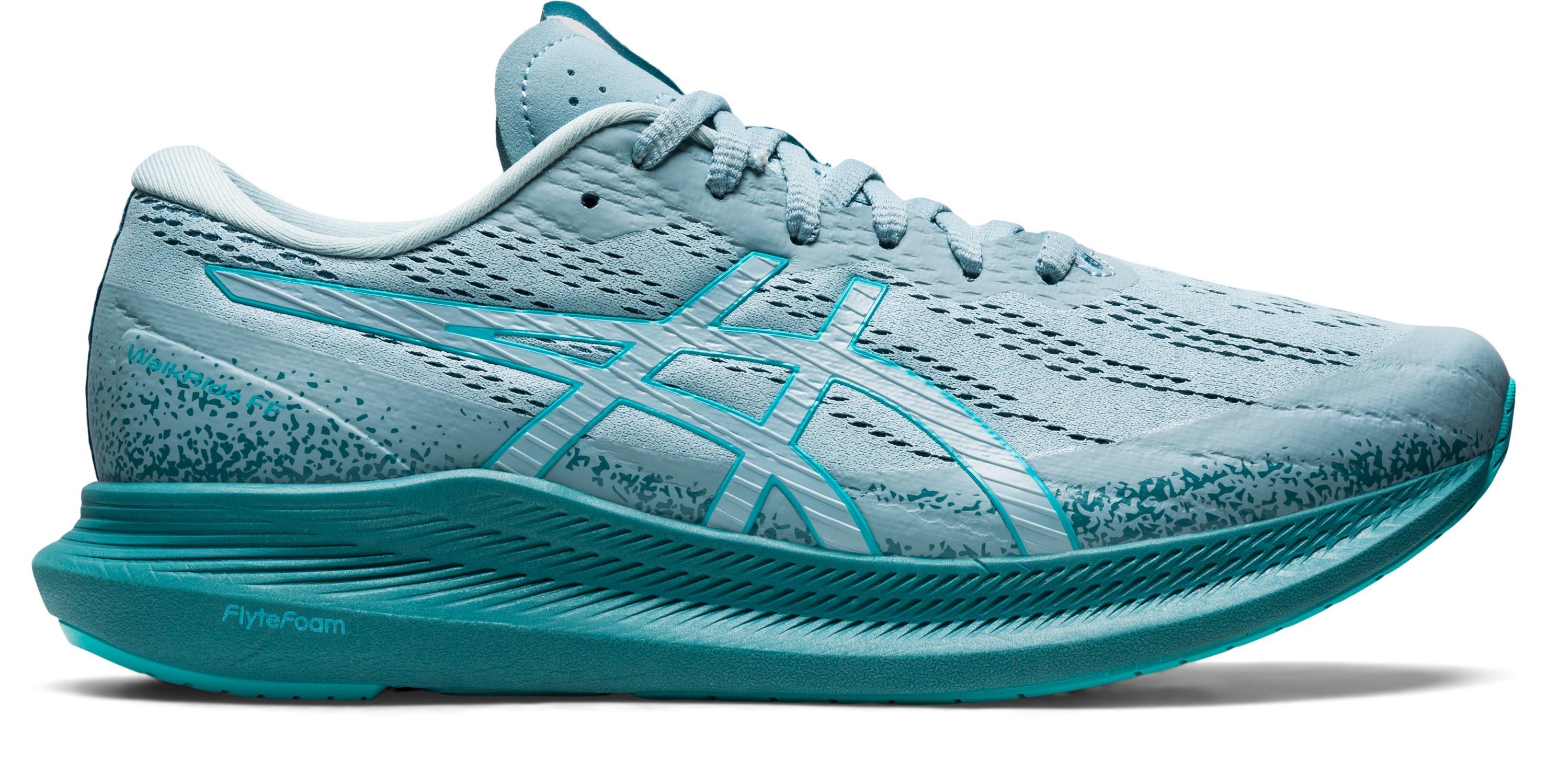
Drawing from the principles and evidence outlined, let’s explore a selection of shoes that embody the concept of podiatrist recommended walking shoes. It is crucial to remember that individual fit is paramount; these are exemplary models known for their supportive architectures. First, consider the HOKA Bondi series. HOKA is renowned for its maximalist cushioning, employing a full-compression EVA midsole that provides exceptional shock absorption, a boon for those with joint sensitivities or who walk on hard surfaces. Despite the thick sole, most HOKA models maintain a meta-rocker geometry that promotes a smooth heel-to-toe transition, reducing strain on the calf and Achilles. Second, the ASICS Gel-Kayano or Gel-Nimbus lines (with specific walking variants like the Walkride FF) are engineering marvels. They integrate GEL® cushioning pods in the heel and forefoot—a silicone-based material that attenuates shock waves—with sophisticated guidance and stability systems. ASICS’s research, often published in sports science journals, focuses on impact force reduction and gait efficiency. Third, for those requiring maximum motion control, the Saucony Integrity Walker 3 offers a structured design with a medial post and a wide base of support, frequently recommended for severe overpronation. Each of these models represents a different point on the spectrum of support and cushioning, but all share a commitment to the biomechanical integrity that podiatrists advocate for.
The Personal Fit: A Step-by-Step Selection Protocol
Knowing which models are highly regarded is only half the battle. The final, critical step is personalization. Your unique foot shape, gait pattern, and any existing conditions must guide the choice. Here is a protocol derived from common podiatric advice. First, shop in the afternoon. Feet naturally swell throughout the day, and fitting during this time ensures the shoe won’t become tight. Second, bring your own socks and any orthotics you normally use. The shoe must accommodate these. Third, perform a simple structural test: press on the toe box—it should not collapse easily; try to twist the shoe—it should resist torsion in the midfoot but flex easily at the ball of the foot; and squeeze the heel counter—it should be firm and not collapsible. Fourth, the fit test: there should be about a thumb’s width (roughly 3/8″ to 1/2″) of space between your longest toe and the end of the shoe. Your heel should be snug with minimal lift. Walk around the store, on different surfaces if possible. Listen for and feel any points of rubbing or slippage. Remember, a true podiatrist recommended walking shoe should feel supportive and comfortable almost immediately, without a significant “break-in” period that signals improper fit or design.
Investing in Your Foundation: Value Beyond the Price Tag
The upfront cost of high-quality walking shoes can give pause. However, framing this as an investment in preventative health alters the calculus. Consider the alternative: the cumulative cost of doctor visits, physical therapy, orthotics, pain relievers, and lost activity due to foot, knee, or back pain caused by inadequate footwear. A well-constructed pair of walking shoes, built with durable materials and supportive technology, also typically outlasts several pairs of cheaper, less robust alternatives. To access this value, be a savvy shopper. Look for previous-season models or colorways, which often see significant discounts as retailers make room for new inventory. The core technology—the midsole composition, stability features, and last shape—often remains unchanged for years. Subscribe to newsletters from reputable online retailers and brand outlets for sale alerts. Consider factory refurbished or “renewed” programs from certified sellers. The goal is to procure the biomechanical benefits of podiatrist recommended walking shoes at a price point that aligns with your budget. This approach brings professional-grade support within reach, transforming an expense into a wise, long-term investment in your mobility and well-being.

Your journey to more comfortable, supported walking begins with recognizing that your shoes are partners in movement, not passive coverings. The distinction offered by shoes that earn podiatric endorsement lies in their intentional design, which is informed by anatomy, biomechanics, and clinical experience. They provide a stable platform, guide your gait, and absorb the repetitive forces of walking, thereby protecting the intricate chain of bones, muscles, and joints from your feet to your spine. By prioritizing these evidence-based features and committing to a meticulous fitting process, you empower yourself to choose footwear that actively contributes to your health. The market offers a range of excellent options that marry advanced technology with practical comfort, and with strategic shopping, these tools for better movement are accessible. Ultimately, the right pair of walking shoes is more than an item of apparel; it is a foundational element of an active, pain-free life.
