

The Ultimate Guide to Podiatrist-Approved Walking Shoes
Your feet are your foundation, and the shoes you choose for walking can either support that foundation or undermine it entirely. This isn’t about fleeting fashion trends; it’s about the long-term health of your feet, knees, hips, and back. The right pair of podiatrist recommended walking shoes acts as essential equipment, not just an accessory. This guide cuts through marketing jargon to deliver objective, science-backed criteria for selecting footwear that truly supports your biomechanics. We’ll translate podiatric expertise into actionable knowledge, empowering you to make informed choices that bring comfort, prevent injury, and enhance every step you take.
The Science of Stride: Why Generic Shoes Fail Walkers
Walking is a complex, repetitive motion involving a precise sequence of heel strike, foot flattening (pronation), and toe-off. A shoe designed for running or casual fashion often disrupts this cycle. According to biomechanics literature from institutions like the University of Virginia’s Motion Analysis Laboratory, the walking gait generates forces of 1.2 to 1.5 times your body weight with each step. A generic, unsupportive shoe fails to manage this force effectively, leading to excessive stress on the plantar fascia (the band of tissue along the foot’s bottom), the Achilles tendon, and the joints of the lower limb. The American Podiatric Medical Association (APMA) emphasizes that proper footwear is a primary intervention for common ailments like plantar fasciitis and metatarsalgia. Therefore, seeking out podiatrist recommended walking shoes is not a niche concern but a fundamental aspect of preventive healthcare. These shoes are engineered with specific features—such as a beveled heel, appropriate rocker soles, and strategic cushioning—that work in harmony with, not against, your natural walking mechanics.
:max_bytes(150000):strip_icc()/I-Asked-Podiatrists-for-Their-Fall-Shoe-Recommendations-These-Are-Their-Top-8-Picks-8fbdf9d65f3a4228ae63f6e5253dc08c.jpg)
Decoding the Anatomy of a Superior Walking Shoe
To understand what makes a shoe worthy of a podiatrist’s endorsement, you must become familiar with its critical components. Let’s dissect the key features, moving from heel to toe. First, the heel counter: this is the firm cup at the back of the shoe. A sturdy, well-padded heel counter is non-negotiable. It stabilizes the rearfoot, preventing excessive heel movement that can lead to blisters, Achilles irritation, and instability. Next, consider the midsole. This is the heart of the shoe’s cushioning and support, typically made from EVA (ethylene-vinyl acetate) or polyurethane. The density and configuration of the midsole determine its support level. For instance, dual-density midsoles, where a firmer material is placed on the inner arch side, help control overpronation—a common issue where the foot rolls inward too much. The arch support should be present but not aggressively high; it should contour to your foot, not force it into an unnatural position. Finally, examine the toe box and the flex point. The toe box must be deep and wide enough to allow your toes to splay naturally without constriction. The shoe should bend easily at the ball of the foot (the metatarsophalangeal joints), aligning with your foot’s natural flex point. A shoe that bends in the middle of the arch, rather than at the toes, fundamentally disrupts your propulsion and can strain the plantar fascia.
Material Matters: Breathability, Durability, and Fit
Beyond structure, the materials used in podiatrist recommended walking shoes are chosen for function. Upper materials should be breathable, like engineered mesh, to manage moisture and temperature, reducing the risk of fungal infections. The lining should be smooth and seamless in high-friction areas to prevent hot spots. When it comes to fit, the golden rule is to shop in the afternoon, as feet naturally swell throughout the day. There should be about a thumb’s width (roughly 3/8 to 1/2 inch) of space between your longest toe and the end of the shoe. Width is equally critical; you should be able to lightly pinch a small amount of material across the widest part of your foot. Renowned podiatrist Dr. Jacqueline Sutera, often cited in media outlets like The Wall Street Journal, advises, “Your shoes should feel good the moment you put them on. The concept of ‘breaking them in’ is a myth for well-designed walking shoes. If they’re not comfortable in the store, they won’t be comfortable on the pavement.” This immediate comfort is a hallmark of a properly designed shoe that aligns with your foot’s anatomy from the first step.
Navigating Foot Types and Gait Patterns
Not all feet are created equal, and neither should all shoes be. The most effective selection process begins with understanding your foot type. A simple “wet test” can provide insight: wet your foot and step onto a piece of cardboard. If you see almost your entire foot, you likely have low arches or flat feet (overpronator). If you see a distinct curve with a narrow band connecting heel and forefoot, you have high arches (underpronator or supinator). If the print shows a moderate curve, you have a neutral arch. This classification directly informs your shoe needs. Overpronators benefit from stability or motion control shoes with firm medial (inner) posts. Supinators need highly cushioned, flexible shoes to aid in shock absorption. Neutral walkers have the widest range but still require adequate cushioning and a moderate level of support. Furthermore, consider any specific conditions. For example, a hallux rigidus (stiff big toe) requires a shoe with a rocker sole to facilitate roll-off, while a Morton’s neuroma demands a wide, spacious toe box to reduce pressure on the forefoot. Consulting a podiatrist for a professional gait analysis remains the gold standard for personalized recommendations, ensuring the podiatrist recommended walking shoes you choose are tailored to your unique biomechanical blueprint.
From Clinic to Pavement: Top Podiatrist-Trusted Brands and Models
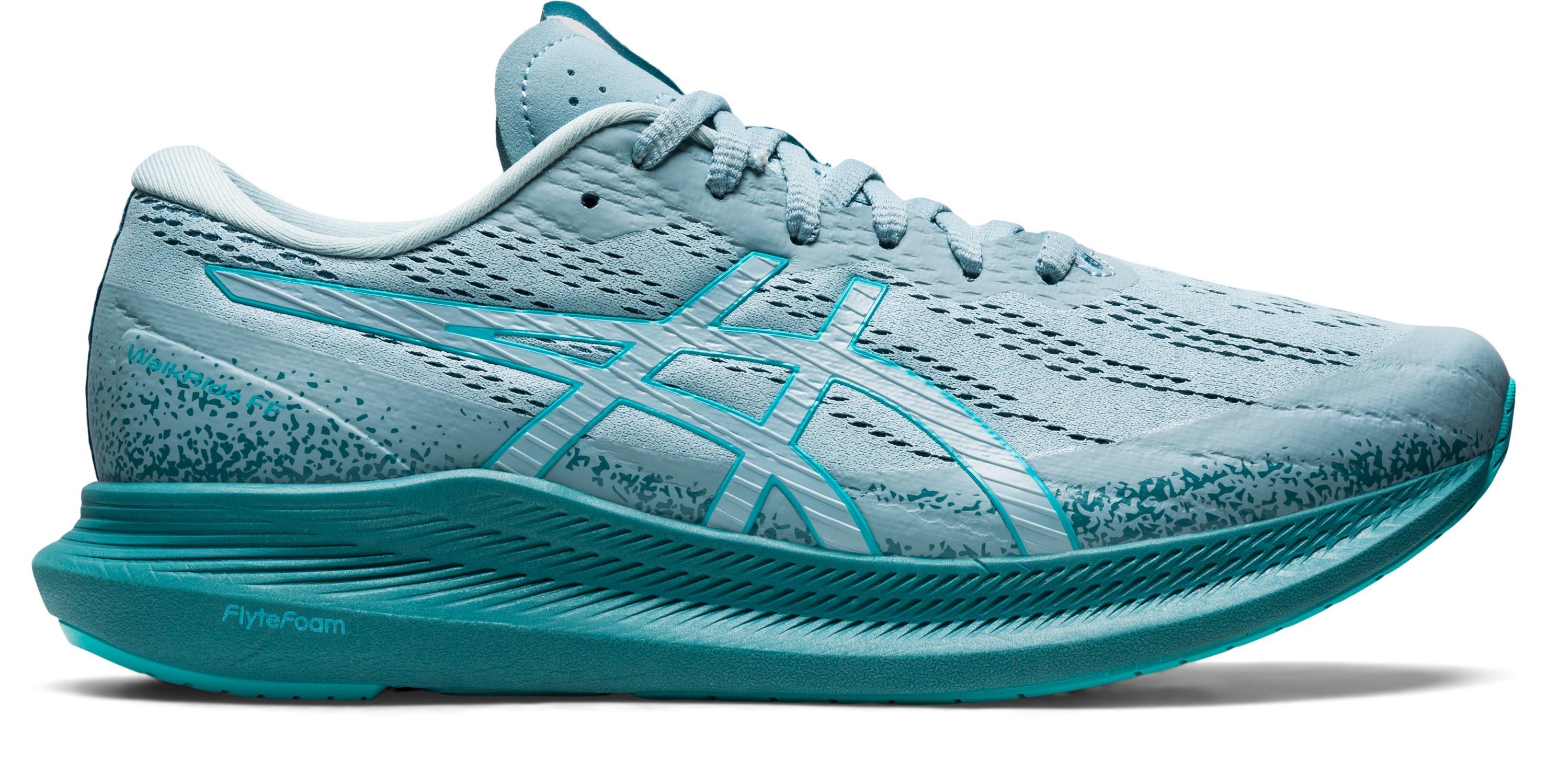
While individual needs vary, certain brands consistently earn praise from foot care professionals for their commitment to biomechanical research and quality construction. Brands like New Balance, Brooks, ASICS, HOKA, and Saucony are frequently highlighted in podiatrist round-ups on sites like EatingWell and Travel + Leisure. These companies invest heavily in research and development, often collaborating with biomechanists and clinicians. For instance, HOKA is renowned for its maximalist cushioning, which can be a revelation for walkers with joint arthritis or those who spend long hours on hard surfaces. Brooks’ walking-specific line, such as the Addiction Walker, often carries the APMA Seal of Acceptance, indicating it has been found beneficial to foot health. It’s crucial, however, to look beyond the brand name to the specific model and its features. A model praised for its stability may be disastrous for a high-arched supinator. This is where the detailed understanding of shoe anatomy and your foot type becomes actionable. You are no longer just buying a “good brand”; you are selecting a specific tool engineered for a specific function—supporting your walk.
:max_bytes(150000):strip_icc()/tal-roundup-podiatrist-loved-shoes-on-sale-tout-bdbf5721fa5642efa38b61f6a5b4ff34.jpg)
Investing in Your Foundation: Value Beyond the Price Tag
High-quality podiatrist recommended walking shoes represent an investment in your mobility and pain-free living. While the initial cost may be higher than discount footwear, the long-term value is incomparable. Consider the cost of doctor’s visits, physical therapy, orthotics, or lost productivity due to foot pain. A well-constructed shoe from a reputable brand, typically in the $120 to $160 range, is designed to last for 300 to 500 miles of walking before the midsole cushioning breaks down. To maximize value, be a savvy shopper. Purchase last season’s colors or models, which are often discounted by 30-50% as new lines are released. Sign up for newsletters from reputable retailers and brand websites to receive alerts on sales. Major holiday weekends and end-of-season clearances are prime times to find deals. Remember, the goal is not to find the cheapest shoe, but to secure the right shoe at the best possible price. This strategic approach brings professional-grade foot health within practical reach, allowing you to prioritize your well-being without compromising your budget.
Choosing your walking shoes is one of the most direct and impactful health decisions you can make daily. It requires moving beyond aesthetics and marketing claims to an evidence-based understanding of biomechanics, materials, and personal fit. By applying the principles outlined here—focusing on structured support, appropriate materials, and a fit that respects your foot’s anatomy—you transform an everyday item into a powerful tool for wellness. Let this knowledge guide you to a pair that doesn’t just carry you, but propels you forward in comfort and health, step after confident step.
:max_bytes(150000):strip_icc()/podiatrist-recommended-walking-shoes-e1b90077185d4e6cadbf6327c4d17db7.jpg)
