

Discover the Best Podiatrist Recommended Walking Shoes for All-Day Comfort
Your feet are the foundation of your movement, and the shoes you choose can either be a source of relentless support or a catalyst for chronic discomfort. For anyone who spends a significant portion of their day on their feet—whether navigating city streets, managing a busy household, or pursuing an active lifestyle—the quest for the perfect walking shoe is paramount. This isn’t merely about fashion or fleeting trends; it’s a physiological necessity. The wrong footwear can lead to a cascade of issues, from plantar fasciitis and bunions to knee and back pain. Conversely, the right pair can transform your daily experience, offering a sense of effortless propulsion and enduring comfort. This guide is dedicated to uncovering the principles behind podiatrist recommended walking shoes, translating professional podiatric wisdom into actionable criteria you can use to find your ideal pair. We will move beyond marketing claims to explore the anatomical and biomechanical foundations of foot health, examine what makes certain designs stand out in clinical recommendations, and highlight specific models that consistently earn praise from foot care experts. Our goal is to empower you with knowledge, so your next step is your most comfortable one.
The Foundation of Foot Health: Why Podiatric Expertise Matters
Podiatry, the branch of medicine devoted to the study, diagnosis, and treatment of disorders of the foot, ankle, and lower extremity, provides the scientific backbone for understanding shoe design. A podiatrist doesn’t just treat problems; they understand the intricate biomechanics of the human gait. When they recommend a shoe, they are evaluating how it interacts with the subtalar joint, supports the medial longitudinal arch, and accommodates the natural roll of the foot from heel strike to toe-off. This perspective is crucial because everyday walking is a complex, repetitive load-bearing activity. According to literature from authoritative institutions like the American Podiatric Medical Association (APMA), improper footwear is a leading contributor to common ailments. For instance, shoes with inadequate arch support can overstress the plantar fascia, the thick band of tissue running along the bottom of the foot, leading to the sharp, stabbing heel pain characteristic of plantar fasciitis. Similarly, a toe box that is too narrow can exacerbate hallux valgus (bunions) by forcing the big toe inward. Therefore, podiatrist recommended walking shoes are not a vague category but are built on specific, evidence-based principles that address these precise biomechanical needs, aiming to prevent injury before it starts and provide therapeutic relief where it already exists.
:max_bytes(150000):strip_icc()/tal-roundup-podiatrist-loved-shoes-on-sale-tout-bdbf5721fa5642efa38b61f6a5b4ff34.jpg)
Arch Support: The Non-Negotiable Pillar of Stability
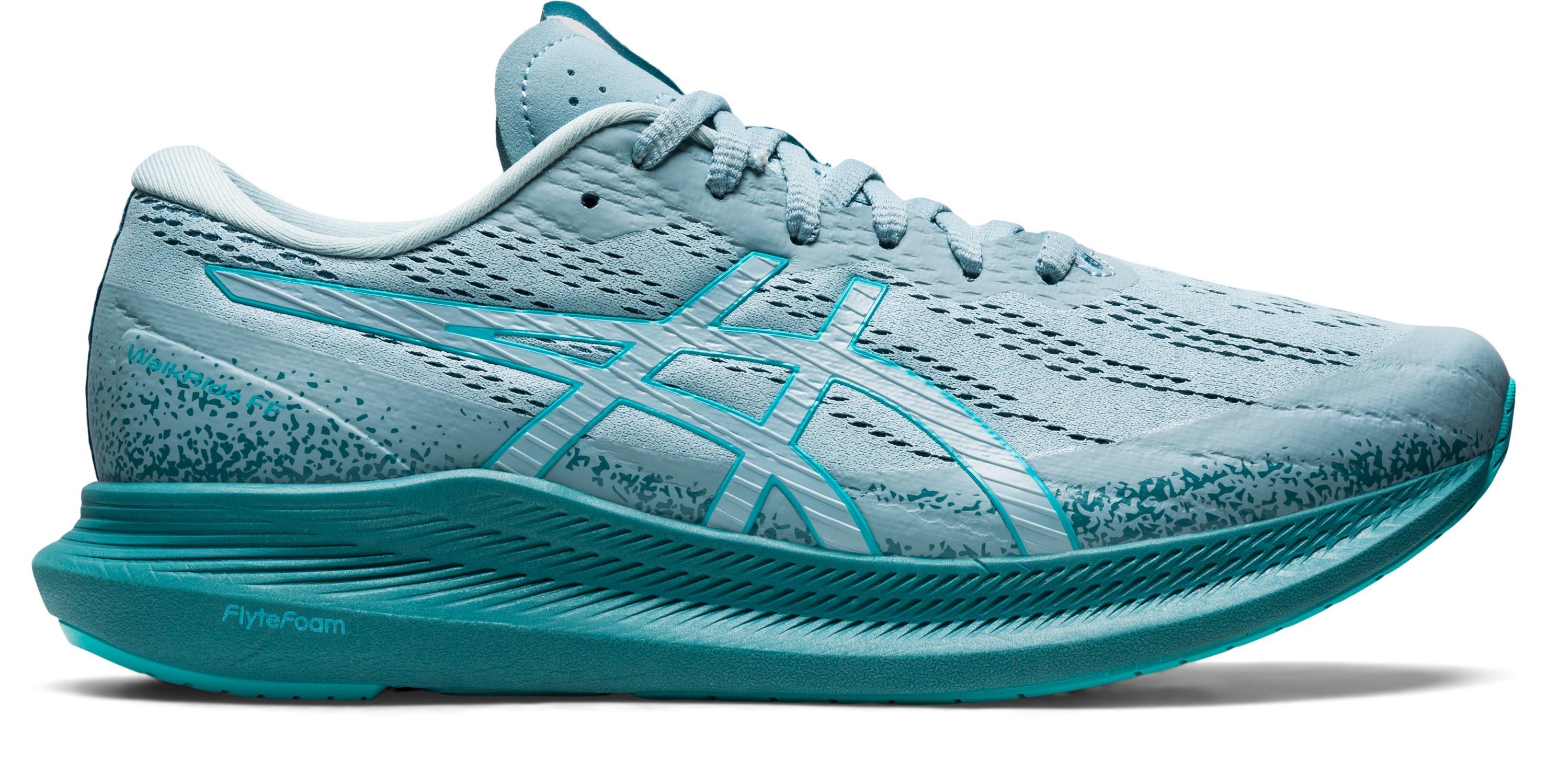
Perhaps the most frequently cited feature by foot specialists is substantial, well-contoured arch support. The arch of your foot acts as a natural shock absorber, dissipating the forces generated with each step. However, not all arches are created equal; they fall broadly into three categories: high arches (pes cavus), normal arches, and flat feet (pes planus). Each type has distinct support requirements. A person with flat feet, for example, experiences overpronation, where the ankle rolls inward excessively. This misalignment can travel up the kinetic chain, affecting knees, hips, and the lower back. A podiatrist recommended walking shoe for this individual will feature firm medial (inner-side) support and often a stability or motion control design to correct this inward roll. Conversely, someone with high arches typically underpronates or supinates, meaning their foot doesn’t roll inward enough to absorb shock effectively, leading to increased impact on joints. Their ideal shoe will prioritize cushioning and flexibility. The key is that the support is not a generic, one-size-fits-all bump in the midsole. It is a strategically engineered component that matches the foot’s anatomy. Brands that consistently earn APMA Seals of Acceptance, such as certain models from Brooks and ASICS, invest heavily in research to create differentiated arch systems that cater to these varying biomechanical profiles, making them a cornerstone of professional recommendations.
Heel Counter and Toe Box: Guardians of Structure and Space
While cushioning often steals the spotlight, two structural elements are equally critical in the eyes of a podiatrist: a rigid heel counter and a spacious toe box. The heel counter is the firm cup at the back of the shoe that cradles the calcaneus (heel bone). Its primary function is to stabilize the rearfoot, preventing excessive side-to-side motion that can strain the Achilles tendon and contribute to conditions like posterior tibial tendon dysfunction. A sturdy, well-padded heel counter ensures your foot sits securely, promoting a stable gait cycle. On the opposite end, the toe box must provide ample horizontal and vertical space. As noted by Dr. Jacqueline Sutera, a prominent New York City podiatrist featured in numerous health publications, toes should never feel cramped or compressed. During the walking motion, the foot naturally expands and lengthens with each step. A constrictive toe box inhibits this natural movement, leading to issues like hammertoes, neuromas (pinched nerves), and ingrown toenails. Furthermore, a toe box with a rounded or square shape, as opposed to a sharply pointed one, allows the toes to splay naturally, which improves balance and propulsion. Therefore, when evaluating podiatrist recommended walking shoes, one must look beyond softness and examine the structural integrity at the heel and the generous, anatomical design at the forefoot.
Decoding the Features: A Buyer’s Guide to Podiatric Principles
Armed with an understanding of why podiatric input is vital, we can now translate that into a practical framework for selecting shoes. This involves looking at specific materials, technologies, and design philosophies that align with clinical goals. It’s about becoming an informed consumer who can discern between a genuinely supportive shoe and one that merely feels soft initially. The following breakdown serves as your checklist, focusing on the elements that transform an ordinary sneaker into a tool for sustained foot health and all-day comfort.
Midsole Materials: The Engine of Cushioning and Responsiveness
The midsole is the heart of a walking shoe, located between the outsole and the upper. Its composition determines the shoe’s cushioning, energy return, and durability. Traditional materials like ethylene-vinyl acetate (EVA) foam are common and provide decent cushioning but can compress over time, losing their supportive properties. This is where advanced polymer technologies come into play. For example, Brooks utilizes its DNA LOFT and GuideRails technologies, which are often highlighted in podiatric discussions for offering a balance of soft cushioning and adaptive support that doesn’t break down quickly. Similarly, ASICS employs its GEL technology, a silicone-based substance placed in key impact zones (heel and forefoot) to attenuate shock waves before they travel through the body. From a podiatric standpoint, the ideal midsole does more than just feel soft; it provides progressive cushioning—firmer where stability is needed (like the arch) and softer where impact is highest. It should also maintain its structural integrity over hundreds of miles. When a podiatrist recommends a shoe, they are often endorsing this sophisticated engineering, knowing that consistent, resilient cushioning is essential for preventing stress-related injuries during repetitive walking.
Outsole Design: Traction, Flexibility, and Rocker Technology
The outsole, the part that contacts the ground, is designed for traction, durability, and facilitating a smooth gait. A high-quality rubber compound is essential for grip and long wear. However, the pattern and flexibility are what interest podiatrists most. The outsole should flex easily at the ball of the foot (the metatarsophalangeal joints), which is the natural pivot point for toe-off. If the shoe is too stiff here, it can force the foot, ankle, and calf muscles to work harder, leading to fatigue and strain. Conversely, a recent innovation highly regarded in therapeutic footwear is the rocker sole. This design features a curved sole that promotes a rolling motion from heel to toe, reducing the work required from the calf muscles and Achilles tendon and decreasing pressure on the forefoot. This technology is frequently incorporated into shoes designed for individuals with diabetes, arthritis, or plantar fasciitis, as it minimizes shear forces and facilitates a more effortless stride. When you come across podiatrist recommended walking shoes from brands like HOKA, which often feature pronounced rocker geometries, you are seeing a direct application of biomechanical research aimed at reducing strain and improving gait efficiency.
:max_bytes(150000):strip_icc()/shp-best-brooks-walking-shoes-tout-f67df3ab5afa4c08a24a63ae6dca3444.jpg)
Spotlight on Excellence: Models That Earn Consistent Praise
While individual needs vary, certain shoe models consistently appear on podiatrists’ lists of recommendations due to their exemplary application of the principles discussed. These shoes have proven their worth in clinical settings and through the lived experience of countless walkers. It’s important to note that a “best” shoe is the one that fits your foot perfectly, but starting with models that have a strong professional endorsement is a wise strategy.
For Supreme Cushioning and Rocker Propulsion: HOKA Bondi Series
The HOKA Bondi is frequently lauded as a benchmark for maximum cushioning. Its oversized midsole, made from compression-molded EVA, provides an exceptionally soft and plush ride that is ideal for hard surfaces like concrete and asphalt. What makes it a podiatrist recommended walking shoe is not just its softness, but its combination with a meta-rocker geometry. This design actively encourages a smooth heel-to-toe transition, which is particularly beneficial for those with joint pain, heel spurs, or who are in recovery from foot injuries. Podiatrists often suggest this model for patients needing significant shock absorption without sacrificing stability, as the wide base provides a solid platform. The memory foam collar around the ankle also enhances comfort and reduces irritation, a detail that showcases HOKA’s attention to therapeutic needs.
For Adaptive Stability and Balanced Support: Brooks Addiction Walker
The Brooks Addiction Walker is a classic in the therapeutic footwear category and often carries the APMA Seal of Acceptance. Its standout feature is the Extended Progressive Diagonal Rollbar (PDRB), a support system embedded in the midsole that is designed to gently guide an overpronating foot back into a neutral alignment with each step. This makes it a quintessential choice for individuals with flat feet or severe overpronation. The shoe is built on a last (foot form) that offers a roomy fit throughout, especially in the toe box, and features a full-grain leather upper for structured durability. Its BioMoGo DNA midsole provides adaptive cushioning that responds to your weight and stride. For podiatrists dealing with patients requiring firm, corrective support, the Addiction Walker is a trusted, predictable tool that exemplifies what a podiatrist recommended walking shoe should achieve: biomechanical correction without compromising on underfoot comfort.

Investing in Your Stride: Where Value Meets Expertise
High-quality, biomechanically sound footwear is an investment in your long-term mobility and comfort. While the initial cost of podiatrist recommended walking shoes may be higher than that of generic sneakers, the value proposition is clear: prevention of costly medical treatments, enhanced daily productivity, and improved quality of life. Fortunately, value does not always mean paying full retail price. Many reputable retailers offer significant discounts on previous model years, which are often functionally identical to the latest versions with only minor cosmetic updates. Signing up for brand newsletters, checking certified outlet stores, and shopping during major holiday sales are excellent strategies. Remember, the true cost of a shoe isn’t its price tag, but the cumulative effect it has on your body. A $150 shoe that prevents a single visit to a physical therapist or podiatrist has already paid for itself. Prioritize fit and function over fashion, and view your purchase as essential equipment for the marathon of daily life.
Your journey to all-day comfort begins with a single, informed step. By prioritizing the principles endorsed by podiatric science—substantial arch support, a secure heel counter, a spacious toe box, and purpose-built midsole and outsole technologies—you move beyond guesswork. You are no longer just buying a shoe; you are selecting a partner in health designed to work in harmony with your body’s mechanics. The models highlighted here, from the cloud-like HOKA Bondi to the steadfastly supportive Brooks Addiction Walker, represent the gold standard in their categories, but they are starting points. Your perfect fit is out there. Listen to the professionals, understand the why behind the design, and trust the feeling of unwavering support underfoot. Let your next walk be defined not by fatigue, but by the confident, comfortable rhythm of a body perfectly in sync with its foundation.
