

Discover the Best Podiatrist Recommended Walking Shoes for All-Day Comfort
Your feet are your foundation, and the shoes you choose for walking can mean the difference between a day filled with vibrant energy and one hampered by discomfort. This isn’t about fleeting fashion trends; it’s about the long-term health and alignment of your entire body. When we discuss podiatrist recommended walking shoes, we are referring to footwear that has been scrutinized and endorsed by medical professionals who specialize in foot and ankle health. These experts understand the biomechanics of walking—the gait cycle, pressure distribution, and the subtle interplay of bones, muscles, and ligaments. A shoe that earns their recommendation is one designed not just to cover the foot, but to support, stabilize, and protect it through thousands of steps. The quest for all-day comfort is a scientific one, rooted in principles of ergonomics and physiology, and it begins with acknowledging that the right shoe is a critical piece of preventive healthcare.
The Science of Support: Why Your Feet Demand Expert-Approved Footwear
Walking is a complex, repetitive motion. With each step, your foot absorbs a force equivalent to about 1.5 times your body weight. Over an average day of 7,500 to 10,000 steps, that cumulative impact is substantial. Podiatrists, like Dr. Jacqueline Sutera, a New York-based doctor of podiatric medicine, often emphasize that improper footwear can lead to a cascade of issues far beyond the feet, including knee pain, hip misalignment, and lower back problems. The core function of a podiatrist recommended walking shoe is to mitigate this impact through strategic design. Key features include a firm heel counter to control rearfoot motion, adequate arch support to prevent overpronation or supination, a roomy toe box to allow natural toe splay and prevent deformities like bunions, and a flexible yet supportive sole that promotes a natural gait. Research from institutions like the University of Pittsburgh’s Department of Orthopedic Surgery underscores the importance of footwear in managing and preventing musculoskeletal disorders. It’s not merely about cushioning; it’s about creating a stable platform that allows your body’s natural mechanics to function efficiently without strain.
Decoding the Features: A Guide to What Makes a Shoe Truly Supportive
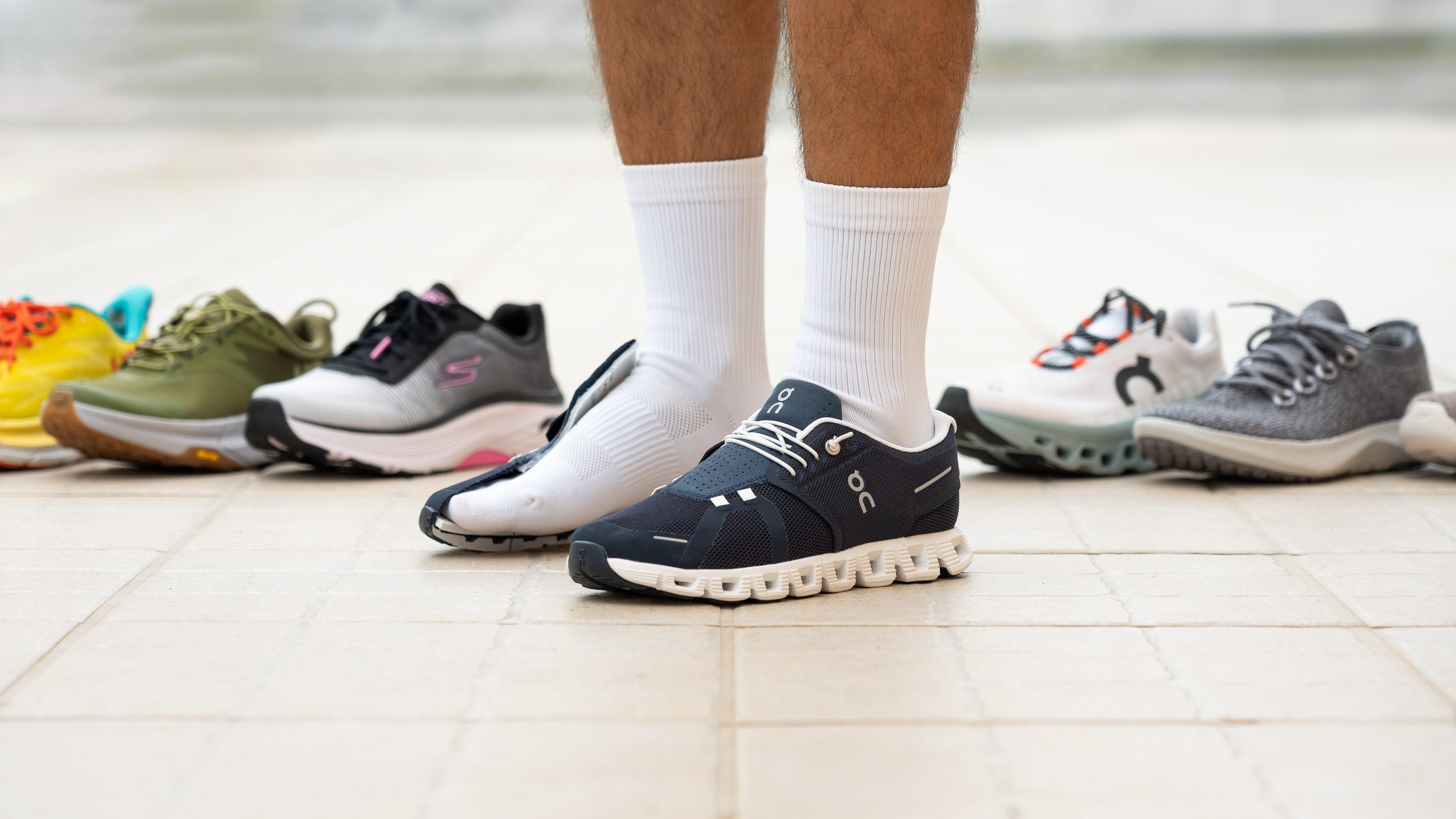
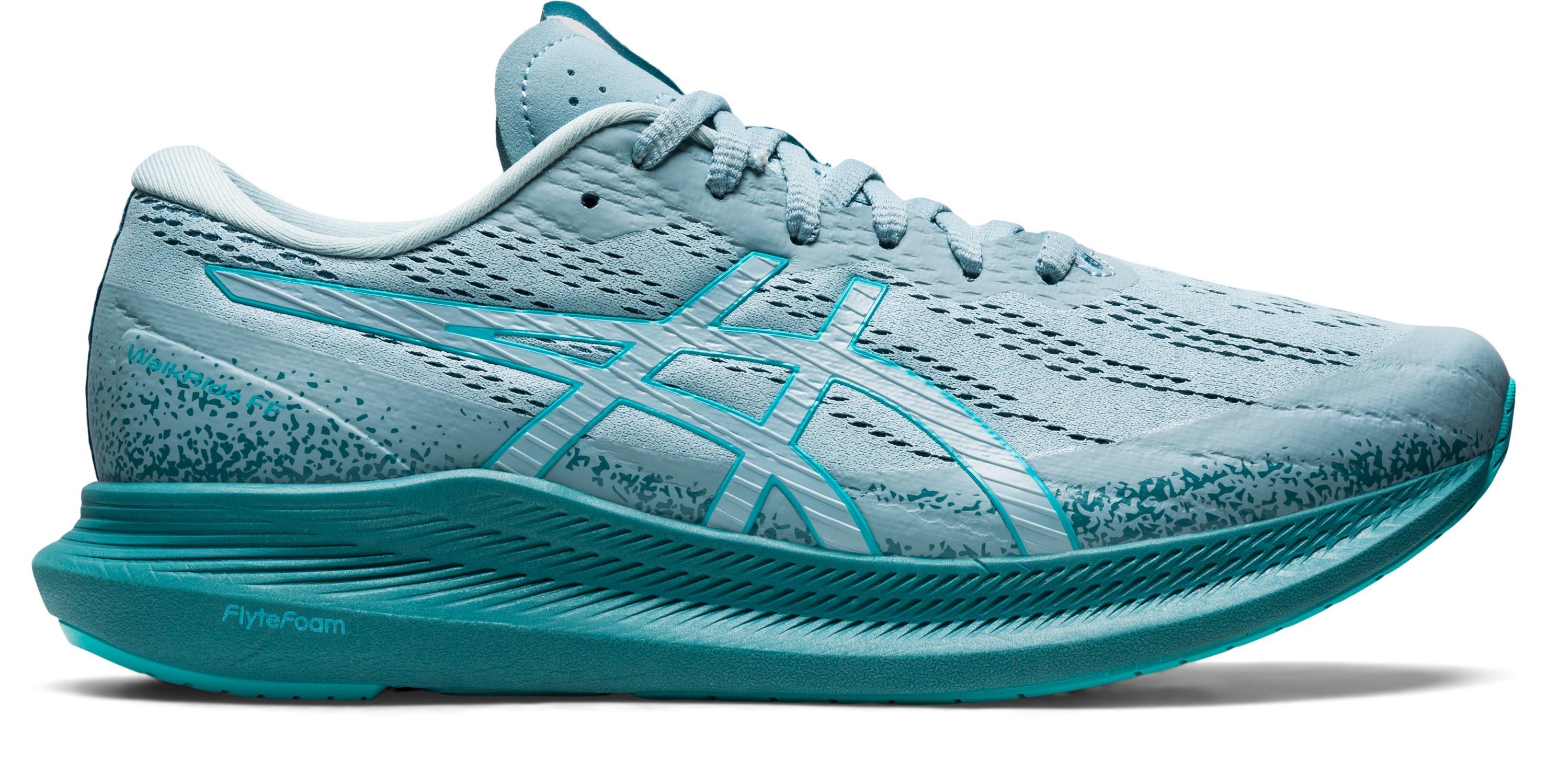
To navigate the market intelligently, you must become fluent in the language of shoe construction. Let’s break down the non-negotiable elements. First, the midsole is the heart of the shoe. Materials like EVA (ethylene-vinyl acetate) foam or advanced compounds like Brooks’ DNA LOFT or ASICS’ FlyteFoam provide a balance of cushioning and responsiveness. They should compress under pressure to absorb shock but also rebound to aid propulsion. Second, the arch support is not one-size-fits-all. It must correspond to your foot type—neutral, low-arched (flat feet), or high-arched. A podiatrist can perform a gait analysis to determine this, but many top-tier podiatrist recommended walking shoes offer varying levels of support or are available in different models tailored to these archetypes. Third, the heel-to-toe drop, or offset, influences how your foot strikes the ground. A moderate drop (8-12mm) is common in walking shoes, encouraging a heel-to-toe transition that many find natural. Finally, the upper material should be breathable, like engineered mesh, to manage moisture and reduce the risk of fungal infections, a common concern podiatrists address. As noted on authoritative health platforms like WebMD and the American Podiatric Medical Association’s public resources, these features collectively work to distribute pressure evenly, reducing hot spots and the risk of stress injuries.
Beyond the Clinic: Real-World Endorsements and Where to Find Value
The endorsement of a medical professional is a powerful signal, but it is reinforced when echoed by the experiences of countless users in the real world. Platforms like Runner’s World and Wirecutter conduct rigorous wear-tests, often consulting with podiatrists in their review processes. The shoes that consistently rise to the top share common traits: durability, consistent comfort over long distances, and designs that address specific foot ailments. For instance, brands like HOKA, known for their maximalist cushioning, are frequently cited for helping individuals with plantar fasciitis or arthritis. Similarly, models from New Balance, with their extensive width sizing, are lauded for accommodating swollen feet or orthotics. The convergence of clinical recommendation and popular acclaim creates a trustworthy shortlist for consumers. Furthermore, acquiring these shoes doesn’t have to break the bank. Savvy shoppers can find significant value by looking for previous-season models, which often see discounts of 30-50% while retaining the core technological features. Signing up for brand newsletters, checking reputable online retailers during holiday sales, and even consulting with local specialty running stores that offer gait analysis can lead to informed purchases at friendly prices. The goal is to invest in your health without overpaying, securing a podiatrist recommended walking shoe that offers both premium support and financial sense.

Your Personal Blueprint: Aligning Shoe Choice with Your Lifestyle and Physiology
Selecting the ultimate walking shoe is a deeply personal journey. It requires an honest assessment of your daily routine, your physical predispositions, and your goals. Are you primarily walking on paved urban paths, or do your routes include gravel trails? The outsole rubber compound and tread pattern must match your terrain for safety and longevity. Do you spend long hours on your feet at work? A shoe with exceptional all-day comfort and slip resistance becomes essential. Consider the words of renowned author and walker Cheryl Strayed, whose memoir “Wild” underscored the transformative, yet grueling, power of walking; the right gear was not a luxury, but a necessity for survival and enjoyment. Your body’s signals are also crucial. Persistent pain in the heel, arch, or ball of the foot is a message that should not be ignored. Consulting a podiatrist can provide a definitive blueprint—a prescription, of sorts, for the type of support you need. This professional insight, combined with the knowledge of shoe technology, empowers you to filter the vast market. You are no longer just buying a shoe; you are curating a tool for wellness. The final step is to try on shoes later in the day when feet are naturally more swollen, wear the socks you intend to walk in, and take the time to walk around the store or your home during a trial period offered by many retailers. This meticulous process ensures the podiatrist recommended walking shoes you choose become a seamless extension of your body, facilitating movement that is free, comfortable, and sustainable.

Embarking on the journey to find the perfect walking shoe is an act of self-care with profound implications. It moves beyond aesthetics into the realm of functional health, where every design element serves a purpose in preserving your mobility and comfort. By prioritizing the principles behind podiatrist recommended walking shoes—rigorous support, intelligent biomechanical design, and quality construction—you make an investment that pays dividends with every pain-free step you take. Let this knowledge guide you to a pair that doesn’t just fit your feet, but fundamentally supports the life you want to lead, in complete comfort from morning until night.
