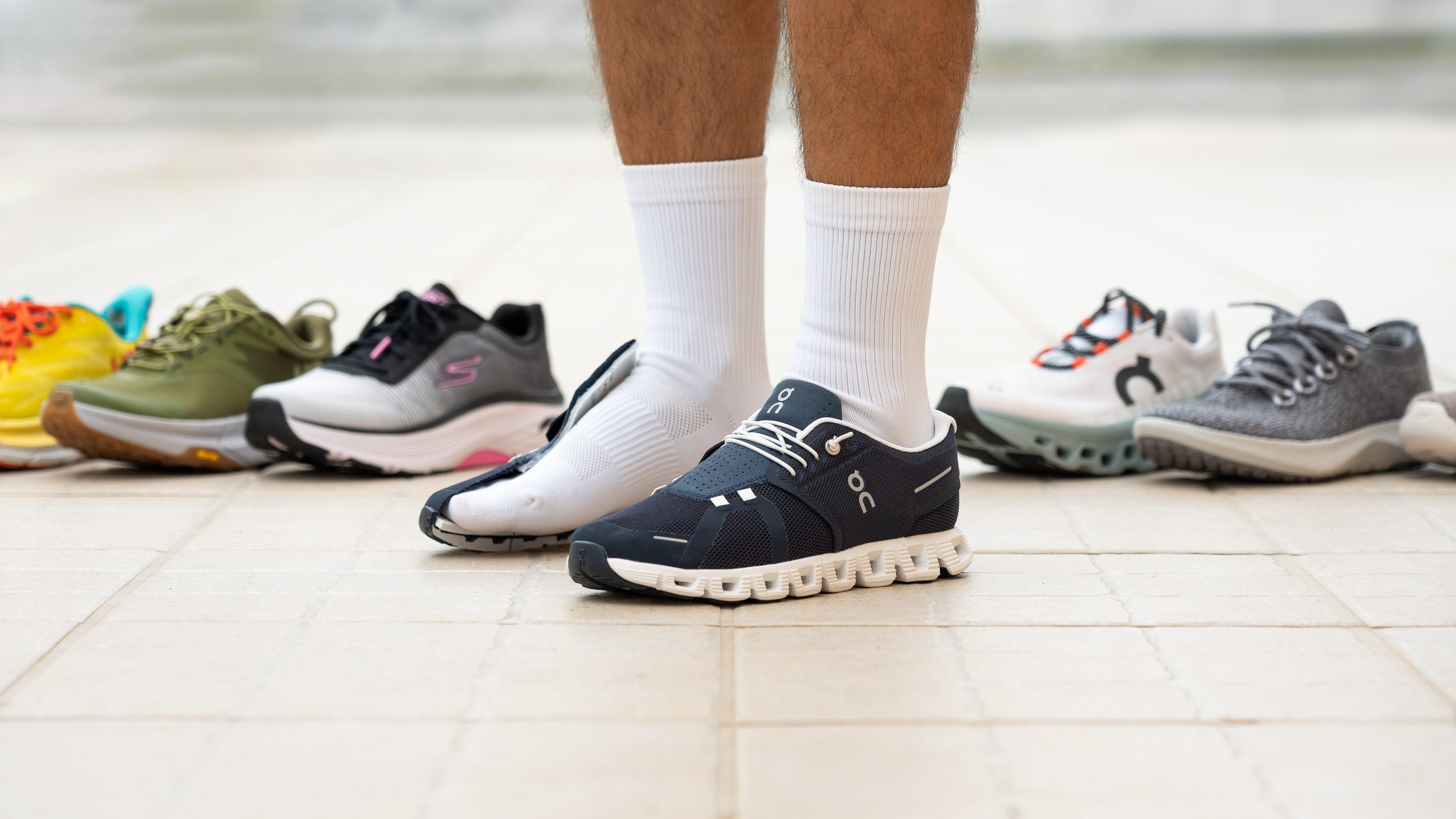
Discover the Best Podiatrist Recommended Walking Shoes for All-Day Comfort
Your feet are the foundation of your movement, and the shoes you choose can either be a source of support or a catalyst for discomfort. For anyone who spends significant time on their feet—whether navigating city streets, exploring nature trails, or managing the demands of a busy workday—the quest for all-day comfort is paramount. This isn’t merely about fashion or fleeting trends; it’s a physiological necessity. The right footwear can prevent a cascade of issues, from immediate blisters and aches to long-term structural problems like plantar fasciitis or metatarsalgia. This guide delves into the science and expert recommendations behind finding the perfect pair of podiatrist recommended walking shoes, moving beyond marketing claims to focus on objective criteria that ensure genuine, lasting comfort.
The Science of Foot Biomechanics and Why Expert Recommendations Matter
To understand why podiatrist recommended walking shoes are held in such high regard, we must first explore the complex biomechanics of walking. The human foot is a marvel of engineering, comprising 26 bones, 33 joints, and over 100 muscles, tendons, and ligaments. Each step you take is a coordinated sequence of events: heel strike, foot flat, mid-stance, heel-off, and toe-off. This gait cycle distributes forces equivalent to 1.5 times your body weight with each step. When footwear disrupts this natural mechanics—through poor cushioning, inadequate arch support, or improper heel counter stability—it can lead to abnormal stress patterns. As Dr. Miguel Cunha, founder of Gotham Footcare in New York City, often notes, “Shoes that lack proper support can alter your gait, leading to pain not just in the feet, but radiating up to the knees, hips, and lower back.” This interconnectedness is a core principle in podiatry. Recommendations from these specialists are therefore not based on brand loyalty but on clinical evidence of a shoe’s ability to accommodate, support, and stabilize the foot’s natural function. They evaluate factors like motion control for overpronators, flexibility for rigid feet, and rocker soles to assist in the toe-off phase, ensuring the shoe complements your unique biomechanical profile.
:max_bytes(150000):strip_icc()/podiatrist-recommended-walking-shoes-e1b90077185d4e6cadbf6327c4d17db7.jpg)
Core Pillars of a Podiatrist-Approved Walking Shoe
What specific elements transform an ordinary sneaker into a podiatrist recommended walking shoe? The distinction lies in several non-negotiable design pillars. First is arch support. The arch acts as a shock absorber; without proper support, it can collapse (overpronation) or not roll enough (supination), leading to strain. A good shoe provides contoured support that matches your arch type—neutral, low, or high. Second is heel counter rigidity. The firm cup at the back of the shoe stabilizes the heel, preventing excessive side-to-side motion that can cause Achilles tendonitis or heel spurs. Third is adequate toe box space. As highlighted by the American Podiatric Medical Association (APMA), a roomy, foot-shaped toe box allows toes to splay naturally upon impact, reducing the risk of bunions, hammertoes, and neuromas. Fourth is cushioning and responsiveness. Materials like EVA foam, polyurethane, or proprietary gels (like ASICS’ GEL technology) must dissipate impact forces without being so soft that they destabilize the foot. Finally, the overall structure and weight matter. A well-constructed shoe made from breathable materials prevents moisture buildup and overheating, while a lightweight design reduces fatigue over long distances. These pillars form the objective checklist a podiatrist uses when endorsing a product for their patients.
Decoding Shoe Technologies: From Rocker Soles to Motion Control
Modern walking shoes incorporate advanced technologies that directly address common podiatric concerns. One prominent feature is the rocker sole. This design, with a curved sole that promotes a rolling motion from heel to toe, is frequently recommended for individuals with conditions like plantar fasciitis or arthritis. It reduces the strain on the plantar fascia and metatarsal joints by facilitating a smoother gait transition. Another critical technology is motion control. Often found in shoes for overpronators, these models feature a denser medial (inner) post to limit excessive inward rolling of the ankle. Brands like Brooks and New Balance have extensive research in this area, with studies often cited in sports medicine literature from institutions like the University of Calgary’s Human Performance Lab. Furthermore, advancements in midsole materials have been revolutionary. For instance, Adidas’ Boost foam, developed in partnership with chemical giant BASF, is renowned for its energy return properties, providing cushioning that remains consistent in various temperatures. Understanding these technologies empowers you to look beyond superficial aesthetics and select a shoe that offers therapeutic benefits, aligning perfectly with the philosophy behind podiatrist recommended walking shoes.
:max_bytes(150000):strip_icc()/shp-best-brooks-walking-shoes-tout-f67df3ab5afa4c08a24a63ae6dca3444.jpg)
Navigating the Market: How to Identify Truly Supportive Footwear
With countless options on shelves and online, identifying a genuinely supportive shoe requires a discerning eye. Start by looking for the APMA Seal of Acceptance. This seal indicates that a product has been reviewed by a committee of podiatrists and found to promote good foot health. It’s a reliable, third-party validation. Next, conduct a simple hands-on test. Flexibility Test: The shoe should bend easily at the ball of the foot (where your toes meet the metatarsals) but remain rigid in the arch. If the whole shoe twists, it lacks stability. Heel Counter Test: Squeeze the back of the heel; it should be firm and resist collapse. Arch Support Feel: Run your hand inside the shoe; the arch should feel prominently contoured, not flat. Furthermore, consider your own foot morphology. A podiatrist’s recommendation often starts with a gait analysis. While a professional analysis is ideal, you can perform a wet foot test at home to get a basic idea of your arch type. Remember, the most expensive shoe is not necessarily the best; it’s the one that correctly addresses your specific biomechanical needs. This process of informed selection is the bridge between generic footwear and true podiatrist recommended walking shoes.
The Intersection of Professional Insight and Consumer Value
Investing in your foot health is an investment in your overall well-being and mobility. While premium podiatrist recommended walking shoes often come with advanced technologies and materials, accessing them doesn’t have to break the bank. The footwear industry operates on seasonal cycles, with new models typically released every 9-12 months. This creates a prime opportunity to purchase previous models—which often have the same core support technologies—at significantly discounted prices. For instance, a model praised by Dr. Jackie Sutera, a prominent New York podiatrist, in a recent “Vogue” interview might retail for $160 at launch but can frequently be found for 30-40% off when the next version is announced. Many reputable brands also offer direct discounts through newsletters, outlet stores, or during major sales events. The key is to prioritize the functional specifications (arch type, cushioning level, width) over the specific model year. By combining professional podiatric insight—knowing what features you need—with savvy shopping strategies, you secure exceptional value, transforming expert-recommended comfort from a luxury into an accessible standard for your daily life.
:max_bytes(150000):strip_icc()/tal-roundup-podiatrist-loved-shoes-on-sale-tout-bdbf5721fa5642efa38b61f6a5b4ff34.jpg)
Stepping Forward with Confidence and Support
The journey to all-day comfort begins with a single, well-supported step. By prioritizing the principles of foot biomechanics, understanding the core technologies that define therapeutic footwear, and applying informed selection criteria, you move beyond guesswork. You are not just buying a shoe; you are choosing a tool for sustained health and vitality. The endorsement of a podiatrist serves as a compass, guiding you toward options that have demonstrated their merit in promoting proper alignment and preventing injury. Let this knowledge empower your choices. Seek out the features that matter, value the certifications that validate, and remember that comfort is not a subjective feeling but an achievable state of physical harmony between your foot and the ground. When you lace up a pair of truly supportive podiatrist recommended walking shoes, you’re investing in the freedom to move through your day—and your life—with resilience and ease.