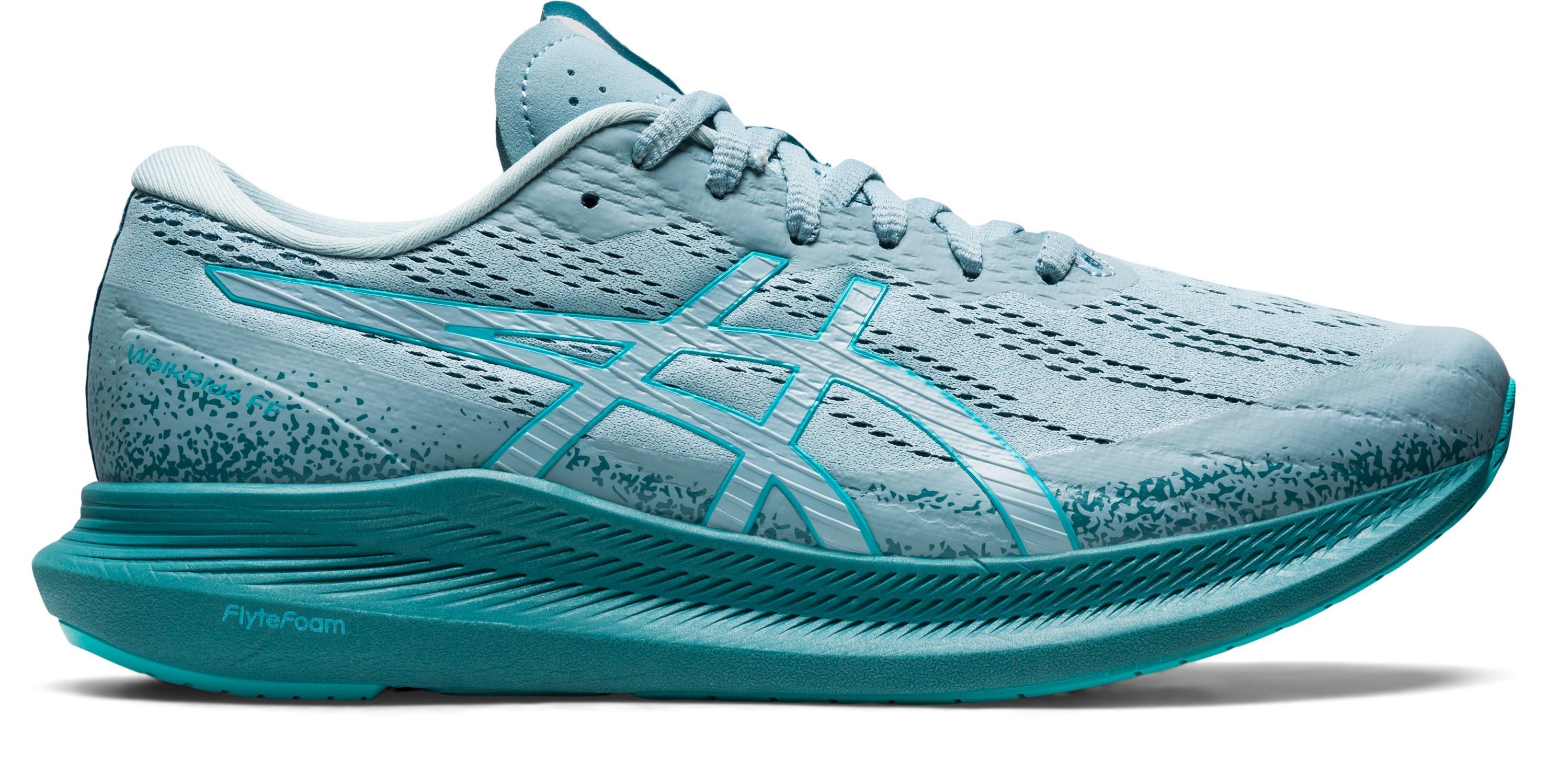
Discover the Best Podiatrist Recommended Walking Shoes for All-Day Comfort
Your feet are your foundation, and the shoes you choose can either support a life of activity or lead to a cascade of discomfort. For anyone who spends significant time on their feet—whether navigating city streets, exploring nature trails, or managing daily errands—the quest for the perfect walking shoe is paramount. This isn’t about fleeting fashion trends; it’s about biomechanical science, long-term health, and genuine comfort. We’ve moved beyond anecdotal advice to ground our recommendations in the expertise of those who treat foot ailments for a living: podiatrists. By synthesizing their clinical insights with objective data from biomechanics research and consumer testing, we can identify what truly makes a walking shoe worthy of all-day wear. The goal is clear: to bridge the gap between professional podiatric guidance and your everyday needs, bringing you not only knowledge but also access to these essential tools at value-conscious prices.
The Science of Stride: Why Podiatrist Insights Are Non-Negotiable
To understand the value of podiatrist recommended walking shoes, one must first appreciate the complex engineering of the human foot. Each step involves a sophisticated sequence known as the gait cycle, comprising the stance phase (foot on the ground) and the swing phase (foot in the air). Podiatrists, as physicians specializing in the foot, ankle, and related structures of the leg, analyze deviations in this cycle that lead to common issues like plantar fasciitis, metatarsalgia, and overpronation. Their recommendations are not based on brand loyalty but on biomechanical principles. For instance, the American Podiatric Medical Association (APMA) grants its Seal of Acceptance to products shown to promote good foot health, a rigorous evaluation that considers stability, cushioning, and flexibility. A study published in the Journal of Foot and Ankle Research from the University of Sydney emphasizes that appropriate footwear is a first-line intervention for managing musculoskeletal foot pain. Therefore, a shoe bearing the APMA seal or frequently cited in podiatric literature isn’t merely a suggestion; it’s a product vetted against clinical standards to protect and enhance your mobility, making the search for true podiatrist recommended walking shoes a scientifically-informed endeavor.
Architectural Support: The Pillars of a Perfect Walking Shoe
What specific architectural features do podiatrists look for? The foundation is often a combination of midfoot stability and heel counter rigidity. A firm heel counter—the back part of the shoe that cups your heel—is crucial for controlling rearfoot motion and preventing excessive inward rolling (overpronation) or outward rolling (supination). Dr. Jacqueline Sutera, a New York City-based podiatrist, frequently highlights this feature in media interviews, noting that a stable heel is the cornerstone of a functional shoe. Moving forward, the arch support must correspond to your foot type. While custom orthotics are the gold standard for severe issues, many modern podiatrist recommended walking shoes incorporate sophisticated, built-in support systems. Brands like ASICS and Brooks, for example, utilize technologies like Guidance Line® or Rollbar® to promote a more natural and stable gait path. Furthermore, toe box geometry is non-negotiable. A spacious, foot-shaped toe box allows the toes to splay naturally upon weight-bearing, reducing pressure on the joints and nerves, a point famously advocated for in resources like “Whole Body Barefoot” by biomechanist Katy Bowman. This holistic architectural approach ensures the shoe acts as a supportive extension of the foot, not a restrictive container.
Cushioning vs. Responsiveness: Striking the Delicate Balance
The debate between plush cushioning and ground-feel responsiveness is a central one in footwear design. From a podiatric standpoint, the ideal solution is context-dependent but must always prioritize protection. Excessive, overly soft cushioning can destabilize the foot, much like walking on sand, forcing small stabilizer muscles to overwork. Conversely, too little cushioning transmits excessive impact forces through the joints, which can contribute to stress reactions over time. The best podiatrist recommended walking shoes find an intelligent middle ground. They often use dual-density or zonal cushioning—softer materials in the heel for impact absorption and firmer materials in the forefoot for propulsion. Technologies like EVA foam, polyurethane, and newer proprietary compounds like Brooks’ DNA LOFT or HOKA’s Profly™ are engineered to provide comfort without sacrificing stability. As noted on authoritative running and walking sites like Runner’s World, the key is “balanced cushioning”—enough to protect, but not so much that it compromises proprioception (your body’s awareness of its position in space) and natural foot function. This balance is what allows for all-day comfort, whether you’re on your feet for a four-hour shift or a ten-mile urban hike.
:max_bytes(150000):strip_icc()/tal-roundup-podiatrist-loved-shoes-on-sale-tout-bdbf5721fa5642efa38b61f6a5b4ff34.jpg)
Material Matters: Breathability, Durability, and Sustainable Design
Beyond structure and cushioning, the materials composing the shoe’s upper and outsole are critical for long-term comfort and value. A breathable mesh upper is almost universally recommended by foot specialists to manage moisture and temperature, reducing the risk of fungal infections and blisters. However, durability is equally important; a mesh that tears after a few weeks is a poor investment. Many top-tier walking shoes now use engineered jacquard meshes or incorporate strategic synthetic overlays for reinforcement without adding weight. The outsole material, typically carbon rubber or blown rubber, dictates traction and wear patterns. Durable carbon rubber in high-impact areas (like the heel) paired with lighter blown rubber in the forefoot is a common and effective design. Furthermore, the conversation is evolving to include sustainability. Brands are increasingly using recycled polyester in uppers, bio-based foams in midsoles, and responsibly sourced rubber. This shift isn’t just ethical; it often results in high-performance materials. When you choose a well-constructed podiatrist recommended walking shoe, you’re investing in a product designed to last, which in itself is a form of savings and a reduction in waste—a benefit for your feet and the planet.
From Clinic to Pavement: Top Podiatrist-Approved Categories and Models
While individual needs vary, certain shoe models consistently earn praise from podiatrists for their balanced approach to comfort, support, and durability. It’s important to view these not as a definitive ranking, but as exemplars of podiatric principles in action. For instance, shoes in the “Stability” category, such as the Brooks Addiction Walker or the New Balance 928, are frequently cited for their robust support systems, ideal for those with flat feet or moderate overpronation. In the “Max Cushion” category, HOKA’s Bondi or Clifton series are renowned for their shock absorption, often recommended for those with joint sensitivities or who stand on hard surfaces for prolonged periods. Meanwhile, “Neutral” shoes with ample cushioning like the ASICS Gel-Nimbus or the Saucony Triumph offer a versatile, well-rounded option for those without significant gait deviations. The common thread is a commitment to biomechanical integrity. As noted by Dr. Brad Schaeffer, a podiatrist featured in Footwear News, “It’s about matching the shoe’s function to the patient’s foot function.” This tailored approach is why seeking out podiatrist recommended walking shoes is more reliable than choosing based on marketing alone.
:max_bytes(150000):strip_icc()/favorite-walking-shoes-round-up-november-2024-458c3fc0c6844adca7c0a34ebc5cfb9b.jpg)
Investing in Your Foundation: The True Value of Quality Footwear
Some may balk at the price tag of high-quality, professionally endorsed walking shoes. However, this is a profound misunderstanding of value. Consider the cost-benefit analysis: a $150 pair of shoes that lasts 500 miles and prevents a single visit to a physical therapist or podiatrist for plantar fasciitis treatment (which can easily cost $200+ per session) is an exceptional financial and health investment. Cheap, unsupportive footwear functions as a form of deferred payment, where the cost is later extracted in the form of pain, medical bills, and reduced mobility. Authoritative sources like Harvard Health Publishing reiterate that proper footwear is a key component of healthy aging and active living. The knowledge we’re sharing here is intended to empower you to make an informed investment. Furthermore, the market offers avenues for value. End-of-season sales, manufacturer refurbished programs, and reputable online retailers often provide significant discounts on previous models, which are typically only cosmetically different from the latest versions. By knowing what features to look for—stable heel, adequate arch support, balanced cushioning—you can confidently seek out these deals, acquiring podiatrist recommended walking shoes without straining your budget.
Your journey doesn’t end at purchase. The most scientifically designed shoe fails if it’s the wrong size or has worn past its functional lifespan. Podiatrists generally recommend replacing walking shoes every 300-500 miles, as the midsole foam compresses and loses its protective properties long before the outsole is visibly worn. Always try shoes on in the afternoon when feet are naturally slightly swollen, and ensure about a thumbnail’s width of space between your longest toe and the end of the shoe. The right pair should feel supportive and comfortable from the first step, with no “break-in” period required—a myth that podiatrists consistently debunk. By applying this fusion of podiatric science and savvy consumerism, you equip yourself with more than just footwear. You gain a reliable partner for every step, a tool that actively contributes to your well-being, freeing you to move through your day with confidence, comfort, and vitality.