

Discover the Best Podiatrist Recommended Walking Shoes for All-Day Comfort
Your feet are the foundation of your movement, and the shoes you choose can either be a source of constant support or a catalyst for discomfort and long-term issues. The quest for the perfect walking shoe is not merely about fashion or brand loyalty; it is a critical investment in your musculoskeletal health. This guide cuts through the marketing noise to focus on what truly matters: podiatrist recommended walking shoes. These are the footwear choices that receive consistent endorsement from foot health professionals—podiatrists—for their design, support, and biomechanical benefits. We will explore the scientific principles behind these recommendations, drawing from authoritative sources, and connect you with options that promise genuine, all-day comfort.
:max_bytes(150000):strip_icc()/tal-roundup-podiatrist-loved-shoes-on-sale-tout-bdbf5721fa5642efa38b61f6a5b4ff34.jpg)
The Science of Support: Why Podiatrist Endorsement Matters
Podiatry, as defined by authoritative sources like the American Podiatric Medical Association (APMA), is the branch of medicine devoted to the study, diagnosis, and treatment of disorders of the foot, ankle, and lower extremity. A podiatrist’s recommendation, therefore, is not a casual opinion but a professional judgment grounded in anatomy and biomechanics. When a podiatrist recommends a shoe, they are evaluating its ability to maintain proper foot alignment, distribute pressure evenly, and mitigate forces that can lead to conditions like plantar fasciitis, metatarsalgia, or tendonitis. The biomechanics of walking, or gait analysis, is a core component of this evaluation. As noted in literature from institutions like the University of Washington’s Department of Orthopaedics, abnormal gait patterns can place excessive stress on joints from the feet up to the spine. A well-designed walking shoe acts as an interface to correct or accommodate these patterns. For instance, the concept of “motion control” or “stability” in shoes isn’t marketing jargon; it refers to specific design features—like firmer medial posts and heel counters—that limit excessive inward rolling (overpronation), a common biomechanical fault. Therefore, seeking out podiatrist recommended walking shoes is essentially leveraging expert filtration for footwear that aligns with the scientific principles of healthy ambulation.
Decoding the Anatomy of an Ideal Walking Shoe
To understand why certain shoes earn a podiatrist’s seal of approval, we must dissect their anatomy. The foundation is the last—the shape around which the shoe is built. A foot-shaped last with a roomy toe box, as opposed to a sharply pointed one, allows toes to splay naturally, a principle championed by many foot health advocates and visible in brands that podiatrists frequently recommend. Next is the midsole, the heart of cushioning and support. Materials like EVA (ethylene-vinyl acetate) foam or proprietary compounds like Brooks’ DNA LOFT or ASICS’ GEL provide shock attenuation. However, cushioning alone is insufficient. As Dr. Jacqueline Sutera, a New York City-based podiatrist, has stated in various media interviews, “A shoe can be soft and comfortable for two minutes in the store, but if it doesn’t have structure, it’s going to collapse and not support you.” This structure comes from the shoe’s arch support and heel counter. A firm, well-molded heel counter stabilizes the rearfoot, preventing slippage and controlling heel strike motion. The outsole’s flexibility and tread pattern are also crucial; they need to facilitate a smooth roll-through from heel to toe (the gait cycle) while providing durable traction. When these elements coalesce into a harmonious design, you have a strong candidate for the title of podiatrist recommended walking shoes.
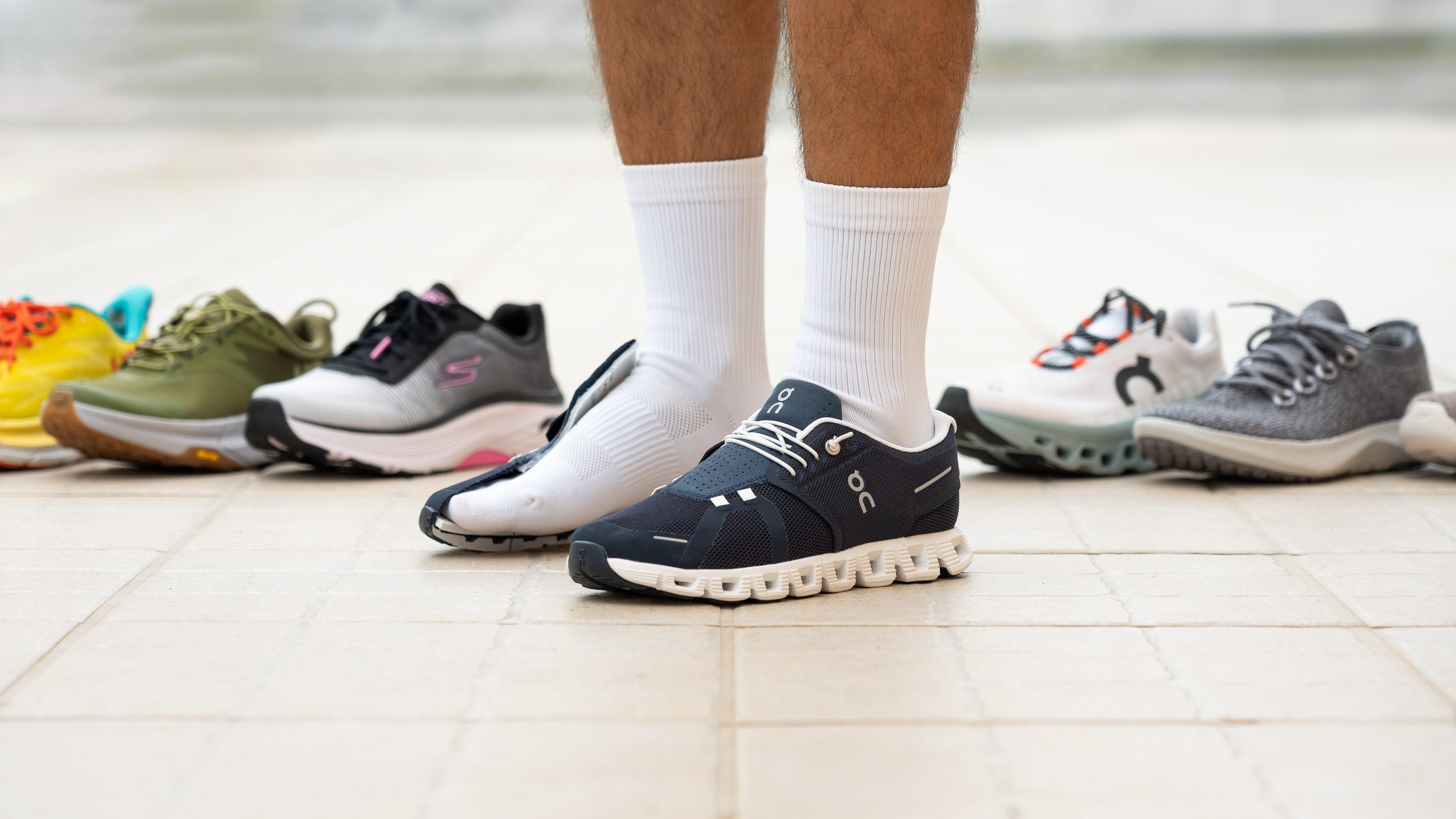
Beyond the Brand: Evidence-Based Features to Prioritize
While specific brands often appear on recommended lists, the core philosophy is feature-centric. First, consider heel-to-toe drop (or offset). This is the height difference between the heel and forefoot. A moderate drop (typically 8-12mm) is common in many podiatrist recommended walking shoes as it can reduce strain on the Achilles tendon and calf muscles, especially for heel strikers. However, this is not a one-size-fits-all rule, and some individuals may benefit from a lower drop based on their gait. Second, look for removable insoles. This feature is highly practical, as it allows for the insertion of custom orthotics prescribed by a podiatrist. Many podiatrist-favored shoes are pre-certified by the APMA for this very compatibility. Third, evaluate the upper material. Breathable, flexible materials like engineered mesh adapt to the foot’s shape without causing pressure points, reducing the risk of blisters and irritation. The closure system also matters; laces offer micro-adjustability for a precise, secure fit compared to slip-ons. These features aren’t speculative; they are repeatedly highlighted in podiatric literature and discussions on professional platforms. For example, insights from Quora threads featuring podiatrists or physiotherapists often converge on these same critical points, emphasizing function over fleeting trends.
From Clinic to Pavement: Top Podiatrist-Recommended Categories
Podiatrists often group recommended shoes into categories based on foot type and need. Stability shoes are a primary category for individuals with mild to moderate overpronation. Brands like Brooks (Adrenaline GTS series) and ASICS (GT-2000 series) are frequently cited here. Their integrated guidance systems help keep the foot aligned without being overly rigid. For those with neutral gaits or underpronation (supination), cushioned shoes with ample shock absorption are key. Models like the HOKA Bondi or the New Balance Fresh Foam series excel here, using maximalist cushioning to protect joints. Then there are motion control shoes, designed for severe overpronation or flat feet, featuring the firmest medial posts. While fewer people need this level of control, brands like Brooks (Beast/Ariel) serve this niche effectively. It’s important to note that a podiatrist’s recommendation is dynamic. Dr. Brad Schaeffer, a podiatrist featured in various foot health articles, has noted that shoe technology evolves, and so do recommendations. The constant, however, is the focus on individual assessment—a principle that underscores why blindly following a “best list” is less effective than understanding the “why” behind a recommendation for podiatrist recommended walking shoes.

The Personal Fit: How to Apply This Knowledge
Armed with this knowledge, your shopping approach must shift. View trying on shoes as a biomechanical fitting, not a fashion audition. Go later in the day when feet are naturally slightly swollen. Wear the socks you intend to walk in. When you slip the shoe on, perform a simple test: press your thumb on the area over the toes. There should be about a thumbnail’s width (roughly half an inch) of space between your longest toe and the end of the shoe. This allows for natural foot expansion and swelling during prolonged walking. Stand up and feel for even pressure distribution. Is the arch support contacting your arch, or is it floating or digging in? Walk on a hard surface, not just carpet. Listen and feel for stability—does your heel stay put? Does the shoe bend at the ball of the foot, not the middle? This hands-on, mindful evaluation is what podiatrists wish every patient would do. It transforms the purchase from a commodity buy into a deliberate selection of a health tool. Remember, the most technologically advanced podiatrist recommended walking shoes will fail if they are not the right size or shape for your unique foot.
Expert Voices: What the Professionals Say
The consensus among foot care experts provides powerful validation. Consider the words of Dr. Miguel Cunha, founder of Gotham Footcare in NYC, who often shares advice on social media and in publications:
“A good walking shoe should provide a stable base of support, have adequate cushioning to absorb impact, and be flexible enough at the forefoot to allow for a normal gait cycle. It’s not about the price tag; it’s about how the shoe’s construction matches your foot’s mechanics.”
This sentiment is echoed in resources from authoritative universities. For instance, Stanford Health Care’s patient education materials stress the importance of replacing shoes every 300-500 miles, as degraded cushioning and support can silently contribute to injury—a practical tip that extends the value of your investment. These professional perspectives, found from YouTube channels dedicated to foot health to Q&A sites where podiatrists volunteer answers, create a chorus of evidence-based advice that consistently points back to the core principles of support, fit, and biomechanical compatibility.
:max_bytes(150000):strip_icc()/I-Asked-Podiatrists-for-Their-Fall-Shoe-Recommendations-These-Are-Their-Top-8-Picks-8fbdf9d65f3a4228ae63f6e5253dc08c.jpg)
Investing in Your Foundation: The Path Forward
The journey to finding the perfect walking shoe is an act of self-care with profound implications for your mobility and quality of life. It moves beyond subjective comfort to objective support. By prioritizing the features and design philosophies that earn the podiatrist recommended walking shoes designation, you are making an informed decision backed by medical science. Start by assessing your own gait and foot type—consider a professional gait analysis if you have recurring discomfort. Use the anatomical and feature-based knowledge as your shopping checklist. And finally, embrace the fit process with patience. Your feet are your constant companions; they deserve the thoughtful protection that comes from shoes built on a foundation of podiatric science. The right pair isn’t just an accessory; it’s the bedrock upon which every step of your day, and your health, confidently rests.
