

Discover the Best Podiatrist Recommended Walking Shoes for All-Day Comfort and Support
For anyone who spends a significant portion of their day on their feet, whether navigating city streets, exploring nature trails, or managing the demands of a busy workday, the quest for the perfect walking shoe is more than a shopping trip—it’s a fundamental investment in physical well-being. The wrong footwear can silently contribute to a cascade of issues, from immediate discomfort in the arches and heels to long-term problems affecting the knees, hips, and back. This is where the guidance of a podiatrist, a medical specialist in foot and ankle health, becomes invaluable. Moving beyond fleeting fashion trends and marketing hype, podiatrist recommended walking shoes are engineered based on biomechanical principles to provide a foundation of true comfort and structural support. This article delves into the science behind these recommendations, explores the non-negotiable features that define the best options, and guides you toward making an informed choice that aligns with both professional medical advice and the practical realities of daily life.
The Foundation of Foot Health: Why Podiatrist Guidance is Paramount
To understand the significance of a podiatrist’s recommendation, one must first appreciate the complex engineering of the human foot. Comprising 26 bones, 33 joints, and over a hundred muscles, tendons, and ligaments, the foot is a marvel of biomechanics. Its primary functions—shock absorption, propulsion, and adaptation to uneven terrain—are often taken for granted until pain arises. Podiatrists, through years of specialized training, diagnose and treat conditions stemming from biomechanical inefficiencies. A common issue is overpronation, where the foot rolls inward excessively, flattening the arch and straining the medial structures. Conversely, supination (or underpronation) involves an outward roll, placing stress on the foot’s lateral side. Both can lead to plantar fasciitis, shin splints, and Achilles tendinitis. As noted by the American Podiatric Medical Association (APMA), selecting footwear that addresses these individual gait patterns is a critical preventive measure. A podiatrist recommended walking shoe is not a one-size-fits-all product; it is a tool prescribed to counteract specific imbalances. It offers features like strategic arch support, heel counters, and appropriate cushioning that work in concert to promote a more neutral, efficient gait cycle. This scientific approach transforms a shoe from a mere covering into a therapeutic device, a concept supported by literature from institutions like the University of Pittsburgh School of Medicine’s Department of Orthopedic Surgery, which emphasizes footwear as a first-line intervention for many musculoskeletal complaints.
:max_bytes(150000):strip_icc()/podiatrist-recommended-walking-shoes-e1b90077185d4e6cadbf6327c4d17db7.jpg)
Deconstructing the Ideal Walking Shoe: Five Non-Negotiable Features
When evaluating walking shoes through the lens of podiatric science, several key features emerge as essential. These are the pillars upon which all-day comfort and support are built. First, and perhaps most critical, is arch support. The arch acts as a natural shock absorber. Shoes with insufficient support allow the arch to collapse, leading to strain on the plantar fascia ligament. A proper support system, often contoured to match different arch heights (low, medium, high), maintains the foot’s anatomical alignment. Second is heel counter rigidity. The heel counter is the firm cup at the back of the shoe that cradles the calcaneus (heel bone). A sturdy, well-padded heel counter minimizes excessive heel movement, provides stability, and is a hallmark of podiatrist recommended walking shoes. Third is adequate toe box space. The forefoot needs room to splay naturally upon weight-bearing. A cramped toe box can lead to neuromas, bunions, and hammertoes. Fourth is the midsole technology. This layer between the outsole and upper is where cushioning and stability technologies reside. Materials like EVA (ethylene-vinyl acetate) foam, polyurethane, and proprietary gels (like ASICS GEL or Brooks DNA LOFT) are engineered to dissipate impact forces. Finally, the flexibility at the forefoot is vital. The shoe should bend easily at the ball of the foot, where the foot naturally flexes during the toe-off phase of walking, but remain rigid through the midfoot to preserve support. A shoe that fails in any of these areas compromises the entire biomechanical chain.
Beyond the Basics: Material, Breathability, and Fit Philosophy
While structural features are paramount, the materials and construction of a walking shoe significantly influence long-term comfort and durability. The upper, the part of the shoe that encases the foot, should be constructed from breathable, flexible materials like engineered mesh. This promotes airflow, reducing moisture buildup and the risk of fungal infections—a common concern podiatrists address. Seamless interiors or plush linings prevent friction points and blisters. The importance of a precise fit cannot be overstated. The common advice is to shop for shoes in the late afternoon when feet are naturally slightly swollen. There should be about a thumb’s width (roughly 3/8 to 1/2 inch) of space between the longest toe and the end of the shoe. The fit should be snug at the heel and midfoot, with ample room in the toe box. Renowned running coach and author Jeff Galloway often emphasizes, “Your shoes are the most important piece of equipment. Don’t let vanity about size get in the way of comfort. Always fit the larger foot.” This philosophy is directly applicable to walking shoes. Furthermore, the outsole’s rubber compound and tread pattern determine traction and wear resistance. A durable carbon rubber outsole in high-impact areas, paired with a flexible blown rubber forefoot, offers an ideal balance. These material considerations, when executed well, elevate a good shoe to a great one, ensuring it remains a reliable partner over hundreds of miles.

Navigating the Market: Categories and Trusted Brands
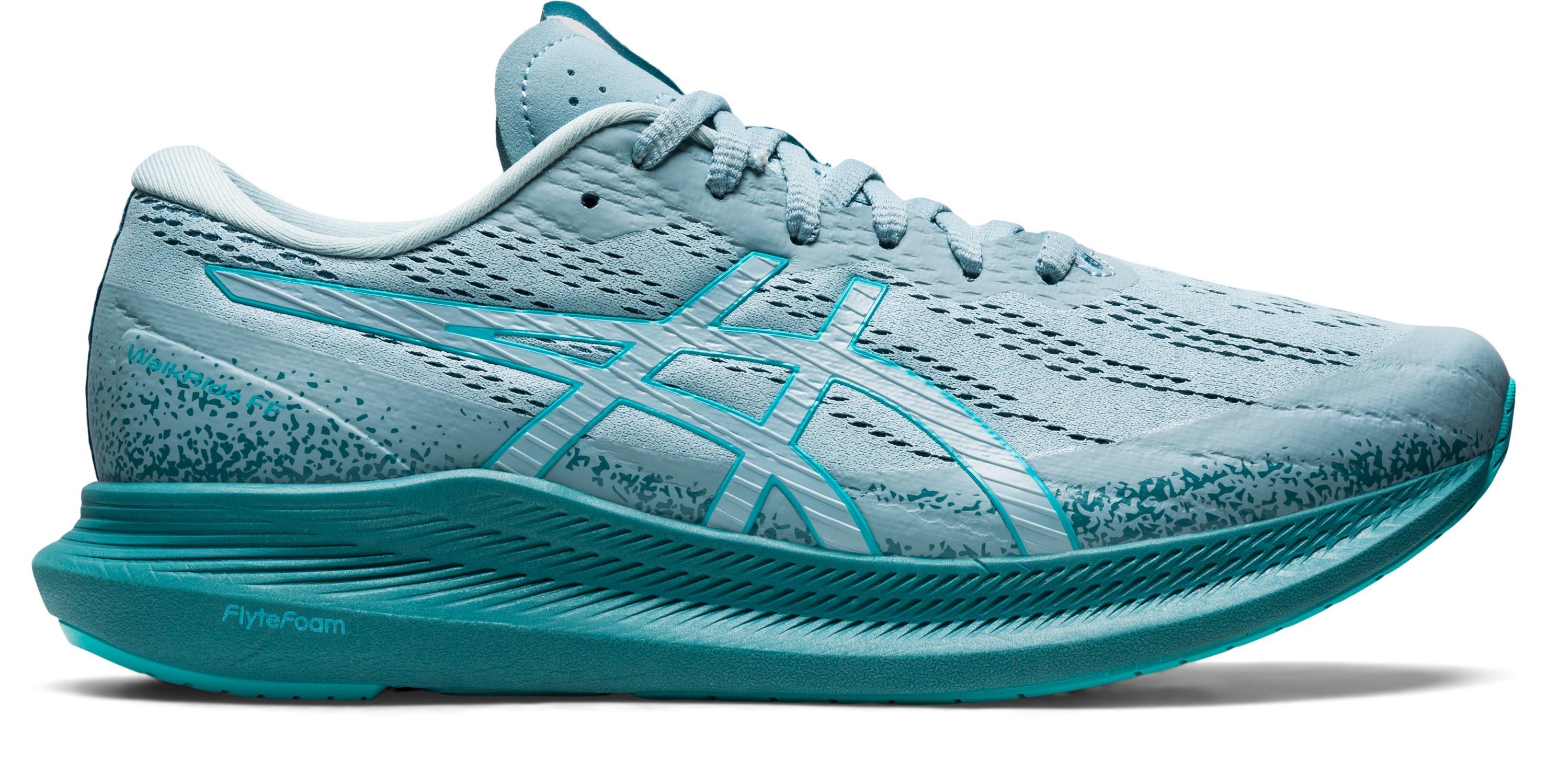
The market for walking shoes is vast, but they generally fall into distinct categories based on their design philosophy. Stability shoes are engineered for individuals with mild to moderate overpronation. They feature firmer postings on the medial (inner) side of the midsole to guide the foot into a more neutral position. Brands like Brooks (with their Adrenaline GTS line) and ASICS (GT-2000 series) are frequently cited in podiatric circles for their excellence in this category. Cushioned/Neutral shoes are designed for walkers with a neutral gait or those who underpronate. They prioritize shock absorption without corrective posting, often using advanced foam technologies. HOKA ONE ONE, known for its maximalist cushioning, and New Balance’s Fresh Foam series are standout examples. Motion control shoes are the most robust, built for severe overpronation or heavier individuals. They offer maximum rearfoot control and are often constructed with wider bases. While not as common in pure walking styles, certain models from Brooks (Beast/Ariel) serve this purpose. It is crucial to note that many of these brands have specific walking shoe lines, like the ASICS Gel-Walk or New Balance Walker, which incorporate these technologies into lasts (shoe forms) designed specifically for the biomechanics of walking, which involves a slower gait cycle and different pressure distribution than running. These dedicated podiatrist recommended walking shoes are often recognized by the APMA’s Seal of Acceptance, a credible indicator of their foot-health benefits.
Integrating Professional Knowledge with Practical Value
Armed with this knowledge, the final step is a practical and value-conscious acquisition strategy. First, consider getting a professional gait analysis. Many specialty running and walking stores offer this service, using treadmills and video technology to observe your foot strike and recommend suitable shoe categories. This mirrors a podiatrist’s observational analysis and is an excellent starting point. Second, do not underestimate the importance of trying shoes on with the socks you intend to wear and walking around the store extensively. Third, while investing in quality is non-negotiable for health, value can be found. Look for previous model-year versions of top-tier shoes. When a brand releases a new version (e.g., Brooks Adrenaline GTS 23), the outgoing model (GTS 22) is often discounted significantly, yet it retains 90% of the core technology and performance. Major online retailers and brand outlet sites frequently offer these discounts. As fitness expert and physical therapist Dr. Kelly Starrett has stated on his popular YouTube channel, “Don’t chase the latest model number. Chase the fit and function that works for your body. Last year’s proven technology at half the price is almost always a smarter buy.” This approach brings professional-grade podiatrist recommended walking shoes within a more accessible price range, allowing you to own multiple pairs for rotation, which extends the life of each pair by allowing the midsole foam to fully rebound between uses.
Your Path to Pain-Free Mobility Starts from the Ground Up
The journey to finding the perfect walking shoe is an exercise in applied self-care. It requires moving past aesthetic preferences and engaging with the objective, science-backed criteria that define foot health. By prioritizing the structural elements championed by podiatrists—targeted arch support, a secure heel counter, a roomy toe box, responsive cushioning, and strategic flexibility—you are not just buying footwear; you are investing in a mobile, pain-free future. The market offers excellent options from brands that have dedicated research to walking biomechanics, and savvy shopping can make these investments remarkably cost-effective. Remember, your feet are the foundation that carries you through every step of life. Choosing podiatrist recommended walking shoes is the most direct and impactful way to honor that foundation, ensuring every journey, whether a daily commute or a weekend adventure, is undertaken with unwavering comfort and support.
:max_bytes(150000):strip_icc()/tal-roundup-podiatrist-loved-shoes-on-sale-tout-bdbf5721fa5642efa38b61f6a5b4ff34.jpg)
