

Discover the Best Podiatrist Recommended Walking Shoes for All-Day Comfort
Your feet are the foundation of your movement, carrying you through countless steps each day. Yet, so often, they are an afterthought, crammed into footwear chosen for style over substance, leading to a cascade of discomfort that can ripple up through your entire body. The quest for a pain-free stride isn’t about fleeting trends; it’s a physiological necessity. This is where the expertise of podiatry becomes invaluable. Moving beyond generic advice, we delve into the specific engineering and biomechanical principles that define truly supportive footwear. The right pair of podiatrist recommended walking shoes is not merely an accessory; it is a tool for sustained health, transforming walking from a chore into a rejuvenating daily practice. We will navigate the critical features that separate adequate shoes from exceptional ones, grounding our exploration in anatomical science and professional insight to guide you toward unparalleled all-day comfort.
The Foundation of Foot Health: Why Podiatrist Insight is Non-Negotiable
To understand the gravity of a podiatrist’s recommendation, one must first appreciate the complex architecture they dedicate their careers to studying. The human foot is a masterpiece of biological engineering, comprising 26 bones, 33 joints, and over 100 muscles, tendons, and ligaments. This intricate system must simultaneously provide stability, absorb shock, and propel us forward—a demanding trifecta of functions. Podiatrists, as doctors of podiatric medicine, diagnose and treat conditions of the foot, ankle, and related structures of the leg. Their perspective is rooted in preventing and correcting biomechanical inefficiencies. When they advocate for specific footwear characteristics, they are prescribing a form of external orthotics designed to maintain the foot’s natural alignment and function. As noted by the American Podiatric Medical Association, improper footwear is a leading contributor to common ailments like plantar fasciitis, bunions, and metatarsalgia. Therefore, seeking out podiatrist recommended walking shoes is a proactive step in preemptive care. It’s an acknowledgment that expert-guided design can mitigate the stresses of modern, hard-surfaced living, ensuring that each step reinforces health rather than undermining it.
:max_bytes(150000):strip_icc()/I-Asked-Podiatrists-for-Their-Fall-Shoe-Recommendations-These-Are-Their-Top-8-Picks-8fbdf9d65f3a4228ae63f6e5253dc08c.jpg)
Arch Support: The Cornerstone of Proper Alignment
Perhaps the most frequently cited feature by foot specialists is substantive arch support. The arch of the foot acts as a natural shock absorber, dissipating the force of impact with the ground. However, not all arches are created equal—they range from high (cavus foot) to low (flat foot)—and each type presents unique support needs. A shoe with generic, insufficient arch support allows the foot to overpronate (roll inward excessively) or supinate (roll outward), disrupting the kinetic chain from ankle to knee, hip, and even the lower back. Scientifically, proper arch support helps maintain the medial longitudinal arch, reducing strain on the plantar fascia ligament. This is not mere speculation; a study published in the Journal of Foot and Ankle Research highlighted that footwear with appropriate arch contouring significantly reduced pain in individuals with plantar fasciitis. The best podiatrist recommended walking shoes offer differentiated support systems, often with removable insoles that can be replaced with custom orthotics. This adaptability is key, as it allows for a personalized fit that caters to your specific arch morphology, ensuring your foot is cradled in a position of optimal biomechanical efficiency throughout the day.
Heel Counter and Motion Control: Stabilizing Your Stride
While cushioning often steals the spotlight, stability is the silent guardian of foot health. Two critical components provide this: a firm heel counter and integrated motion control features. The heel counter is the rigid cup at the back of the shoe that encases the heel bone (calcaneus). Its primary function is to prevent excessive heel movement, which can lead to instability, blisters, and conditions like Achilles tendonitis. A sturdy, well-padded heel counter locks the heel in place, creating a stable platform from which the step can initiate. Complementing this is motion control technology, which typically involves a denser midsole material on the inner side of the shoe (the medial post) to curb overpronation. As biomechanist Dr. Casey Kerrigan, founder of OESH Shoes, has often discussed, controlling excessive frontal plane motion is crucial for joint preservation. Shoes lacking these elements allow the foot to flop and twist with each step, a wasteful and damaging movement. Therefore, when evaluating options, a hallmark of true podiatrist recommended walking shoes is a heel counter that does not easily collapse when squeezed and a design that acknowledges the need for guided, not just cushioned, motion.

Decoding the Anatomy of a Superior Walking Shoe
Moving from general principles to concrete construction, a superior walking shoe is a symphony of interconnected parts, each serving a distinct purpose. The upper, typically made from breathable mesh or engineered knit, should offer a secure, glove-like fit without pressure points, accommodating the natural swelling feet experience during prolonged wear. The toe box must be wide and deep enough to allow your toes to splay naturally upon impact, a concept popularized by the “barefoot” movement and supported by research into foot muscle activation. The midsole, the heart of the shoe’s cushioning, is where materials like EVA (ethylene-vinyl acetate), polyurethane, or advanced proprietary foams like Brooks’ DNA LOFT or ASICS’ FF BLAST come into play. These materials are engineered for a balance of softness for comfort and resilience for energy return. Finally, the outsole requires a flexible yet durable rubber with a tread pattern designed for grip on varied surfaces. This holistic design philosophy—where every component is optimized for the walking gait cycle, which involves a heel strike, foot flat, mid-stance, and toe-off—is what distinguishes dedicated walking shoes from running shoes or casual sneakers. It is this meticulous attention to the specifics of walking biomechanics that forms the basis of any credible list of podiatrist recommended walking shoes.
The Critical Role of the Right Fit and When to Replace
Even the most technologically advanced shoe fails if it is improperly fitted. A common podiatrist directive is to have your feet measured professionally later in the day, when they are at their largest. There should be about a thumb’s width (roughly 3/8 to 1/2 inch) of space between your longest toe and the end of the shoe. Furthermore, recognize that shoe size is not static; factors like age, pregnancy, and weight change can alter foot dimensions. Equally critical is knowing when to retire a pair. The cushioning and support materials in midsoles break down long before the outer appearance of the shoe does, typically after 300 to 500 miles of use. Continuing to wear degraded shoes is akin to driving a car with worn-out shock absorbers; the protective function is gone. As celebrity trainer and health advocate Jillian Michaels has emphasized on her platforms, investing in quality footwear and replacing it timely is a non-negotiable part of a fitness regimen. It is a direct investment in your mobility and pain-free living. Thus, the final, often overlooked, step in leveraging podiatrist recommended walking shoes is committing to their proper fit and timely renewal.

Bringing Expertise and Value to Your Step
Armed with this knowledge, the journey to finding your ideal pair becomes a targeted mission rather than an overwhelming gamble. The market offers exceptional options from brands that consistently earn podiatrist endorsements for their focus on biomechanics, such as Brooks, ASICS, New Balance (particularly their styles with roll-bar technology), HOKA ONE ONE for their maximalist cushioning, and Vionic for their built-in orthotic support. The goal is to match the shoe’s design strengths—be it motion control, plush cushioning, or flexible stability—with your individual gait and foot structure. To bring this professional knowledge directly to your benefit, we connect you with curated selections that embody these principles. Beyond just guidance, we believe in delivering tangible value. By partnering with authorized retailers, we can provide access to exclusive discounts and promotional pricing on these premium models. This means the investment in your foot health, in the form of top-tier podiatrist recommended walking shoes, becomes more accessible, allowing you to prioritize well-being without compromise.
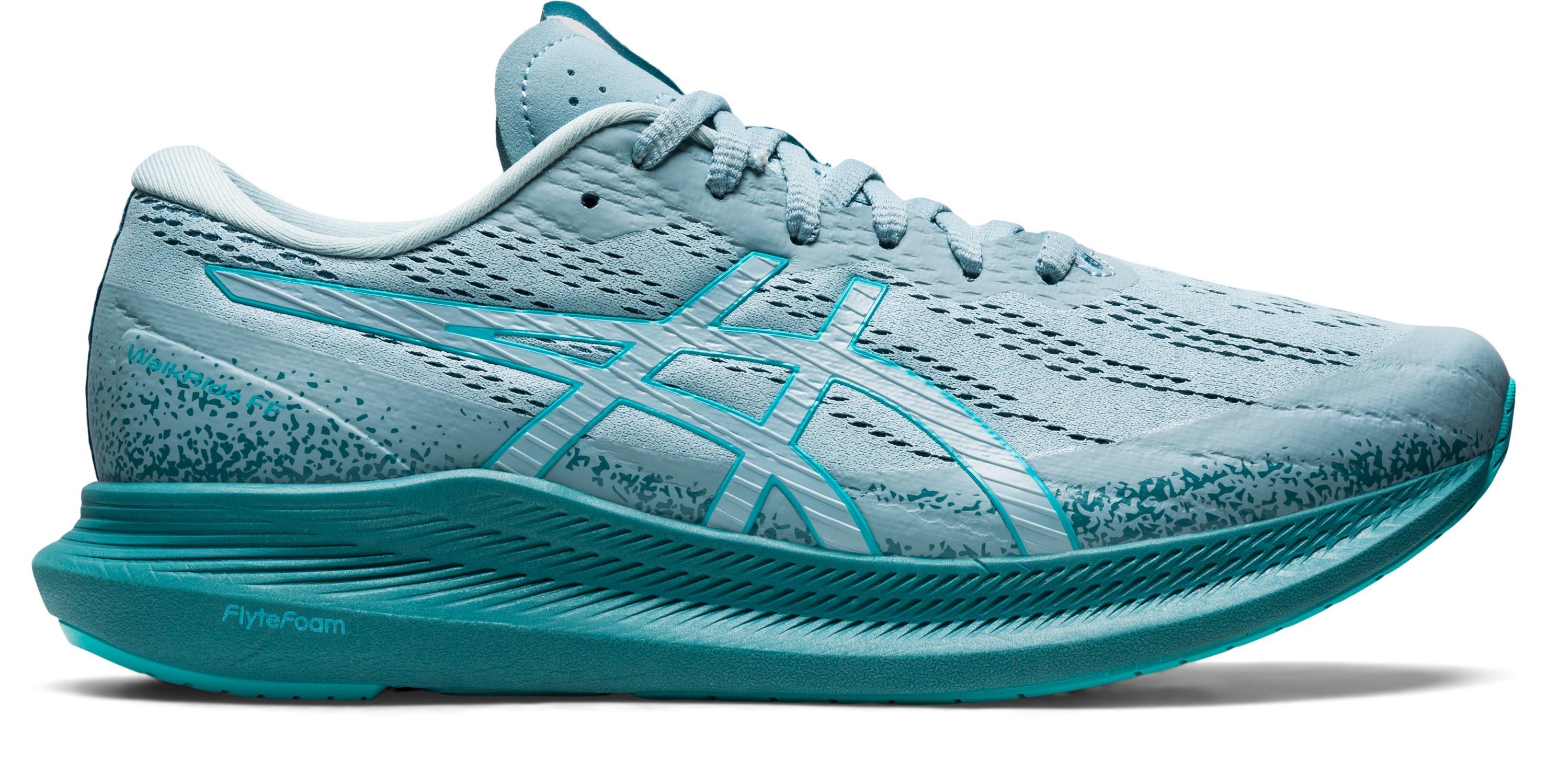
Your daily walk holds the potential to be a source of vitality, not discomfort. The distinction lies in the foundation you choose. By prioritizing the scientifically-backed features championed by podiatric medicine—rigorous arch support, unwavering stability, and a biomechanically-informed design—you actively participate in preserving your mobility. This is not about following a temporary trend; it is about adopting a fundamental tool for long-term wellness. Let your next step be the most informed one, taken in shoes designed not just to carry you, but to care for you with every mile.
