

Discover the Top Podiatrist Recommended Walking Shoes for Ultimate Comfort and Support
For anyone who walks—whether for fitness, daily errands, or simply to enjoy the day—the right footwear is not a luxury; it’s a necessity. The wrong shoes can lead to a cascade of discomfort, from blisters and calluses to more serious issues like plantar fasciitis, knee pain, and back problems. This is where the expertise of a podiatrist becomes invaluable. Podiatrists, or doctors of podiatric medicine, specialize in the diagnosis, treatment, and prevention of foot and ankle disorders. Their recommendations are grounded in biomechanics, anatomy, and clinical evidence. When they point to a specific category of footwear, it’s based on a deep understanding of how the foot moves, absorbs impact, and requires support. This article delves into the world of podiatrist recommended walking shoes, exploring the scientific principles behind their design, the key features to look for, and presenting a curated selection of top models that consistently earn professional endorsements. Our goal is to bridge the gap between professional medical advice and your everyday comfort, bringing you knowledge that empowers your choices and, where possible, guiding you toward options that offer both quality and value.
The Science of Stride: Why Podiatrist Endorsement Matters
Walking is a complex, repetitive motion involving a precise sequence of heel strike, foot flat, mid-stance, and toe-off. Each phase places unique stresses on the bones, muscles, ligaments, and tendons of the foot and lower limb. A podiatrist evaluates this gait cycle to identify abnormalities like overpronation (excessive inward rolling of the foot) or supination (outward rolling). According to resources from authoritative institutions like the American Podiatric Medical Association (APMA), improper gait can lead to a host of issues. For instance, the Wikipedia entry on “Podiatry” emphasizes its role in managing conditions arising from “biomechanical faults.” A shoe that earns the APMA Seal of Acceptance, for example, has been reviewed by a committee of podiatrists and found to promote good foot health. This seal is a tangible, objective marker of a shoe’s design integrity. Beyond certifications, podiatrists often cite specific engineering features. Dr. Jacqueline Sutera, a prominent New York City podiatrist, has frequently discussed in media interviews the importance of a “rocker sole” for certain patients, a design that facilitates a smoother roll-through from heel to toe, reducing strain on the plantar fascia. Therefore, seeking out podiatrist recommended walking shoes is not about following a trend; it’s about aligning your footwear with clinically validated principles of musculoskeletal health. It’s an investment in preventing pain before it starts, allowing you to walk farther and more comfortably, day after day.

Deconstructing the Ideal Walking Shoe: Five Non-Negotiable Features
What exactly sets a podiatrist-approved shoe apart from a generic athletic sneaker? The distinction lies in a combination of features that work in harmony to support the natural foot mechanics. First, consider arch support. The arch acts as a shock absorber; inadequate support can lead to the collapse of this structure, straining the plantar fascia. This is a principle well-documented in orthopedic literature from universities like the University of Washington’s Department of Orthopaedics. Second, heel counter stability is crucial. A firm, cupped heel counter locks the rearfoot in place, preventing excessive movement that can cause Achilles tendonitis or instability. Third, the midsole material and geometry determine cushioning and stability. Podiatrists often recommend shoes with dual-density midsoles—a firmer material on the inner side to control overpronation and a softer material elsewhere for comfort. Brands like Brooks and ASICS have built their reputations on such technologies, frequently cited in round-ups on health websites like Healthline and Verywell Fit. Fourth, adequate toe box space is vital. As noted by the Cleveland Clinic, cramped toe boxes can deform toes and lead to neuromas. A spacious, foot-shaped toe box allows toes to splay naturally upon weight-bearing. Finally, flexibility at the right point is key. The shoe should bend easily at the ball of the foot (the metatarsophalangeal joints) but remain stable through the arch. A shoe that flexes in the middle of the arch undermines its own support structure. When you find a model that excels in all five areas, you have likely found a true podiatrist recommended walking shoe.
Top Contenders: Shoes That Consistently Earn Professional Praise
While individual needs vary, certain models are repeatedly highlighted by foot care professionals across various platforms, from YouTube channels run by certified pedorthists to Q&A forums on Quora where podiatrists contribute. One perennial favorite is the Brooks Addiction Walker. It is often described as a “workhorse” for its exceptional stability, thanks to its Extended Progressive Diagonal Rollbar (PDRB) technology. This feature, as explained on Brooks’ own site and validated by the APMA Seal, provides a guide rail effect to control motion. Another standout is the New Balance 928. This model is a go-to recommendation for those requiring maximum support and durability, often mentioned in the context of managing conditions like severe overpronation or arthritis. Its rollbar technology and premium leather construction make it a staple in podiatrist offices. For those seeking a blend of modern athletic styling and clinical support, the HOKA ONE ONE Bondi series is frequently cited. Despite its maximalist cushioning, which podiatrists like Dr. Brad Schaeffer on social media platform X (formerly Twitter) note can be beneficial for shock absorption in patients with joint issues, many HOKA models offer inherent stability. The ASICS Gel-Kayano series, though often categorized as a running shoe, is also frequently recommended for walkers due to its sophisticated Dynamic DuoMax support system and FluidRide cushioning, technologies rooted in decades of biomechanical research. These models represent the pinnacle of what podiatrist recommended walking shoes aim to achieve: a fusion of corrective engineering and all-day comfort.
:max_bytes(150000):strip_icc()/shp-best-brooks-walking-shoes-tout-f67df3ab5afa4c08a24a63ae6dca3444.jpg)
Beyond the Brand: Personalizing Your Shoe Selection
Knowing the top models is a starting point, but the final choice must be personal. A shoe praised by a podiatrist for a patient with flat feet may be unsuitable for someone with a high arch. This is where self-assessment and professional fitting become critical. First, understand your foot type. The classic “wet test”—examining the imprint your wet foot leaves on a paper bag—can reveal whether you have low, neutral, or high arches. Resources from Baidu Baike and other knowledge repositories describe this simple diagnostic method. Second, consider your walking environment. Are you primarily on pavement, trails, or indoor surfaces? The outsole rubber compound and tread pattern should match your terrain for optimal grip and wear. Third, think about any specific foot conditions. If you have a bunion, a soft, stretchable upper is non-negotiable. If you suffer from heel pain, a shoe with a well-cushioned heel and good arch support is paramount. The viewpoint expressed in many Wenku documents on foot health emphasizes this condition-specific approach. It is also wise to shop for shoes later in the day when your feet are naturally slightly swollen, and to always wear the socks you intend to walk in. Remember, the most expensive podiatrist recommended walking shoe is only effective if it fits your foot perfectly. Don’t hesitate to consult with a specialist in a reputable shoe store or, ideally, with a podiatrist directly for a gait analysis.
:max_bytes(150000):strip_icc()/favorite-walking-shoes-round-up-november-2024-458c3fc0c6844adca7c0a34ebc5cfb9b.jpg)
Investing in Your Foundation: The Long-Term Value of Quality Footwear
It’s tempting to view high-quality walking shoes as a significant expense. However, when framed as an investment in your foundational health, the perspective shifts. Consider the cost of neglecting your feet: co-pays for doctor visits, physical therapy sessions, orthotic devices, and the intangible cost of chronic pain that limits your activity and enjoyment of life. A well-constructed pair of podiatrist recommended walking shoes is a proactive measure against these outcomes. Furthermore, the durability of these shoes often justifies their price. Shoes from brands like New Balance and Brooks are renowned for their longevity, with many users reporting 500 miles or more of comfortable wear. To maximize value, be strategic about purchases. Sign up for brand newsletters to receive notifications about sales. Check reputable online retailers during holiday weekends or end-of-season clearances. Consider purchasing last season’s model, which often has identical core technology at a discounted price. The knowledge you’ve gained about essential features allows you to evaluate whether a sale shoe truly meets the criteria, ensuring you don’t sacrifice support for savings. As the adage goes, derived from countless health and wellness philosophies, “You are what you repeatedly do.” Protecting your feet with every step is one of the most impactful habits you can cultivate for long-term mobility and vitality.
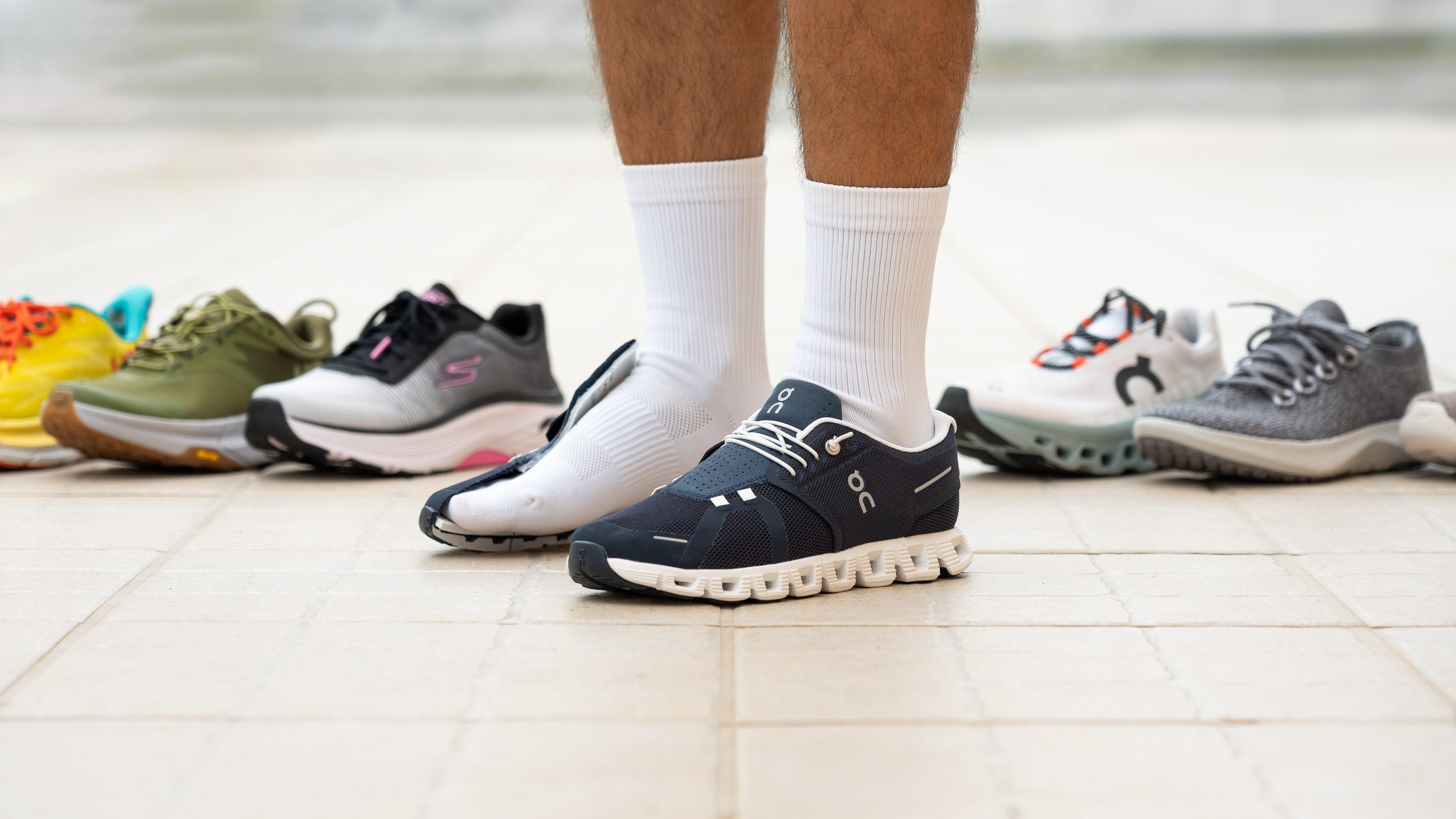
Your journey toward pain-free, supported walking begins with a single, informed step. The world of footwear is vast, but by focusing on the principles endorsed by foot health specialists—superior arch support, heel stability, appropriate cushioning, ample toe room, and strategic flexibility—you can navigate it with confidence. The models highlighted here, from the steadfast Brooks Addiction to the cloud-like HOKA Bondi, serve as proven benchmarks in the category of podiatrist recommended walking shoes. They embody the synthesis of scientific research and practical design. Ultimately, the best shoe is the one that feels like a natural extension of your body, providing a stable, cushioned platform that empowers your movement rather than hindering it. Listen to the experts, understand your own needs, and choose footwear that doesn’t just carry you from place to place, but actively contributes to your overall well-being with every mile.
