

Discover the Best Podiatrist Recommended Walking Shoes for All-Day Comfort
Your feet are your foundation, and the shoes you choose for walking can mean the difference between a day filled with vibrant energy and one hampered by discomfort. The quest for the perfect walking shoe is not merely about fashion or trend; it is a critical investment in your long-term musculoskeletal health and daily well-being. This guide cuts through the marketing noise to focus on what truly matters: podiatrist recommended walking shoes engineered for genuine, all-day comfort. We will dissect the scientific principles behind foot mechanics, explore the non-negotiable features that define superior footwear, and provide you with the knowledge to make an informed choice that supports your body from the ground up.
The Science of Stride: Why Your Feet Demand Expert-Approved Footwear
Walking is a complex symphony of biomechanical events. With each step, your foot undergoes a precise sequence of pronation (rolling inward) and supination (rolling outward) to absorb shock and propel you forward. When this natural motion is disrupted by improper footwear, the consequences ripple upward. According to literature from the American Podiatric Medical Association (APMA), shoes lacking adequate arch support, cushioning, and stability can contribute to a host of issues beyond foot pain, including plantar fasciitis, shin splints, knee strain, and even lower back problems. The concept of “all-day comfort” is therefore not a subjective feeling but an objective state of biomechanical harmony. A podiatrist recommended walking shoe is designed with this precise physiology in mind. It acts as a corrective and supportive interface between your foot and the ground, ensuring that the 26 bones, 33 joints, and over 100 muscles, tendons, and ligaments in each foot can function as nature intended. Think of it not as an accessory, but as essential equipment for the most fundamental human movement.
:max_bytes(150000):strip_icc()/shp-best-brooks-walking-shoes-tout-f67df3ab5afa4c08a24a63ae6dca3444.jpg)
Arch Support: The Non-Negotiable Foundation
Perhaps the most critical element in any walking shoe is its approach to arch support. The arch of your foot is a marvel of natural engineering, a dynamic structure that bears your body’s weight and stores elastic energy. Shoes that are too flat or offer generic, one-size-fits-all arch contours fail this fundamental test. As noted on platforms like Quora and in discussions among sports medicine professionals, proper arch support helps distribute pressure evenly across the foot, preventing overpronation or supination. This is where the recommendation of a podiatrist becomes invaluable. Podiatrists assess an individual’s arch type—neutral, low (flat feet), or high—and recommend shoes with corresponding support systems. For instance, a person with flat feet requires a shoe with substantial medial (inner) support to control excessive pronation, while someone with a high arch needs focused cushioning to compensate for rigidity. A true podiatrist recommended walking shoe will often feature a well-defined, contoured footbed or midsole technology, such as Brooks’ GuideRails or ASICS’ Dynamic DuoMax, designed to cradle the arch specifically. Ignoring this feature is akin to building a house on an unstable foundation; eventually, the entire structure feels the strain.
Cushioning vs. Stability: Striking the Perfect Balance
A common misconception is that maximum cushioning equates to maximum comfort. While plush, soft foams feel inviting in the store, they can sometimes lack the necessary stability for sustained walking, allowing the foot to roll excessively. The ideal shoe finds a harmonious balance. Cushioning materials, such as specialized EVA foams, gel pods, or nitrogen-infused compounds like Nike’s React, are engineered to attenuate the impact force of heel strike—a force that can be 1.5 times your body weight with each step. However, this cushioning must be strategically placed and paired with stabilizing features. A reinforced heel counter—the firm cup at the back of the shoe—is essential for locking the heel in place and preventing slippage that can lead to blisters and inefficient gait. Furthermore, the midsole often incorporates dual-density foams; a firmer material on the inner side to control pronation and a softer one elsewhere for comfort. This nuanced engineering is a hallmark of professional-grade footwear. As celebrity trainer and physiotherapist, Dr. Emily Splichal, has emphasized in her YouTube analyses, “The goal is not to create a marshmallow underfoot, but to create a responsive platform that manages energy return and guides the foot through a healthy transition.”

Decoding the Features: What to Look For in Your Next Pair
Armed with an understanding of the “why,” we can now effectively evaluate the “what.” When shopping for walking shoes, move beyond brand loyalty and color preference. Your inspection should be methodical. First, examine the toe box. It should be deep and wide enough to allow your toes to splay naturally without constriction, a point famously advocated for in the book “Born to Run” and by minimalist running advocates. Next, perform the “flex test.” Bend the shoe. It should flex easily at the ball of the foot (where your foot naturally bends) but remain rigid in the midfoot and heel, ensuring the arch support remains intact. Check the weight. Excessively heavy shoes can fatigue the leg muscles over miles. Modern podiatrist recommended walking shoes utilize lightweight, durable meshes and composites. Finally, consider the outsole. A carbon rubber or blown rubber outsole with a flexible groove pattern provides durable traction and facilitates a smooth heel-to-toe roll-off. These are not mere details; they are the cumulative factors that transform a shoe from a simple covering into a therapeutic device.
The Material World: Breathability and Durability in Harmony
The upper material of a shoe plays a crucial role in long-term comfort and foot health. Traditional leather, while durable, can be heavy and less breathable. Modern performance meshes, often engineered with zones of varying density and weave, offer superior breathability, allowing heat and moisture to escape. This is vital for preventing fungal infections and keeping the foot dry and comfortable. However, breathability must not compromise structure. Look for reinforced panels in high-stress areas, such as the eyestay (where the laces are pulled) and the medial midfoot. These strategic reinforcements, often made of synthetic overlays or thermoplastic polyurethane (TPU), ensure the shoe maintains its shape and support system over hundreds of miles. The insole, or sock liner, is another critical component. Many premium walking shoes feature removable, antimicrobial insoles made from memory foam or other conforming materials. This allows for customization—you can replace them with custom orthotics prescribed by a podiatrist, a common recommendation for those with specific biomechanical needs. Thus, the ideal upper is a testament to smart engineering: it breathes like a second skin yet provides the structured embrace of a supportive partner.
:max_bytes(150000):strip_icc()/tal-10-podiatrist-approved-open-toed-shoes-tout-00bd6ff1c36a49cdbbff486b0b54fb27.jpg)
Investing in Your Foundation: Where Value Meets Expertise
It is a reasonable question to ask why podiatrist recommended walking shoes often come with a higher price tag than discount store alternatives. The answer lies in research, development, and materials. The advanced foams, stability technologies, and durable rubber compounds are the result of millions of dollars in biomechanical research and testing. Brands that consistently earn podiatrist endorsements, such as New Balance, ASICS, HOKA, and Brooks, invest heavily in their own labs and collaborate with medical professionals. This investment translates directly to your comfort and health. However, value does not mean overpaying. To bring professional knowledge and discounted prices to you, it is wise to shop at the end of a model’s cycle. Shoe models are typically updated every 12-18 months. When a new version is released, the previous model—which often has 90% of the same core technology—can be found at significant discounts. Authorized online retailers, seasonal sales, and outlet stores are excellent avenues for finding these deals. Remember, the true cost of a poor-quality shoe is not measured at the register, but in potential medical bills, pain, and diminished quality of life. Investing in the right pair is a proactive step in preventative health care.
Your Personal Gait: The Final Piece of the Puzzle
Even the most technologically advanced shoe is only perfect if it matches your unique biomechanics. This is why, whenever possible, a gait analysis is recommended. Many specialty running and walking stores offer this service. It involves walking or jogging on a treadmill while a specialist (or a camera system) analyzes your stride pattern, foot strike, and degree of pronation. This objective data is invaluable. It can reveal subtleties that you may not feel but that will manifest as discomfort over time. Pair this analysis with the tried-and-true fitting principles: shop in the late afternoon when your feet are naturally slightly swollen, wear the socks you intend to walk in, and ensure there’s about a thumbnail’s width of space between your longest toe and the end of the shoe. The shoe should feel secure and supportive from the moment you put it on, with no “break-in” period required—a myth that podiatrists frequently debunk. A proper fit in a correctly chosen podiatrist recommended walking shoe should feel like an immediate extension of your body, facilitating movement rather than hindering it.
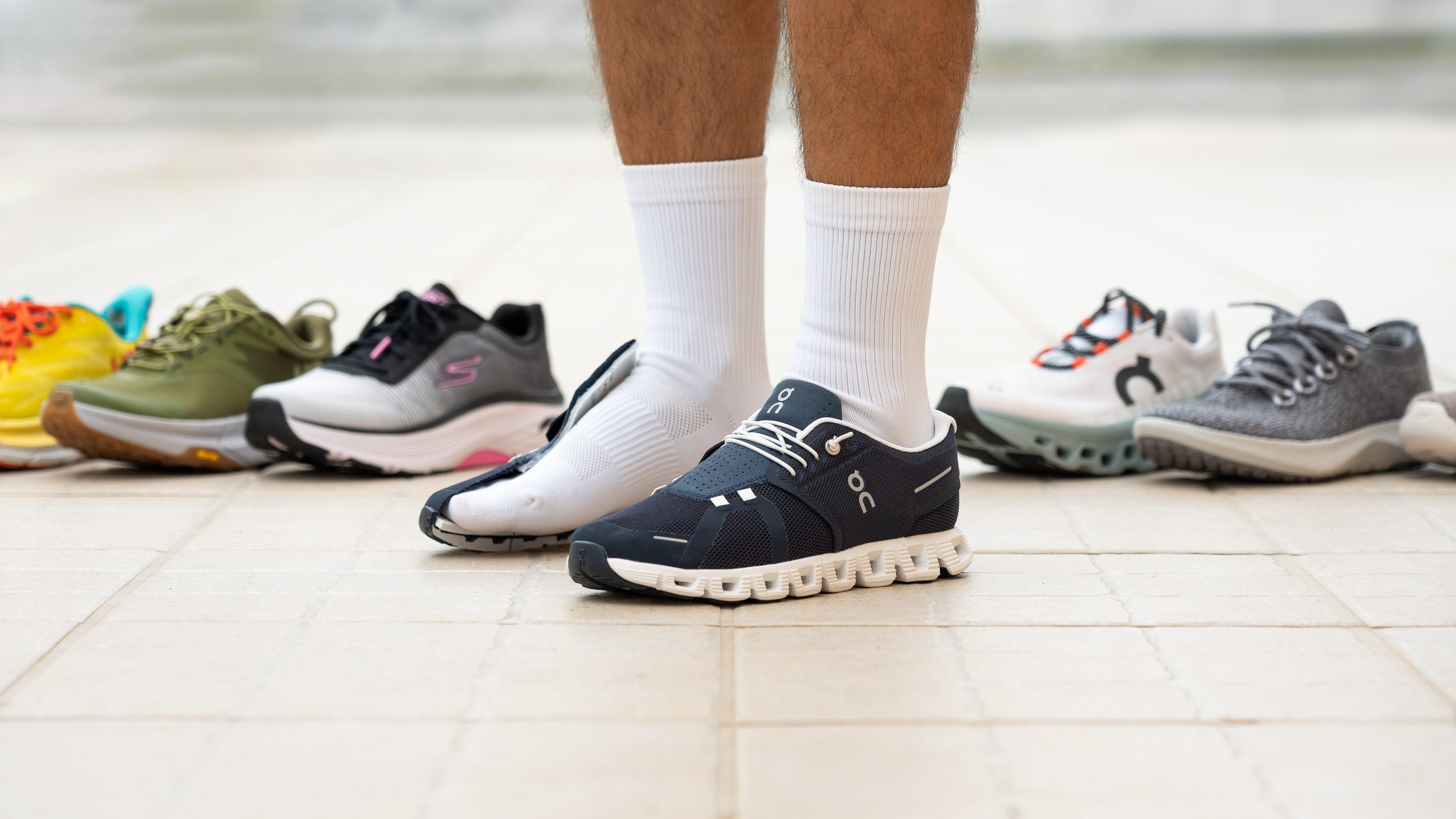
The journey to finding the ideal walking shoe is a journey of prioritizing function over fleeting fashion, of understanding the intricate dialogue between your body and the ground. By focusing on the principles of biomechanical support, balanced cushioning, and intelligent design—the very hallmarks of podiatrist recommended walking shoes—you empower yourself to move through your days with resilience and ease. This choice transcends simple footwear; it is a conscious commitment to sustaining your mobility, preventing injury, and embracing the simple, profound joy of a comfortable, powerful stride. Let your next step be your most informed one.
