

Discover the Best Podiatrist Recommended Walking Shoes for All-Day Comfort
Your feet are the foundation of your movement, and the shoes you choose can either support or sabotage your daily comfort and long-term health. For anyone who spends significant time on their feet—whether navigating city streets, exploring nature trails, or managing the demands of a busy workday—the quest for the perfect walking shoe is paramount. This isn’t merely about fashion or fleeting trends; it’s a physiological necessity. The wrong footwear can lead to a cascade of issues, from immediate blisters and plantar fasciitis to chronic knee, hip, and back pain. Conversely, the right pair acts as a personal shock absorption and stabilization system, transforming walking from a chore into a pleasure. This guide cuts through the marketing noise to focus on a singular, authoritative standard: podiatrist recommended walking shoes. We will delve into the science of foot biomechanics, decode the essential features these experts demand, and present curated selections that marry professional endorsement with real-world comfort and value.
The Science of Support: Why Podiatrist Endorsement Matters
To understand the critical importance of a podiatrist recommended walking shoe, one must first appreciate the complex engineering of the human foot. Each foot contains 26 bones, 33 joints, and over 100 muscles, tendons, and ligaments, all working in concert to provide balance, propulsion, and shock absorption. Podiatry, the branch of medicine devoted to the study, diagnosis, and treatment of disorders of the foot, ankle, and lower extremity, provides the scientific framework for proper footwear. Podiatrists don’t just treat problems; they understand their biomechanical origins. A common issue like overpronation—where the foot rolls inward excessively—can be mitigated by shoes with firm medial (arch) support. Similarly, inadequate cushioning can exacerbate heel pain, a symptom often associated with plantar fasciitis, an inflammation of the band of tissue connecting the heel bone to the toes. The American Podiatric Medical Association (APMA) grants its Seal of Acceptance to products that promote good foot health, a rigorous evaluation based on scientific data. Therefore, a shoe bearing this seal or a direct recommendation from a practicing podiatrist has been vetted against clinical standards, not just style or sales metrics. It represents an alignment with the foot’s natural mechanics, offering structured support where needed and flexibility where beneficial. This objective, health-first perspective is what separates a true walking companion from mere footwear.
:max_bytes(150000):strip_icc()/podiatrist-recommended-walking-shoes-e1b90077185d4e6cadbf6327c4d17db7.jpg)
Deconstructing the Ideal Walking Shoe: Five Non-Negotiable Features
What specific elements transform an ordinary sneaker into a podiatrist recommended walking shoe? The distinction lies in a combination of design features that address stability, cushioning, fit, and durability. First, consider the heel counter. This is the firm cup at the back of the shoe that cradles the heel. A rigid, well-structured heel counter is crucial for preventing excessive heel movement, which can lead to instability and conditions like Achilles tendonitis. Second, arch support is not a one-size-fits-all proposition. Podiatrists emphasize the need for support that matches your foot type—neutral, low-arch (flat feet), or high-arch. Proper arch support distributes weight evenly and maintains the foot’s natural alignment from heel strike to toe-off. Third, midsole cushioning, often made from advanced materials like EVA (ethylene-vinyl acetate) or polyurethane, must be resilient. It should absorb impact without bottoming out, protecting the joints from the repetitive force of walking, which can be 1.5 times your body weight with each step. Fourth, the toe box must be wide and deep enough to allow your toes to splay naturally without constriction, preventing issues like bunions and neuromas. Finally, a flexible yet supportive sole that bends at the ball of the foot (metatarsophalangeal joint) encourages a natural gait cycle. As Dr. Jacqueline Sutera, a New York City-based podiatrist and Vionic Innovation Lab member, has stated in various media interviews, “A good walking shoe should feel stable, like your foot is being held securely on a platform, but not stiff. It should guide your foot through a healthy gait.” These features, working in harmony, form the blueprint for all-day comfort.
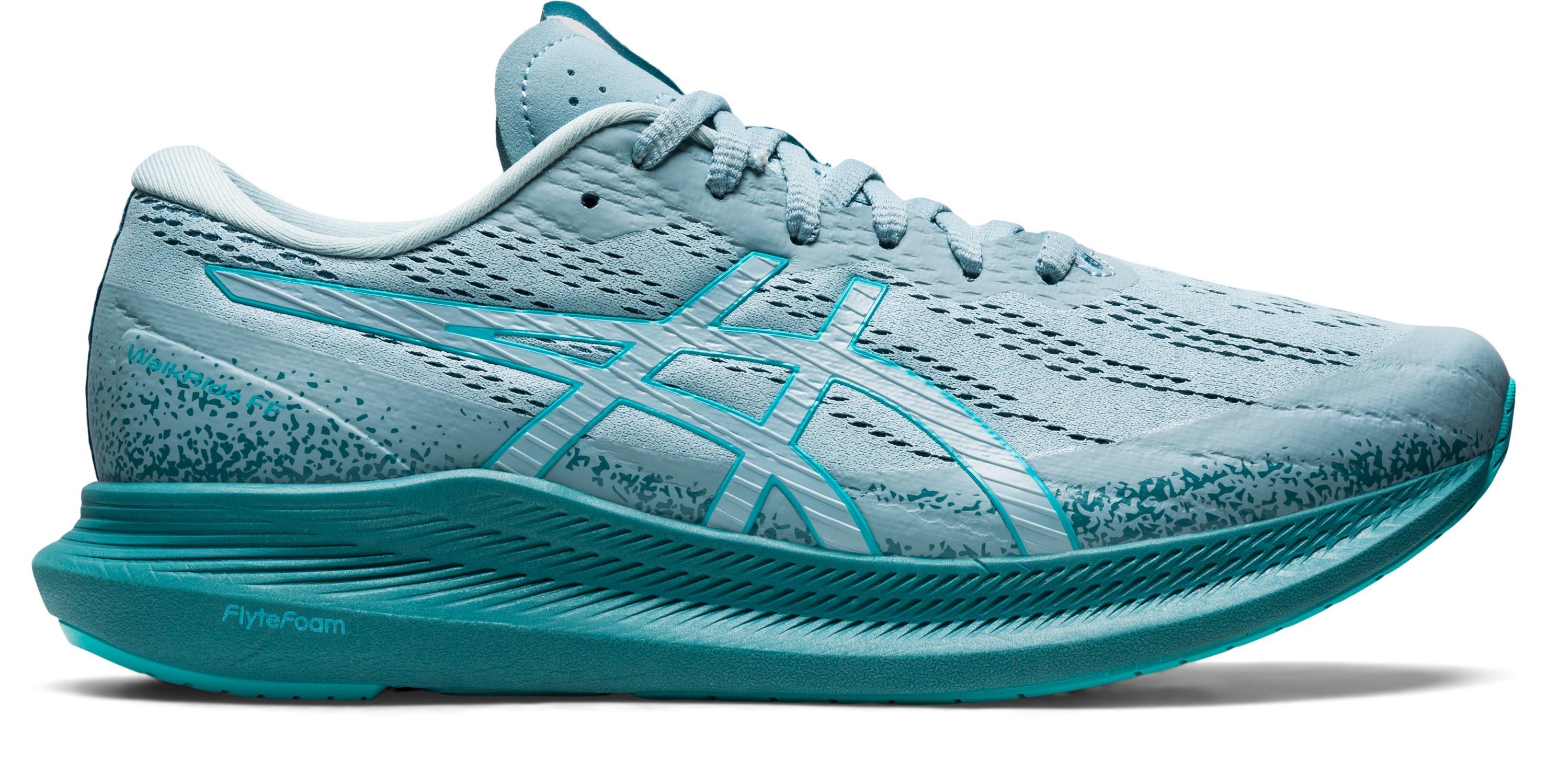
Beyond the Basics: Materials, Breathability, and Weight
While structural features are paramount, the materials used in a podiatrist recommended walking shoe significantly influence comfort and foot health. Upper materials should be breathable, such as engineered mesh, to allow heat and moisture to escape, reducing the risk of fungal infections and blisters. Seamless or strategically placed seams minimize friction points that can cause painful irritation over miles of walking. The insole, or sock liner, is often removable, allowing for customization with orthotics—a common prescription from podiatrists for individualized correction. Furthermore, the overall weight of the shoe is a critical but often overlooked factor. A heavy shoe increases the metabolic cost of walking, causing premature fatigue in the muscles of the feet and legs. Modern podiatrist-approved designs leverage lightweight, durable composites without sacrificing the essential support structures. This holistic approach to material science ensures the shoe functions as a protective, climate-controlled environment for the foot, working in tandem with its biomechanical design to promote endurance and health.
Curated for Comfort: Top Podiatrist-Recommended Styles for Every Walker
Navigating the vast market of athletic shoes can be daunting. To simplify your search, we have compiled a selection of styles frequently endorsed by foot care professionals for their exemplary design. It’s important to remember that the “best” shoe is the one that fits your unique foot shape and gait pattern, but these models consistently receive high marks in podiatric circles. For those requiring maximum stability and motion control, brands like Brooks with their Adrenaline GTS line or ASICS with the GT-2000 series offer exceptional guidance systems and structured support. For walkers seeking plush, cloud-like cushioning to combat hard surfaces, HOKA ONE ONE’s Bondi or Clifton models are renowned for their generous, resilient midsoles. If you have a neutral gait and prioritize lightweight flexibility and responsiveness, the New Balance Fresh Foam series or the Saucony Ride provide a perfect balance. Each of these models embodies the principles of a true podiatrist recommended walking shoe, integrating advanced technology with a deep understanding of foot anatomy. When trying them on, do so in the afternoon when your feet are naturally slightly swollen, wear the socks you intend to walk in, and ensure there’s about a thumb’s width of space between your longest toe and the end of the shoe. This personalized fit is the final, critical step in unlocking all-day comfort.
:max_bytes(150000):strip_icc()/shp-best-brooks-walking-shoes-tout-f67df3ab5afa4c08a24a63ae6dca3444.jpg)
Investing in Your Foundation: The Long-Term Value of Quality Footwear
Some may hesitate at the price point of high-quality, professionally endorsed walking shoes. However, this perspective shifts when viewed as an investment in preventative health care. Consider the cost of a single podiatrist visit, custom orthotics, physical therapy for knee pain, or even time lost from work due to foot-related injury. A superior pair of podiatrist recommended walking shoes is a proactive measure against these potential expenses. Furthermore, the durability of these shoes, constructed with higher-grade materials and craftsmanship, often means they outlast cheaper alternatives, providing better cost-per-mile value. To make this investment more accessible, savvy shoppers can look for previous model-year versions of top shoes, which often see significant discounts when new iterations are released without substantial changes to core support technologies. Many reputable retailers also offer loyalty programs, seasonal sales, and bundle discounts. Remember, your feet carry you through every moment of your life. Providing them with the best possible support is not an indulgence; it’s a fundamental necessity for a mobile, pain-free, and active lifestyle. The right shoe is a tool for wellness, enabling you to walk further, feel better, and engage with the world on your own terms, comfortably and confidently.
:max_bytes(150000):strip_icc()/tal-roundup-podiatrist-loved-shoes-on-sale-tout-bdbf5721fa5642efa38b61f6a5b4ff34.jpg)
