

Discover the Best Podiatrist Recommended Walking Shoes for All-Day Comfort
Your feet are the foundation of your movement, and the shoes you choose can either support or sabotage your daily comfort and long-term health. For anyone who spends significant time on their feet—whether navigating city streets, exploring nature trails, or managing the demands of a busy workday—the quest for the perfect walking shoe is paramount. This isn’t merely about fashion or fleeting trends; it’s a physiological necessity. The wrong footwear can lead to a cascade of issues, from immediate blisters and plantar fasciitis to chronic knee, hip, and back pain. Conversely, the right pair acts as a personal biomechanical support system, enhancing stability, absorbing shock, and promoting a natural, healthy gait. This guide cuts through the marketing noise to focus on a singular, authoritative standard: podiatrist recommended walking shoes. We will delve into the science of foot mechanics, decode the essential features these experts demand, and present curated selections that marry professional endorsement with real-world comfort, all while highlighting where to find these crucial tools at the most advantageous value.
The Science of Support: Why Podiatrist Endorsement Matters
To understand the weight behind the term “podiatrist recommended walking shoes,” one must first appreciate the complex engineering of the human foot. Each foot contains 26 bones, 33 joints, and over 100 muscles, tendons, and ligaments, all working in concert to provide balance, propulsion, and shock absorption. A podiatrist, or Doctor of Podiatric Medicine (DPM), is a specialist trained in the diagnosis, treatment, and prevention of disorders of the foot, ankle, and related structures of the leg. Their recommendations are not based on style but on biomechanics—the study of the structure and function of biological systems through mechanics. When a podiatrist suggests a shoe, they are evaluating its ability to maintain proper alignment from the ground up. This includes features like a firm heel counter to control rearfoot motion, adequate arch support to prevent overpronation or supination, and a rocker sole design to facilitate a smooth transition from heel-strike to toe-off. As noted in resources from institutions like the American Podiatric Medical Association (APMA), improper footwear is a leading contributor to common ailments. Therefore, a shoe bearing their seal of acceptance or explicit recommendation has been vetted for its therapeutic potential, making it a prudent choice for preventative care and all-day endurance.
Decoding the Anatomy of an Ideal Walking Shoe
Not all athletic shoes are created equal. Running shoes, for instance, are designed for forward momentum and higher-impact forces, while dedicated walking shoes are engineered for the distinct heel-to-toe rolling motion of a stride. Let’s dissect the non-negotiable components that define a superior, podiatrist recommended walking shoe. First, the upper must be constructed from breathable, flexible materials like engineered mesh to prevent overheating and accommodate natural foot swelling throughout the day. The toe box should be spacious enough to allow your toes to splay slightly upon weight-bearing, a feature often emphasized by experts on platforms like Quora and in biomechanics literature to prevent issues like bunions and neuromas. The midsole is the heart of the shoe, typically utilizing advanced cushioning technologies such as Brooks’ DNA LOFT, ASICS’ GEL, or proprietary EVA foams. These materials are not just soft; they are strategically placed to absorb shock at the heel and provide resilient energy return. The arch support must be substantial yet contoured, cradling the medial longitudinal arch to prevent collapse—a key factor in overpronation. Finally, the outsole requires a durable, flexible rubber with a tread pattern suited for varied surfaces and a beveled or rounded heel to encourage a natural gait cycle. This holistic design philosophy is what separates a generic sneaker from a true tool for foot health.
Top Contenders: Podiatrist-Approved Models for Every Walker
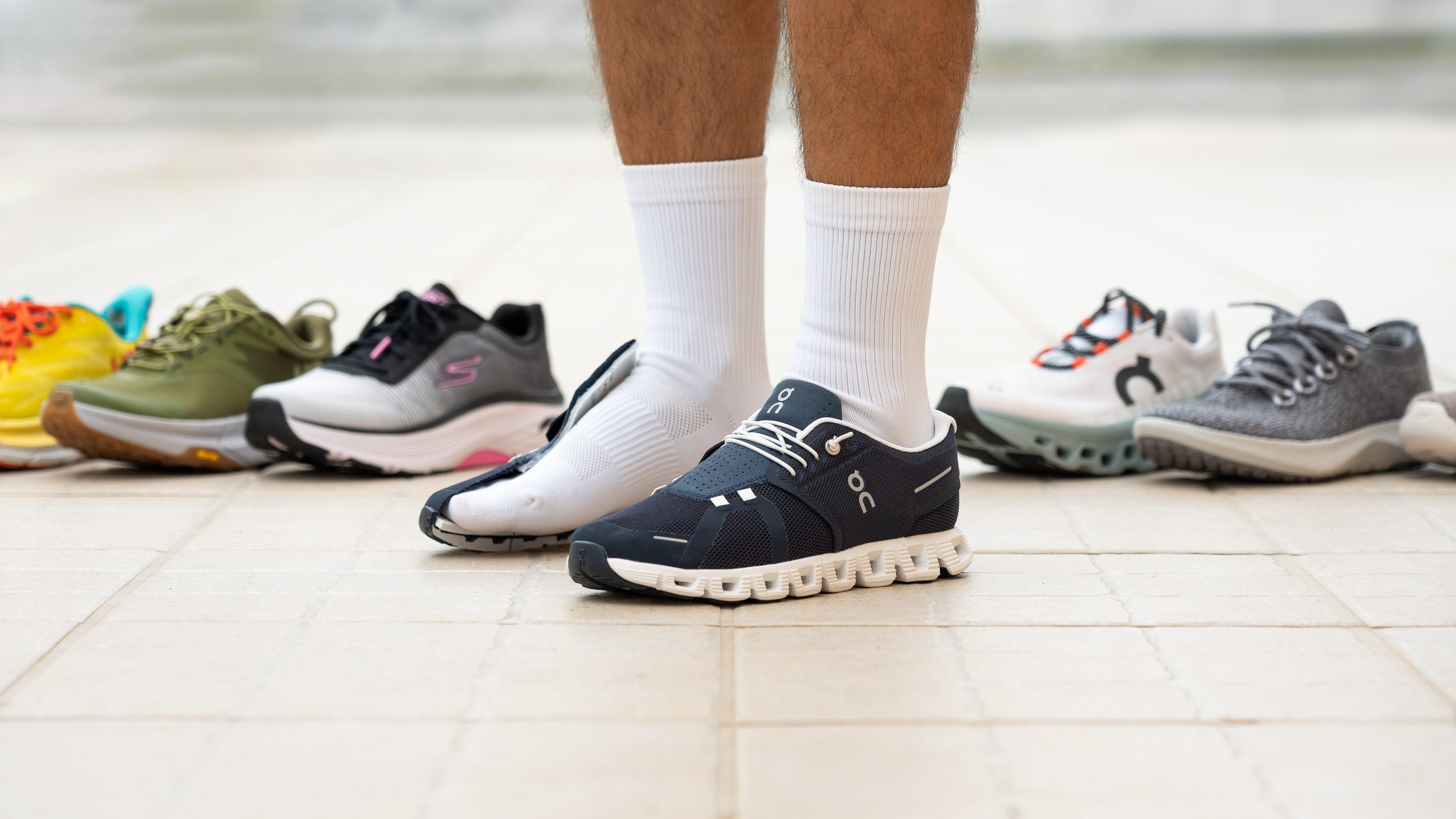
Based on aggregated reviews from professional podiatrists featured in publications like Travel + Leisure and EatingWell, as well as consensus from authoritative footwear analysis sites, several models consistently rise to the top. It’s crucial to remember that the “best” shoe is highly individual, dictated by your foot shape, arch type, and walking style. However, these categories and models serve as an excellent starting point for your search. For those requiring maximum stability and motion control—often individuals with flat feet or who overpronate—shoes like the Brooks Addiction Walker or the ASICS GT-2000 series are frequently cited. These models feature extended medial posts and rigid guidance systems to correct excessive inward rolling. For the neutral walker with a medium to high arch seeking plush cushioning for long distances on hard surfaces, the HOKA ONE ONE Bondi or the New Balance Fresh Foam 1080 offer exceptional shock absorption without sacrificing stability. Meanwhile, for the active walker who values a responsive, lightweight feel, the Saucony Kinvara or the podiatrist recommended walking shoes from the ON Cloud series provide a balanced, energetic ride. Each of these selections embodies the core principles of podiatric science: protection, alignment, and comfort.
:max_bytes(150000):strip_icc()/shp-best-brooks-walking-shoes-tout-f67df3ab5afa4c08a24a63ae6dca3444.jpg)
Investing in Your Foundation: The Long-Term Value of Quality Footwear
Viewing premium podiatrist recommended walking shoes as an expense is a common misconception; in reality, they are an investment in your musculoskeletal health and overall quality of life. Consider the alternative: the cumulative cost of doctor’s visits, orthotic inserts, physical therapy, and pain management for conditions exacerbated by poor footwear. A well-constructed shoe acts as a first line of defense. The materials and technologies in these shoes are designed for longevity, maintaining their structural integrity and cushioning properties over hundreds of miles, unlike cheaper alternatives that compress and break down rapidly. This durability translates to a lower cost per mile walked. Furthermore, the comfort and support they provide can increase your daily activity levels, contributing to better cardiovascular health, improved mood, and enhanced productivity—benefits far exceeding the initial price tag. As the adage often attributed to wise consumers goes, “The bitterness of poor quality remains long after the sweetness of low price is forgotten.” This is profoundly true for footwear, where poor quality manifests as physical pain.
Finding Your Fit and the Best Deal
Knowledge of the right models is only half the battle; securing the perfect fit and the best price completes the mission. Always try on shoes in the afternoon or evening, as feet naturally swell throughout the day. Wear the socks you intend to walk in and ensure there’s about a thumb’s width of space between your longest toe and the end of the shoe. Walk around the store, paying attention to any points of slippage or pressure. Don’t hesitate to seek out specialty running or walking stores where staff are trained in gait analysis. To bring professional-grade comfort into your life at a discounted price, strategic timing is key. Major retailers and brand websites often offer significant sales during seasonal transitions (e.g., new model releases in spring and fall), holiday weekends, and annual events like Black Friday. Signing up for brand newsletters can provide access to exclusive promo codes and early sale notifications. Additionally, reputable online outlets and certified resellers on platforms like Amazon frequently have previous-season colorways or models at a fraction of the original cost, without compromising on the core podiatric technology. Remember, investing the time to find a properly fitted, professionally endorsed pair of podiatrist recommended walking shoes is an investment that pays dividends with every step you take.
:max_bytes(150000):strip_icc()/tal-roundup-podiatrist-loved-shoes-on-sale-tout-bdbf5721fa5642efa38b61f6a5b4ff34.jpg)
The journey to all-day comfort begins from the ground up. By prioritizing the science-backed criteria used by foot health specialists, you move beyond guesswork and into a realm of informed choice. The shoes highlighted here represent a convergence of biomechanical research, material innovation, and clinical validation. They are not mere accessories but essential equipment for the marathon of daily life. Embracing the standard of podiatrist recommended walking shoes is a proactive commitment to your well-being, ensuring that each step is taken with confidence, support, and enduring ease. Your feet carry you through life’s journeys; it’s only fitting to provide them with the expert care they deserve.
:max_bytes(150000):strip_icc()/I-Asked-Podiatrists-for-Their-Fall-Shoe-Recommendations-These-Are-Their-Top-8-Picks-8fbdf9d65f3a4228ae63f6e5253dc08c.jpg)
