

The Ultimate Guide to Women’s Sneakers for 2023
This year, the landscape of women’s sneakers 2023 is defined by a powerful convergence of technology, sustainability, and unapologetic personal style. We are moving beyond the notion of sneakers as mere casual wear; they are now foundational pieces that articulate our values, fuel our ambitions, and complete our most considered outfits. The choices available are not just about aesthetics but about making informed decisions that align with performance needs, ethical considerations, and sartorial vision. This guide delves into the core movements shaping your next perfect pair, cutting through trends to deliver the knowledge you need to invest wisely in footwear that truly works for your life.
The Sustainability Imperative: More Than a Buzzword
The most significant shift in the footwear industry is the move toward genuine sustainability. For the conscious consumer in 2023, a sneaker’s origin story is as important as its look. This goes beyond a simple recycled label. We are seeing innovation across the entire lifecycle: uppers crafted from recycled plastic bottles (rPET) or plant-based materials like pineapple leaves (Piñatex) and algae foam; midsoles derived from castor beans or sustainably sourced natural rubber; and even adhesives moving to water-based formulas. Brands like Allbirds have built their ethos on this, utilizing materials like ZQ Merino wool and sugarcane-based SweetFoam™. The driving philosophy, echoed by environmental scientists and ethical fashion advocates alike, is the circular economy model—designing products with their end-of-life in mind, aiming for recyclability or biodegradability. As Livia Firth, founder of Eco-Age, famously champions, the goal is to move from a “take-make-waste” model to one of regeneration. Choosing a sustainable sneaker is a direct vote for environmental stewardship, reducing the estimated 700 million metric tons of CO2 the fashion industry contributes annually. When you evaluate women’s sneakers 2023, scrutinize the material breakdown. Look for certifications like B Corp, which assesses a company’s entire social and environmental impact, or specific material verifications from organizations like the Forest Stewardship Council (FSC) for natural rubber. The premium for these technologies is often marginal, with many styles positioned competitively between $120 and $200, representing an investment in both personal style and planetary health.

Technical Performance Meets Everyday Life
The barrier between athletic performance gear and daily wear has completely dissolved. The technology once reserved for elite runners and court athletes is now democratized, offering unparalleled comfort for the urban commuter, the busy parent, or the weekend explorer. Key innovations to understand include advanced cushioning systems like Adidas’s Boost or Lightstrike, Nike’s React and Zoom Air, and New Balance’s Fresh Foam. These are not marketing terms but engineered foam compounds or air units designed to provide responsive energy return, reducing fatigue with every step. Another critical feature is adaptive knit uppers, such as Nike Flyknit or Adidas Primeknit, which offer a sock-like, breathable fit that moves dynamically with your foot. For the consumer, this means you no longer need to sacrifice comfort for style. Podiatrists often recommend sneakers with adequate arch support and cushioning for daily wear to promote foot health and mitigate issues like plantar fasciitis. The beauty of the current market is that this technical prowess comes wrapped in sleek, minimalist designs or bold, fashion-forward silhouettes. Whether it’s the stability of a Hoka One One for all-day wear or the responsive bounce of a pair of On Running Cloud models, the engineering is intentional. Expect to invest in this category from $100 for accessible performance models to over $200 for top-tier technological suites, a price point justified by the materials science and research and development that directly translates to your physical well-being.
The Enduring Reign of the Architectural Silhouette
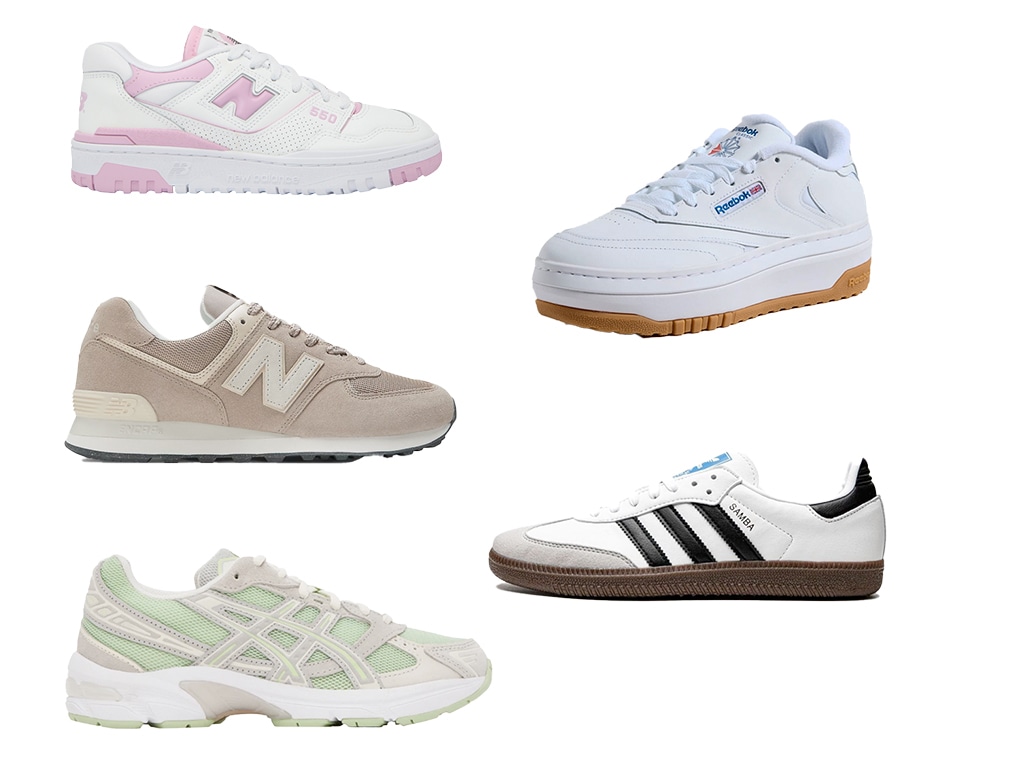
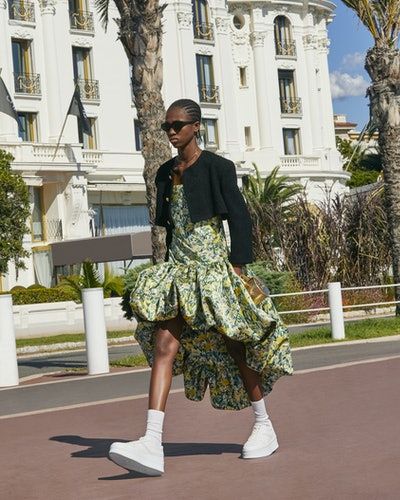
Fashion continues to draw inspiration from the archives, but with a futuristic twist. The “dad shoe” or chunky sneaker has evolved into what we can now term the architectural silhouette. Think of brands like Balenciaga, Maison Margiela, or even New Balance’s 990 series—designs that prioritize bold, complex shapes, layered panels, and substantial sole units. This trend, rooted in the early 2000s and late 90s aesthetic, speaks to a desire for statement-making footwear that grounds an outfit with weight and presence. From a design theory perspective, these sneakers employ principles of deconstruction and maximalism, challenging traditional sleek footwear forms. As fashion historian Dr. Valerie Steele has noted in her work, shoes often reflect the cultural mood; the substantial, grounded nature of these sneakers can be seen as a sartorial metaphor for stability in uncertain times. Stylistically, they create a compelling contrast with fluid dresses, tailored trousers, or minimalist wardrobes, adding an element of intentional dissonance that is highly modern. The key to wearing them is confidence—they are meant to be noticed. While luxury iterations can soar above $800, countless contemporary brands offer compelling versions in the $150-$300 range, making this powerful aesthetic accessible. This segment remains a cornerstone of the women’s sneakers 2023 conversation, proving that volume and proportion are powerful tools in personal expression.
The Minimalist Revival: Quiet Luxury for the Feet
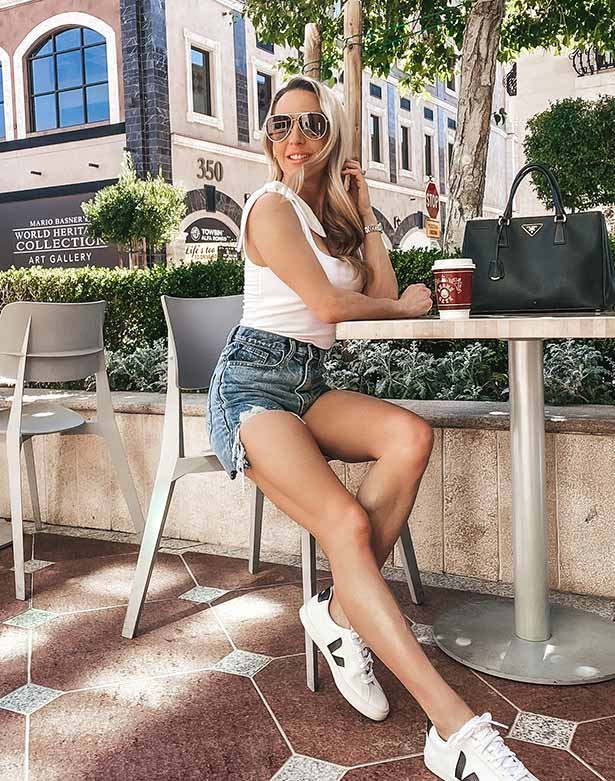
In direct counterpoint to the architectural statement, 2023 also witnesses a strong resurgence of minimalist design. This is the “quiet luxury” movement applied to footwear: sneakers defined by clean lines, monochromatic palettes (think optic white, cream, black, and grey), and a focus on exquisite materiality over ostentatious branding. Brands like Common Projects, Axel Arigato, and Veja (with its classic Campo or Esplar models) exemplify this ethos. The philosophy here is less about the shoe itself and more about what it enables—it serves as a flawless, versatile canvas that elevates the entire ensemble. This aligns with the “capsule wardrobe” concept popularized by stylists and influencers, where a few high-quality, interchangeable items form the foundation of one’s closet. A pristine white leather sneaker, for instance, possesses a timeless quality referenced in everything from the preppy aesthetics of The Official Preppy Handbook to the sleek, modern uniforms of Silicon Valley. The investment is in longevity and versatility. Prices for premium leather minimalist sneakers typically range from $80 for well-made basics to over $300 for hand-finished Italian models. The cost-per-wear calculation becomes exceptionally favorable, as these shoes seamlessly transition from professional casual settings to weekend brunches. In the realm of women’s sneakers 2023, this category is your workhorse, the reliable foundation upon which endless outfits are built.
Color and Collaboration: The Expression of Individuality
Beyond shape and sustainability, color and collaborative partnerships serve as the primary vectors for personal storytelling in sneaker culture. 2023’s color palettes are diverse, ranging from vibrant, saturated hues (inspired by digital art and optimism) to earthy, muted tones drawn from nature. Pantone’s Color of the Year, Viva Magenta, a bold pink-red, has already influenced collections, signaling a move toward fearless color blocking. Furthermore, the collaboration machine is more potent than ever, merging the worlds of high fashion, contemporary art, pop culture, and sport. Collaborations, such as those between Nike and ambient artist turned designer Tom Sachs (for the NikeCraft General Purpose Shoe) or Adidas and luxury brand Gucci, do more than create limited-edition products. They embed narrative and artistic credibility into the footwear. As sociologist Dr. Yuniya Kawamura outlines in her studies on sneaker culture, these collaborations transform shoes into wearable collectibles, tokens of subcultural capital. For you, the wearer, a collaborative or uniquely colored sneaker is a direct line to a specific community, artist, or moment in time. It’s a conversation starter and a badge of curated taste. While hyped collaborations can command resale premiums, many brands offer their signature color stories and less-exclusive partnerships at standard retail prices, generally between $100 and $250, allowing for accessible entry into this form of sartorial expression.
Making Your Informed Choice
Navigating the expansive world of women’s sneakers 2023 requires a personal audit. Begin by identifying your primary use-case: Is it for all-day comfort on hard surfaces? For athletic performance? As a style anchor for your wardrobe? Next, align with your values—does sustainable sourcing matter most to you? Then, consider the aesthetic language you wish to speak: bold architectural statements or quiet minimalist luxury. Remember, the most successful sneaker purchase is one that feels uniquely yours, a synthesis of comfort, ethics, and design that resonates with your daily life. The market has never been more equipped to meet these nuanced demands. With informed choices, your sneakers become more than footwear; they are a testament to a considered, dynamic, and intentional way of moving through the world.
