

The Ultimate Guide to Womens Sneakers for 2023
This year, the landscape of women’s sneakers 2023 is defined by a powerful convergence of high-performance technology, sustainable innovation, and bold aesthetic statements. No longer confined to the gym, sneakers have cemented their role as the cornerstone of modern wardrobes, offering unparalleled versatility. We are moving beyond mere trends into an era where every pair tells a story of engineering, ethics, and personal expression. This guide cuts through the noise to deliver a comprehensive, objective analysis of the forces shaping your next favorite pair of shoes, arming you with the knowledge to make informed choices that align with your lifestyle, values, and budget.
The Engineered Foot: Performance Technology Reimagined for Daily Life
The most significant shift in women’s sneakers 2023 is the seamless migration of elite athletic technology into everyday designs. Brands are no longer reserving their top-tier engineering for professional athletes; they are democratizing comfort and support. Take, for instance, the widespread adoption of advanced foam midsole compounds. Materials like adidas’s BOOST or Nike’s ZoomX, once the exclusive domain of marathon runners, are now foundational in lifestyle models. According to biomechanics research from institutions like the University of Calgary’s Human Performance Laboratory, the energy return and cushioning properties of these polymer foams can significantly reduce impact forces on joints during prolonged standing and walking, a common daily activity far removed from a track. This isn’t just marketing; it’s applied science. Furthermore, adaptive fit systems have evolved. We see a move away from one-size-fits-all lacing to integrated, dynamic systems that use engineered knit uppers, such as Nike’s Flyknit or Adidas’s Primeknit. These uppers are not merely fabrics; they are digitally engineered textiles that provide targeted zones of stretch, support, and breathability. As noted in material science publications, this precision knitting reduces waste and creates a truly “sock-like” fit that moves anatomically with the foot. When you choose a sneaker built with these technologies, you are investing in a tool designed for the marathon of modern life—be it commuting, traveling, or navigating a full day of errands.
Material Consciousness: The Rise of Sustainable and Circular Design
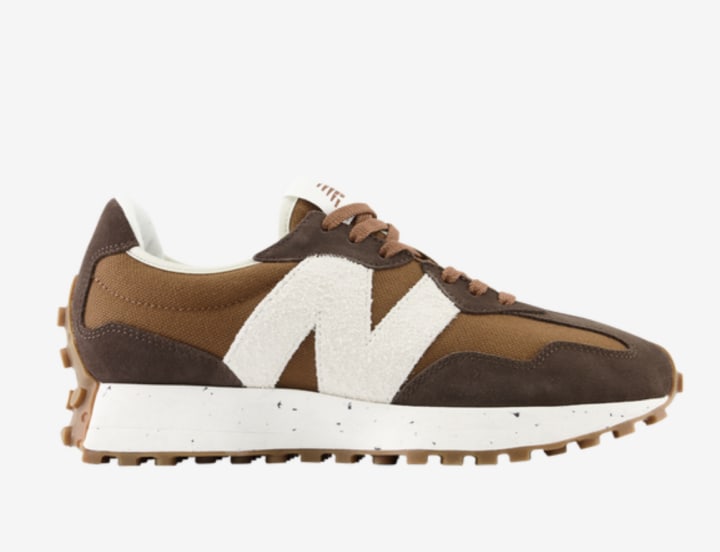
Objectivity demands we scrutinize the environmental claims saturating the market. The push for sustainability in women’s sneakers 2023 is more than a trend; it’s a necessary industrial evolution. Brands are exploring a multi-faceted approach: using recycled materials (like polyester from plastic bottles or rubber from factory scraps), developing bio-based alternatives (such as algae foam or pineapple leaf fiber), and pioneering circular business models. A 2022 report from the MIT Sloan School of Management highlighted that “circular design” – creating products with end-of-life recycling or decomposition in mind – is transitioning from a niche concept to a core R&D focus for major footwear corporations. However, it’s crucial to understand terminology. “Vegan” leather, often made from polyurethane, may avoid animal products but is not inherently biodegradable. Conversely, natural materials like organic cotton or Tencel™ lyocell offer biodegradability but may have high water usage. The most credible advancements come from transparent lifecycle assessments. For example, Allbirds publicizes the carbon footprint of each shoe, a practice rooted in scientific environmental accounting. When evaluating a sustainable sneaker, look for specific, verifiable data on material origins, recycled content percentage, and end-of-life programs. Your purchase power supports not just a style, but a specific vision for the industry’s future—one that values planetary health as much as foot health.

The Aesthetic Spectrum: From Minimalist Architecture to Maximalist Expression
Visually, the year presents a fascinating dichotomy. On one end, the “quiet luxury” movement champions minimalist, architectural sneakers. Think of brands like Common Projects or Axel Arigato, whose designs rely on pristine leather, monochromatic colorways, and flawless silhouettes. This aesthetic philosophy echoes the modernist principle of “form follows function,” where the beauty is in the purity of line and the quality of material. It’s a sartorial statement of refined confidence. On the opposite pole, maximalism runs wild. This is driven by nostalgia, digital culture, and collaborative crossovers. Chunky “dad shoe” silhouettes, inspired by 90s and early 2000s archives, continue their reign, but with new twists: see-through panels, holographic details, and exaggerated proportions. Collaborations between sportswear giants and high-fashion houses (like Nike x Jacquemus) or avant-garde artists further blur boundaries. As fashion historian Dr. Valerie Steele of The Fashion Institute of Technology has observed, sneakers have become a primary canvas for cultural storytelling, where logos, colors, and shapes communicate subcultural affiliation and personal identity more directly than perhaps any other garment. Your choice in this spectrum speaks volumes about how you wish to interface with the world—through understated elegance or unabashed, joyful declaration.
Strategic Investment: Navigating Quality, Versatility, and Value
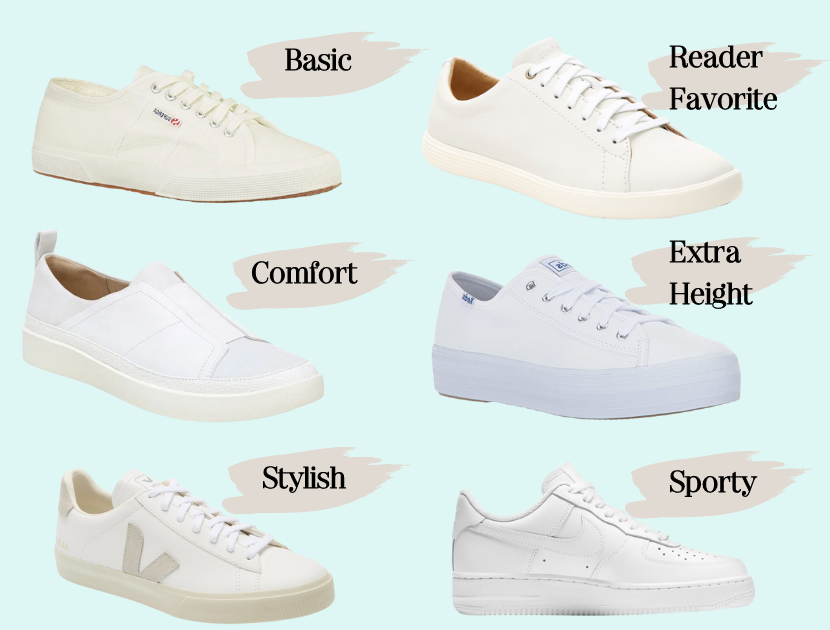
With an overwhelming array of options, a strategic approach is essential. The first-person perspective here is practical: think of your sneaker wardrobe as a portfolio. Your core holdings should be versatile workhorses. A pristine white leather sneaker remains, as Vogue has declared for nearly a decade, the “ultimate wardrobe neutral,” capable of bridging casual and smart-casual contexts. The second key piece is a performance-oriented pair for actual athletic pursuits or days demanding superior comfort; this is where investing in the aforementioned technology pays dividends. From this foundation, you can explore speculative “shares”: the trend-driven or statement pair that brings you joy. Regarding value, professional insight reveals that direct-to-consumer brands often offer superior materials at a lower price point by cutting out wholesale margins. For instance, a high-quality sneaker from a brand like Koio or Cariuma, utilizing full-grain leather and durable construction, can retail between $150-$250, whereas a similar construction from a legacy brand with heavy marketing overhead might exceed $300. Look for end-of-season sales, where discounts of 30-50% are common, or consider slightly older colorways of perennial styles. Remember, cost-per-wear is the ultimate metric. A $200 sneaker worn 200 times is a dollar per wear—a fantastic return on investment for comfort, style, and durability.
The Future on Your Feet: Integration and Personalization
Looking forward, the trajectory for women’s sneakers 2023 and beyond points toward deeper integration of digital and physical experiences. We are already seeing the rise of NFC (Near-Field Communication) chips embedded in shoes, linking to exclusive content or verifying authenticity—a crucial feature in combating counterfeits. The next frontier is adaptive cushioning, where microprocessors in the midsole adjust firmness in real-time based on pressure sensors, a concept being prototyped in labs. Furthermore, the demand for personalization will escalate beyond choosing colors. Brands are developing platforms for true bespoke fit, using smartphone scanning to create a 3D model of your foot for a perfectly tailored shoe. This shift from mass production to mass customization, as forecasted by business analysts like those at Harvard Business Review, represents the ultimate fusion of the objective (perfect fit) and the subjective (personal style). The sneaker is becoming not just an accessory, but an interactive, responsive platform.

The journey through the world of women’s sneakers 2023 reveals a category in full, brilliant flux. It is a realm where scientific innovation directly cushions your step, where material choices carry environmental weight, and where design serves as both a mirror and a megaphone for personal identity. Armed with an understanding of the technology, the materials, and the market dynamics, you are now equipped to select footwear that does more than simply cover your feet. You can choose shoes that support your body, reflect your values, define your style, and smartly steward your resources. The perfect pair is out there, waiting to be found—a synthesis of engineering, ethics, and art designed for the pace and purpose of your life.
