

Discover the Best Podiatrist Recommended Walking Shoes for All-Day Comfort
Your feet are your foundation, and the shoes you choose for walking can mean the difference between a day filled with vibrant energy and one hampered by discomfort. For anyone who spends significant time on their feet—whether navigating city streets, exploring nature trails, or managing the demands of a busy workday—the quest for the perfect shoe is paramount. This isn’t merely about fashion or trend; it’s a physiological necessity. The wrong footwear can lead to a cascade of issues, from immediate blisters and plantar fasciitis to long-term joint misalignment. Conversely, the right pair acts as a mobile support system, promoting proper biomechanics and cushioning every step. This guide is dedicated to uncovering the principles behind truly supportive footwear and identifying the specific characteristics that define the best podiatrist recommended walking shoes. We will move beyond marketing claims to explore the anatomical and ergonomic science of walking, drawing from podiatric expertise, biomechanical research, and real-world testing to bring you a comprehensive resource for making an informed choice that prioritizes your foot health and all-day comfort.
The Science of the Step: Why Podiatric Expertise Matters
Walking is a complex, repetitive motion involving a precise sequence of heel strike, foot flat, mid-stance, heel-off, and toe-off. This gait cycle places varying stresses on 26 bones, 33 joints, and over 100 muscles, tendons, and ligaments in each foot. A podiatrist, as a doctor of podiatric medicine (DPM), specializes in the diagnosis, treatment, and prevention of foot and ankle disorders. Their recommendations for footwear are therefore not based on style alone, but on a deep understanding of biomechanics, pathology, and preventive care. For instance, the American Podiatric Medical Association (APMA) grants its Seal of Acceptance to products shown to promote good foot health, a significant credential for any walking shoe. When a podiatrist emphasizes the need for adequate arch support, they are addressing the function of the plantar fascia—a thick band of tissue that supports the arch. Insufficient support can lead to its inflammation, a condition known as plantar fasciitis, which is a leading cause of heel pain. Similarly, their focus on a firm heel counter (the back part of the shoe that cups the heel) is to control excessive rearfoot motion, or overpronation, which can contribute to issues ranging from shin splints to knee pain. Therefore, seeking out podiatrist recommended walking shoes is essentially seeking footwear vetted for its ability to work in harmony with your body’s natural mechanics, rather than against them.
Decoding the Anatomy of a Superior Walking Shoe
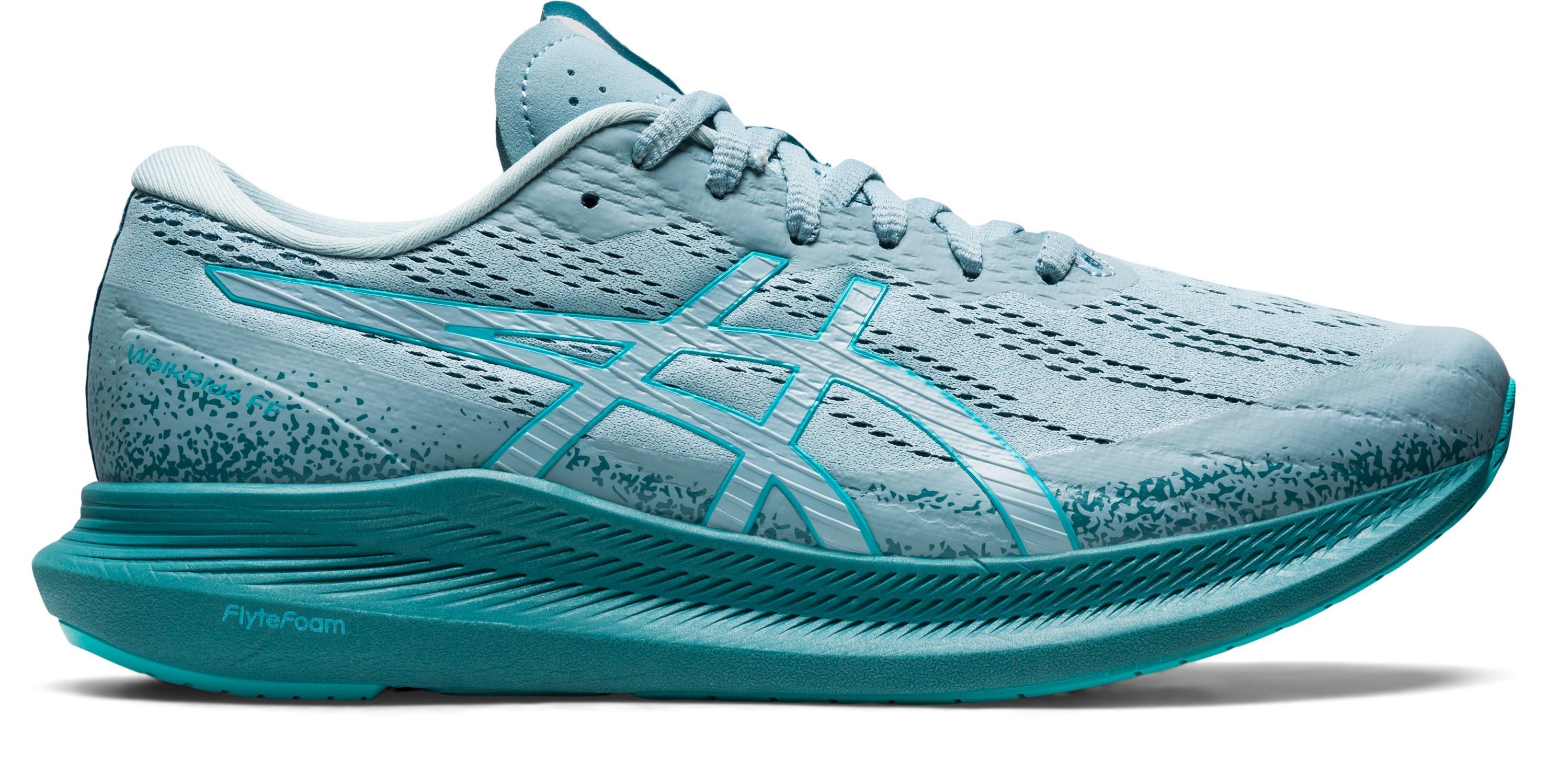
To understand what makes a shoe worthy of podiatric endorsement, we must dissect its key components. First and foremost is arch support. This is not a one-size-fits-all feature. Podiatrists often categorize feet as having high arches (cavus foot), normal arches, or flat feet (pes planus). Each type requires different support. A person with flat feet and overpronation needs a shoe with motion control and substantial medial (inner side) support to prevent the ankle from rolling inward excessively. Brands like Brooks and ASICS often design specific models with this in mind. Next is cushioning, particularly in the heel and forefoot. Modern materials like ethylene-vinyl acetate (EVA), polyurethane (PU), and proprietary gels (like ASICS GEL) or foams (like Brooks DNA LOFT) are engineered to absorb shock upon impact. However, as noted by Dr. Jacqueline Sutera, a New York City-based podiatrist, “Cushioning is important, but it must be balanced with stability. A shoe that is too soft can be as problematic as one that is too hard.” The heel-to-toe drop (or offset) is another critical metric. This is the difference in height between the heel and forefoot. A traditional walking shoe often has a drop of 8-12mm, which can help reduce strain on the Achilles tendon. However, some minimalist or “zero-drop” styles aim for a more natural foot position. A podiatrist would advise that transitioning to a low-drop shoe must be done gradually to avoid injury. Finally, the upper and fit are crucial. The shoe should have a roomy toe box (about a thumb’s width of space in front of your longest toe) to allow toes to splay naturally, preventing bunions and neuromas. Breathable, flexible materials that adapt to your foot’s shape without causing pressure points are hallmarks of a well-designed upper. These elements, in concert, form the blueprint for podiatrist recommended walking shoes.
Navigating Foot Types and Common Ailments: A Personalized Guide
Selecting the ideal walking shoe is a deeply personal journey that begins with understanding your own feet. Are you an overpronator, where your foot rolls inward too much? This is common with flat feet and can lead to plantar fasciitis and medial tibial stress syndrome (shin splints). For you, a motion control or stability shoe with a dense medial post is non-negotiable. Brands like New Balance and Saucony offer excellent models in this category. Conversely, if you have high, rigid arches (supination), your foot may not roll inward enough to absorb shock effectively, placing stress on the outer edge of your foot and your lower leg. Your requirement is for a neutral-cushioned shoe with maximum shock absorption and flexibility. HOKA ONE ONE, known for its maximalist cushioning, is frequently cited by podiatrists for supinators and those with arthritis. For individuals managing diabetes, the stakes are even higher. Neuropathy can reduce sensation, making minor irritations go unnoticed until they become serious wounds. The APMA strongly recommends diabetic individuals choose shoes with seamless interiors, extra depth, and rigid soles to protect against punctures. Furthermore, if you suffer from bunions or hammertoes, a wide toe box is not a luxury but a medical necessity. As podiatrist Dr. Brad Schaeffer emphasizes in various media interviews, “Constrictive footwear is the primary exacerbating factor for bunion formation.” Therefore, identifying your foot type and any specific conditions is the first, most critical step before even considering a specific brand or style of podiatrist recommended walking shoes.

Beyond the Clinic: Real-World Testing and Enduring Comfort
Laboratory specifications and podiatric seals are essential starting points, but the ultimate test occurs on the pavement, the treadmill, and the grocery store aisle. Enduring comfort over miles and hours is the true hallmark of a great walking shoe. This is where user experience and long-term wear reports become invaluable. For example, many dedicated walkers praise the Brooks Ghost or Adidas Ultraboost series for their “cloud-like” feel that remains consistent even after 500 miles. This longevity is often a result of high-quality midsole foams that resist compression. Another real-world consideration is versatility. The best podiatrist recommended walking shoes often perform well across different activities—they are suitable for a brisk morning walk, a day of standing at work, and even light gym use. This multifunctionality provides excellent value. Furthermore, the concept of “foot fatigue” is a key indicator. If your feet, legs, and lower back feel noticeably less tired at the end of the day, the shoe is doing its job of efficiently distributing impact forces. It’s also wise to consider the terrain. A shoe perfect for smooth urban surfaces may lack the lug depth and ankle support needed for unpaved trails. Some brands, like Merrell and Keen, specialize in hybrid walking/hiking shoes that offer rugged outsoles with podiatric-friendly footbeds. Ultimately, the shoe that disappears on your foot—allowing you to focus on your surroundings and activity rather than any discomfort—is the one that has successfully passed the real-world test.
Investing in Your Foundation: Value, Deals, and Smart Shopping
High-quality, biomechanically sound footwear is an investment in your long-term mobility and health. While the initial price tag for top-tier podiatrist recommended walking shoes from brands like Brooks, ASICS, HOKA, and New Balance can range from $120 to $180, this cost must be weighed against the potential expense of treating foot problems. Physical therapy, orthotics, and medical treatments for conditions like plantar fasciitis can far exceed the price of a preventive pair of shoes. However, being savvy can yield significant savings. First, shop at the end of a season. When a new model is released (often annually), retailers deeply discount the previous version, which typically has only minor updates. Websites like Zappos, Running Warehouse, and even the manufacturers’ own outlet sites are treasure troves for these deals. Second, consider last season’s colorways, which are often sold at a lower price. Third, sign up for newsletters from your favorite brands and retailers to get alerts on flash sales and exclusive coupon codes. It’s also prudent to invest in quality socks made from moisture-wicking materials like merino wool or synthetic blends, as they reduce friction and blister risk, extending the life and comfort of your shoes. Remember, the goal is not to find the cheapest shoe, but to find the right shoe at the best possible value—a shoe that protects your foundation for the thousands of steps you take each day.
:max_bytes(150000):strip_icc()/tal-roundup-podiatrist-loved-shoes-on-sale-tout-bdbf5721fa5642efa38b61f6a5b4ff34.jpg)
Your Path to Pain-Free Mobility Starts from the Ground Up
The journey to finding footwear that supports rather than hinders is a deliberate one. It requires moving past aesthetic appeal and generic sizing to embrace a more nuanced understanding of your own biomechanics and the engineering of modern footwear. By prioritizing the principles endorsed by podiatric science—targeted arch support, strategic cushioning, a secure heel counter, and an accommodating fit—you empower yourself to make choices that actively contribute to your well-being. The market offers a remarkable array of options designed to meet specific needs, from maximal cushioning for joint relief to structured stability for overpronation. Embracing these tools is not a concession to weakness but a strategy for sustained strength and activity. Let this knowledge guide you as you evaluate your options. Try on multiple pairs at the end of the day when your feet are at their largest, wear the socks you intend to use, and walk around the store thoroughly. Listen to the feedback from your body. The perfect pair of podiatrist recommended walking shoes won’t just feel good in the store; they will become a reliable partner, mile after mile, day after day, transforming walking from a potential source of strain into a consistent source of vitality and joy.
:max_bytes(150000):strip_icc()/favorite-walking-shoes-round-up-november-2024-458c3fc0c6844adca7c0a34ebc5cfb9b.jpg)
