The Ultimate Guide to Women’s Sneakers for 2023
As we navigate through 2023, the landscape of women’s footwear is unequivocally dominated by sneakers. No longer confined to the gym or casual weekends, sneakers have cemented their place as a versatile, style-defining cornerstone of modern wardrobes. This guide delves deep into the trends, technologies, and cultural shifts shaping this year’s most coveted pairs. We move beyond fleeting fads to explore the synthesis of comfort, performance, and high-fashion aesthetics that defines the current era. Whether you’re seeking a reliable daily companion, a statement piece for creative expression, or a technologically advanced tool for an active lifestyle, understanding the dynamics of women’s sneakers 2023 is essential. This isn’t just about buying shoes; it’s about investing in a piece of design philosophy that aligns with how we live, work, and move today.
The 2023 Archetypes: Defining the Five Key Silhouettes
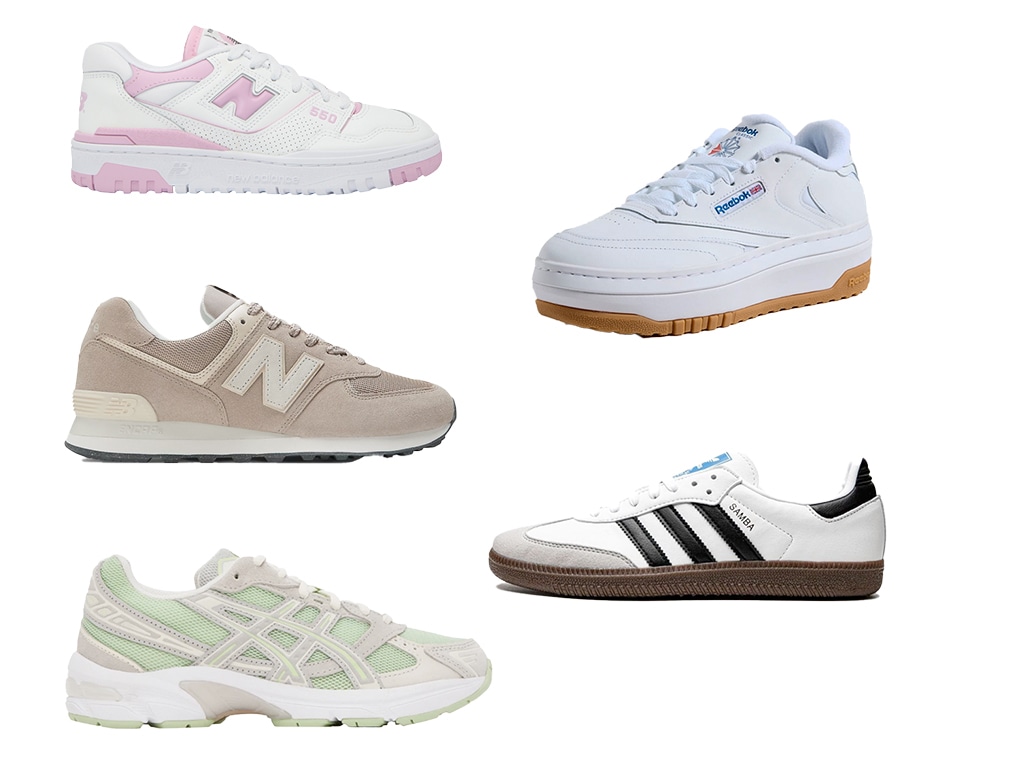
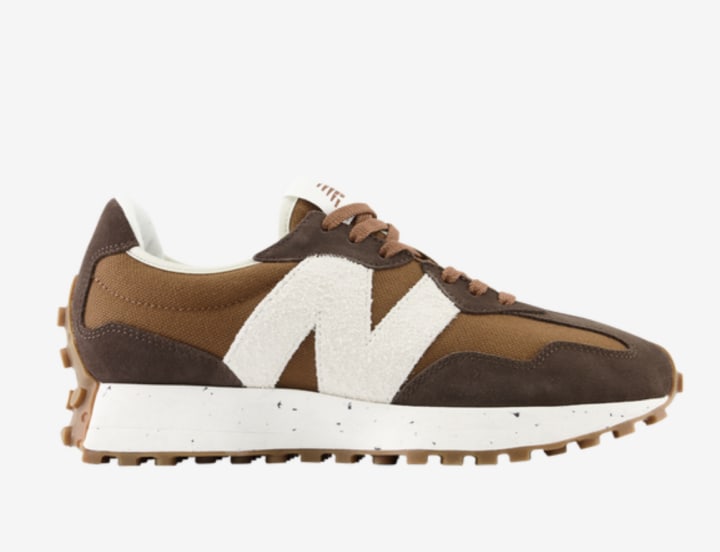
The market is saturated with options, but 2023 has crystallized around several dominant archetypes. First, the “Chunky Retro Runner” continues its reign, drawing inspiration from 90s and early 2000s archives. This style, championed by brands like New Balance (particularly the 990 series) and Adidas with its revived Gazelle, offers a blend of nostalgia and contemporary comfort. The appeal is rooted in what cultural critics call “aesthetic of authenticity”—a desire for products perceived as genuine and heritage-backed. As noted on platforms like Highsnobiety, this trend reflects a broader societal shift towards comfort and practicality post-pandemic, without sacrificing a bold visual statement. Second, we have the “Minimalist Leather Sneaker,” a clean, often all-white or monochrome design from brands like Common Projects or Axel Arigato. This style operates on the principle of “quiet luxury,” where value is communicated through impeccable materials and subtle branding rather than logos. It’s the footwear equivalent of a well-tailored blazer. Third, the “Technical Hiker Hybrid” has ascended from niche outdoor gear to urban staple. Models like the Salomon XT-6 or the Hoka One One Tor Ultra Hi exemplify this. Their design philosophy, borrowing from Wikipedia’s definition of biomimicry, often incorporates elements inspired by nature for superior functionality—aggressive traction, protective overlays, and stability features—now repurposed for cityscapes. Fourth, the “Platform and Sculptural” sneaker pushes boundaries, with designers like Balenciaga and Rick Owens distorting proportions. This aligns with architectural principles of deconstructivism, challenging conventional forms to create dramatic, artistic statements. Finally, the “Sustainable Innovator” is not just a style but a material-driven category. Brands like Allbirds and Veja are pioneering the use of merino wool, recycled plastics, and bio-based foams, responding directly to the growing consumer demand for transparency and ecological responsibility, a sentiment extensively documented in reports from institutions like the MIT Sloan School of Management.
Material Science and Foot Biomechanics: The Unseen Engine of Comfort
To truly appreciate the modern sneaker, one must look beneath the surface—literally. The evolution of midsole technology is a narrative of scientific progress. The widespread adoption of polyurethane (PU) and thermoplastic polyurethane (TPU) foams, and more recently, supercritical foams like Nike’s ZoomX or Adidas’s Lightstrike Pro, represents a leap in energy return and weight reduction. As explained in materials science literature, these foams are created using supercritical fluid technology, where gas is forced into the polymer under high pressure, creating a structure with millions of tiny, resilient bubbles. This results in a shoe that is exceptionally light yet responsive. Furthermore, the focus on foot biomechanics has never been sharper. Brands are investing in research, often in collaboration with sports science labs at universities, to understand gait cycles, pressure distribution, and the need for stability versus natural motion. For instance, the concept of “foot-shaped toe boxes,” popularized by brands like Altra, is backed by podiatric studies suggesting they allow for better toe splay and a more natural stride. When you slip on a pair of advanced women’s sneakers 2023, you’re not just wearing fabric and foam; you’re enlisting a system engineered from polymers science and human physiology. This marriage of disciplines ensures that today’s sneakers provide support that is both protective and permissive, allowing the foot to move as intended while cushioning it from the repetitive impact of modern hard surfaces.
The Cultural Currency: From Streetwear to High Fashion and Beyond
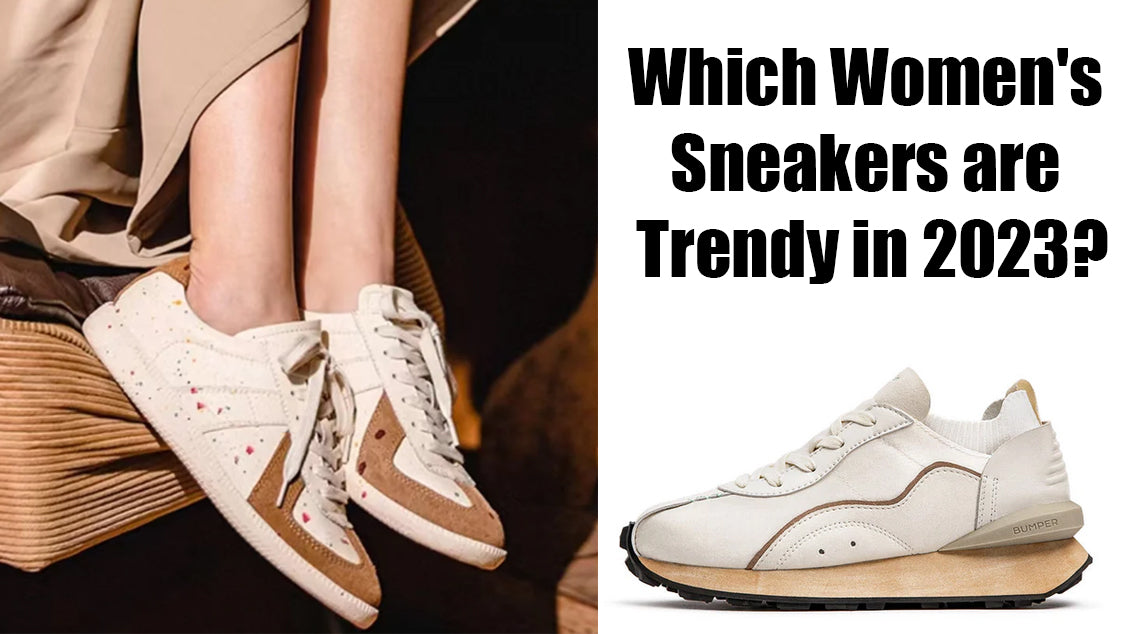
The sneaker’s journey from athletic equipment to cultural totem is a masterclass in cross-pollination. Its position in 2023 is fortified by its fluid movement across different cultural spheres. In streetwear, limited-edition collaborations (like those between Jordan Brand and luxury designers) create frenzy, operating on a model of artificial scarcity and community hype documented by sociologists as “collective effervescence.” On platforms like YouTube, creators with millions of subscribers, such as Shelby Church or Jacqueline, dissect new drops, offering styling advice that directly influences purchasing decisions. Their authority stems from perceived authenticity and hands-on experience. Simultaneously, high-fashion houses have fully embraced the sneaker, not as a concession, but as a central product. The late Virgil Abloh’s work at Louis Vuitton demonstrated how a sneaker could carry conceptual weight, embedding themes of deconstruction and accessibility into luxury. As film and media reflect our world, notice how characters in shows like Succession or I May Destroy You use sneakers to signal a specific, nuanced identity—often one that is powerful yet relatable, affluent but not ostentatious. This dual presence in both grassroots subcultures and elite ateliers gives the sneaker unparalleled cultural currency. It is a canvas for personal and collective identity, a fact leveraged by marketers but ultimately driven by consumer adoption. The women’s sneakers 2023 you choose are a silent but potent communicator of your alignment with these broader cultural narratives.
Strategic Acquisition: Balancing Desire with Practical Wisdom
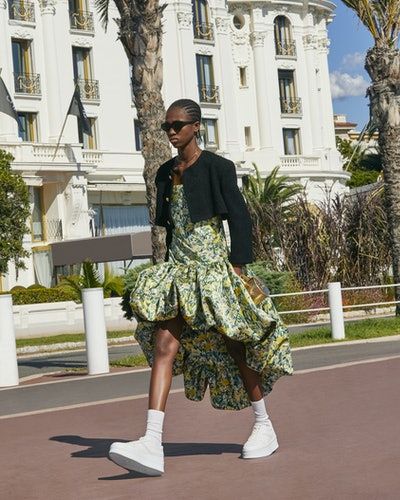
In a market brimming with compelling options, a strategic approach is key. The first principle is fit and function first. A scientifically-backed resource like the American Podiatric Medical Association’s guidelines suggests prioritizing the activity you’ll perform most. A running shoe engineered for forward motion is structurally different from a stability-focused training shoe or a flexible lifestyle sneaker. Ignoring this can lead to discomfort or injury, negating the very purpose of advanced design. Second, conduct a material audit. Look beyond marketing terms. Is the upper made from recycled polyester or organic cotton? Is the insole antimicrobial? Brands like On Running provide detailed lifecycle assessments for their products, offering a blueprint for informed consumption. Third, master the art of versatile styling. The most powerful sneaker in your arsenal is one that transitions seamlessly. A sleek leather pair can elevate tailored trousers for a business-casual environment, while a robust technical hiker can add an edge to a flowing dress. Fashion influencers on TikTok often demonstrate this “high-low” mixing, proving that the context defines the shoe’s formality more than any rigid rule. Finally, be a savvy shopper. Utilize price-tracking tools and subscribe to newsletters from authorized retailers. End-of-season sales, particularly during holiday transitions, offer opportunities to acquire premium women’s sneakers 2023 at significant discounts—sometimes 30-50% off. Remember, an investment in a well-constructed, versatile pair at a discounted price often yields a higher cost-per-wear value than multiple impulse buys on trend-led, lower-quality options.
A Forward Glance: The Trajectory of Innovation and Expression
As we look beyond the immediate horizon, the trajectory for women’s sneakers points toward even greater integration of technology and personalization. We are already seeing the nascent stages of smart sneakers with embedded sensors that connect to apps, providing gait analysis and wear data—a concept explored in wearable technology research from Stanford University. The next frontier may involve 3D-printed midsoles tailored to an individual’s unique pressure map, moving from mass production to mass customization. Simultaneously, the sustainability imperative will drive innovation in circular design, where shoes are designed from the outset to be disassembled and recycled, moving beyond just using recycled materials. Culturally, the sneaker will continue to be a primary medium for collaboration and storytelling, perhaps engaging more deeply with digital fashion and NFTs for virtual wardrobes. The core takeaway is that the evolution of women’s sneakers 2023 is a microcosm of larger forces: technological advancement, environmental consciousness, and the human desire for both comfort and distinctive expression. The perfect pair is out there, waiting to be found—a fusion of science, art, and identity that propels you forward, step by confident step.