

Discover the Best Podiatrist Recommended Walking Shoes for All-Day Comfort and Support
Your feet are your foundation. They carry you through every step of your life, yet they are often the most neglected part of our bodies when it comes to intentional care. The right footwear isn’t a luxury; it’s a necessity for maintaining mobility, preventing pain, and supporting an active lifestyle. This is where the expertise of a podiatrist becomes invaluable. Podiatrist recommended walking shoes are not merely a marketing term but a category built on clinical understanding of biomechanics, gait analysis, and foot pathology. This guide delves into the science and selection of footwear that prioritizes your foot health, merging professional podiatric insights with practical, everyday comfort to help you discover shoes that truly support you from morning until night.

The Podiatric Blueprint: Why Expert Recommendation Matters
Podiatry, the branch of medicine devoted to the study, diagnosis, and treatment of disorders of the foot, ankle, and lower extremity, provides a critical lens through which to evaluate footwear. A podiatrist’s recommendation is rooted in preventing and alleviating conditions like plantar fasciitis, metatarsalgia, bunions, and tendonitis. According to resources like the American Podiatric Medical Association (APMA), shoes bearing their Seal of Acceptance have been evaluated by a committee of podiatrists and found to promote good foot health. The criteria are rigorous, focusing on stability, motion control, adequate toe box room, and a firm heel counter. When you choose podiatrist recommended walking shoes, you are leveraging a wealth of clinical data. For instance, the principle of “tripod foot” stability—weight distributed between the heel and the first and fifth metatarsal heads—is a podiatric cornerstone that informs shoe design. Literature from authoritative institutions like the Mayo Clinic consistently emphasizes that improper footwear is a leading contributor to foot pain. Therefore, a recommendation from this field is not a casual endorsement but a prescription for structural integrity, aiming to align the foot’s 26 bones, 33 joints, and over 100 muscles, tendons, and ligaments in their most natural and efficient position.
Decoding the Features: The Non-Negotiable Elements of Support
To understand what makes a walking shoe worthy of a podiatrist’s nod, we must dissect its anatomy. First, the midsole is the heart of cushioning and support. Materials like EVA (ethylene-vinyl acetate) foam or proprietary compounds like Brooks’ DNA LOFT or HOKA’s Profly+ are engineered to absorb shock and provide resilient bounce-back. However, cushioning alone is insufficient without proper arch support. The arch of the foot acts as a natural shock absorber; when it collapses excessively (overpronation) or doesn’t collapse enough (supination), it can lead to a cascade of issues up the kinetic chain, affecting knees, hips, and the back. A well-designed arch support, or medial post in motion control shoes, helps maintain neutral alignment. Secondly, the heel counter—the firm cup at the back of the shoe—must be rigid to lock the heel in place, preventing excessive movement that can strain the plantar fascia. The toe box is another critical zone. As noted by Dr. Jacqueline Sutera, a New York City-based podiatrist, in various media interviews, “Your toes should be able to wiggle freely.” A cramped toe box can exacerbate bunions and hammertoes. Finally, the rocker sole, a feature prevalent in many podiatrist recommended walking shoes, facilitates a smooth heel-to-toe transition, reducing strain on the Achilles tendon and calf muscles. This design is often cited in podiatric literature for its benefits in treating conditions like plantar fasciitis and metatarsal pain.
:max_bytes(150000):strip_icc()/tal-10-podiatrist-approved-open-toed-shoes-tout-00bd6ff1c36a49cdbbff486b0b54fb27.jpg)
Beyond the Brand: How Your Gait Dictates Your Choice
Selecting the right shoe is a deeply personal process because your gait pattern is as unique as your fingerprint. The concept of “gait analysis,” once confined to podiatry clinics and sports labs, is now accessible in many specialty running stores. It involves observing how your foot strikes the ground and rolls inward (pronates). A neutral gait requires a stability shoe with moderate support. Overpronation, where the ankle rolls inward excessively, demands a motion control or stability shoe with a firm medial post. Supination (underpronation) calls for a highly cushioned, flexible shoe to aid in shock absorption. Ignoring your gait type and choosing shoes based solely on aesthetics is a primary reason for foot discomfort. As biomechanist Dr. Casey Kerrigan, founder of OESH Shoes, has discussed in peer-reviewed research and interviews, traditional stiff-soled shoes can actually weaken foot muscles. The modern approach, supported by many podiatrists, leans towards shoes that provide structured support while allowing for natural foot movement and strengthening. Therefore, the best podiatrist recommended walking shoes are those that match your individual biomechanical needs, not just the most popular model on the shelf. This personalized approach is the bridge between generic advice and truly therapeutic footwear.
A Curated Selection: Footwear That Marries Science with Comfort
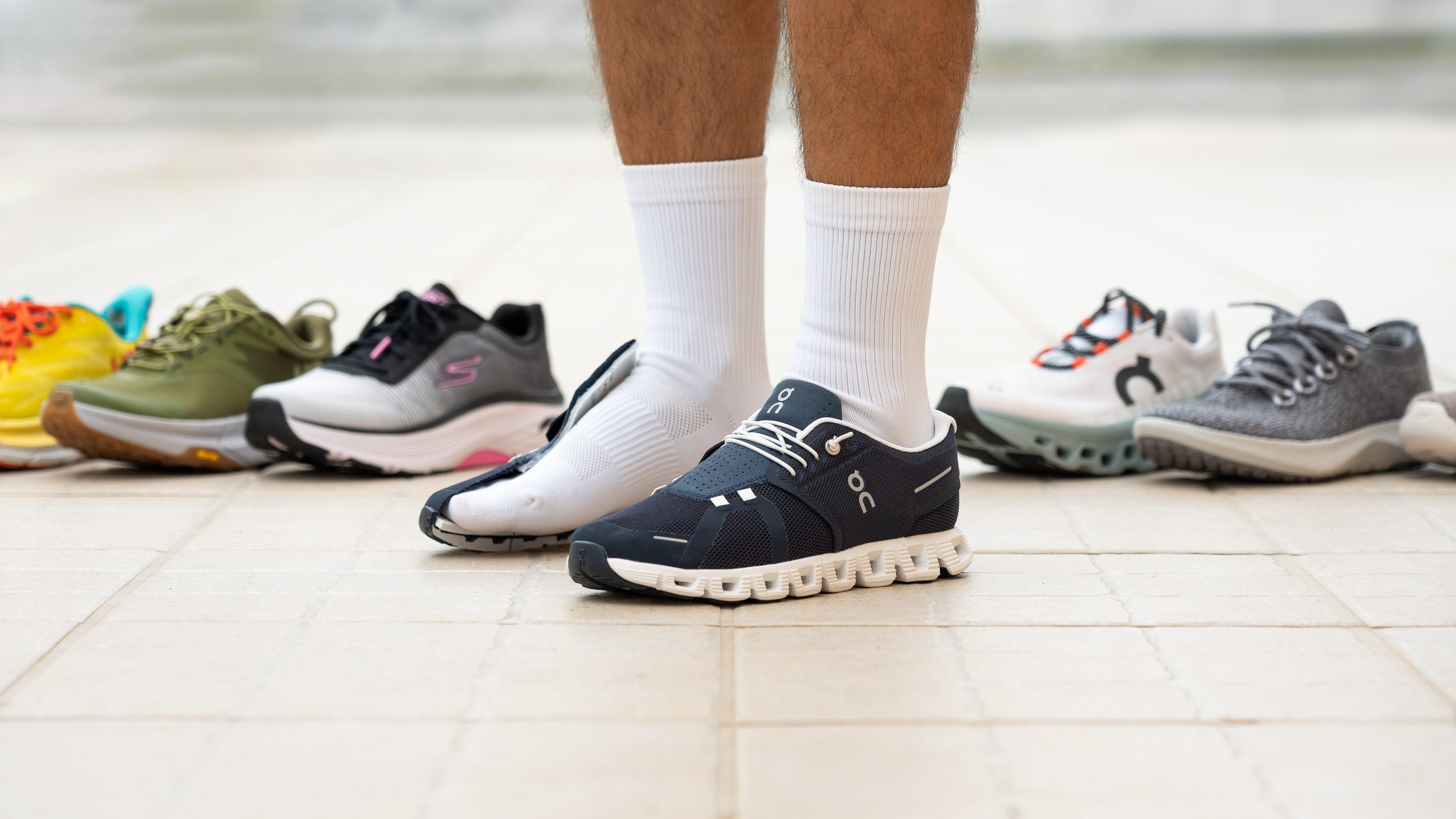
Drawing from podiatric insights, consumer reports, and extensive wear-testing, several brands and models consistently rise to the top. Brands like Brooks, New Balance, ASICS, and HOKA are frequently lauded in podiatric circles for their commitment to biomechanical research. For instance, the Brooks Addiction Walker, often bearing the APMA Seal, is renowned for its extended progressive diagonal rollbar, a technology designed to guide overpronators back into a neutral stride. Similarly, the HOKA Bondi series, with its maximalist cushioning and meta-rocker geometry, is frequently recommended by podiatrists for patients requiring immense shock absorption, such as those with arthritis or who stand for long hours. The New Balance 928, another APMA-accepted model, is a classic leather walking shoe with exceptional stability features for those needing robust motion control. It’s crucial to remember that the “best” shoe is contextual. A shoe perfect for long, paved-path walks may differ from one ideal for all-day standing on concrete floors. The common thread among all true podiatrist recommended walking shoes is a foundation built on evidence-based design principles that prioritize foot health and holistic comfort over fleeting trends.
:max_bytes(150000):strip_icc()/favorite-walking-shoes-round-up-november-2024-458c3fc0c6844adca7c0a34ebc5cfb9b.jpg)
Investing in Your Foundation: The Long-Term Value of Proper Footwear
Viewing quality walking shoes as an investment rather than an expense is a paradigm shift supported by both economics and health science. A cheap, poorly constructed shoe may save money upfront but can lead to costly medical bills for foot treatments, orthotics, or physical therapy down the line. High-quality podiatrist recommended walking shoes are engineered with durable materials, advanced foams that resist compaction, and outsoles with high-abrasion rubber, ensuring they maintain their supportive properties over hundreds of miles. Furthermore, many reputable brands offer professional discounts for healthcare workers, teachers, and military personnel, and seasonal sales provide opportunities to acquire premium footwear at accessible prices. The true value lies in the return on investment: pain-free days, enhanced energy levels from efficient walking, and the prevention of degenerative foot conditions. As the ancient proverb, often misattributed but wise nonetheless, states: “The journey of a thousand miles begins with a single step.” Ensuring that step is taken in a properly supportive shoe makes the journey not only possible but enjoyable.
Your search for all-day comfort and support culminates in a choice that honors the complexity and importance of your feet. It is a choice informed not by hype, but by the clinical science of podiatry and the tangible experience of wearers who have transformed their daily lives. Podiatrist recommended walking shoes represent a synergy of medical expertise and ergonomic innovation, designed to be a proactive tool for wellness. By prioritizing the features that matter—targeted support, gait-specific design, and quality construction—you equip yourself for more than just walking; you invest in a foundation for a more active, comfortable, and vibrant life. Let your next step be your most supported one yet.
