

Discover the Best Podiatrist Recommended Walking Shoes for All-Day Comfort
Your feet are your foundation, and the shoes you choose can either be a source of constant support or a hidden cause of discomfort that radiates upward, affecting your knees, hips, and back. The quest for the perfect walking shoe is not merely about fashion or brand loyalty; it is a critical investment in your long-term musculoskeletal health. This is where the guidance of a podiatrist—a medical specialist in foot, ankle, and lower extremity disorders—becomes invaluable. Podiatrist recommended walking shoes are not a marketing gimmick but a category built on clinical understanding of biomechanics, pressure distribution, and gait analysis. This article delves into the science of what makes these shoes exceptional, drawing from authoritative sources and expert opinions to guide you toward making an informed choice that promises all-day comfort and enduring foot health.
:max_bytes(150000):strip_icc()/podiatrist-recommended-walking-shoes-e1b90077185d4e6cadbf6327c4d17db7.jpg)
The Science of Support: Why Podiatrist Endorsement Matters
To understand the significance of a podiatrist recommended walking shoe, one must first appreciate the complex biomechanics of walking. The human foot is a marvel of engineering, comprising 26 bones, 33 joints, and over 100 muscles, tendons, and ligaments. During a single step, forces equivalent to 1.5 times your body weight travel through this structure. A podiatrist, through years of specialized training, diagnoses and treats conditions arising from imbalances in this system. Their recommendations are rooted in principles that address common issues like overpronation (excessive inward rolling of the foot), supination (outward rolling), plantar fasciitis, and metatarsalgia. According to resources from institutions like the American Podiatric Medical Association (APMA), a shoe worthy of their Seal of Acceptance must demonstrate, through rigorous evaluation, that it promotes good foot health. This scientific backing is what separates a generic comfortable shoe from one that actively contributes to your physiological well-being. The endorsement is a testament to the shoe’s design features—such as adequate arch support, a firm heel counter, appropriate toe box width, and effective cushioning—that align with medical standards for preventing injury and managing existing conditions.
Decoding the Essential Features: A Buyer’s Guide
Navigating the world of walking shoes can be overwhelming. Let’s break down the non-negotiable features that define the best podiatrist recommended walking shoes. First, consider arch support. The arch acts as a natural shock absorber. Shoes with contoured, firm arch support help maintain the foot’s neutral position, preventing the ligaments from overstretching. This is crucial for managing conditions like flat feet or high arches. Second, the heel counter—the rigid material at the back of the shoe—must be sturdy. A study cited in the Journal of Foot and Ankle Research emphasizes its role in controlling rearfoot motion, providing stability, and preventing Achilles tendon strain. Third, the toe box should be wide and deep enough to allow your toes to splay naturally without constriction, a point famously advocated by biomechanist Katy Bowman in her book “Whole Body Barefoot,” who argues for footwear that respects the foot’s natural shape. Fourth, cushioning and midsole technology are not just about softness. As Dr. Miguel Cunha, a prominent New York City podiatrist, often states on his practice’s educational platforms, “The goal is cushioning that absorbs impact without being so unstable that it compromises support.” Materials like EVA foam, polyurethane, and proprietary gels (like ASICS’ GEL technology) are engineered to dissipate vertical shock. Finally, the flex point of the shoe should align with the natural flex point of your foot (the ball), allowing for a smooth, energy-efficient roll-through with each step.
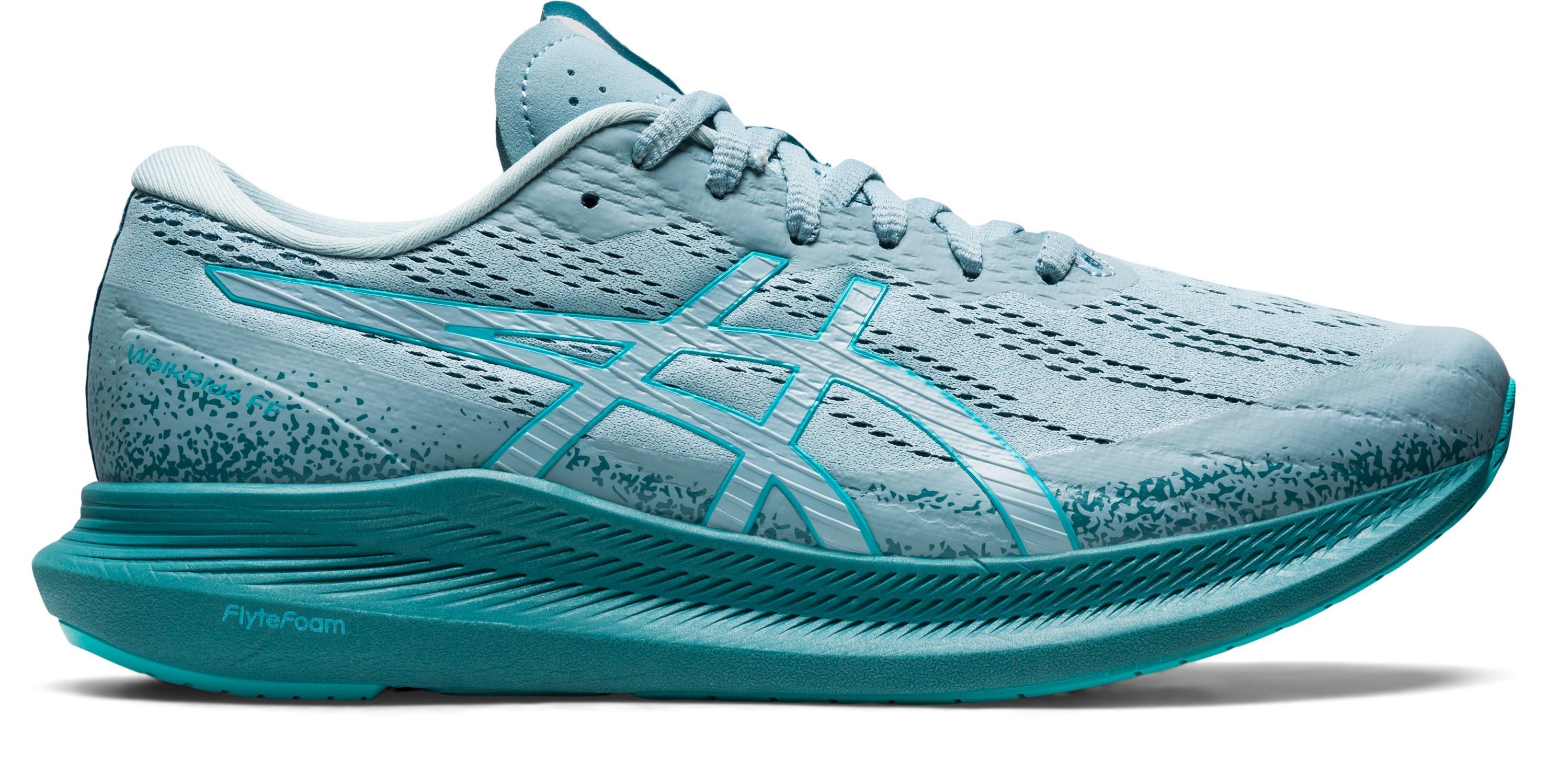
Top Contenders: Categories of Podiatrist-Approved Footwear
The market offers a spectrum of excellent options, each catering to slightly different needs. Broadly, podiatrist recommended walking shoes fall into categories defined by stability, cushioning, and intended use. Stability shoes are often recommended for overpronators. They feature medial (inner-side) posts made of denser foam and structured guidance systems to gently correct the foot’s inward roll. Brands like Brooks (with their Adrenaline GTS line) and New Balance (particularly the 1540 series) frequently receive podiatrist praise for their stability engineering. Neutral cushioned shoes are ideal for those with a neutral gait or who supinate. They prioritize shock absorption and flexibility without corrective elements. The Hoka One One Bondi series, renowned for its maximal cushioning, is a frequent favorite for those seeking plush comfort for long hours on hard surfaces. Then there are motion control shoes, which are the most rigid and supportive, designed for severe overpronation or heavier individuals. Furthermore, the rise of wide-toe-box and foot-shaped shoes from brands like Altra and Topo Athletic aligns with the growing podiatric emphasis on natural foot positioning, as discussed in forums like “The Gait Guys” on YouTube, which analyze athletic movement from a clinical perspective. It’s not about one “best” shoe, but the best shoe for your unique foot structure and walking pattern.
Beyond the Brand: The Critical Importance of Fit and Gait Analysis
You can purchase the most acclaimed podiatrist recommended walking shoe on the market, but if it doesn’t fit your foot correctly, its benefits are nullified. Professional fitting is paramount. A reputable fitting process involves more than just length; it assesses width (at the ball and heel), volume (the height of your instep), and even the shape of your toes. The “rule of thumb” of a thumb’s width of space at the toe is a good start, but it’s incomplete. Many podiatry clinics and specialty running stores offer gait analysis, often using pressure plates or slow-motion video. This analysis can reveal subtleties in your stride that you cannot feel, guiding you toward the precise category of support you need. As highlighted in educational content from the Spaulding National Running Center at Harvard Medical School, understanding your gait is the first step in injury prevention. Furthermore, consider the time of day you shop—feet swell throughout the day, so an afternoon fitting is most accurate. Remember, comfort should be immediate. The adage “they just need to be broken in” is a red flag; true podiatrist recommended walking shoes should feel supportive and comfortable from the very first step.
:max_bytes(150000):strip_icc()/shp-best-brooks-walking-shoes-tout-f67df3ab5afa4c08a24a63ae6dca3444.jpg)
Investing in Your Foundation: The Long-Term Value Proposition
It’s true that high-quality, podiatrist recommended walking shoes often come with a higher price tag than discount store alternatives. However, this is an investment with a profound return. Consider the cost not in terms of dollars per shoe, but dollars per mile of comfortable, pain-free walking, and, more importantly, in avoided medical expenses. A single visit to a podiatrist for a condition like plantar fasciitis or stress fractures can far exceed the price difference between a mediocre and an excellent pair of shoes. Furthermore, these shoes are engineered with durable materials and construction meant to last. The midsole—the heart of the shoe’s cushioning and support—typically breaks down before the upper shows wear. Most experts, including those cited in Runner’s World gear guides, recommend replacing walking shoes every 300-500 miles. To maximize value, be strategic. Many reputable brands update their models annually. When the new version is released, the previous model’s price often drops significantly, offering the same core technology at a discount. Signing up for newsletters from specialty retailers or directly from brand websites can alert you to these sales. The goal is to bring professional-grade knowledge and savvy shopping together, ensuring you get the protective benefits without overspending.
“The shoe is an extension of the foot. It should protect without restricting, support without controlling, and cushion without destabilizing. Choosing the right one is the simplest, most effective form of preventative medicine for the mobile individual.” – A sentiment commonly echoed by sports podiatrists in clinical discussions and media interviews.
Your journey toward all-day comfort begins with a conscious decision to prioritize the health of your feet. The search for the perfect pair of podiatrist recommended walking shoes is an act of self-care, a commitment to moving through your world with ease and resilience. By understanding the science behind the support, recognizing the essential features, seeking professional fitting, and making a smart investment, you are not just buying shoes—you are fortifying the very foundation that carries you through life. Let your next step be your most supported one yet.
:max_bytes(150000):strip_icc()/favorite-walking-shoes-round-up-november-2024-458c3fc0c6844adca7c0a34ebc5cfb9b.jpg)
