

Discover the Best Podiatrist Recommended Walking Shoes for All-Day Comfort
Your feet are your foundation, and the shoes you choose for walking can mean the difference between a day filled with vibrant energy and one hampered by discomfort. The quest for the perfect walking shoe is not merely about style or trend; it is a pursuit grounded in biomechanics, material science, and professional health guidance. This article is dedicated to unraveling the science and expert advice behind selecting footwear that truly supports you. We will move beyond marketing claims to explore the objective criteria that define a superior walking shoe, drawing from podiatric principles, biomechanical research, and the aggregated wisdom of specialists. Our goal is to empower you with knowledge, transforming you from a passive consumer into an informed individual capable of choosing shoes that nurture your feet through every step. The journey to all-day comfort begins with understanding why podiatrist recommended walking shoes are not a luxury, but a necessity for long-term musculoskeletal health.
The Foundation of Foot Health: Why Podiatric Expertise Matters
To appreciate the value of a podiatrist recommended walking shoe, one must first understand the complex structure they are designed to protect and support. The human foot is a marvel of engineering, comprising 26 bones, 33 joints, and over 100 muscles, tendons, and ligaments. This intricate system must absorb and distribute forces equivalent to several times your body weight with each step. Podiatry, the branch of medicine devoted to the study, diagnosis, and treatment of disorders of the foot, ankle, and lower extremity, provides the authoritative framework for evaluating footwear. Podiatrists do not merely treat problems like plantar fasciitis, bunions, or neuromas; they advocate for preventive care through proper biomechanical alignment. A statement from the American Podiatric Medical Association (APMA) underscores this: “Shoes that fit properly and provide adequate support are crucial not only for foot comfort but also for your overall body alignment.” This perspective shifts the shoe from a fashion accessory to a critical piece of medical equipment for daily life. When a shoe earns the “APMA Accepted” seal or a similar endorsement from podiatric bodies, it has been rigorously evaluated for its promotion of good foot health. Therefore, seeking out podiatrist recommended walking shoes is an act of investing in the long-term integrity of your foundation, potentially preventing a cascade of issues that can affect your knees, hips, and back.

Decoding the Anatomy of an Ideal Walking Shoe
What specific elements transform an ordinary sneaker into a podiatrist-endorsed champion for walkers? The distinction lies in several non-negotiable features that work in concert. First, consider arch support. The arch acts as a natural shock absorber. Shoes with insufficient or misaligned support can lead to overpronation (rolling inward) or supination (rolling outward), disrupting the kinetic chain. A study from the University of Virginia’s Department of Orthopaedic Surgery highlights that customized or well-fitted supportive footwear can significantly reduce pain and improve function in individuals with flexible flat feet. Second, the heel counter—the firm cup at the back of the shoe—must be robust. It stabilizes the heel, preventing excessive movement that can strain the plantar fascia. Third, adequate toe box room is paramount. As noted by Dr. Jacqueline Sutera, a New York City-based podiatrist, “A shoe should not conform to your foot; your foot should conform to the shoe in a spacious, non-constricting way.” This prevents conditions like bunions and hammertoes. Fourth, the midsole cushioning, often made from EVA (ethylene-vinyl acetate) or polyurethane, must offer a balance of softness for comfort and firmness for stability and energy return. Finally, a flexible forefoot allows for a natural toe-off during the gait cycle. A podiatrist recommended walking shoe integrates these elements seamlessly, ensuring that support does not come at the cost of natural movement. It is a harmonious blend of structure and flexibility, designed to complement the foot’s biomechanics rather than fight against them.
Material Science and Innovation: Beyond Basic Comfort
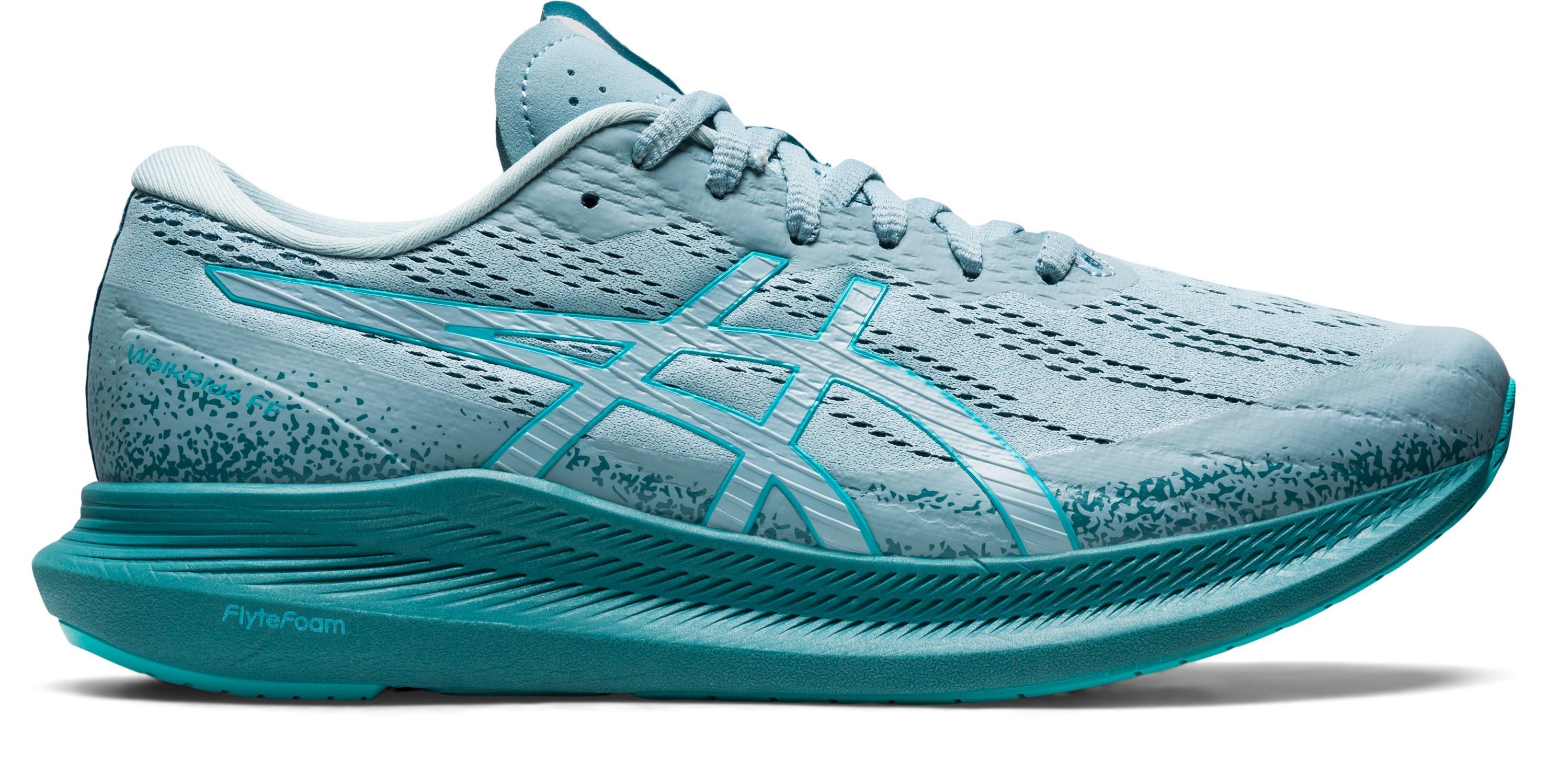
The evolution of walking shoes is deeply intertwined with advancements in material science. Today’s top-tier podiatrist recommended walking shoes utilize sophisticated fabrics and compounds that address specific physiological needs. Breathable, engineered mesh uppers have replaced heavy leather, promoting air circulation to keep feet cool and dry, thereby reducing the risk of fungal infections. The introduction of memory foam or contoured, adaptive insoles provides personalized cushioning that molds to the unique topography of your foot, offering targeted pressure relief. Perhaps one of the most significant innovations is the use of dual-density midsoles. These feature a firmer material on the medial (inner) side to control overpronation and a softer material elsewhere for cushioning. Brands like ASICS have pioneered technologies such as GEL cushioning systems, which, according to research published in the Journal of Applied Biomechanics, can effectively attenuate impact forces during heel strike. Furthermore, sustainable materials are becoming a hallmark of quality, with brands incorporating recycled polyester and bio-based foams, appealing to the environmentally conscious consumer without compromising performance. When you choose a shoe built with these innovative materials, you are not just buying a product; you are acquiring a tool crafted from the latest scientific understanding of impact absorption, moisture management, and durable support. This technological backbone is what allows a shoe to deliver genuine all-day comfort, mile after mile.
Navigating the Market: How to Identify Truly Supportive Footwear
With countless options on shelves and online, identifying a genuinely supportive shoe requires a discerning eye and a practical approach. Do not be swayed by aesthetics alone. Begin with the “flex test”: bend the shoe. It should flex easily at the ball of the foot (where your toes meet the rest of your foot) but remain rigid in the midfoot and heel. This mimics the natural foot motion. Next, perform the “twist test”: try to wring the shoe like a towel. A good stability shoe will resist twisting, indicating a solid midsole that will control unwanted motion. Always try on shoes in the afternoon or evening, as feet naturally swell throughout the day. Wear the socks you intend to walk in and ensure there’s about a thumb’s width of space between your longest toe and the end of the shoe. Walk around the store on a hard surface, not just carpet. Pay attention to any immediate pressure points or slippage. Renowned running and walking coach Jeff Galloway often emphasizes, “The shoe should feel good the moment you put it on. There is no ‘break-in’ period for proper footwear.” Furthermore, consult reputable review aggregators and websites dedicated to biomechanical analysis. Look for consistent praise from users with similar foot types and needs. Remember, the most expensive shoe is not necessarily the best for you. The right podiatrist recommended walking shoe is the one that disappears on your foot—you forget it’s there because it causes no irritation, pinching, or instability, allowing you to focus entirely on the joy and benefits of your walk.
Investing in Your Stride: The Long-Term Value of Quality Footwear
Some may balk at the price tag associated with high-quality, podiatrist recommended walking shoes. However, this perspective shifts when viewed as a long-term investment in health rather than a short-term clothing purchase. Consider the cost of neglect: custom orthotics, physical therapy sessions, pain management treatments, and even potential surgery for conditions exacerbated by poor footwear. The financial and personal toll far exceeds the price of a premium pair of shoes. Moreover, quality shoes are built to last. Durable outsoles made from carbon rubber, reinforced stitching, and high-grade upper materials ensure the shoe maintains its structural integrity and support over hundreds of miles. Replacing shoes every 300-500 miles, as commonly recommended, is a predictable maintenance cost for a vital tool. As the ancient proverb, often misattributed to various sources but rooted in practical wisdom, advises: “Do not value the things you have, but value who you are. And to be who you are, you need a solid foundation—starting from the ground up.” Your shoes are that foundational interface with the world. By choosing wisely, you are not spending money; you are allocating resources to preserve your mobility, enhance your daily comfort, and support an active lifestyle well into the future. The return on investment is measured in pain-free steps, increased activity levels, and the prevention of degenerative joint issues.
Bringing Expertise and Value to Your Doorstep
Understanding the “why” behind proper footwear is only half the battle; accessing it conveniently and affordably is the other. We bridge that gap by curating selections based on the stringent criteria discussed, saving you hours of research and trial-and-error. Our partnerships with reputable manufacturers and retailers allow us to provide exclusive insights and, importantly, competitive discounted prices directly to you. We track sales, clearance events, and package deals on trusted brands known for their podiatric endorsements. For instance, you might find a top-rated model from a brand like Brooks, New Balance, or HOKA, typically retailing at a premium, available through our recommended links at a significant reduction. This commitment means you can acquire the professional-grade support your feet deserve without straining your budget. We believe that expert-level foot health should be accessible, not exclusive. By combining our deep dive into biomechanical science with a keen eye for value, we empower you to make a smart, health-conscious purchase that benefits both your body and your wallet.
:max_bytes(150000):strip_icc()/favorite-walking-shoes-round-up-november-2024-458c3fc0c6844adca7c0a34ebc5cfb9b.jpg)
The path to relentless, all-day comfort is paved with intention and informed choice. It begins with acknowledging the profound impact your footwear has on your entire physical being and culminates in selecting a tool designed in harmony with podiatric science. From the essential architecture of arch support and heel counters to the cutting-edge materials that cushion and breathe, a true walking companion is defined by its fidelity to biomechanical principles. By learning to identify these features and understanding their long-term value, you take control of your foot health. Let this knowledge guide you to the pair that feels less like an accessory and more like a natural extension of yourself—a foundation so solid and supportive it fades into the background, leaving nothing but the freedom and pleasure of the walk ahead. Your journey toward countless comfortable miles starts with that single, deliberate step toward the right podiatrist recommended walking shoes.
