

Discover the Best Podiatrist Recommended Walking Shoes for All-Day Comfort and Support
For anyone who spends a significant portion of their day on their feet, whether navigating city streets, exploring nature trails, or managing the demands of a busy workday, the quest for the perfect walking shoe is more than a shopping trip—it’s a necessity for long-term health and vitality. The wrong footwear can lead to a cascade of discomfort, from immediate blisters and aches to chronic issues like plantar fasciitis, knee pain, and back problems. This is where the expertise of podiatry becomes invaluable. Podiatrist recommended walking shoes are not merely a marketing term; they represent a category of footwear designed with scientific principles of biomechanics, anatomy, and pathology in mind. These shoes are vetted or designed by foot specialists—podiatrists—who understand the intricate workings of the human foot and its profound impact on the entire musculoskeletal system. Choosing such footwear is an investment in preventative care, transforming walking from a potential source of strain into a foundation for all-day comfort and robust support.
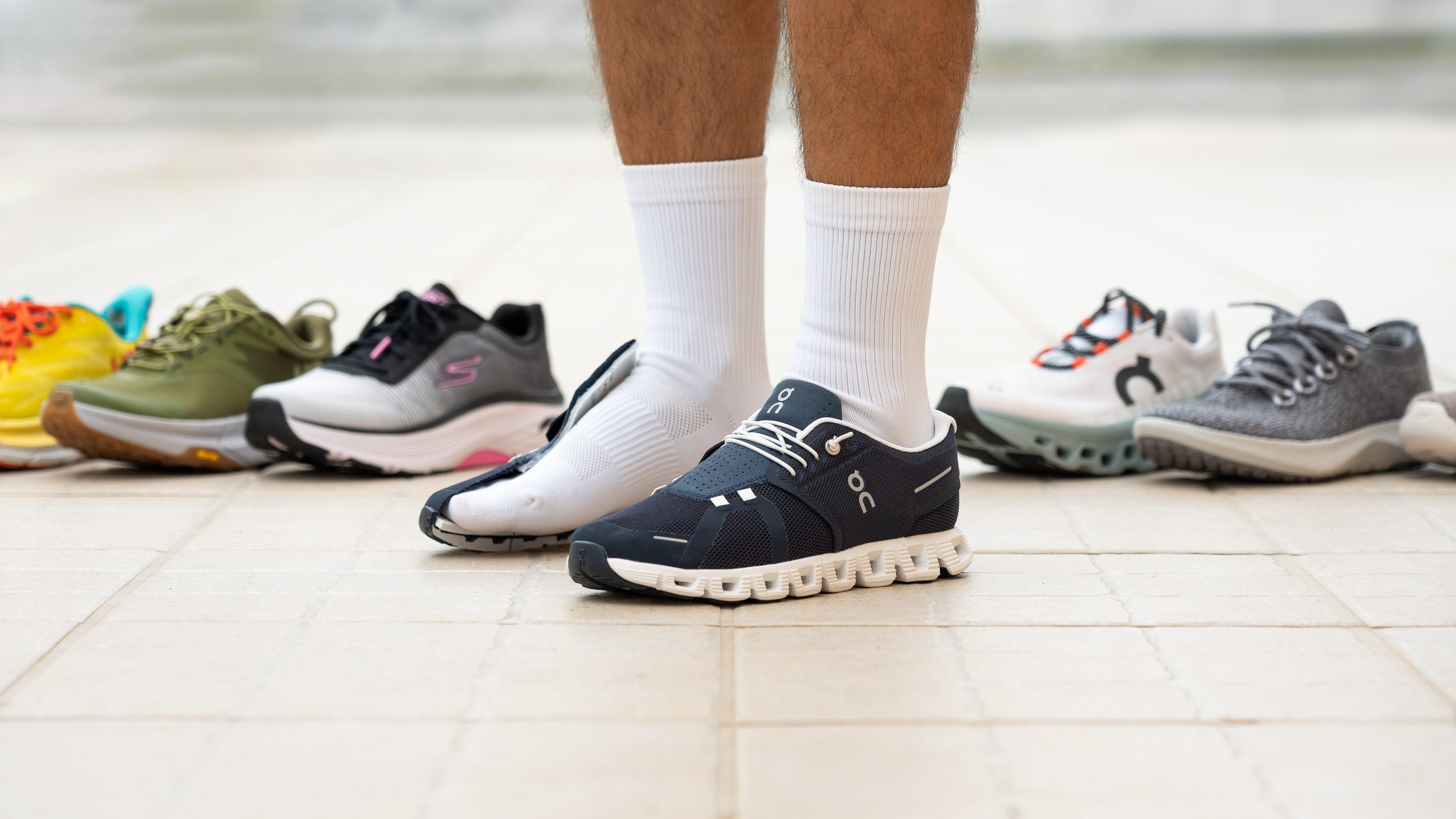
The Science of Support: Why Podiatrist Endorsement Matters
To understand the critical importance of a podiatrist’s recommendation, one must first appreciate the foot’s role as a complex biomechanical structure. According to resources from authoritative institutions like the American Podiatric Medical Association (APMA), the foot contains 26 bones, 33 joints, and over 100 muscles, tendons, and ligaments. It functions as both a shock absorber and a rigid lever for propulsion—a duality that demands precise support. A podiatrist evaluates footwear based on several key, scientifically-grounded criteria. First is arch support. The arch acts as a natural spring; improper support can lead to its collapse (overpronation) or insufficient rolling (supination), both of which misalign the ankle, knee, and hip. As noted on platforms like Quora and in educational literature from universities, this misalignment is a primary contributor to joint wear and tear. Second is heel counter rigidity. A firm heel cup stabilizes the rearfoot, preventing excessive movement that can strain the plantar fascia, the band of tissue running along the foot’s bottom. Inflammation of this tissue, known as plantar fasciitis, is one of the most common complaints podiatrists treat, and a stable heel is a primary defense. Third is adequate toe box space. Crowding the toes can lead to deformities like bunions and hammertoes. A podiatrist recommended walking shoe will always prioritize a design that allows the toes to splay naturally upon stepping, which also improves balance and stability. These features aren’t arbitrary; they are direct applications of podiatric medicine to product design, aiming to keep the foot in a neutral, healthy position throughout the gait cycle.
Decoding the Features: What to Look For in Your Next Pair
When you set out to find the ideal walking companion for your feet, knowing the specific features to scrutinize can make all the difference. Let’s break down the non-negotiable elements that define top-tier walking footwear. The foundation of any great walking shoe is its midsole cushioning. This isn’t just about softness; it’s about responsive, durable cushioning that attenuates impact forces with each step. Technologies like EVA (ethylene-vinyl acetate) foam, polyurethane, or proprietary compounds like Brooks’ DNA LOFT or ASICS’ GEL are engineered to provide a balance of comfort and energy return. A study cited in biomechanics literature often highlights that with each step, your feet endure a force of about 1.5 times your body weight; proper cushioning is what dissipates this shock before it travels up your skeleton. Next, examine the outsole traction and flexibility. The outsole should offer secure grip to prevent slips, yet it must flex at the ball of the foot—where your foot naturally bends during the “toe-off” phase of walking. A sole that is too stiff forces your foot and leg muscles to work harder, leading to fatigue. Furthermore, the upper material should be breathable and adaptive. Materials like engineered mesh conform to the foot without pressure points and allow heat and moisture to escape, reducing the risk of fungal infections and blisters. Finally, consider the weight and drop of the shoe. A lighter shoe reduces leg fatigue over long distances, while the “drop” (the height difference between heel and forefoot) influences your gait. A moderate drop (6-10mm) is often recommended in podiatrist recommended walking shoes as it can ease strain on the Achilles tendon and calf muscles for many individuals. Remember, the best shoe is the one that addresses your unique foot shape and gait pattern, which is why features like removable insoles for custom orthotics are a hallmark of podiatrist-approved designs.
:max_bytes(150000):strip_icc()/podiatrist-recommended-walking-shoes-e1b90077185d4e6cadbf6327c4d17db7.jpg)
Beyond the Brand: Insights from Foot Health Professionals
The endorsement of a medical professional carries a weight that transcends celebrity testimonials or trendy aesthetics. Podiatrists often share their insights on platforms like YouTube, in interviews for health magazines, and on professional blogs, offering a treasure trove of practical advice. For instance, Dr. Jacqueline Sutera, a prominent New York City podiatrist and spokesperson for the APMA, frequently emphasizes the importance of shoe rotation. She notes that wearing the same pair every day doesn’t allow the shoe’s cushioning to fully rebound, diminishing its support over time. Having two pairs of podiatrist recommended walking shoes to alternate can extend the life of both and provide subtle variations in support that benefit your feet. Another common theme from experts is the “fit test.” It’s not enough for a shoe to feel comfortable in the store. Podiatrists advise shopping for shoes in the afternoon when your feet are naturally slightly swollen, ensuring a fit that accommodates your foot at its largest. There should be about a thumb’s width of space between your longest toe and the end of the shoe. Furthermore, many podiatrists, like those quoted in resources from “Eating Well” or “Verywell Health,” caution against the “breaking in” myth. A properly fitted, well-designed walking shoe should feel comfortable immediately. Discomfort in the store will only magnify on the pavement. These professional nuggets of wisdom shift the focus from passive consumption to informed selection, empowering you to become an expert on your own foot health.
Matching Shoe to Stride: A Guide for Common Foot Conditions
Footwear is not one-size-fits-all, especially when specific conditions are present. A critical aspect of choosing podiatrist recommended walking shoes is understanding how they address particular needs. For individuals with flat feet (pes planus) or overpronation, stability and motion control are paramount. Look for shoes with a firm medial (inner) post—a denser section of foam in the midsole—that prevents the arch from collapsing inward excessively. Brands often label these as “stability” or “motion control” shoes. Conversely, those with high arches or supination need maximum cushioning and flexibility to aid in shock absorption, as their feet are less effective at distributing impact naturally. Neutral, cushioned shoes are typically the best fit. For plantar fasciitis sufferers, the trifecta of a rigid heel counter, excellent arch support, and a slight rocker sole design can make a world of difference. The rocker sole promotes a smooth roll from heel to toe, reducing the tension on the inflamed plantar fascia with each step. If you have bunions, a wide toe box made from soft, stretchable material is non-negotiable to avoid pressure on the bony protrusion. Many podiatrists also strongly recommend shoes with removable insoles, as this allows for the seamless integration of custom orthotic devices prescribed for severe biomechanical issues. By aligning your specific condition with the engineered solution a shoe provides, you move from simply covering your feet to actively treating and protecting them with every step you take.
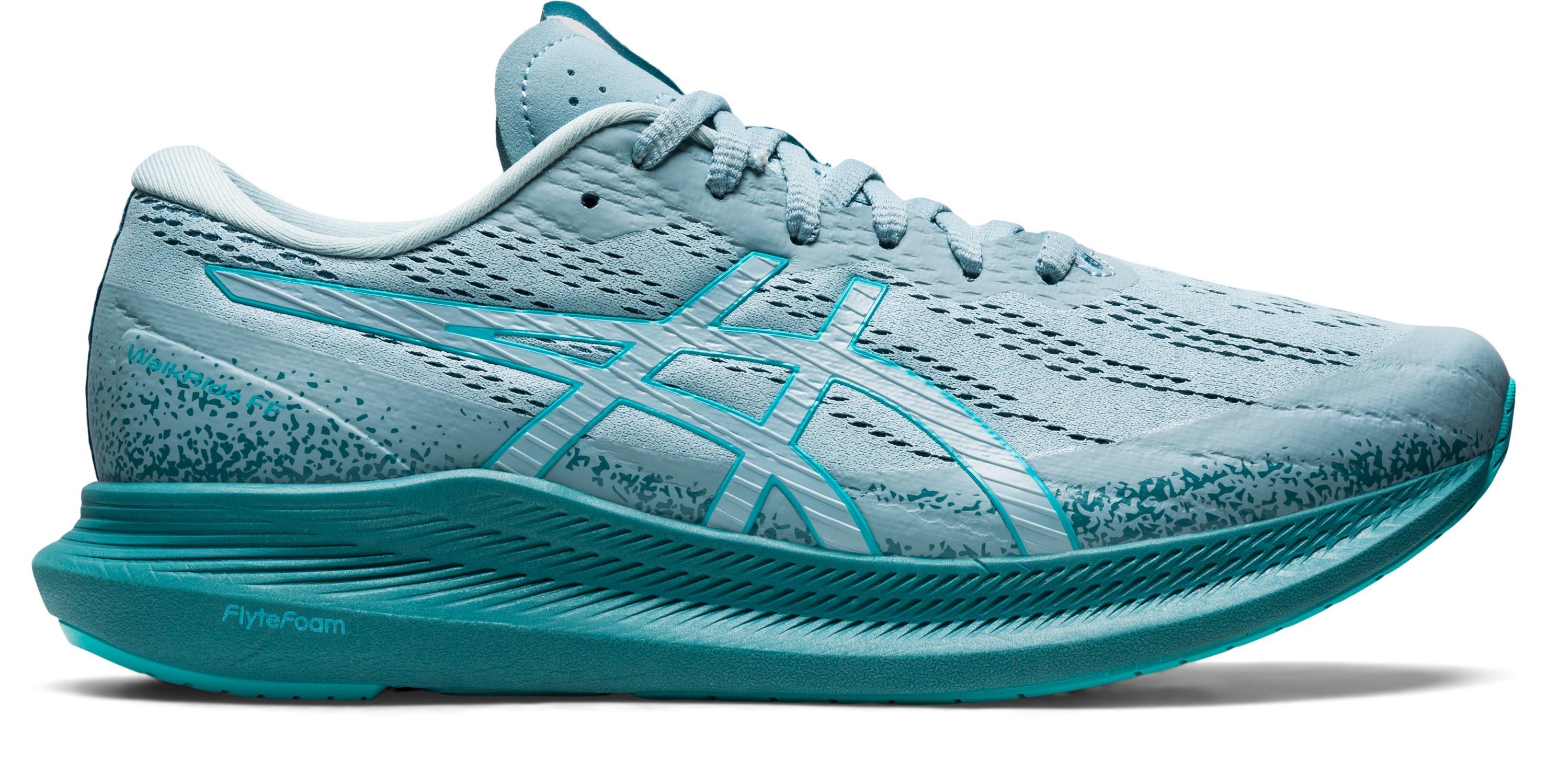
Investing in Your Foundation: The Long-Term Value of Quality Footwear
It is a common misconception that spending more on specialty footwear is an extravagance. In reality, when viewed through the lens of long-term health and cost-effectiveness, it is one of the most prudent investments you can make. Consider the alternative: chronic foot pain often leads to reduced physical activity, which is a risk factor for a host of other health issues, including cardiovascular disease, diabetes, and obesity. The cost of ongoing podiatrist visits, physical therapy, orthotics, and pain management for a condition exacerbated by poor shoes can far exceed the price of a few premium pairs of podiatrist recommended walking shoes. Furthermore, quality walking shoes are built with durability in mind. While a cheaply made shoe might disintegrate or lose its support within a few months, a well-constructed one from a reputable brand can last for 300-500 miles of walking, providing consistent protection throughout its lifespan. This durability translates to a lower cost per mile walked. Brands that carry the APMA Seal of Acceptance, for example, have been evaluated by a committee of podiatrists and found to promote good foot health. This seal acts as a trusted shortcut for consumers seeking validated quality. Ultimately, your feet are the foundation that carries you through life; fortifying that foundation with expertly designed footwear is an act of preventative care that pays dividends in comfort, mobility, and overall well-being for years to come.
:max_bytes(150000):strip_icc()/favorite-walking-shoes-round-up-november-2024-458c3fc0c6844adca7c0a34ebc5cfb9b.jpg)
The journey to finding footwear that truly supports you is a journey toward a more active, pain-free life. It moves beyond fashion and into the realm of functional health equipment. By prioritizing the principles of podiatric science—seeking out proper arch support, stable heel counters, roomy toe boxes, and responsive cushioning—you are making a conscious decision to align your daily habits with the well-being of your entire body. The market offers a wealth of options, but focusing on those validated as podiatrist recommended walking shoes narrows the field to choices proven to respect human biomechanics. Let your steps be confident, comfortable, and supported, from your first morning stride to your last evening stroll, knowing that the foundation beneath you is built on expertise and designed for endurance.
