

Discover the Top Podiatrist Recommended Walking Shoes for Ultimate Comfort and Support
In the realm of daily movement, the foundation of every step is not a metaphor but a physical reality: your shoes. For those who walk for health, necessity, or pleasure, the choice of footwear transcends mere fashion; it becomes a critical decision impacting joint health, posture, and overall physical well-being. This is where the specialized insight of podiatry—the branch of medicine devoted to the study, diagnosis, and treatment of disorders of the foot, ankle, and lower extremity—becomes invaluable. A podiatrist recommended walking shoe is engineered not just for comfort, but for biomechanical harmony. It is a tool designed to support the foot’s natural gait cycle, mitigate stress on the musculoskeletal system, and prevent common ailments like plantar fasciitis, bunions, and metatarsalgia. This article distills complex podiatric principles and sifts through countless models to present a curated selection of footwear that aligns with professional medical recommendations, blending objective science with practical user experience to guide you toward your perfect step.
The Science of the Step: Why Podiatric Endorsement Matters
Walking is a complex, repetitive load-bearing activity. Each step involves a coordinated sequence known as the gait cycle, comprising the stance phase (foot on ground) and swing phase (foot in air). During the stance phase, the foot must adeptly perform three functions: shock absorption at heel strike, stability during mid-stance, and propulsion at toe-off. A shoe that disrupts this delicate biomechanical orchestra can lead to a cascade of issues, from localized foot pain to problems in the knees, hips, and even the lower back. Podiatrists, as medical doctors specializing in this very anatomy, evaluate shoes based on specific, scientifically-grounded criteria. These include arch support tailored to different foot types (pes planus/flat feet, pes cavus/high arches), adequate heel counter rigidity for rearfoot stability, appropriate toe box dimensions to allow natural splay and prevent compression, and optimal cushioning that balances softness with responsive energy return. As Dr. Jacqueline Sutera, a prominent New York City podiatrist, often states in media interviews, “A good shoe is the first line of defense against foot pain.” This professional perspective moves us beyond marketing claims and into the realm of evidence-based design, making the search for podiatrist recommended walking shoes a non-negotiable starting point for the serious walker.
:max_bytes(150000):strip_icc()/tal-roundup-podiatrist-loved-shoes-on-sale-tout-bdbf5721fa5642efa38b61f6a5b4ff34.jpg)
Architectural Pillars: Deconstructing the Anatomy of a Supportive Shoe
To understand why certain shoes earn podiatric praise, one must become fluent in their architectural language. The foundation is the midsole, typically made from materials like EVA (ethylene-vinyl acetate) or polyurethane. EVA provides lightweight cushioning but can compress over time, while polyurethane offers greater durability and stability. The geometry of the midsole, including features like a rockered sole, facilitates a smoother heel-to-toe transition, reducing strain on the Achilles tendon and calf muscles. The insole or footbed is equally critical. While many shoes come with removable insoles, a truly supportive model often integrates or includes a contoured orthotic-like footbed that maintains the medial longitudinal arch. The importance of this is underscored by research from institutions like the University of Pittsburgh’s Department of Orthopedic Surgery, which links proper arch support to reduced incidence of overuse injuries. The upper material must offer a secure, non-irritating fit; engineered mesh is a favorite for its breathability and adaptive stretch. Finally, the outsole’s rubber composition and tread pattern determine durability and traction. A podiatrist recommended walking shoe harmonizes these elements, ensuring no single part over-performs at the expense of the whole. It’s a holistic design philosophy where every component serves the biomechanical needs of the foot, a principle echoed in resources from Wikipedia’s entries on orthopedic footwear to detailed Q&A threads on platforms like Quora where medical professionals contribute.
Navigating Foot Typology: Matching Your Gait to the Right Shoe
One of the most pivotal contributions of podiatry to everyday foot health is the categorization of foot types and gait patterns. The “wet test”—observing the footprint left on a dry surface after stepping out of water—remains a simple, effective self-diagnostic tool. A full, wide imprint suggests overpronation, where the ankle rolls inward excessively, demanding shoes with structured support, often labeled as “stability” or “motion control” models. These incorporate firmer medial (inner-side) posts to limit that inward roll. A footprint showing only a thin connection between heel and forefoot indicates underpronation or supination, where the foot doesn’t roll inward enough to distribute force, necessitating highly cushioned, flexible, and neutral shoes to aid in shock absorption. A “normal” arch leaves a distinct curve along the inside. This framework isn’t mere anecdote; it’s a simplification of the biomechanical analyses performed in gait labs worldwide. Literature from authoritative sources like the American Podiatric Medical Association (APMA) consistently emphasizes this matching process. Choosing a shoe that contradicts your natural gait is akin to installing the wrong shock absorber on a car—it might move, but not without causing undue wear and tear. Therefore, the first step in discovering your ideal podiatrist recommended walking shoe is an honest assessment of your own foundation.
The Endorsement Ecosystem: From Clinical Practice to Consumer Trust
The phrase “podiatrist recommended” carries weight because it emerges from a distinct ecosystem bridging clinical observation and product development. Many leading footwear brands engage directly with podiatrists and biomechanists in their design process. The APMA’s Seal of Acceptance is a coveted credential, awarded to products found to promote good foot health. This seal is a tangible signal for consumers. Beyond formal seals, podiatrists frequently share their insights through public channels. On YouTube, channels like “Foot & Ankle Center” break down shoe reviews with clinical precision. On Twitter (X), practicing podiatrists often participate in public health threads, debunking myths and highlighting features that matter. For instance, a tweet from a certified professional might read: “Seeing many patients with posterior tibial tendonitis. Often traced to worn-out midsoles lacking medial support. Don’t wait for pain—replace your walking shoes every 300-500 miles.” This real-world, problem-solving perspective is invaluable. It transforms the podiatrist recommended walking shoe from a static product into a dynamic component of a preventative health strategy. When you choose such a shoe, you are effectively leveraging the aggregated, evidence-based experience of medical professionals who have seen what works and, more importantly, what fails, in the living laboratory of their patient community.
Curated for Comfort: A Closer Look at Exemplary Models
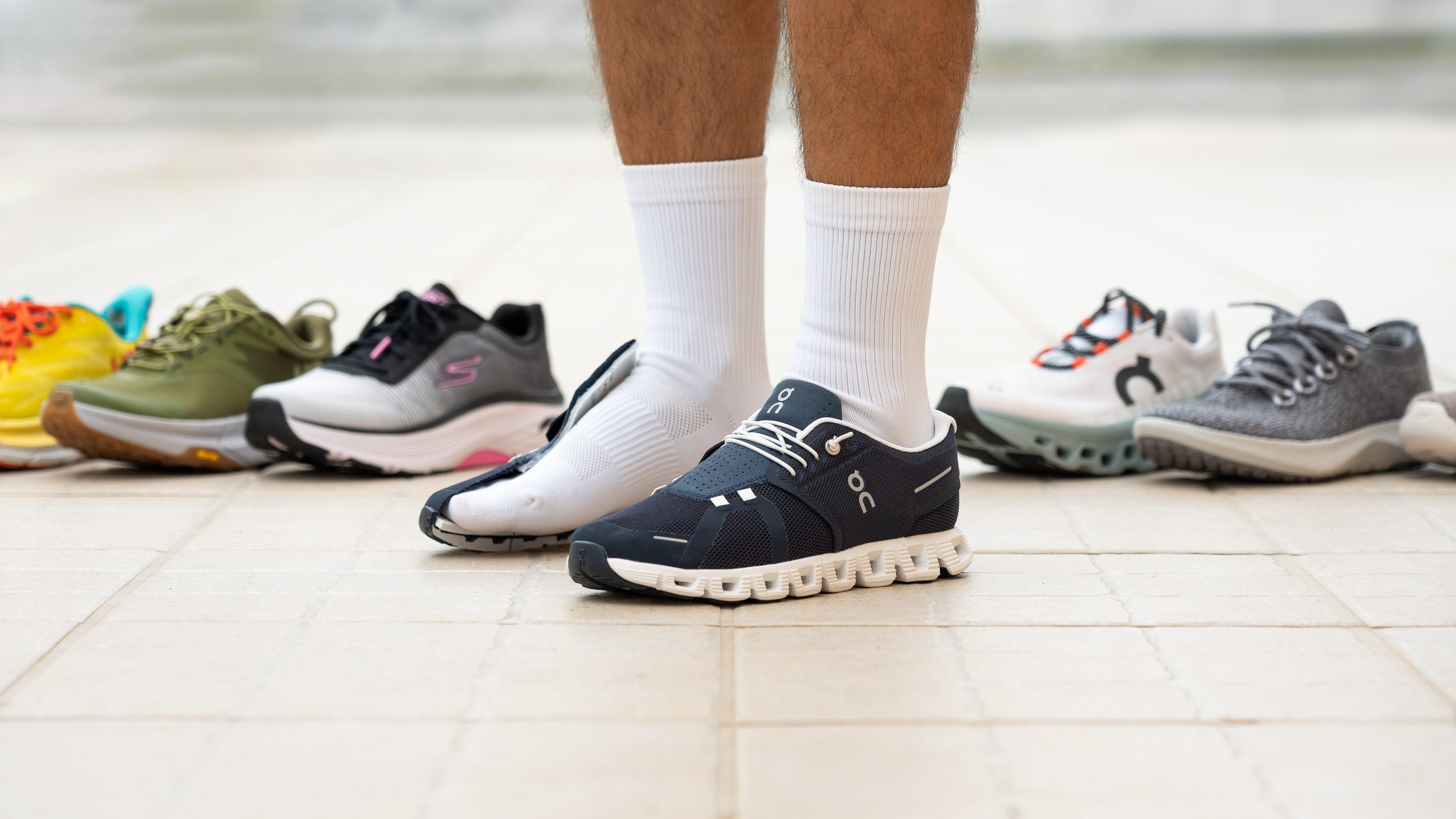
While individual needs vary, several models consistently appear on podiatrists’ shortlists due to their exemplary integration of supportive features. It’s crucial to view these not as a definitive ranking, but as archetypes of successful design philosophy. First, consider shoes like the New Balance 990 series. Frequently cited for its unparalleled combination of a durable pigskin and mesh upper, a dual-density collar foam, and a robust ENCAP midsole that pairs soft cushioning with a firm polyurethane rim for stability, it’s a staple for overpronators seeking durability. Second, the HOKA Bondi line exemplifies maximal cushioning. Its oversized, meta-rocker midsole of compression-molded EVA provides exceptional shock absorption, making it a frequent recommendation from podiatrists for those with supination, arthritis, or who stand for long periods. Third, brands like Vionic built their reputation on podiatric collaboration, embedding their signature orthotic footbed with deep heel cups and arch support into stylish walking shoes, directly addressing conditions like plantar fasciitis. The common thread among these diverse podiatrist recommended walking shoes is a commitment to addressing specific biomechanical needs without compromising on the quality of materials or construction. They represent an investment where the return is measured in miles of pain-free movement.

Beyond the Purchase: Integration into a Holistic Foot Health Regime
Acquiring a superior pair of podiatrist recommended walking shoes is a pivotal event, but it is not the conclusion of your foot health journey. It is the cornerstone of an ongoing regime. Proper fit is paramount; experts advise shopping later in the day when feet are naturally slightly swollen, ensuring about a thumbnail’s width of space in the toe box. The shoes should feel supportive and immediately comfortable, requiring no “break-in” period that could cause blisters or hotspots—a notion modern footwear science largely considers outdated. Pairing these shoes with moisture-wicking socks, performing regular foot and ankle strengthening exercises (like toe curls and calf raises), and replacing shoes before they are visibly worn out are all non-negotiable complementary practices. The discounted prices often found during seasonal sales or on reputable online retailers make maintaining this regime more accessible. Viewing this as a form of preventative healthcare reframes the cost. As a thought experiment, consider the financial and personal cost of treating a single case of chronic plantar fasciitis versus the price of two pairs of properly fitted, supportive shoes rotated over a year. The shoes are, unequivocally, the more economical and comfortable choice.
The Informed Step Forward
Your journey toward ultimate comfort and support in walking begins with a shift in perspective: see your shoes as medical-grade equipment for daily life, not just as apparel. The path laid out by podiatric science is clear—prioritize biomechanical alignment, understand your unique foot architecture, and seek out the designs that have earned professional trust through performance, not just promotion. The curated examples and principles discussed serve as a compass, not a map; your final destination is a personal fit that feels like an extension of your body, facilitating movement without announcing its presence through pain or fatigue. In embracing podiatrist recommended walking shoes, you are not merely making a consumer choice. You are actively participating in the preservation of your mobility, investing in the foundation that carries you through every journey, and stepping forward with the confidence that comes from knowledge and quality engineering.
:max_bytes(150000):strip_icc()/favorite-walking-shoes-round-up-november-2024-458c3fc0c6844adca7c0a34ebc5cfb9b.jpg)
