

Discover the Best Podiatrist Recommended Walking Shoes for All-Day Comfort
Your feet are your foundation, carrying you through thousands of steps each day. Yet, so often, they are an afterthought, crammed into footwear chosen for style over substance. The consequence is a symphony of discomfort: aching arches, sore heels, and tired legs that can drain the joy from even a simple stroll. This is where the specialized world of podiatrist recommended walking shoes becomes not just a purchase, but an investment in your mobility and well-being. This article isn’t about fleeting trends; it’s a deep dive into the biomechanical science of walking, the critical features that define superior footwear, and a curated look at models that consistently earn the approval of foot health professionals. We’ll move beyond marketing claims to understand why certain shoes work, bringing you the knowledge to make an empowered choice for all-day comfort.
The Science of the Stride: Why Your Shoes Matter More Than You Think
Walking is a complex, repetitive motion involving a precise sequence of heel strike, foot flat, mid-stance, and toe-off. Each phase places unique stresses on the bones, muscles, and ligaments of the foot and ankle. Improper footwear disrupts this natural gait cycle, leading to inefficient movement and compensatory patterns that can cause pain not only in the feet but also in the knees, hips, and lower back. Podiatrists, as doctors of podiatric medicine, diagnose and treat conditions of the foot, ankle, and related structures of the leg. Their recommendations are rooted in a profound understanding of this biomechanics. A podiatrist recommended walking shoe is engineered to support the foot’s natural alignment and absorb the repetitive impact forces of walking—forces that can equal 1.5 times your body weight with each step. As Dr. Jacqueline Sutera, a New York City-based podiatrist, often notes in media interviews, “Shoes are the foundation of your body. If your foundation is unstable or unsupportive, everything above it—your knees, hips, back—can be affected.” This perspective shifts the shoe from a mere accessory to a vital piece of functional equipment, as crucial for the everyday person as the right running shoe is for an athlete.
:max_bytes(150000):strip_icc()/podiatrist-recommended-walking-shoes-e1b90077185d4e6cadbf6327c4d17db7.jpg)
Deconstructing Comfort: The Non-Negotiable Features of a Superior Walking Shoe
What specific elements transform an ordinary shoe into a podiatrist recommended walking shoe? The distinction lies in a combination of design features that work in concert. First and foremost is arch support. The arch acts as a natural shock absorber; without proper support, it can collapse (overpronation) or not roll enough (supination), leading to conditions like plantar fasciitis. A good walking shoe will have a firm, contoured footbed that matches your arch type. Next is heel counter stability. The firm cup at the back of the shoe should hold the heel firmly in place to prevent excessive side-to-side motion, ensuring a stable base for each step. Cushioning is another critical factor, but it must be strategic. While a plush feel under the heel is important for impact absorption, the forefoot also requires flexibility to allow for a natural toe-off. The midsole materials—often advanced foams like EVA, polyurethane, or proprietary blends like ASICS’ FlyteFoam—determine the quality of this cushioning. Finally, the rocker sole design, a feature pioneered in therapeutic footwear, is increasingly found in premium walking shoes. This gently curved sole promotes a smooth roll from heel to toe, reducing strain on the Achilles tendon and calf muscles. As highlighted in resources from authoritative institutions like the American Podiatric Medical Association (APMA), shoes bearing their Seal of Acceptance have been evaluated by a committee of podiatrists and found to promote good foot health, a reliable indicator for consumers.
Beyond the Basics: How Your Foot Type Dictates Your Perfect Shoe
A universal “best” shoe does not exist because feet are not universal. The single most important step before purchasing is understanding your foot type and gait pattern. The “wet test” is a simple, classic method: wet your foot and step onto a piece of cardboard or paper. Examine the imprint. A full, wide imprint with little to no curve on the inside indicates a low arch or flat foot, often associated with overpronation. This foot type requires shoes with maximum arch support and motion control features to prevent the ankle from rolling inward excessively. A imprint with a clear curve connecting the ball of the foot to the heel, with a band about half the width of the foot, suggests a neutral arch. This is the most efficient foot type and can typically use shoes with moderate support and cushioning. An imprint showing only the ball, the heel, and a thin, disconnected line on the outside signifies a high arch, which often leads to underpronation or supination. This rigid foot type lacks natural shock absorption and needs highly cushioned, flexible shoes to compensate. Many specialty running and walking stores offer gait analysis, providing invaluable data. Ignoring this personal biomechanics is like prescribing the same glasses to everyone; a podiatrist recommended walking shoe is effective precisely because it addresses individual needs.
A Closer Look at Podiatrist-Approved Models and Technologies
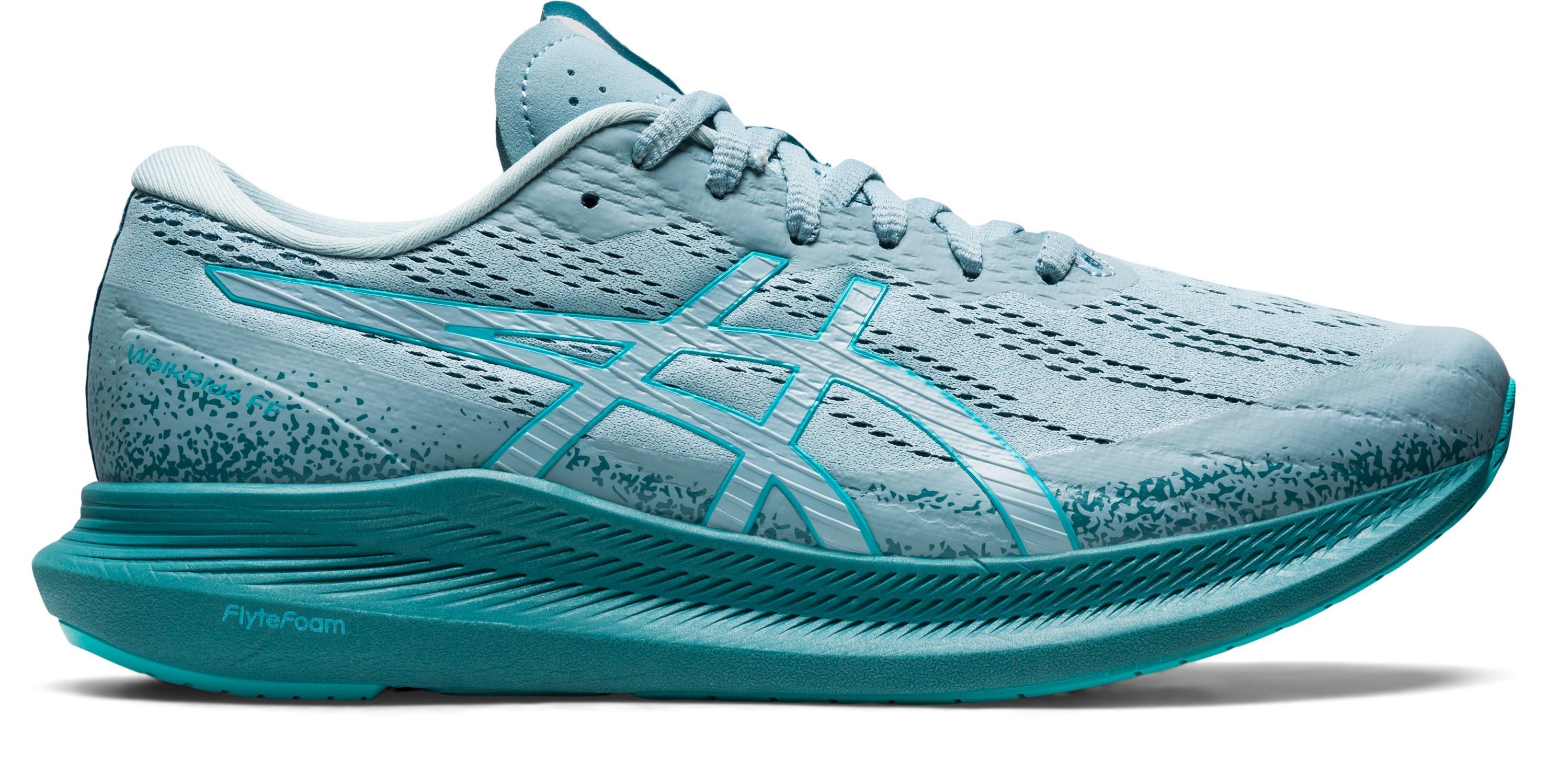
Let’s translate theory into practice by examining some shoe models and technologies that frequently receive podiatrist endorsements. Brands like ASICS, Brooks, New Balance, and HOKA ONE ONE are perennial favorites in clinical discussions for their commitment to biomechanical research. The ASICS Gel-Nimbus or Kayano series, for instance, are renowned for their GEL cushioning systems and Dynamic DuoMax support, technologies designed to attenuate shock and guide the foot. Similarly, HOKA’s maximalist cushioning, with its meta-rocker geometry, is often suggested for those needing extreme shock absorption, such as individuals with arthritis or who stand for long periods. Another standout is the Brooks Ghost, a neutral shoe praised for its balanced cushioning using DNA LOFT foam, providing soft landings without sacrificing responsiveness. It’s crucial to understand that a podiatrist’s recommendation is often brand-agnostic; it focuses on the presence of specific supportive features. As noted on platforms like Quora and in discussions among healthcare professionals, the consistent advice is to prioritize fit and function. A quote often attributed to renowned fitness expert and author, Michal “Dr. Mike” Israetel, encapsulates this well, though in a broader fitness context: “The best gear is the gear that allows you to train effectively and safely, not the gear with the flashiest logo.” This principle applies perfectly to walking shoes: the best shoe is the one that fits your unique foot and corrects your specific gait irregularities.
Investing in Your Foundation: The Long-Term Value of Quality Footwear
It’s tempting to view a $150 pair of walking shoes as an extravagance compared to a $50 pair from a discount store. However, this is a classic false economy. High-quality podiatrist recommended walking shoes are engineered with durable materials, advanced foams that resist compression, and outsoles made of carbon rubber in high-wear areas. They are built to maintain their structural integrity and support for 300 to 500 miles of walking. A cheap shoe may feel comfortable initially, but its materials break down quickly, often within a few months of regular use. Once the midsole compresses and the heel counter softens, the shoe ceases to provide any meaningful support, even if the upper still looks new. Wearing broken-down shoes is akin to driving a car with misaligned wheels; the damage is gradual but inevitable. The cost of physical therapy, custom orthotics, or treatment for conditions like plantar fasciitis or metatarsalgia far outweighs the initial investment in proper footwear. Think of it as preventative healthcare. By choosing a shoe designed with podiatric principles, you are actively reducing wear and tear on your joints, preventing pain, and enhancing your overall quality of life—a return on investment that is truly priceless.
:max_bytes(150000):strip_icc()/tal-roundup-podiatrist-loved-shoes-on-sale-tout-bdbf5721fa5642efa38b61f6a5b4ff34.jpg)
Making the Smart Choice: Where Knowledge Meets Value
Armed with this knowledge, you are now equipped to navigate the market not as a passive consumer, but as an informed individual. Start by identifying your arch type. Then, seek out reputable brands known for their walking or stability lines. When trying shoes on, do so in the afternoon when your feet are naturally slightly swollen. Wear the socks you intend to walk in, and ensure there’s a thumb’s width of space between your longest toe and the end of the shoe. The shoe should feel secure and supportive immediately, without a “break-in” period. Walk around the store, on a hard surface if possible. Now, regarding value: while premium shoes command a premium price, savvy shopping can yield significant savings. Last season’s colorways of the same model often see deep discounts, as brands make room for new inventory. Official brand outlet websites, authorized retailers during holiday sales, and even specialty running stores during model clearance events are excellent places to find genuine podiatrist recommended walking shoes at 20-40% off. The goal is not to find the cheapest option, but to find the right shoe at the best possible price, ensuring your foundation is solid without compromising your budget.
Your journey toward all-day comfort begins from the ground up. Disregard the noise of fashion-centric advertising and listen to the evidence-based wisdom of podiatric science. The right pair of podiatrist recommended walking shoes is more than an item of clothing; it is a tool for preservation, a catalyst for activity, and a daily affirmation of self-care. By prioritizing the engineering that supports your unique biomechanics, you choose to walk through life with greater ease, less pain, and enduring vitality. Don’t just walk—stride forward with confidence, supported every step of the way.

