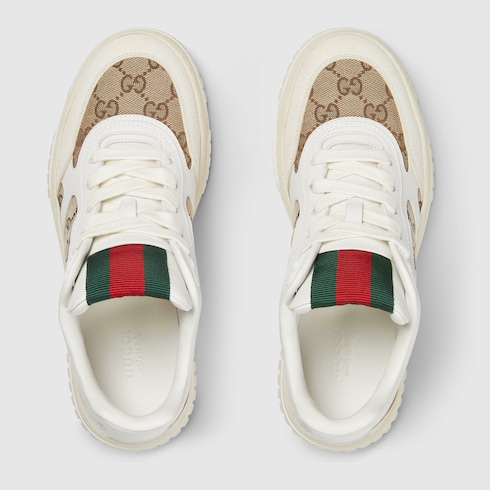
Elevate Your Look with Womens Gucci Sneakers
In the realm of contemporary fashion, footwear has transcended its purely functional role to become a definitive statement of personal style and cultural awareness. Among the pantheon of luxury brands, Gucci stands as a colossus, and its sneakers for women have emerged as more than mere accessories; they are artifacts of modern design, blending heritage with audacious innovation. This article delves into the multifaceted appeal of women’s Gucci sneakers, exploring their design philosophy, cultural resonance, and the undeniable elevation they bring to any ensemble. We move beyond superficial trends to examine the objective value and artistic merit embedded in these iconic pieces.
The Intersection of Heritage and Hype: The Gucci Design Ethos
To understand the allure of Gucci sneakers, one must first appreciate the brand’s unique position at the crossroads of storied tradition and contemporary relevance. Founded in Florence in 1921, Gucci built its reputation on impeccable craftsmanship and leather goods. Under the creative direction of Alessandro Michele, appointed in 2015, the brand underwent a seismic shift. Michele’s philosophy, often described as “maximalist” or “eclectic,” championed a bold, romantic, and gender-fluid aesthetic. This vision directly infused the sneaker line, transforming it from a classic luxury item into a canvas for storytelling. The design process for women’s Gucci sneakers often involves a meticulous re-appropriation of house codes. The iconic Web stripe, inspired by saddle girths, and the interlocking G motif become playful elements on sneaker uppers. As noted in analyses from business schools like Harvard and Bocconi, Gucci’s success under Michele can be attributed to its ability to create “cultural buzz” while maintaining a tangible link to its artisanal roots. Each sneaker is not just a product of a factory line but a piece that carries this dialectic—vintage inspiration viewed through a kaleidoscopic, modern lens. The materials, from supple calfskin to technical fabrics, are selected with this duality in mind, ensuring comfort without compromising on the luxurious tactility expected from the brand.
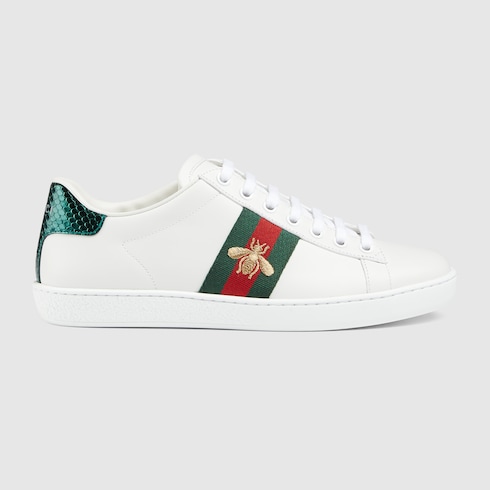
Decoding the Iconography: Bees, Tigers, and Embroidery
A key scientific explanation for the memorability and desirability of these sneakers lies in the use of potent iconography. Semiotics, the study of signs and symbols, helps decode why certain designs resonate. Gucci frequently employs symbols like bees, tigers, and snakes. Historically, the bee has been a symbol of nobility (e.g., the Barberini family) and industriousness. In the context of a women’s Gucci sneaker, it transforms into an emblem of detailed, precious artistry. The tiger, a recurring motif in Michele’s collections, symbolizes power and unconventional beauty. When embroidered onto a sneaker with vibrant threads, it creates a point of fascination and narrative. This approach aligns with theories from cultural studies, such as those by scholar Jean Baudrillard, who discussed objects in consumer society becoming “signs” first and foremost. The sneaker ceases to be just footwear; it becomes a signifier of cultural literacy, an understanding of fashion’s symbolic language. Furthermore, the intricate embroidery itself is a testament to craftsmanship often associated with haute couture, now democratized on a streetwear staple. This fusion elevates the sneaker from casual wear to a conversation piece, allowing the wearer to communicate a nuanced, creative identity without uttering a word.
The Psychology of the Luxury Sneaker: Identity and Affiliation
From a psychological perspective, the choice to wear luxury sneakers like those from Gucci taps into complex drivers of self-expression and social belonging. Abraham Maslow’s hierarchy of needs places esteem and self-actualization at the peak. Women’s Gucci sneakers often serve as tools for fulfilling these higher-level needs. They are a form of “enclothed cognition,” where the clothing one wears can systematically influence psychological processes. Slipping on a pair of meticulously designed Gucci sneakers can impart a sense of confidence, creativity, and alignment with a perceived community of taste-makers. This is amplified by the visibility of these items on platforms like Instagram and in celebrity culture. When a figure like Harry Styles or Dakota Johnson wears a particular style, it is not merely an endorsement but a cultural validation. Sociologist Thorstein Veblen’s concept of “conspicuous consumption” is updated here; it is less about crude display and more about displaying cultural capital—the knowledge of what is currently significant, beautiful, or ironic in fashion. The sneaker becomes a badge of this insider knowledge. Moreover, the versatility of these sneakers—they can be paired with both jeans and a dress—allows for a personal styling narrative that bridges comfort and high fashion, a duality highly valued in modern women’s wardrobes.
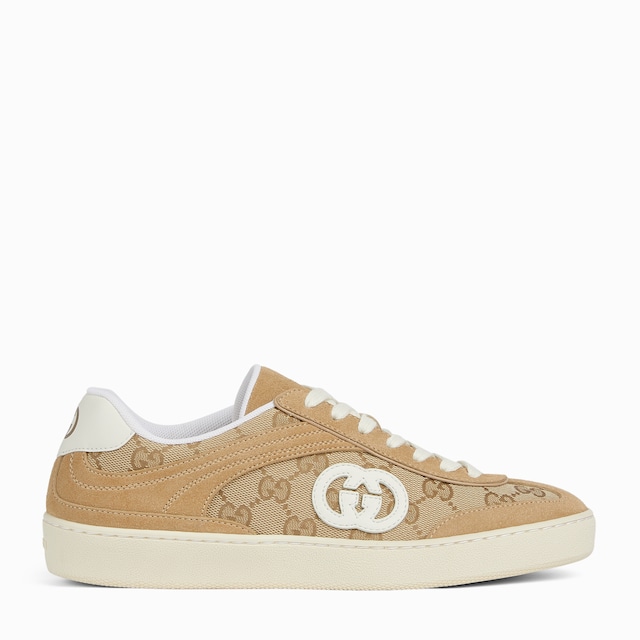
Investment Versus Expense: Analyzing the Value Proposition
A common debate surrounds the price point of luxury items. To frame women’s Gucci sneakers as a mere expense is to overlook their constructed value proposition. From an economic standpoint, these sneakers exhibit characteristics of a Veblen good to some extent, where demand may increase with price due to perceived status. However, a more nuanced view considers cost-per-wear and longevity. A well-constructed sneaker from Gucci, using high-grade leather and skilled construction techniques (often in Italian workshops), is designed for durability beyond that of fast-fashion alternatives. The timelessness of certain designs, like the classic Ace with its minimalist stripe, resists seasonal obsolescence. Fashion economists point to the “wardrobe staple” theory, where a higher initial investment in a versatile, quality item leads to lower long-term spending and less waste. Furthermore, the resale market for iconic Gucci sneakers on platforms like Vestiaire Collective or The RealReal demonstrates retained value, something rarely true for mass-market footwear. This transforms the purchase from a consumption act into a strategic acquisition. It brings professional knowledge of value retention to the user, who is not just buying a shoe but a durable asset for their personal style portfolio.
Styling as a Creative Act: The Versatility in Practice
The true test of any fashion item is its integration into daily life. Women’s Gucci sneakers excel here due to their inherent design complexity, which paradoxically makes them incredibly versatile. They possess what stylists call “styling weight”—enough visual interest to anchor a simple outfit. Consider the Gucci Ace sneaker with a bold embroidery: paired with tailored, neutral-toned trousers and a crisp white shirt, the sneaker becomes the focal point, injecting personality into a professional-leaning silhouette. Conversely, with a floral midi dress, it creates a deliberate tension between feminine romance and urban edge, a styling trick celebrated by fashion editors from Vogue to Harper’s Bazaar. This chameleonic ability is a direct result of the design intelligence behind them. They are never passive; they engage in a dialogue with the rest of the outfit. This empowers the wearer to be a curator of her own image, mixing high and low, vintage and modern. It brings professional styling knowledge to the user’s fingertips, suggesting that creativity in dress is accessible through the strategic use of a single, powerful item. The sneaker acts as a catalyst, encouraging experimentation and personal expression beyond rigid fashion rules.

Beyond the Product: The Cultural Footprint
The influence of Gucci sneakers extends beyond individual wardrobes into broader culture. They appear in music videos, on red carpets (challenging formal footwear norms), and as collectibles. This cultural footprint is meticulously cultivated. As business analyst Erin Schmidt noted on Quora regarding luxury marketing, “Gucci doesn’t sell a product; it sells a universe.” The sneaker is an accessible entry point into this universe—a narrative of self-acceptance, eclectic beauty, and historical reference. Films like “The Grand Budapest Hotel” (with its meticulous, symbolic aesthetics) or books like “The Picture of Dorian Gray” (exploring surface and depth) are not directly about sneakers, but they inhabit a similar space of valuing detail, symbolism, and the power of an object to convey meaning. When a celebrity like musician Billie Eilish, known for her distinctive style, pairs Gucci sneakers with oversized silhouettes, it reinforces the product’s association with avant-garde individuality. This cultural weaving ensures that the sneaker is always relevant, always part of a larger conversation. Owning a pair is, in a sense, participating in that ongoing cultural dialogue.
Ultimately, to choose a pair of women’s Gucci sneakers is to make a deliberate decision about one’s sartorial language. It is an embrace of craftsmanship as a form of modern art, an understanding of fashion as a symbolic system, and an investment in a piece designed for both durability and discourse. They elevate a look not through loud proclamation, but through intelligent design, rich symbolism, and the confident versatility they bestow upon the wearer. In a world of fleeting trends, these sneakers offer a foundation of enduring style, proving that true elevation comes from pieces that carry a story, spark creativity, and walk confidently between worlds.