

The Ultimate Guide to Style and Comfort
Fashion is a dialogue between personal expression and collective evolution, a dance where aesthetics meet the unyielding demand for comfort. For too long, these concepts were presented as opposing forces, a binary choice where one had to sacrifice ease for elegance or vice versa. That era is conclusively over. Today, the most compelling sartorial statements are those that feel as good as they look, forging an inseparable alliance between form and function. This guide is not merely about observing trends; it is a manifesto for a more intelligent, personalized, and holistic approach to dressing. We move beyond superficial style to explore how the very architecture of our clothing—from the biomechanics of a shoe’s sole to the ethical provenance of its materials—can elevate our daily experience. The modern wardrobe is a toolkit for living, and at its foundation lies a critical piece: the evolution of footwear, particularly the transformative role of women’s sneakers 2023.
The Ergonomic Revolution: Where Science Meets the Street
The term “ergonomics” originates from the Greek words ‘ergon’ (work) and ‘nomos’ (laws), fundamentally meaning the laws of work. In apparel, it translates to designing products that optimize human well-being and overall system performance. This is no longer confined to office chairs or factory tools; it is the cornerstone of contemporary fashion design. The driving force is a scientific understanding of human anatomy and movement. Consider the foot: a complex structure of 26 bones, 33 joints, and over 100 muscles, tendons, and ligaments. For decades, mainstream fashion footwear, from stilettos to flat ballet pumps, often ignored this biology, leading to a litany of podiatric issues. The shift began with athletic performance wear but has now permeated everyday style. Brands are leveraging data from kinesiology and podiatry to create designs that support the foot’s natural arch, facilitate a healthy gait cycle, and distribute pressure evenly. This isn’t just about adding a cushioned insole; it’s about re-engineering the last (the foot-shaped form around which a shoe is built), the midsole geometry, and the upper’s tension patterns. The result is footwear that actively contributes to posture, reduces fatigue, and allows for sustained mobility. As Dr. Emily Splichal, a podiatrist and human movement specialist, often notes on her professional platforms, “The foot is our foundation. When we align and support it properly, the benefits cascade up through the entire kinetic chain, affecting the knees, hips, and spine.” The women’s sneakers 2023 collections are the vanguard of this revolution, offering sophisticated styles built upon a foundation of rigorous biomechanical science, proving that looking poised should never come at the cost of physical well-being.
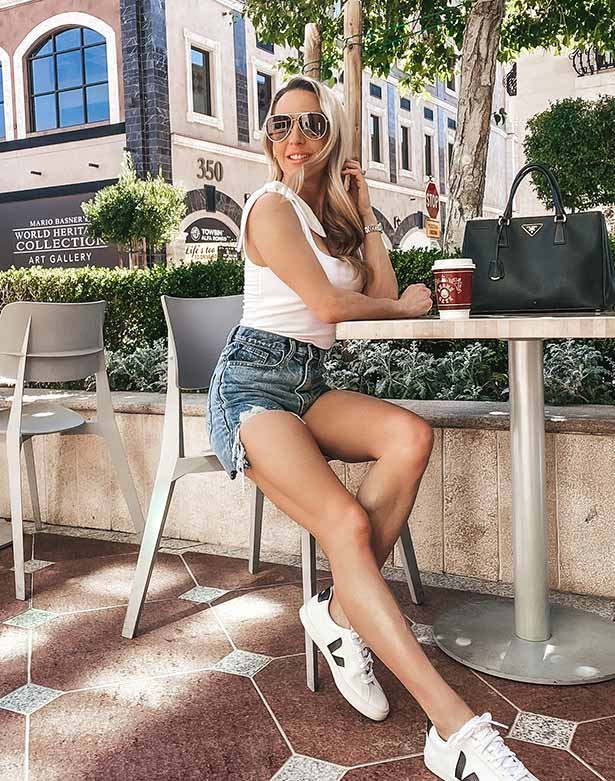
Material Innovation: Beyond Leather and Canvas
If ergonomics is the skeleton of modern footwear, advanced materials are its flesh and blood. The quest for comfort has catalyzed a material science renaissance, moving far beyond traditional leather and canvas. Today’s options are engineered for specific performance characteristics: breathability, moisture-wicking, temperature regulation, lightweight durability, and adaptive flexibility. Technologies like Nike’s Flyknit or Adidas’s Primeknit use precisely engineered yarns and digital knitting to create a single-piece upper that hugs the foot like a sock, providing targeted support and breathability without seams. Memory foam, once exclusive to mattresses, is now commonplace in footbeds, molding to the wearer’s unique contours for personalized cushioning. Perhaps the most significant frontier is in sustainable innovation. The environmental impact of the fashion industry, responsible for an estimated 10% of global carbon emissions according to the United Nations Environment Programme, has spurred a wave of material alternatives. Piñatex, made from pineapple leaf fibers; Mylo, a leather alternative derived from mycelium (mushroom roots); and recycled plastics transformed into polyester yarn are moving from niche to mainstream. These materials are not just ecological statements; they often offer superior technical benefits. For instance, many plant-based materials are naturally more breathable and lighter. The selection of materials in women’s sneakers 2023 is a direct reflection of values—whether prioritizing ultra-lightweight performance, vegan principles, or circular economy participation. This shift is powerfully summarized by Stella McCartney, a pioneer in sustainable luxury, who stated in an interview with Vogue: “The future of fashion is in material innovation. It’s about creating beautiful, desirable items that don’t compromise the planet or the people on it.” Choosing a sneaker now involves understanding its material narrative, a story of technological prowess and environmental consciousness woven into every thread.

The Aesthetic Synthesis: Blurring Genre Boundaries
The triumph of comfort has liberated aesthetics. The rigid codes that dictated “sneakers are for the gym” and “dress shoes are for the office” have dissolved. This cultural shift, often termed “the casualization of fashion,” is more accurately a sophisticated synthesis. The defining aesthetic of today is hybridity. We see this in the sleek, minimalist “court” sneaker that pairs effortlessly with tailored trousers and a blazer, or the chunky, retro “dad” shoe that adds grounded volume to a flowing dress. This trend is not an accident but a reflection of a multifaceted lifestyle. As work-from-home culture persists and social engagements span from casual brunches to gallery openings, versatility is paramount. The modern woman’s shoe must transition seamlessly across contexts. The women’s sneakers 2023 market excels in this, offering designs that carry the visual language of formalwear—clean lines, premium material finishes, metallic accents—while retaining the comfort DNA of athletic wear. This blurring of boundaries is celebrated in popular culture. In the film I Feel Pretty, the protagonist’s journey to self-confidence is notably not punctuated by painful stilettos but by the empowering wearability of fashionable sneakers. Fashion influencers on YouTube and Instagram consistently demonstrate this synthesis, showcasing how a single pair of well-chosen sneakers can anchor a dozen different outfits, from weekend jeans to smart-casual workwear. The message is clear: style is no longer about adhering to external rules of formality, but about curating a personal uniform that expresses individuality without compromise, with the right pair of sneakers serving as the versatile cornerstone.
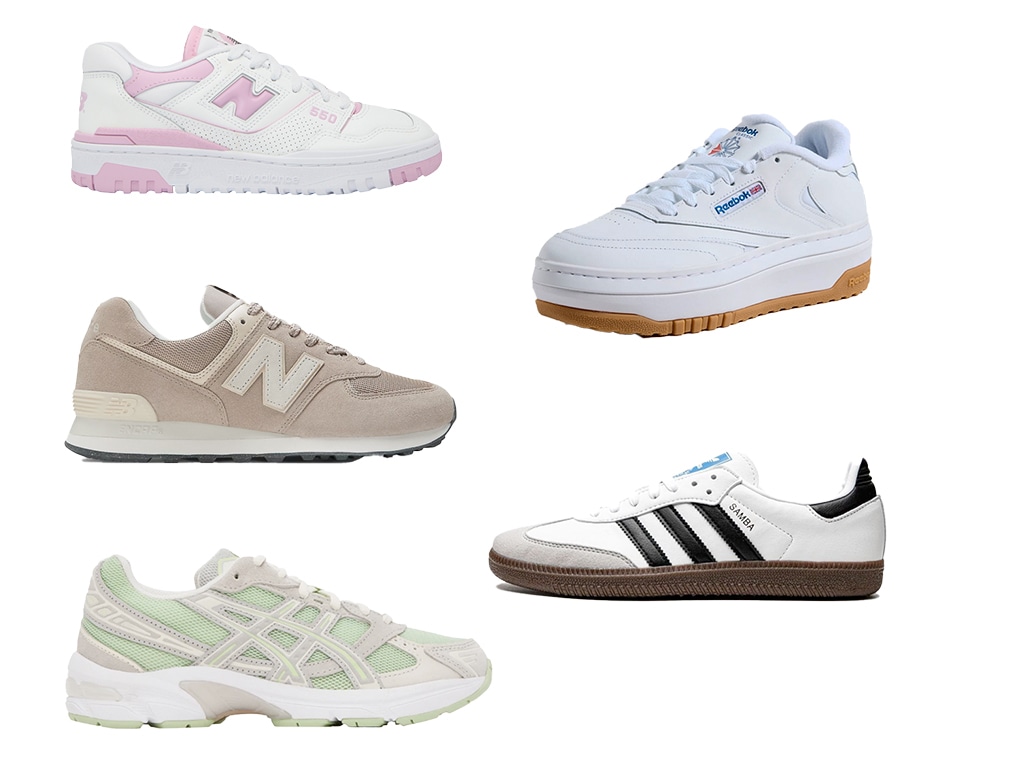
Strategic Investment: Cost-Per-Wear and Timeless Design
In an era of conscious consumption, the value proposition of clothing is being radically redefined. The fast-fashion model of buying cheap, trendy items that last a season is being challenged by the philosophy of “buy less, buy better.” This is where the concept of Cost-Per-Wear (CPW) becomes a crucial, rational lens for building a wardrobe. CPW is calculated by dividing the price of an item by the number of times you wear it. A $300 pair of excellently crafted sneakers worn 150 times a year has a CPW of $2, while a $50 pair that falls apart or goes out of style after 10 wears has a CPW of $5. The smarter investment is unequivocal. The latest women’s sneakers 2023 are designed with this longevity in mind, focusing on timeless color palettes (think classic white, black, navy, or earth tones), durable construction, and versatile silhouettes that resist fleeting trends. This approach aligns with the “capsule wardrobe” philosophy advocated by style experts like Anuschka Rees, author of The Curated Closet, who emphasizes building a small collection of interchangeable, high-quality items. Furthermore, many premium brands now offer robust repair and refurbishment services, extending a product’s life cycle. Investing in such a pair is not an extravagance but a strategic decision for long-term style and economy. It brings professional-grade knowledge to the user: understanding stitch quality, sole composition, and brand heritage allows for informed purchases that save money over time. The initial price tag may be higher, but the dividend paid in daily comfort, enduring style, and reduced environmental footprint is immense.
Personalization: The Final Frontier of Fit
The ultimate expression of style meeting comfort is personalization. We are entering an era where one-size-fits-all is an obsolete concept, thanks to advancements in scanning technology and modular design. Brands are exploring made-to-order models where customers can input their precise foot measurements via a smartphone app to receive sneakers built on a custom last. Others offer modular components—interchangeable insoles with varying arch supports, removable ankle collars for different levels of hug, or even lace systems that adjust tension in specific zones. This hyper-personalization ensures that the shoe doesn’t just fit in a general sense, but actively corrects for, or accommodates, individual biomechanics. It’s the sartorial equivalent of a tailored suit. This trend is supported by consumer demand, as noted in market research from institutions like the Fashion Institute of Technology, which highlights “product individuality” as a key driver for millennial and Gen Z shoppers. For the consumer, this means the power to collaborate in the creation of their perfect shoe, achieving a level of comfort and proprietary fit that mass-produced items can never replicate. It turns footwear from a commodity into a crafted tool for personal expression and physical well-being.
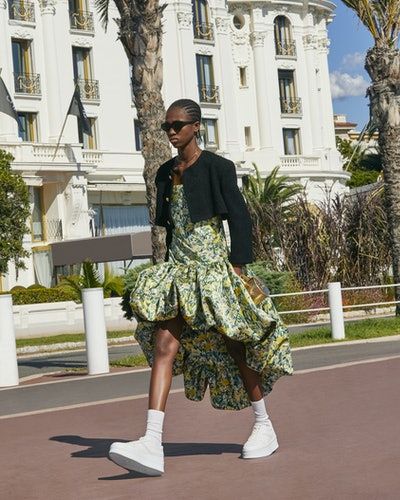
The journey through style and comfort reveals a landscape where intelligence is the new luxury. It is a landscape defined by ergonomic design that honors the human body, material science that protects our planet, aesthetic hybridity that reflects complex lives, strategic investment that values longevity, and personalized fit that celebrates individuality. The humble sneaker, particularly the paradigm embodied by women’s sneakers 2023, sits at the intersection of all these principles. It is more than a shoe; it is a testament to a modern philosophy where we refuse to choose between feeling good and looking good. The ultimate style is self-possession, and that begins with what you put on your feet—a foundation of confidence, built for motion, designed for life.
