

Discover the Best Podiatrist Recommended Walking Shoes for All-Day Comfort
Your feet are the foundation of your movement, and the shoes you choose can either support or sabotage your daily comfort and long-term health. For anyone who spends significant time on their feet—whether navigating city streets, exploring nature trails, or managing the demands of a busy workday—the quest for the perfect walking shoe is paramount. This isn’t merely about fashion or fleeting trends; it’s about biomechanical alignment, pressure distribution, and injury prevention. The guidance of podiatrists, medical professionals specializing in foot, ankle, and lower extremity disorders, becomes an invaluable resource. Their recommendations are grounded in clinical observation and scientific principles, steering us away from marketing hype and toward footwear that genuinely promotes well-being. This article delves into the core attributes that define podiatrist recommended walking shoes, providing a detailed, evidence-based guide to help you make an informed choice for unparalleled all-day comfort.
The Science of Support: Why Podiatrist Endorsement Matters
To understand the value of a podiatrist’s recommendation, one must first appreciate the complex engineering of the human foot. Comprising 26 bones, 33 joints, and over 100 muscles, tendons, and ligaments, the foot is a marvel of natural architecture designed for both stability and propulsion. When this system is compromised by improper footwear, the consequences ripple upward, affecting ankles, knees, hips, and even the lower back. Podiatrists, like Dr. Jacqueline Sutera, a New York-based doctor of podiatric medicine, frequently emphasize that many common ailments—from plantar fasciitis to bunions and metatarsalgia—are exacerbated or even caused by shoes that fail to provide adequate support. A study published in the Journal of Foot and Ankle Research underscores that footwear with appropriate arch support and cushioning can significantly reduce peak plantar pressures, a key factor in preventing ulceration in at-risk patients and enhancing comfort for all. Therefore, podiatrist recommended walking shoes are not a vague category but are built upon specific, measurable criteria: optimal arch support to maintain the foot’s natural contour, a firm heel counter to control rearfoot motion, ample toe box space to allow natural splay, and strategic cushioning to absorb the repetitive impact forces of walking, which can equal 1.5 times your body weight with each step. This scientific foundation transforms a simple shoe into a therapeutic device.

Decoding the Anatomy of an Ideal Walking Shoe
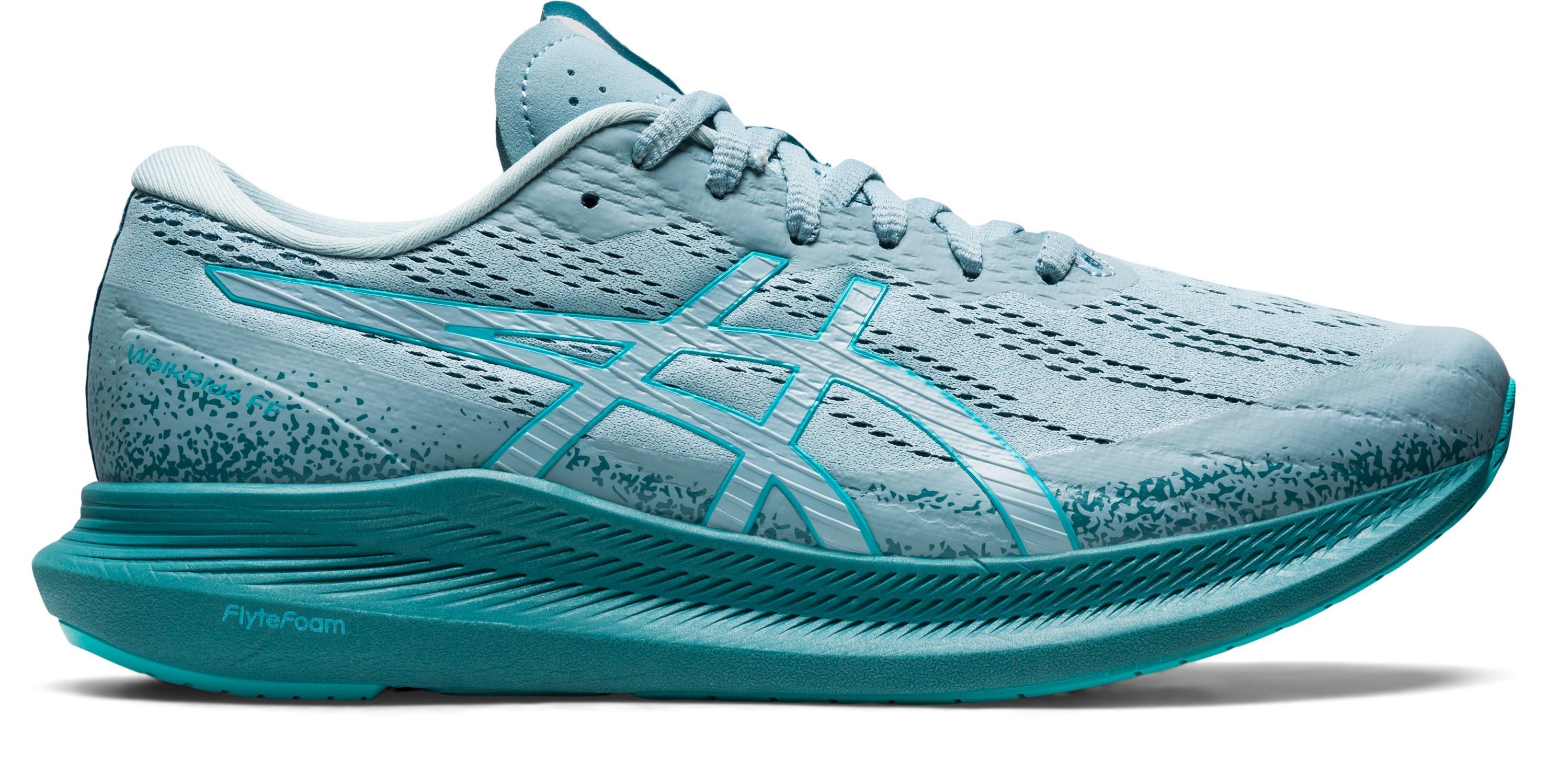
Let’s dissect the components that collectively earn a shoe the esteemed label of being podiatrist recommended. First, consider the midsole. This is the heart of the shoe’s cushioning and stability, often made from advanced materials like EVA (ethylene-vinyl acetate) foam, polyurethane, or proprietary compounds like Brooks’ DNA LOFT or ASICS’ GEL technology. The midsole must offer a balance: soft enough to attenuate shock, yet resilient enough to provide energy return and prevent the foot from collapsing inward (overpronation) or rolling outward (supination). Next, the insole or footbed. While many stock insoles are adequate, podiatrists often recommend removable ones to accommodate custom orthotics, which are medical devices prescribed to correct specific biomechanical issues. The heel counter, the rigid material cupping the back of the heel, must be sturdy to lock the heel in place, preventing slippage and providing essential stability during the heel-strike phase of gait. Finally, the upper and toe box. Materials should be breathable and flexible, but the structure must hold the foot securely. A spacious, foot-shaped toe box is non-negotiable. As noted on authoritative health platforms like WebMD and insights from podiatrists on Quora, cramping toes into a narrow space can lead to neuromas, hammertoes, and aggravated bunions. A true podiatrist recommended walking shoe respects the foot’s natural anatomy in every dimension.
Beyond the Brand: Evidence-Based Features Over Hype
In an era of influencer marketing and sleek advertisements, it’s crucial to look beyond brand logos and focus on empirically validated features. Podiatrists base their recommendations on observed patient outcomes and biomechanical research. For instance, rocker soles—a design where the sole is curved upward at the toe—are frequently recommended for individuals with arthritis or plantar fasciitis. This design, supported by literature from institutions like the University of Pittsburgh Medical Center, reduces the work of the Achilles tendon and plantar fascia by facilitating a smoother roll-through from heel to toe. Another key feature is the shoe’s “drop” or offset—the height difference between the heel and forefoot. A moderate drop (typically 6-10mm) is often suggested for traditional walkers, as it can reduce strain on the calf and Achilles. However, some podiatrists, reflecting a diversity of clinical opinion, might recommend a lower drop for certain individuals to promote a more natural foot strike. The point is that the recommendation is feature-specific, not brand-loyal. A podiatrist recommended walking shoe from Brand A and another from Brand B will share these core functional attributes, even if their aesthetics differ. This objective approach ensures the selection is tailored to biomechanical need rather than subjective trend.
Curated for Comfort: Top Podiatrist-Approved Categories and Models
While individual needs vary, several shoe models consistently receive praise from podiatric professionals for their blend of support, cushioning, and durability. It’s important to view this not as a definitive ranking, but as a showcase of designs that exemplify the principles discussed. Stability-focused shoes, such as the Brooks Adrenaline GTS series, are often highlighted for their GuideRails support system, which focuses on keeping knees in alignment rather than just propping up the arch—a concept lauded by many sports medicine experts. For maximum cushioning, HOKA’s Bondi or Clifton lines are frequently mentioned; their meta-rocker geometry and profuse midsole foam are cited in podiatrist discussions on platforms like YouTube for providing relief to patients with painful conditions. Meanwhile, brands like New Balance receive consistent commendation for offering a wide range of widths, a simple yet critical feature for proper fit that many mainstream brands neglect. The common thread among all these podiatrist recommended walking shoes is a commitment to addressing real-world biomechanical challenges through thoughtful design and proven technology.
:max_bytes(150000):strip_icc()/shp-best-brooks-walking-shoes-tout-f67df3ab5afa4c08a24a63ae6dca3444.jpg)
Investing in Your Foundation: The Long-Term Value Proposition
Some may hesitate at the price point of high-quality, professionally recommended footwear. However, this perspective shifts when viewed as a long-term investment in health, not a short-term apparel purchase. Consider the economic and personal cost of treating a foot condition: specialist co-pays, physical therapy sessions, custom orthotics, and potential lost productivity due to pain. A pair of well-constructed podiatrist recommended walking shoes, typically ranging from $120 to $160, acts as preventive medicine. Furthermore, the durability of these shoes often exceeds that of cheaper alternatives. Their midsoles are engineered to retain cushioning properties over more miles, and their outsoles use higher-grade rubber for better wear. To make this investment more accessible, savvy shoppers can look for previous model-year versions, which often see significant discounts when new iterations are released. Many reputable retailers also offer loyalty programs, seasonal sales, and discounts for healthcare professionals or seniors. The goal is to bring this essential professional knowledge and accessible pricing together, ensuring that the barrier to entry for life-changing comfort is as low as possible. Protecting your feet is not a luxury; it’s a fundamental aspect of maintaining an active, pain-free lifestyle.
:max_bytes(150000):strip_icc()/tal-roundup-podiatrist-loved-shoes-on-sale-tout-bdbf5721fa5642efa38b61f6a5b4ff34.jpg)
Your Path Forward: Making an Informed Choice
The journey to finding your ideal walking shoe culminates in a personalized fitting and trial. Armed with the knowledge of what makes a shoe worthy of a podiatrist’s nod—rigorous heel counters, supportive midsoles, spacious toe boxes, and evidence-based features—you become an empowered consumer. If possible, seek out specialty running or walking stores with trained staff who can analyze your gait. Remember that your needs may evolve; a shoe perfect for you today might need reassessment in a year or after 500 miles of wear. The ultimate takeaway is that all-day comfort is not a happy accident. It is the direct result of intentional design informed by medical science and clinical experience. By choosing podiatrist recommended walking shoes, you are not just buying footwear; you are actively participating in the preservation of your mobility and the enhancement of your daily life, one supported, comfortable step at a time.
