

Podiatrist-Approved Walking Shoes for All-Day Support
Your feet are the foundation of your movement, carrying you through thousands of steps each day. Yet, the shoes you choose can either be a source of relentless support or a catalyst for chronic discomfort. The quest for the perfect walking shoe isn’t about fleeting fashion trends; it’s a fundamental investment in your long-term musculoskeletal health. This is where the guidance of podiatry—the medical specialty devoted to the study, diagnosis, and treatment of disorders of the foot, ankle, and lower extremity—becomes invaluable. A podiatrist recommended walking shoe is engineered not just for comfort, but with scientific principles that address biomechanics, pressure distribution, and structural alignment. This article delves into the anatomy of such footwear, presenting objective evidence and professional insights to guide your choice, ensuring every step you take is supported, stable, and sustainable.
The Science of Stride: Why Biomechanics Dictate Your Shoe Choice
Walking is a complex, coordinated series of movements involving bones, muscles, ligaments, and tendons. When any part of this kinetic chain is misaligned or unsupported, the effects ripple upward, potentially causing issues in the ankles, knees, hips, and even the lower back. Podiatrists analyze gait cycles—the sequence from heel strike to toe-off—to identify irregularities like overpronation (excessive inward roll of the foot) or supination (insufficient inward roll). A podiatrist recommended walking shoe is designed to correct or accommodate these patterns. For instance, motion control shoes with firm medial posts are prescribed for severe overpronators, while neutral-cushioned shoes with high flexibility suit those with a efficient gait. Research from institutions like the University of Pittsburgh’s Department of Orthopedic Surgery emphasizes that proper footwear can reduce peak plantar pressures, a key factor in preventing conditions like plantar fasciitis. The objective is clear: shoes are not passive coverings but active therapeutic devices. By understanding your unique biomechanical blueprint, you can select footwear that works in harmony with your body’s mechanics, transforming a daily necessity into a pillar of preventive health.
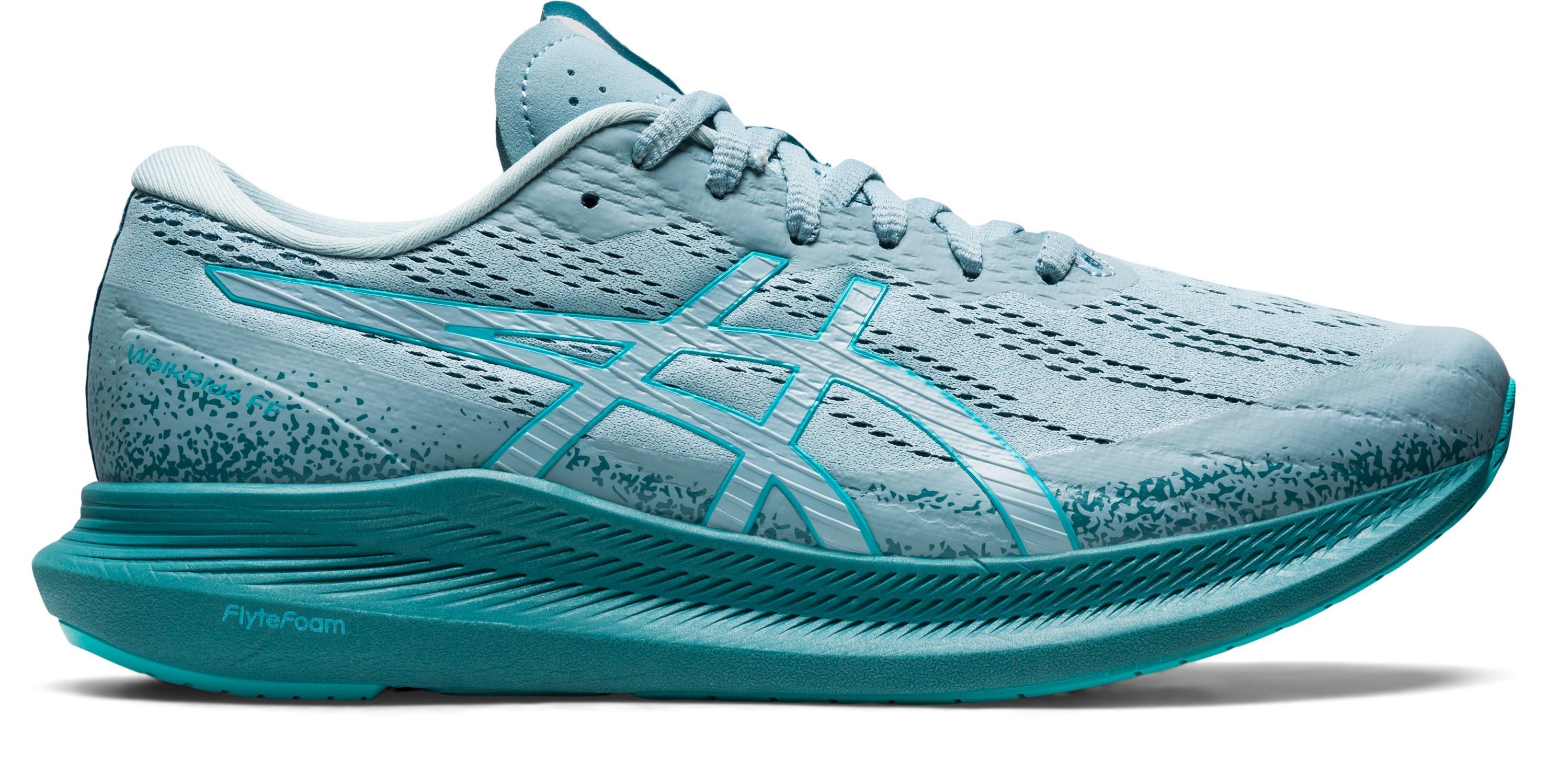
Deconstructing Support: Key Features of Podiatrist-Approved Footwear
What specific elements transform an ordinary sneaker into a podiatrist recommended walking shoe? The distinction lies in a constellation of engineered features, each serving a distinct physiological purpose. First, consider the heel counter: the firm cup at the back of the shoe. A robust, well-padded heel counter stabilizes the calcaneus (heel bone), preventing excessive movement that can strain the Achilles tendon and plantar fascia. Second, arch support is non-negotiable. Contrary to popular belief, “support” does not mean a rigid, high arch. As noted on authoritative health platforms like WebMD, effective arch support conforms to the individual’s arch height—low, medium, or high—to maintain the foot’s natural longitudinal arch, distributing weight evenly and reducing stress on the plantar fascia ligament. Third, the midsole material is critical. Technologies like EVA (ethylene-vinyl acetate) foam, polyurethane, or proprietary gels like ASICS’ GEL cushioning absorb shock upon heel strike, dissipating forces that would otherwise travel up the skeleton. Finally, the toe box must provide adequate width and depth to allow toes to splay naturally during push-off, preventing neuromas and bunions. A study cited in the Journal of Foot and Ankle Research underscores that footwear with a sufficiently wide toe box can significantly reduce forefoot pain. These features, working in concert, create a microenvironment for your feet that prioritizes physiological function over aesthetic form.
Beyond the Brand: Evidence-Based Endorsements and Professional Perspectives
In an era of influencer marketing, discerning genuine medical endorsement from paid promotion is crucial. The value of a podiatrist recommended walking shoe is often validated by clinical observation and peer-reviewed literature rather than celebrity tweets. For example, Dr. Jacqueline Sutera, a prominent New York City podiatrist and spokesperson for the American Podiatric Medical Association (APMA), frequently highlights the importance of shoes with a slight rocker sole design for patients with arthritis, as it facilitates a smoother roll-through motion, reducing joint pain. This perspective is echoed in patient education materials from the Mayo Clinic. Furthermore, brands that have earned the APMA’s Seal of Acceptance have submitted their products for review by a committee of podiatrists, ensuring they promote good foot health. This seal is a tangible, evidence-based marker of credibility. On platforms like Quora and specialized running forums, discussions among healthcare professionals often converge on brands like Brooks, New Balance, and HOKA ONE ONE for their consistent focus on biomechanical research. As one podiatrist contributor noted, “The best shoe is the one that fits your foot and corrects your gait flaw, not necessarily the most expensive one on the shelf.” This professional consensus shifts the focus from hype to biomechanical harmony.

The Long Walk: From Daily Errands to Travel Adventures
Whether you’re navigating city streets, airport terminals, or museum halls, the demand on your feet during prolonged standing and walking is immense. The right footwear is your primary defense against fatigue and injury. Consider the traveler who averages 20,000 steps a day sightseeing, or the healthcare professional on a 12-hour shift. For these scenarios, the criteria for a podiatrist recommended walking shoe expand to include exceptional long-wear comfort and durability. Features like memory foam or anatomical footbeds that mold to the foot’s contours over time, breathable uppers to manage moisture and temperature, and outsoles with high-abrasion rubber for traction become paramount. Literature from the Yale School of Medicine’s occupational health guidelines for professions requiring prolonged standing recommends shoes with total-contact insoles and a heel height of approximately 1.5 inches to optimally reduce lumbar spine load. The narrative here is one of endurance. Your shoes should feel as supportive at the end of a marathon day as they did at the beginning, preventing the all-too-common collapse of the arch support that leads to plantar fascia strain. It’s about choosing a partner for the long haul, where every material and design choice is intentional.
Investing in Your Foundation: The True Cost of Foot Health
It’s a common hesitation: “Podiatrist-approved shoes seem expensive.” However, this perspective shifts when viewed through the lens of investment versus cost. A quality pair of podiatrist recommended walking shoes, often ranging from $120 to $160, is engineered with advanced materials and rigorous research. Compare this to the potential financial and personal cost of treating a foot condition. The American Podiatric Medical Association notes that treatment for plantar fasciitis can involve physical therapy, orthotics, night splints, and even surgery, with costs soaring into the thousands. Beyond finances, consider the cost of pain, reduced mobility, and diminished quality of life. Furthermore, the market offers avenues for value. Many reputable brands have older models—which retain their core biomechanical technologies—available at significant discounts when new versions are released. Outlet stores, seasonal sales, and certified online retailers frequently offer these proven models at 20-40% off. The key is to prioritize the essential features (arch support, heel counter, fit) over superficial updates. As the adage goes, “You either pay for good shoes now, or you pay the doctor later.” This investment is a proactive, prudent step in safeguarding your most fundamental means of mobility.
:max_bytes(150000):strip_icc()/tal-roundup-podiatrist-loved-shoes-on-sale-tout-bdbf5721fa5642efa38b61f6a5b4ff34.jpg)
Your journey toward pain-free, supported walking begins with a single, informed step. The pursuit of podiatrist recommended walking shoes is not an indulgence but a necessity, grounded in the science of human movement and validated by medical expertise. By prioritizing biomechanical support, seeking evidence-based endorsements, and viewing your purchase as a long-term health investment, you empower yourself to move through life with resilience and comfort. Let your shoes be the silent, steadfast guardians of your every adventure, from the daily commute to the paths less traveled.
:max_bytes(150000):strip_icc()/shp-best-brooks-walking-shoes-tout-f67df3ab5afa4c08a24a63ae6dca3444.jpg)
