

Discover the Top Podiatrist Recommended Walking Shoes for Ultimate Comfort and Support
For anyone who spends a significant portion of their day on their feet, whether navigating city streets, exploring nature trails, or simply managing daily errands, the quest for the perfect walking shoe is more than a matter of style—it’s a fundamental investment in physical well-being. The wrong footwear can lead to a cascade of discomfort, from blisters and calluses to more serious issues like plantar fasciitis, knee pain, and back problems. This is where the guidance of foot health specialists becomes invaluable. Podiatrist recommended walking shoes are not merely a marketing term; they represent a category of footwear engineered with specific biomechanical principles in mind, designed to provide the ultimate trifecta of comfort, support, and injury prevention. This article delves into the science behind these recommendations, explores the key features that define top-tier walking shoes, and presents a curated selection of models that consistently earn praise from foot care professionals, blending authoritative insights with practical advice for the everyday walker.
The Science of Support: Why Podiatrist Recommendations Matter
To understand the critical importance of podiatrist recommended walking shoes, one must first appreciate the complex biomechanics of the human foot. With 26 bones, 33 joints, and over 100 muscles, tendons, and ligaments, the foot is a marvel of engineering that absorbs and distributes forces exceeding body weight with every step. Podiatrists, as doctors of podiatric medicine (DPM), specialize in diagnosing and treating conditions of the foot, ankle, and related structures of the leg. Their recommendations are grounded in a deep understanding of gait analysis, pressure distribution, and structural alignment. For instance, a common issue many face is overpronation—the excessive inward rolling of the foot upon landing. As noted in literature from the American Podiatric Medical Association (APMA), unchecked overpronation can lead to plantar fasciitis, shin splints, and even contribute to hip and lower back pain. A podiatrist recommended walking shoe will often feature strategic arch support and motion control technology to correct this. Conversely, for those with high arches (supination), cushioning becomes paramount to absorb shock that isn’t naturally dissipated. The APMA’s Seal of Acceptance program rigorously evaluates footwear for these very qualities, providing a trusted benchmark. Therefore, choosing a shoe endorsed by this standard is not following a trend; it is applying peer-reviewed, clinical science to protect one of the body’s most foundational structures.

Architectural Pillars: Deconstructing the Ideal Walking Shoe
What specific elements transform a good shoe into a great, podiatrist-approved one? The architecture can be broken down into several non-negotiable pillars. First is the midsole, typically crafted from advanced materials like EVA (ethylene-vinyl acetate) foam, polyurethane, or proprietary compounds like Brooks’ DNA LOFT or ASICS’ GEL. This layer is the primary shock absorber. Research from biomechanics labs at institutions like the University of Calgary emphasizes the midsole’s role in attenuating ground reaction forces, which can reach 1.5 times body weight during walking. Second is the heel counter, the firm cup that wraps around the back of the heel. A sturdy, well-padded heel counter stabilizes the rearfoot, preventing excessive movement that can strain the Achilles tendon. Third is the toe box. As highlighted by Dr. Jacqueline Sutera, a New York City-based podiatrist frequently cited in publications like Travel + Leisure, a spacious, foot-shaped toe box allows toes to splay naturally upon foot strike, enhancing stability and preventing issues like bunions and hammertoes. Finally, the outsole and its tread pattern must offer durable traction and flexibility at the forefoot to facilitate the natural “roll-through” motion of a healthy gait. When these elements harmonize, they create a stable platform that respects the foot’s natural mechanics, a hallmark of truly podiatrist recommended walking shoes.
Beyond the Brand: Features That Forge Comfort
While brand reputation is a factor, the devil—and the delight—is in the technical details. Let’s explore the features that consistently appear in podiatrist-lauded models. Removable insoles are a critical feature, not just for hygiene, but for customization. They allow individuals to replace the stock insole with custom orthotics prescribed by their podiatrist, ensuring medical-grade support within a supportive shoe shell. Seamless interiors or plush interior linings drastically reduce friction, the primary cause of blisters. This is especially crucial for individuals with diabetes or sensitive skin, where a minor blister can lead to serious complications. Rockered soles have gained significant attention. This technology, where the sole is subtly curved upward at the toe and heel, promotes a smoother gait cycle by reducing the effort required to propel the foot forward. A study published in the Journal of Foot and Ankle Research found rocker-soled shoes can significantly reduce pressure on the forefoot, offering relief for those with metatarsalgia. Furthermore, breathable uppers made from engineered mesh keep feet cool and dry, preventing the maceration and fungal growth that thrive in damp environments. It is this meticulous attention to detail, addressing both macro-level support and micro-level comfort, that defines the best-in-class podiatrist recommended walking shoes and justifies their often slightly higher price point as a long-term health investment.
:max_bytes(150000):strip_icc()/tal-roundup-podiatrist-loved-shoes-on-sale-tout-bdbf5721fa5642efa38b61f6a5b4ff34.jpg)
A Curated Selection: Models That Earn Professional Praise
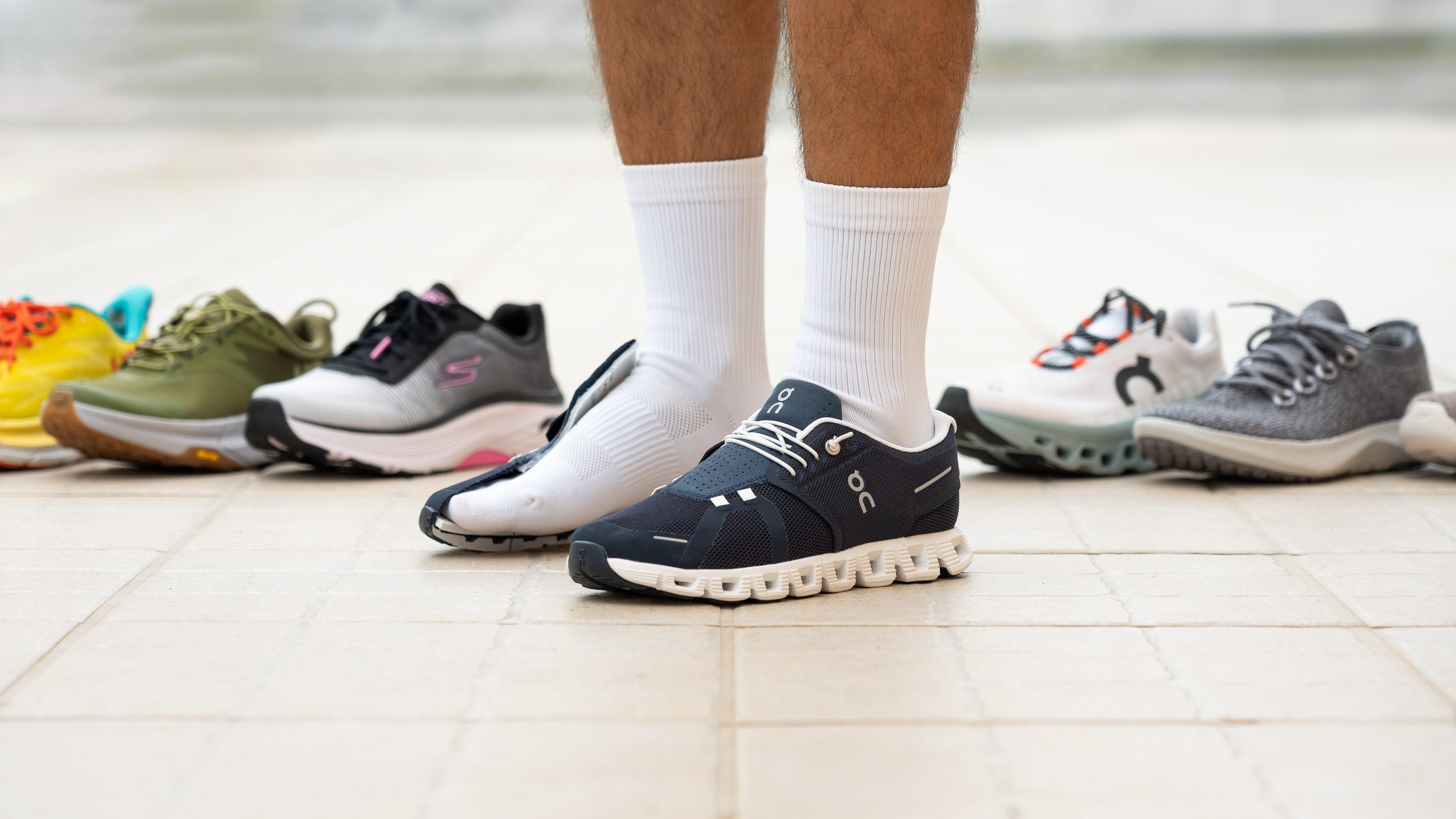
Navigating the sea of athletic footwear can be daunting. To cut through the noise, we focus on models that repeatedly surface in podiatrist interviews, professional roundups, and carry endorsements from authoritative bodies like the APMA. It’s important to remember that the “best” shoe is highly individual, but these models serve as excellent starting points due to their exemplary design philosophies. For instance, the Brooks Addiction Walker is frequently cited as a gold standard for stability and motion control, featuring an extended progressive diagonal rollbar that guides the foot into a neutral position. Similarly, the New Balance 928 is a classic, built with a leather upper for structured support and ample cushioning for long days. For those seeking maximum cushioning, the HOKA Bondi series, with its meta-rocker geometry and supremely thick midsole, is a favorite among podiatrists for patients requiring exceptional shock absorption, a sentiment echoed by countless professional reviews on platforms like YouTube. On the other end of the spectrum, the ASICS Gel-Kayano series, renowned for its dynamic duo of GEL cushioning and Guidance Line technology, offers a blend of soft landings and efficient transitions. These are not mere consumer products; they are tools for wellness, embodying the principles that make podiatrist recommended walking shoes a cornerstone of proactive foot care.
Investing in Your Stride: The Long-Term Value Proposition
Some may hesitate at the price tag of premium walking shoes, often ranging from $120 to $180. However, this perspective shifts when viewed through the lens of cost-per-wear and, more importantly, cost-per-avoided-injury. Consider the financial and personal cost of treating plantar fasciitis: physical therapy sessions, orthotics, night splints, and potential lost work time. A single pair of properly fitted, supportive shoes is a fraction of that expense. As the famous runner and author Dr. Mark Cucuzzella (a physician and professor at West Virginia University) often states, “Your shoes are your foundation. You wouldn’t build a house on a cracked slab.” This analogy perfectly captures the preventative role of quality footwear. Furthermore, the durability of these shoes is generally superior. High-quality rubber outsoles and robust construction mean they maintain their supportive properties longer than cheaply made alternatives, which break down quickly and silently, offering diminishing protection. Many reputable brands also offer generous return policies or trial periods, allowing you to truly test the fit. Investing in your stride is an investment in your mobility, independence, and overall quality of life, making the search for the right podiatrist recommended walking shoes one of the most practical health decisions you can make.
Making the Smart Choice: Where to Find Value
Armed with knowledge of what to look for, the next step is acquiring these shoes without overspending. While specialty running stores offer invaluable fitting services, excellent deals can be found online. The key is to shop for previous models. When a brand releases the “Kayano 30,” retailers deeply discount the still-excellent “Kayano 29.” Websites of major manufacturers (ASICS, New Balance, Brooks, etc.), as well as large online retailers, frequently have “last season’s” colors and models at 30-50% off. Signing up for newsletters can yield additional subscriber discounts. Another pro-tip is to consider slightly less “hyped” models from the same brand that incorporate similar technologies. For example, while the flagship stability shoe gets the marketing buzz, its sibling model often shares the core support chassis with a different upper at a lower price point. Remember, the goal is to secure the engineering, not the latest colorway. By being a savvy shopper—prioritizing model generation over novelty and leveraging sales cycles—you can bring professional-grade podiatric knowledge and significantly discounted prices into your closet, ensuring your feet are supported without straining your budget.
:max_bytes(150000):strip_icc()/favorite-walking-shoes-round-up-november-2024-458c3fc0c6844adca7c0a34ebc5cfb9b.jpg)
Your journey toward pain-free, energized walking begins from the ground up. The distinction offered by podiatrist recommended walking shoes is rooted in clinical evidence, biomechanical research, and a profound understanding of the foot’s intricate needs. They are not a luxury but a essential component of musculoskeletal health, acting as a daily interface between your body and the world. By prioritizing features like structured support, intelligent cushioning, and anatomical design, you actively participate in preserving your mobility and comfort. Let the insights of foot care specialists guide you toward models that have proven their worth, and use smart shopping strategies to make this vital investment accessible. Ultimately, the right shoe transforms walking from a mundane task into a sustainable, joyful, and fundamentally healthy activity, step after supported step.
