

Discover the Best Podiatrist Recommended Walking Shoes for All-Day Comfort
Your feet are the foundation of your movement, and the shoes you choose can either be a source of relentless support or a catalyst for chronic discomfort. For anyone who spends significant time on their feet—whether navigating city streets, exploring nature trails, or managing the demands of a busy workday—the quest for the perfect walking shoe is paramount. This isn’t merely about fashion or fleeting trends; it’s a physiological necessity. The wrong footwear can lead to a cascade of issues, from plantar fasciitis and bunions to knee and back pain, fundamentally undermining your quality of life. Conversely, the right pair acts as a personal biomechanical support system, promoting natural gait, absorbing impact, and providing stability. This guide is dedicated to uncovering the science and specifications behind truly exceptional walking footwear, moving beyond marketing claims to focus on the objective, podiatrist recommended walking shoes that deliver uncompromising all-day comfort. We will dissect the anatomy of the ideal shoe, explore the critical features endorsed by foot health professionals, and provide you with the knowledge to make an informed investment in your mobility and well-being.
The Foundation of Foot Health: Why Podiatrist Endorsement Matters
To understand the value of a podiatrist recommended walking shoe, one must first appreciate the complex engineering of the human foot. Each foot contains 26 bones, 33 joints, and over 100 muscles, tendons, and ligaments, all working in concert to provide balance, propulsion, and shock absorption. A podiatrist, or Doctor of Podiatric Medicine (DPM), is a specialist trained in the diagnosis, treatment, and prevention of disorders of the foot, ankle, and related structures of the leg. Their recommendations are not based on aesthetic preference but on a deep understanding of biomechanics, pathology, and preventative care. When a podiatrist suggests a specific type of shoe or feature, it is grounded in clinical evidence aimed at mitigating common ailments. For instance, the American Podiatric Medical Association (APMA) grants its Seal of Acceptance to products that promote good foot health, a significant credential for any footwear. This endorsement signifies that the shoe’s design has been reviewed by a committee of podiatrists and found to contribute positively to foot function. Therefore, seeking out podiatrist recommended walking shoes is a proactive step in preventative health care. It’s an acknowledgment that footwear is not a passive covering but an active therapeutic device. As noted by Dr. Jacqueline Sutera, a prominent New York City podiatrist, in various media interviews, “Shoes are the foundation of your body. If your foundation is unstable or unsupportive, it can cause problems all the way up your kinetic chain, affecting your ankles, knees, hips, and back.” This holistic view underscores the critical importance of professional guidance in selecting footwear designed for prolonged wear and comfort.
:max_bytes(150000):strip_icc()/podiatrist-recommended-walking-shoes-e1b90077185d4e6cadbf6327c4d17db7.jpg)
Decoding the Anatomy of an Ideal Walking Shoe
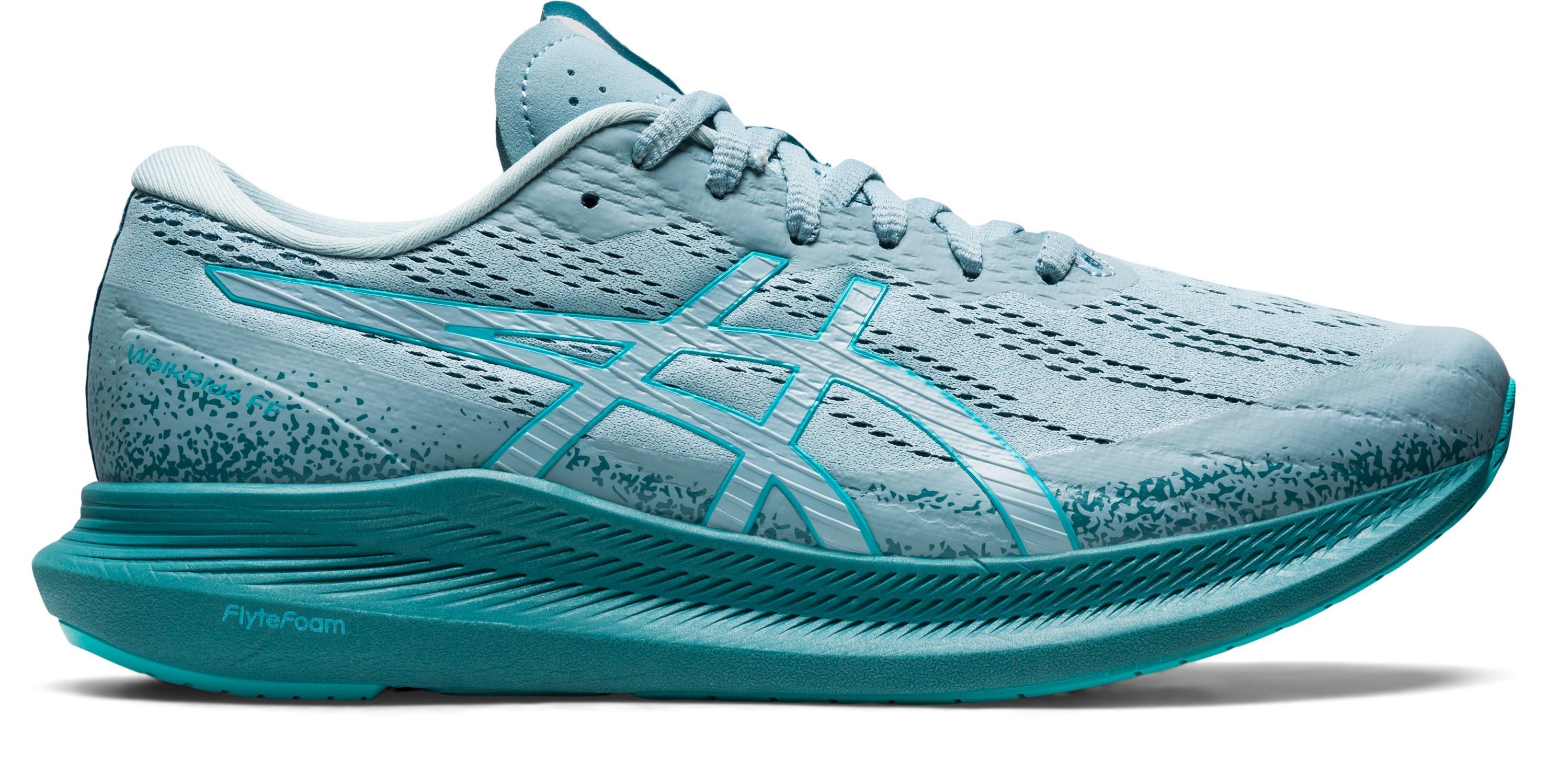
What specific elements transform an ordinary sneaker into a podiatrist recommended walking shoe? The distinction lies in several non-negotiable design features that work synergistically. First and foremost is arch support. The arch of your foot acts as a natural shock absorber. Shoes with inadequate or misaligned arch support can lead to overpronation (rolling inward) or supination (rolling outward), disrupting the natural gait cycle and placing stress on connective tissues. A proper walking shoe will offer contoured, firm arch support that matches the individual’s arch type—neutral, low, or high. Next is heel counter stability. The heel counter is the rigid material that cups the back of the heel. A firm, well-structured heel counter prevents excessive heel movement, provides stability during the heel-strike phase of walking, and is crucial in managing conditions like Achilles tendonitis. Third is ample toe box space. The forefoot needs room to splay naturally upon weight-bearing. A cramped, narrow toe box can compress nerves (leading to neuromas), contribute to hammer toe formation, and aggravate bunions. A shoe with a wide and deep toe box allows toes to move freely, enhancing balance and comfort. Finally, the midsole cushioning and flexibility must be balanced. The midsole, often made from EVA (ethylene-vinyl acetate) or polyurethane, needs to provide sufficient cushioning to attenuate the ground reaction forces with each step—forces that can equal 1.5 times your body weight. However, it must also allow for flexibility at the ball of the foot to facilitate the natural “toe-off” motion. This combination of structured support and adaptive cushioning is the hallmark of footwear designed for health, not just activity.
Material Science and Engineering: Beyond Basic Comfort
The pursuit of all-day comfort extends into the realm of advanced materials and engineering principles. Modern podiatrist recommended walking shoes leverage cutting-edge technology to address physiological needs. Breathable, moisture-wicking uppers made from engineered mesh or knit fabrics are essential. They maintain a dry, temperature-regulated environment inside the shoe, reducing the risk of fungal infections and blister-causing friction. The importance of moisture management is well-documented in sports medicine literature, highlighting its role in skin integrity and comfort during prolonged wear. Furthermore, the outsole composition is critical for traction and durability. Carbon rubber or blown rubber outsoles with multi-directional lugs or wave patterns provide reliable grip on various surfaces, preventing slips and falls—a key safety consideration for all walkers. Another scientific consideration is the shoe’s weight
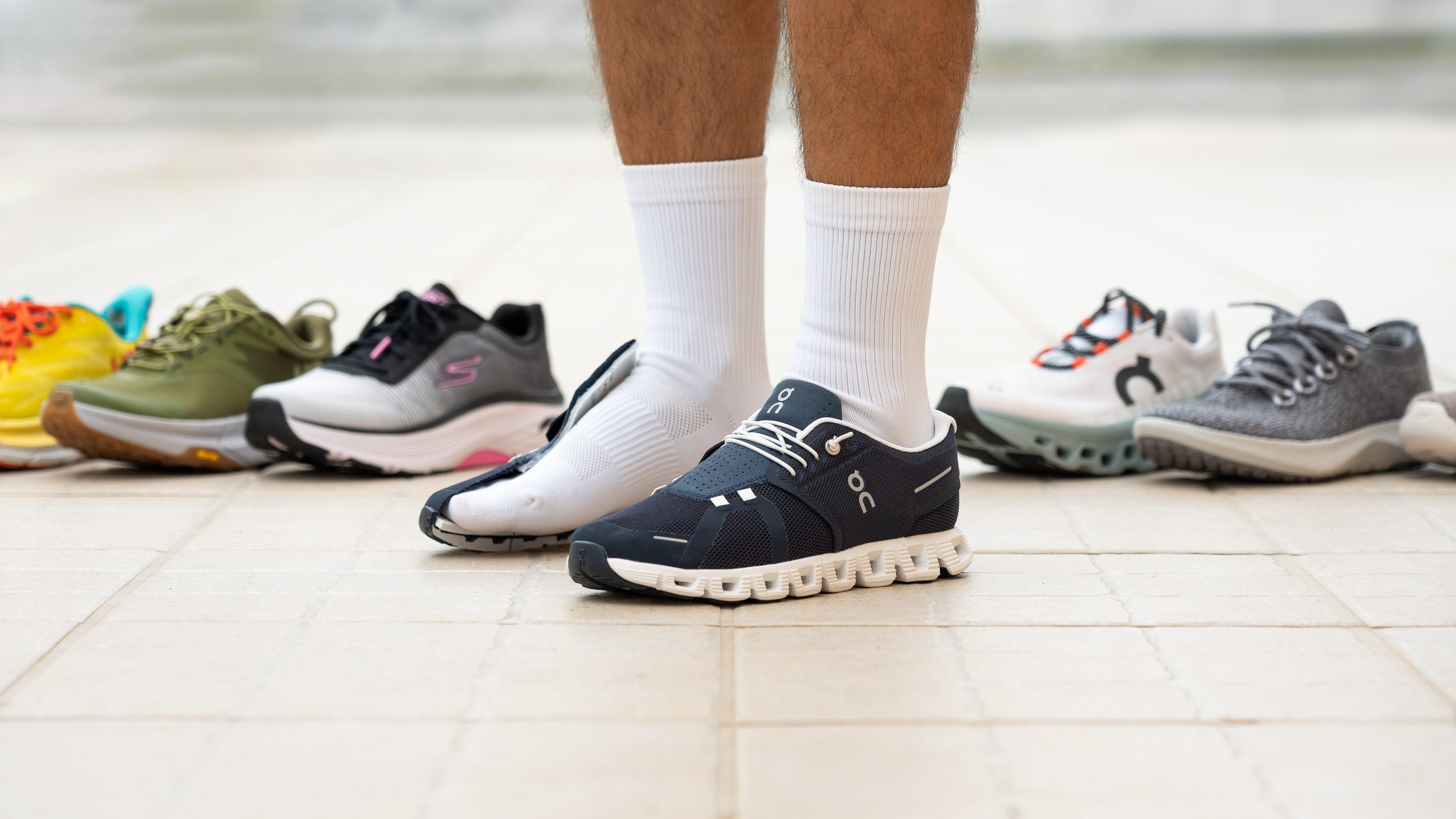
Armed with an understanding of podiatric principles, how does one apply this knowledge when evaluating specific models? The market is saturated with options, but focusing on a few key priorities will streamline your search. First, prioritize fit over brand loyalty. Sizing can vary dramatically between brands and even between models from the same brand. Your best bet is to get professionally fitted at a specialty running or walking store later in the day when your feet are naturally slightly swollen. There should be about a thumb’s width of space between your longest toe and the end of the shoe. Second, look for removable insoles. This feature is a strong indicator of a shoe designed for orthotic compatibility. Even if you don’t currently use custom orthotics, the ability to remove the factory insole allows for customization with over-the-counter supportive inserts if needed, or simply provides easier access for cleaning and drying. Third, assess the rocker sole design. Many modern therapeutic shoes incorporate a gentle rocker profile in the sole. This design, inspired by the concept of “rocker-bottom shoes” often used in diabetic foot care, promotes a smoother roll-through from heel-strike to toe-off, reducing pressure on the metatarsals and the plantar fascia. It can be particularly beneficial for individuals with arthritis or plantar fasciitis. Finally, do not overlook lace-up closure systems. While slip-ons are convenient, a traditional lace-up (or a modern BOA® fit system) allows for micro-adjustments across the entire foot, ensuring a secure, customized fit that locks the heel in place without constricting the midfoot or forefoot. This level of adjustability is a common thread among top-tier podiatrist recommended walking shoes. It is an inescapable truth that high-quality, biomechanically sound footwear often comes with a higher price tag. However, reframing this expense as an investment in long-term wellness and preventative healthcare is crucial. Consider the potential costs of neglecting foot health: co-pays for doctor visits, physical therapy sessions, custom orthotics, pain medications, and lost productivity due to discomfort. A single pair of well-constructed podiatrist recommended walking shoes, typically ranging from $120 to $180, can prevent a significant portion of these issues. The good news is that value can be found without sacrificing quality. Many reputable brands offer previous-season models at discounted prices, often with only minor cosmetic changes from the latest version. Outlet stores, authorized online retailers, and seasonal sales are excellent avenues for securing professional-grade footwear at a more accessible cost. Furthermore, the durability of these shoes is part of their value proposition. While fashion sneakers might deteriorate quickly, a quality walking shoe with a robust outsole and high-density midsole is engineered for 300-500 miles of use. When amortized over its lifespan and weighed against the benefits of pain-free mobility, the cost-per-day becomes remarkably low. As the ancient proverb wisely states, “The bitterness of poor quality remains long after the sweetness of low price is forgotten.” This is profoundly true for footwear. Investing in your foundation is not a luxury; it is a necessity for an active, vibrant life, and seeking out discounted prices on these essential tools is a smart strategy for bringing professional knowledge and savings directly to you. The journey to finding the perfect walking shoe is a journey toward greater personal freedom and physical resilience. It is a decision that echoes through every step you take, influencing your posture, your energy levels, and your long-term joint health. By prioritizing the hallmarks of podiatrist recommended walking shoes—superior arch support, a stable heel counter, a spacious toe box, and advanced, responsive cushioning—you are making a conscious choice to align with the science of movement. This choice empowers you to walk farther, stand longer, and explore more of the world without the shadow of foot pain. Remember, your feet carry you through life’s adventures and daily responsibilities; they deserve the best possible support. Let the principles outlined here guide your selection, seek out professional fittings, and do not hesitate to invest in models that meet these rigorous standards. The path to all-day comfort begins from the ground up, with a single, well-informed step in the right direction.Navigating the Market: Key Features to Prioritize
Investment in Wellness: Balancing Cost and Value
:max_bytes(150000):strip_icc()/shp-best-brooks-walking-shoes-tout-f67df3ab5afa4c08a24a63ae6dca3444.jpg)
Stepping Forward with Confidence and Comfort
