

Discover the Best Podiatrist Recommended Walking Shoes for All-Day Comfort
Your feet are your foundation, and the shoes you choose for walking can mean the difference between a day filled with vibrant energy and one hampered by discomfort. For anyone who spends significant time on their feet—whether navigating city streets, exploring nature trails, or managing the demands of a busy workday—the quest for the perfect walking shoe is paramount. This isn’t merely about fashion or fleeting trends; it’s a critical investment in your long-term musculoskeletal health. The guidance of foot care specialists, or podiatrists, cuts through marketing hype to deliver evidence-based recommendations for footwear that truly supports, cushions, and protects. This article delves into the science and expert opinions behind podiatrist recommended walking shoes, providing you with the knowledge to make an informed choice that brings professional-grade support and all-day comfort directly to your stride.
The Science of Stride: Why Your Feet Demand Expert-Approved Footwear
Walking is a complex, repetitive motion involving a precise sequence of heel strike, foot flat, mid-stance, heel-off, and toe-off. This gait cycle places significant stress on the feet, ankles, knees, hips, and lower back. According to biomechanics literature from institutions like the University of Virginia’s Motion Analysis Laboratory, improper footwear can disrupt this natural cycle, leading to overpronation (excessive inward roll) or supination (outward roll), which are primary contributors to conditions like plantar fasciitis, shin splints, and Achilles tendinitis. Podiatrists, as doctors of podiatric medicine, base their shoe recommendations on a deep understanding of these biomechanical principles. They assess factors like arch type, gait abnormalities, and individual foot pathologies. A podiatrist recommended walking shoe is engineered to address these specifics. It typically features strategic cushioning to absorb shock, a supportive heel counter to stabilize the rearfoot, and appropriate flexibility at the forefoot to facilitate the toe-off phase. The objective is to create a neutral, aligned platform that allows your feet to function as nature intended, minimizing strain on the entire kinetic chain. As noted by Dr. Jacqueline Sutera, a New York City-based podiatrist, in various media interviews, “Shoes are the tires of the human body. You wouldn’t put bald, uneven tires on a high-performance car and expect a smooth, safe ride. The same logic applies to your feet.” This scientific perspective transforms a simple shoe from a covering into a vital piece of functional equipment.
:max_bytes(150000):strip_icc()/I-Asked-Podiatrists-for-Their-Fall-Shoe-Recommendations-These-Are-Their-Top-8-Picks-8fbdf9d65f3a4228ae63f6e5253dc08c.jpg)
Decoding the Anatomy of a Superior Walking Shoe
To understand why certain shoes earn the podiatrist recommended walking shoes endorsement, one must dissect their anatomy. Each component serves a distinct purpose rooted in podiatric science. First, the upper: it should be constructed from breathable, flexible materials like engineered mesh to prevent friction and allow for natural foot expansion during long periods of wear. The heel counter—the firm cup at the back—must be rigid to lock the heel in place, preventing slippage and controlling excessive motion, a point frequently emphasized in educational materials from the American Podiatric Medical Association (APMA). The midsole is the heart of the shoe’s technology. Materials like EVA (ethylene-vinyl acetate) foam, polyurethane, or proprietary compounds like Brooks’ DNA LOFT or ASICS’ GEL provide the critical shock absorption. For those with flat feet or overpronation, a medial post—a denser section of foam on the inner side of the midsole—is often integrated to provide extra support and correct alignment. The outsole’s tread pattern and rubber composition determine durability and traction, essential for safety on varied surfaces. Finally, the toe box must be wide and deep enough to allow toes to splay naturally without constriction, a feature vital for preventing neuromas and bunions. When these elements harmonize, they create a shoe that doesn’t just house the foot but actively collaborates with its biomechanics. As the famous runner and author Christopher McDougall explored in his book “Born to Run,” while focusing on minimalist running, the dialogue between foot and ground is fundamental; the right shoe facilitates a healthy, natural conversation rather than imposing a damaging monologue.
Key Features That Define Podiatrist-Approved Comfort
Beyond basic anatomy, specific features elevate a walking shoe to the recommended tier. Removable insoles are a hallmark, as they allow for the insertion of custom orthotics prescribed by a podiatrist for individualized correction. Adequate arch support is non-negotiable; it maintains the foot’s longitudinal arch, distributing weight evenly and reducing fatigue. Seamless interiors or plush linings, such as those found in certain HOKA or New Balance models, drastically reduce the risk of blisters and hot spots. Furthermore, the concept of “rocker soles”—a subtly curved outsole—has gained prominence based on podiatric research. This design, often cited in studies from the University of Pittsburgh Medical Center, promotes a smoother gait transition, reducing the work required from the calf muscles and Achilles tendon, which is particularly beneficial for those with arthritis or plantar fasciitis. It’s this meticulous attention to detail, validated by clinical observation and patient outcomes, that separates generic sneakers from true podiatrist recommended walking shoes. The goal is proactive care: preventing injury before it starts. In the words of Dr. Brad Schaeffer, a podiatrist featured on Quora and health blogs, “Think of your walking shoes as daily preventative medicine. The right pair can stave off a host of painful, costly problems down the road, keeping you active and mobile for years to come.”
Navigating the Market: Top Contenders for All-Day Support
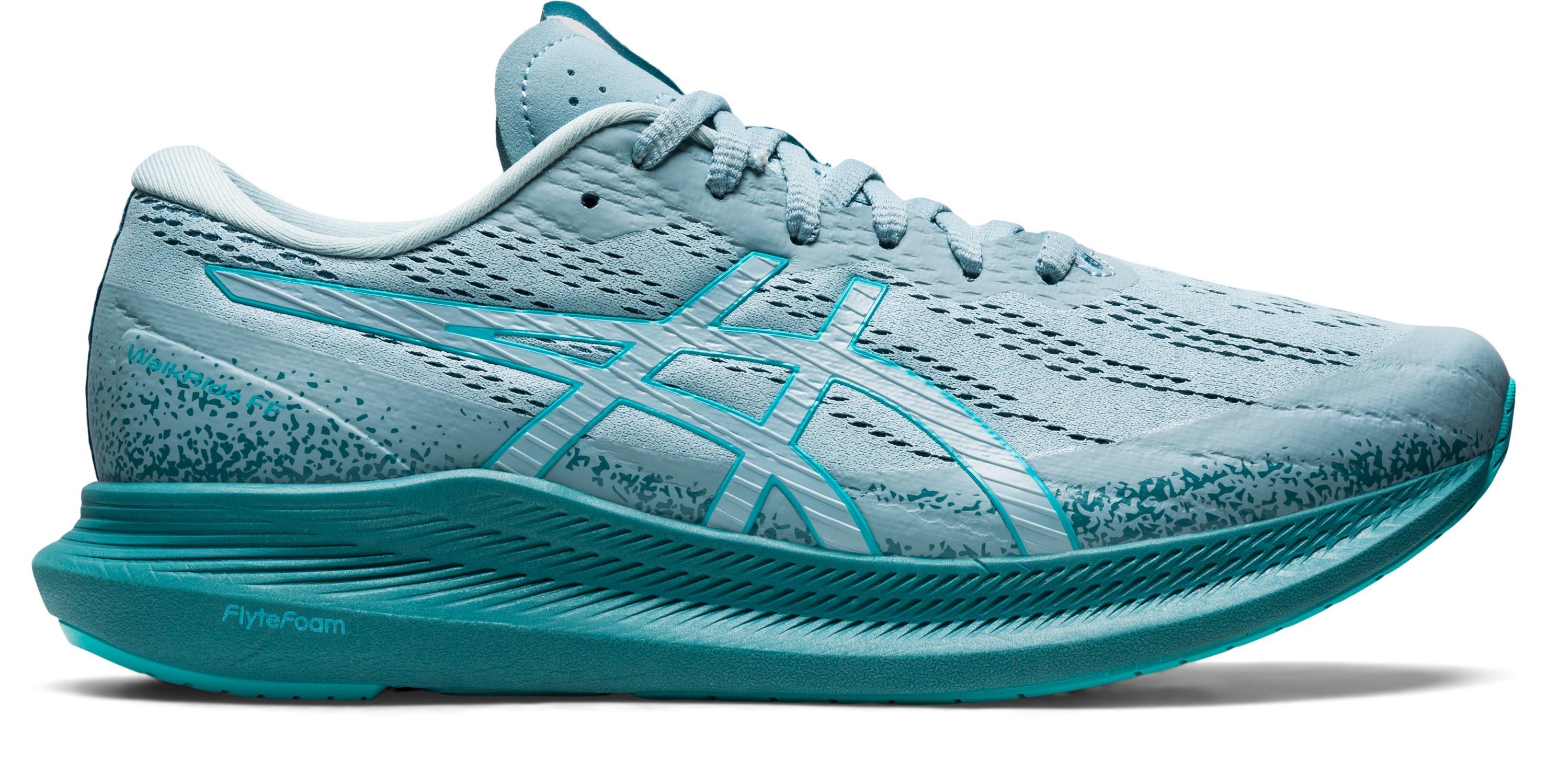
The market is flooded with options, but several brands consistently receive praise from foot care professionals for their commitment to biomechanical integrity. Brands like Brooks, ASICS, New Balance, HOKA, and Saucony are frequently at the top of podiatrists’ lists. For instance, the Brooks Addiction Walker is a perennial favorite, renowned for its Extended Progressive Diagonal Rollbar (PDRB) technology that offers maximum support for overpronators. ASICS, with its heritage in motion analysis, incorporates GEL cushioning systems in models like the GT-1000 or Gel-Nimbus to attenuate shock during heel strike. HOKA ONE ONE has revolutionized cushioning with its oversized midsoles, providing unparalleled softness and stability, a boon for those with joint pain seeking podiatrist recommended walking shoes. New Balance excels in offering varied widths, ensuring a truly precise fit—a critical factor often overlooked. Saucony’s Guide series provides a superb blend of stability and responsive cushioning. It’s important to note that the “best” shoe is highly individual; a model perfect for a person with high arches and a neutral gait may be unsuitable for someone with flat feet. This is why the podiatrist’s role is diagnostic. They don’t merely suggest a brand but match a specific model’s technological offerings to your unique foot morphology and gait pattern, a service far more valuable than any algorithm-based online recommendation.
:max_bytes(150000):strip_icc()/shp-best-brooks-walking-shoes-tout-f67df3ab5afa4c08a24a63ae6dca3444.jpg)
Investing in Your Foundation: Value Beyond the Price Tag
While premium podiatrist recommended walking shoes often carry a higher initial cost, their value proposition is immense when viewed through the lens of health economics and personal well-being. Consider the alternative: the cost of doctor visits, physical therapy sessions, custom orthotics, pain medications, and lost productivity due to foot pain can quickly dwarf the price of a quality pair of shoes. Furthermore, high-quality walking shoes are built with durable materials and construction techniques that extend their lifespan, offering better cost-per-wear over time. The real investment is in uninterrupted mobility, pain-free days, and the preservation of your body’s natural alignment. To make this investment more accessible, savvy shoppers can look for previous-season models, which often see significant discounts while retaining the core technologies. Official brand outlets, reputable online retailers during holiday sales, and even specialty running stores clearing inventory are excellent sources. The key is to prioritize the correct fit and features over the latest colorway. As the ancient proverb, often echoed in wellness circles, reminds us: “The man who buys cheap shoes thinks only of the price. The man who buys good shoes thinks of his feet.” Your feet carry you through life; outfitting them with the best-supported footwear endorsed by podiatric science is not an extravagance—it’s a essential strategy for sustained health and vitality.
:max_bytes(150000):strip_icc()/tal-roundup-podiatrist-loved-shoes-on-sale-tout-bdbf5721fa5642efa38b61f6a5b4ff34.jpg)
Choosing the right walking shoe is a decisive act of self-care. By prioritizing the principles of podiatric medicine—biomechanical support, targeted cushioning, and anatomical fit—you directly influence your daily comfort and long-term foot health. The journey to all-day comfort begins with respecting the complexity of your feet and trusting the expertise behind podiatrist recommended walking shoes. Let this knowledge guide your next step, transforming every walk into a testament to supported, pain-free movement.
